Table of Contents >> Show >> Hide
- Why Modern Woven Chairs Work So Well
- 10 Easy Pieces: The Modern Woven Chair Shortlist
- 1. The Wishbone Chair: The Paper-Cord Classic
- 2. The Cesca Chair: Cane Meets Bauhaus Steel
- 3. The Chandigarh-Style Cane Chair: Bold, Architectural, Timeless
- 4. The Rattan Armchair: Casual, Curvy, and Living-Room Friendly
- 5. The Cane Dining Chair: The Everyday Crowd-Pleaser
- 6. The Rope-Woven Outdoor Chair: Practical Texture for Patios
- 7. The Bamboo-and-Woven Chair: Light, Warm, and Budget Smart
- 8. The Black Woven Chair: Graphic and Modern
- 9. The Woven Lounge Chair: For Corners That Need a Purpose
- 10. The Mixed-Material Woven Chair: Wood, Metal, Leather, and Fiber
- How to Choose the Right Modern Woven Chair
- Styling Ideas for Modern Woven Chairs
- Best Rooms for Modern Woven Chairs
- of Real-Life Experience: What Modern Woven Chairs Teach You
- Conclusion: The Modern Woven Chair Is Here to Stay
Modern woven chairs are having one of those design moments that feels less like a trend and more like a polite takeover. They slip into dining rooms, breakfast nooks, bedrooms, patios, studio apartments, and “I swear I’m going to read here” corners with the confidence of furniture that knows it has texture on its side. Unlike a giant upholstered chair that enters a room like a marching band, a woven chair adds character without shouting over the sofa.
The beauty of woven seating is its balance: airy but structured, casual but refined, nostalgic but not stuck in grandma’s sunroom. A modern woven chair can be made from cane, rattan, paper cord, wicker, rope, bamboo, metal lattice, synthetic fiber, or even leather strapping. The best ones combine old craft with contemporary lines, which is designer-speak for “it looks handmade, but it will not make your apartment look like a pirate ship.”
From the iconic Wishbone Chair to budget-friendly rattan dining chairs, the category has grown wide enough to suit almost every home style. Minimalists love woven chairs because they add warmth to clean rooms. Maximalists love them because texture plays nicely with pattern. Small-space dwellers love them because open weaving keeps furniture visually light. And people with dramatic houseplants love them because, frankly, a woven chair beside a fiddle-leaf fig looks like it has its life together.
Why Modern Woven Chairs Work So Well
A woven chair does something that many modern interiors desperately need: it breaks up flat surfaces. Smooth walls, sleek countertops, polished floors, glass tables, and plain cabinetry can make a home feel efficient but slightly emotionally unavailable. Add a cane back, a paper-cord seat, or a rattan frame, and suddenly the room has texture, shadow, and a little handshake from nature.
The other reason woven chairs keep returning is versatility. A black cane chair can look sharp in a city dining room. A natural rattan chair can soften a white kitchen. A rope-woven lounge chair can move from porch to sunroom. A paper-cord Danish chair can make a dining table feel more thoughtful, even when dinner is cereal and three olives.
10 Easy Pieces: The Modern Woven Chair Shortlist
The following ten pieces and chair styles represent the best directions in modern woven seating: icons, updated classics, affordable finds, and practical everyday options. Think of this as a design map, not a rigid shopping list. Your perfect chair depends on where it will live, how often it will be used, and whether anyone in your household treats furniture like playground equipment.
1. The Wishbone Chair: The Paper-Cord Classic
Few woven chairs are as instantly recognizable as the CH24 Wishbone Chair, designed by Hans J. Wegner. Its curved wood frame, Y-shaped back, and handwoven paper-cord seat make it a masterclass in Scandinavian restraint. It is elegant, yes, but not fussy. It looks as comfortable beside a farmhouse table as it does in a modern loft with concrete floors and suspiciously perfect lighting.
The key feature is the seat: a strong woven paper cord surface that has visual texture without bulk. This chair is ideal for homeowners who want a modern woven dining chair with design pedigree. It is also a reminder that “simple” furniture is often not simple at all; it just worked very hard before arriving at your table.
2. The Cesca Chair: Cane Meets Bauhaus Steel
The Cesca Chair, designed by Marcel Breuer in 1928, remains one of the great examples of mixing natural and industrial materials. The tubular steel frame gives it a crisp architectural profile, while the cane seat and back soften the look. It feels modern because of the cantilevered shape, yet warm because cane refuses to look cold no matter how serious the room gets.
Cesca-style chairs are especially good in dining rooms, home offices, and breakfast areas. The woven cane keeps the chair visually light, while the metal frame adds structure. If your space leans too rustic, Cesca pulls it forward. If your space leans too severe, Cesca politely tells it to relax.
3. The Chandigarh-Style Cane Chair: Bold, Architectural, Timeless
Chandigarh-inspired chairs, associated with Pierre Jeanneret’s midcentury work for the Indian city of Chandigarh, bring a chunkier and more architectural mood to woven seating. These chairs typically feature a solid wood frame with cane panels, often with strong geometric arms or V-shaped legs. The look is grounded, sculptural, and quietly powerful.
This is the woven chair for people who do not want “dainty.” A Chandigarh-style chair can anchor a reading corner, sit at the head of a dining table, or work as a desk chair in a room where Zoom calls need a little more design authority. It says, “I know furniture history,” but it does not make you take a quiz.
4. The Rattan Armchair: Casual, Curvy, and Living-Room Friendly
A modern rattan armchair is the easiest way to add an organic note to a living room. Look for cleaner silhouettes rather than overly ornate frames if your goal is modern rather than tropical resort lobby. A rounded rattan armchair with a simple cushion can make a corner feel finished without weighing down the room.
Rattan armchairs work beautifully with linen, cotton, jute, wool, and matte ceramics. They also pair well with black accents, which keep the look crisp. Without contrast, a room full of natural textures can become beige soup. Delicious? Maybe. Memorable? Not always.
5. The Cane Dining Chair: The Everyday Crowd-Pleaser
Cane dining chairs have become popular because they offer texture, comfort, and flexibility. Many current versions combine wood frames with cane backs and upholstered seats, making them more comfortable for long dinners than fully hard chairs. They are excellent for transitional homes where the dining room needs to feel polished but not stiff.
When choosing cane dining chairs, check the scale carefully. A tall cane back can look elegant around a large table, while a lower profile may be better for a small apartment. Cane also looks best when it has breathing room. Jam eight bulky cane chairs around a tiny table and the effect becomes less “editorial dining room” and more “furniture traffic jam.”
6. The Rope-Woven Outdoor Chair: Practical Texture for Patios
For outdoor spaces, natural cane and rattan are not always the best choice unless the area is covered and protected. Rope-woven outdoor chairs, however, bring the same textural charm with better weather resistance. Many modern patio chairs use synthetic rope or performance cord wrapped around powder-coated metal frames.
This style is great for balconies, patios, and poolside seating because it feels lighter and more relaxed than solid outdoor furniture. It also photographs well, which matters more than we admit. Nobody buys patio chairs specifically for sunset photos, but nobody complains when the chairs cooperate.
7. The Bamboo-and-Woven Chair: Light, Warm, and Budget Smart
Bamboo-framed chairs with woven seats or backs offer a fresh, light option for casual dining rooms and kitchen corners. Bamboo is admired for its renewable qualities and its naturally warm tone. In chair form, it often looks clean and relaxed, especially when paired with paper cord, rattan, or woven fiber.
This is a smart direction for renters, first apartments, and anyone who wants a natural material without investing in a museum-worthy design icon. A bamboo woven chair can make a basic dining nook feel intentionally styled rather than accidentally assembled at 11:47 p.m. with an Allen wrench.
8. The Black Woven Chair: Graphic and Modern
Natural woven chairs are beautiful, but black woven chairs deserve special applause. A black cane or rattan chair keeps the texture but adds a sharper silhouette. It works especially well in modern kitchens with white walls, stone counters, brass accents, or walnut cabinetry.
Black woven chairs also solve a common design problem: how to add organic texture without making the room feel beachy. The dark finish brings sophistication and contrast. It is still relaxed, but it has changed out of flip-flops.
9. The Woven Lounge Chair: For Corners That Need a Purpose
Every home has a corner that seems to be waiting for a personality. A woven lounge chair can fix that. Whether made from rattan, cane, wicker, or cord, a lounge chair with a wider seat creates an invitation to sit, read, scroll, think, or stare into the distance like you are in an independent film.
The best modern woven lounge chairs have generous proportions but open construction. That means they feel comfortable without visually blocking the room. Add a small side table, a floor lamp, and a cushion with actual support, and the corner becomes useful instead of decorative guilt.
10. The Mixed-Material Woven Chair: Wood, Metal, Leather, and Fiber
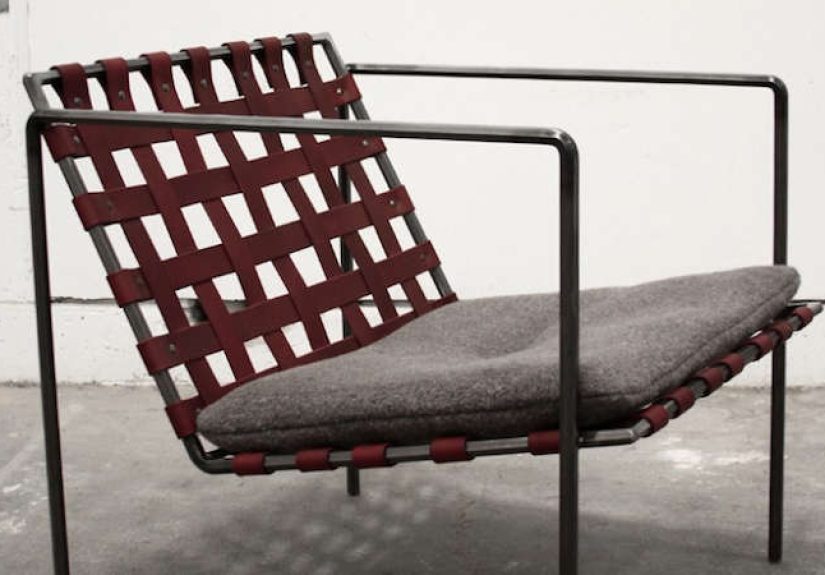
Some of the most interesting modern woven chairs combine materials: wood with cane, metal with paper cord, leather strapping with a steel frame, or rope weaving over aluminum. Mixed-material chairs work well in homes that do not follow one strict style. They help bridge modern, rustic, coastal, industrial, and midcentury elements.
If your dining table is heavy wood, try a woven chair with a metal base. If your table is sleek and minimal, choose a woven chair with a natural wood frame. The goal is contrast, not competition. Chairs should complement the table, not challenge it to a design duel.
How to Choose the Right Modern Woven Chair
Start With the Room’s Job
A dining chair must support repeated use, easy cleaning, and comfortable sitting through meals. A bedroom accent chair can be more delicate because its main job may be holding one sweater and the emotional weight of laundry procrastination. An outdoor chair needs weather-friendly materials. A desk chair needs proper height and support, not just good cheekbones.
Know the Materials
Rattan is a natural vine-like material often used for frames and woven details. Cane usually refers to the outer skin of rattan, commonly woven into seats or backs. Wicker is not a material but a weaving technique, which can use rattan, willow, bamboo, synthetic resin, or other fibers. Paper cord is a durable woven material often found in Danish modern chairs. Rope and synthetic cord are common in outdoor designs.
Understanding these terms helps you shop smarter. It also gives you something impressive to say when someone points at your chair and says, “Cute wicker.” You may then gently explain the difference, preferably without becoming the furniture police.
Check Comfort Before Falling in Love
Woven chairs can be comfortable, but not all of them are created equal. Look at seat depth, back angle, arm height, and whether the woven surface has enough give. For dining chairs, an upholstered or removable cushion can be a practical upgrade. For lounge chairs, make sure the seat is not so low that getting up becomes an Olympic event.
Think About Maintenance
Natural woven materials prefer kindness. Dust them regularly with a soft brush or vacuum attachment. Avoid soaking cane or rattan, because excess moisture can cause swelling, sagging, or mildew. Keep natural woven chairs away from long exposure to harsh sunlight, which can dry or fade fibers over time. For outdoor spaces, choose synthetic wicker, rope, or weather-rated materials unless the chair will live in a covered area.
Styling Ideas for Modern Woven Chairs
Pair Texture With Clean Lines
Modern woven chairs shine when they are balanced with clean-lined tables, simple lighting, and calm wall colors. A cane chair next to a sculptural pedestal table feels current. A rattan armchair beside a sleek black side table feels intentional. The trick is to let the weave be the texture hero while the surrounding pieces keep the room grounded.
Use Contrast to Avoid the “Vacation Rental” Look
There is nothing wrong with coastal style, but too much rattan, white linen, driftwood, and seashell energy can make a room feel like it is about to charge a cleaning fee. Mix woven chairs with darker woods, metal accents, colorful art, or modern lighting to keep the design personal.
Try One Statement Chair Before Buying a Set
If you are unsure about woven furniture, start small. Add one woven lounge chair to a bedroom or one cane side chair to a desk. Live with it for a few weeks. Notice how it changes the room. If it makes everything feel warmer and more layered, you can graduate to a dining set. If it becomes the cat’s throne, congratulations, it has still found a purpose.
Best Rooms for Modern Woven Chairs
Dining rooms benefit from cane, paper cord, and mixed-material chairs because they add comfort and visual lightness. Kitchens work well with wipeable woven-look materials or sturdy cane-back chairs with cushioned seats. Living rooms can handle larger rattan or lounge silhouettes. Bedrooms are perfect for a single woven accent chair. Patios and balconies need weather-rated rope, resin wicker, or coated frames.
The best room is the one where the chair will actually be used. Furniture that only looks good but functions poorly eventually becomes a very expensive sculpture. And unless you are charging museum admission, that is not the goal.
of Real-Life Experience: What Modern Woven Chairs Teach You
Living with modern woven chairs teaches you that texture is not a small detail; it is the difference between a room that looks finished and a room that looks like it is waiting for permission. A woven chair has a way of making a space feel more relaxed the moment it arrives. Put one in a plain corner and suddenly the corner has a job. Put four around a dining table and the whole room seems warmer, even if the table is still covered in mail, keys, and one mysterious receipt from three weeks ago.
The first practical lesson is that woven chairs are surprisingly good at blending styles. In a modern apartment, a cane chair softens hard edges. In a traditional home, a black woven chair makes the space feel updated without demanding a renovation. In a small room, the open weave allows light to pass through, so the chair does not feel like a block of furniture parked in the middle of the floor. That visual airiness is a gift, especially when square footage is acting expensive.
The second lesson is that comfort matters more than the photo. A chair can look flawless online and still feel like a polite punishment after twenty minutes. When possible, test the seat. If shopping online, study the dimensions and reviews. A woven seat with slight flexibility can be comfortable, but a flat, tight, unforgiving seat may need a cushion. For dining rooms, cushions are not a defeat; they are diplomacy between style and the human body.
The third lesson is maintenance. Woven chairs are not fragile museum objects, but natural fibers do appreciate basic care. Dust gathers in the weave, crumbs find the tiny gaps with suspicious enthusiasm, and sunlight can fade or dry natural materials. A soft brush, gentle vacuuming, and occasional wipe-downs go a long way. If a woven chair lives near a window, rotate it now and then. If it lives outdoors, make sure it is actually rated for outdoor use. Hope is not a weatherproofing strategy.
The fourth lesson is that one woven chair often leads to another. You start with a single rattan accent chair because it seems harmless. Then you notice how good cane looks with your dining table. Then a paper-cord bench begins making sense. Suddenly you are discussing “visual texture” at breakfast like a person who owns fabric swatches. This is normal. Woven furniture has a quiet charm, and quiet charm is sneaky.
Most importantly, modern woven chairs remind us that good design does not have to feel cold. A chair can be clean-lined and still warm, practical and still beautiful, classic and still fresh. It can hold a dinner guest, a book, a jacket, a cat, or your best intentions. That is the magic of woven seating: it works hard, looks light, and brings just enough craft into daily life to make home feel a little more human.
Conclusion: The Modern Woven Chair Is Here to Stay
Modern woven chairs are popular because they solve several design problems at once. They add texture without clutter, warmth without heaviness, and craftsmanship without looking old-fashioned. Whether you choose a Wishbone-inspired paper-cord seat, a Bauhaus cane classic, a bold Chandigarh-style chair, or a budget-friendly rattan armchair, the right woven chair can make a room feel more layered, comfortable, and alive.
The best choice is not always the most famous or expensive one. It is the chair that fits your space, supports your routine, and makes you want to sit down for reasons other than being tired. That is the real test of furniture: not whether it impresses guests, but whether it quietly improves daily life. A great woven chair does exactly that, with a little texture and no unnecessary drama.
Note: Product availability, finishes, and prices can change over time. Use this guide as design inspiration and check current retailer details before purchasing.