Table of Contents >> Show >> Hide
- Why Telemedicine MattersAnd Why It Still Needs Humility
- The First Apology: I Am Sorry When the Visit Felt Like a Transaction
- The Second Apology: I Am Sorry When Technology Got in the Way
- The Third Apology: I Am Sorry When Privacy Felt Like an Afterthought
- The Fourth Apology: I Am Sorry When Telemedicine Overpromised
- The Fifth Apology: I Am Sorry When Follow-Up Was Too Hard
- What a Real Medical Apology Should Include
- What Patients Can Do to Get More from a Telemedicine Visit
- What Telemedicine Physicians Must Remember
- Experience Notes: What Telemedicine Has Taught Me
- Conclusion: The Apology Is Only the Beginning
Note: This article is for general informational and editorial purposes only. It is not medical advice, diagnosis, or treatment. Anyone with urgent symptoms should contact emergency services or seek in-person medical care immediately.
I owe you an apologynot the tiny, awkward kind that sounds like it was assembled by a hospital legal department in a windowless conference room, but a real one. The kind that looks you in the eye, even if the eye contact is happening through a laptop camera with questionable lighting.
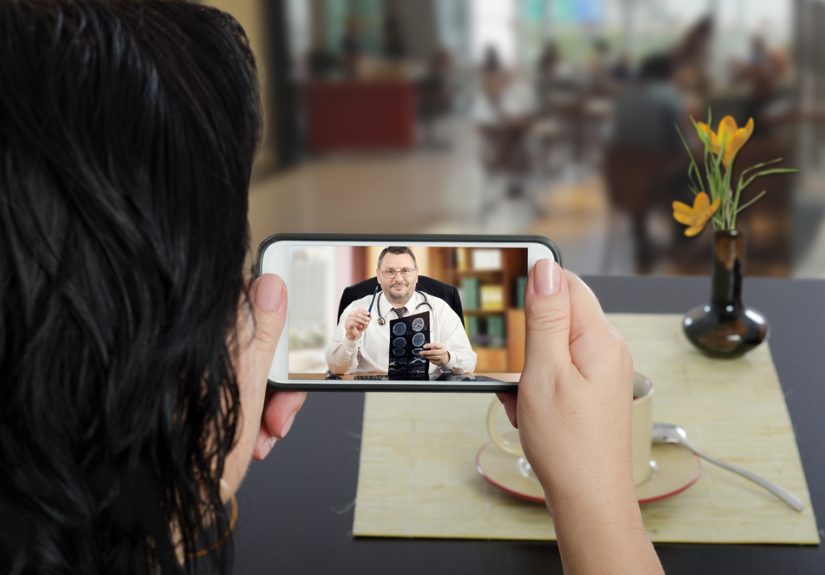
As a telemedicine physician, I have celebrated the miracle of virtual care. I have watched it help patients avoid long drives, crowded waiting rooms, childcare chaos, missed work, and the deeply mysterious experience of sitting beside a fish tank in a medical office that has not been updated since 1998. Telehealth can be convenient, efficient, and surprisingly human. It can bring care to people in rural communities, busy parents, older adults, students, caregivers, and patients who simply cannot spend three hours traveling for a ten-minute appointment.
But convenience does not erase responsibility. A smooth video call does not automatically equal excellent care. A digital stethoscope is not a magic wand. And a physician in a small square on your phone is still responsible for listening carefully, explaining clearly, respecting your privacy, and knowing when a virtual visit is not enough.
So this is an apology from a telemedicine physician: for the times virtual care felt rushed, confusing, impersonal, overly scripted, technically clumsy, or too eager to solve a complex human problem with a dropdown menu and a prescription button. You deserved better than “Can you hear me now?” becoming the emotional theme song of your appointment.
Why Telemedicine MattersAnd Why It Still Needs Humility
Telemedicine is no longer a futuristic bonus feature. It has become a normal part of American health care. Many patients now use video visits, phone consultations, secure messaging, remote monitoring, and online portals as part of their regular medical lives. Used wisely, telehealth can improve access, continuity, and convenience. It can help someone with a stable chronic condition check in without exhausting travel. It can allow a parent to discuss a child’s rash before deciding whether an in-person visit is needed. It can help a patient review lab results, adjust a care plan, or ask questions that might otherwise go unanswered.
But telemedicine is not “medicine lite.” The standard of care does not shrink just because the exam room has been replaced by a webcam. A telemedicine physician must still establish trust, gather a careful history, respect professional boundaries, document thoughtfully, arrange follow-up, and recognize the limits of the format. If a patient needs a hands-on exam, urgent evaluation, imaging, lab work, or emergency care, the ethical answer is not to pretend the video visit can do everything. The ethical answer is to say, “This needs to be seen in person.”
That sentence can be inconvenient. It can disappoint patients who hoped to finish everything from the couch. It can interrupt a platform’s promise of fast answers. But sometimes the safest form of telemedicine is knowing when telemedicine should stop.
The First Apology: I Am Sorry When the Visit Felt Like a Transaction
A good medical visit should feel like a conversation, not a checkout screen. Yet virtual care can drift toward transaction mode with alarming ease. The patient logs in. The physician appears. Questions are asked. A diagnosis is entered. Instructions are delivered. Everyone disappears back into the internet. It is efficientbut efficiency is not the same as care.
Patients do not bring symptoms only; they bring worry, context, embarrassment, previous bad experiences, family history, financial stress, and sometimes a small child in the background wearing a superhero cape and yelling about crackers. Real life does not pause because the appointment is virtual.
I am sorry for the times a telemedicine physician seemed more focused on completing the template than understanding your story. I am sorry for the moments when you felt like a “chief complaint” instead of a person. I am sorry if your visit felt like the medical version of customer support chat: polite, functional, and somehow emotionally refrigerated.
What Better Telemedicine Communication Looks Like
Better virtual care begins with small acts that are not small at all. The physician should introduce themselves, confirm your identity, explain what can and cannot be done during the visit, and ask what matters most to you today. They should speak clearly, pause often, and check that you understand the plan. If they are typing, they should tell you why: “I’m taking notes so I capture this accurately.” Without that explanation, keyboard tapping can feel like being ignored by someone writing a novel about your sinuses.
At the end of the visit, a good telemedicine physician should summarize the plan in plain language: what they think is going on, what to do next, what warning signs matter, when to follow up, and how to get help if symptoms change. The patient should leave with clarity, not a foggy memory of medical terms and a portal message hiding somewhere behind three passwords.
The Second Apology: I Am Sorry When Technology Got in the Way
Telemedicine depends on technology, which means it occasionally depends on chaos wearing a Wi-Fi symbol. Cameras freeze. Audio lags. Apps update at the worst possible moment. A patient’s phone battery hits 3 percent right when the physician asks about chest symptoms. A dog barks. A toddler presses “leave meeting.” Somewhere, a router blinks with the confidence of a device that has never cared about human suffering.
But technical problems are not just annoyances. They can interfere with communication and safety. If a physician cannot see a rash clearly, cannot hear a patient’s breathing, or misses part of a medication history because the audio cuts out, the visit becomes less reliable. Telehealth should not force patients to become IT specialists before receiving care.
I am sorry for the times the platform was confusing, the instructions were unclear, or the visit started late because nobody could find the right link. I am sorry if you had to repeat sensitive information because the connection failed. I am sorry if the technology made you feel embarrassed, especially when the problem was not your fault.
How Clinics Can Reduce Virtual Visit Friction
Health systems can do better by sending clear pre-visit instructions, offering simple troubleshooting steps, providing phone backup, and making sure patients know what to prepare. A patient should know whether to upload photos, list medications, check blood pressure, complete forms, or sit in a private, well-lit space. Good preparation protects time, improves accuracy, and reduces the strange ritual of asking, “Can you move closer to the lamp?” five times.
Physicians also need backup plans. If video fails, should the visit continue by phone? If the patient cannot show a symptom clearly, should they be referred in person? If the patient is driving, in public, or unable to speak privately, should the visit be paused or rescheduled? These decisions are not minor. Privacy and safety are part of care.
The Third Apology: I Am Sorry When Privacy Felt Like an Afterthought
Medical privacy matters whether a patient is in an exam room or a bedroom, office, parked car, dorm room, or kitchen. Telemedicine can create new privacy risks because the visit may involve apps, portals, shared devices, home Wi-Fi, family members nearby, or public spaces. Patients may not always realize how much sensitive information they are about to discuss until the physician asks a deeply personal question while someone is making toast five feet away.
I am sorry for the times telemedicine treated privacy as a checkbox instead of a real patient concern. A physician should not assume you are alone. They should ask whether you are in a private place and whether it is safe to talk openly. They should identify themselves, confirm your identity, and explain how the visit will work. If someone else is present, the physician should clarify whether you want that person involved.
Privacy also means respecting the dignity of the patient. If a visual exam is needed, the physician should explain why, ask permission, and offer alternatives when appropriate. No patient should feel pressured, rushed, or surprised during a virtual exam. The screen does not reduce the need for consent; it makes consent even more important.
The Fourth Apology: I Am Sorry When Telemedicine Overpromised
Telemedicine is powerful, but it is not a Swiss Army knife, MRI machine, laboratory, and emergency department rolled into one cheerful app. Some symptoms require hands-on evaluation. Some diagnoses depend on listening to the lungs, pressing on the abdomen, checking neurological signs, measuring oxygen levels, performing tests, or seeing changes over time. A video visit can provide clues, but clues are not always enough.
A responsible telemedicine physician should be honest about uncertainty. That does not mean being vague or unhelpful. It means saying, “Based on what I can assess today, here is what seems likely, here is what worries me, and here is what we need to do next.” Patients can handle honesty. What damages trust is false certainty delivered with a confident smile and a weak internet connection.
I am sorry for the times virtual care made medicine sound simpler than it is. I am sorry if you were told “it’s probably nothing” when your symptoms deserved a more careful plan. I am sorry if the visit ended without clear instructions about what to watch for, when to follow up, or where to go if things got worse.
Good Telemedicine Includes Safety Netting
Safety netting is one of the most important parts of virtual care. It means giving patients specific next steps if symptoms do not improve or if new symptoms appear. For example, a patient with a mild respiratory illness may be told what home care is reasonable, but also when to seek urgent care. A patient with a skin infection may receive treatment, but also instructions about spreading redness, fever, worsening pain, or lack of improvement. A patient with a headache may need careful screening for red flags that require immediate evaluation.
Telemedicine works best when it does not pretend to be the whole road. It should be a well-marked route with signs, exits, and a clear destinationnot a mystery drive through the fog.
The Fifth Apology: I Am Sorry When Follow-Up Was Too Hard
A virtual visit should not end with the patient floating alone in the digital wilderness. Follow-up matters. Did the medication help? Did the test result come back? Did the rash improve? Did the referral happen? Did the patient understand the instructions? Did the portal message make sense, or did it read like a crossword puzzle written by a pharmacist in a hurry?
I am sorry for the times patients were left to chase answers across portals, phone trees, inboxes, and billing departments. Telemedicine can make access easier at the front door but harder at the back door if follow-up systems are weak. A fast visit is not a success if the patient cannot get the next step.
Good virtual care should explain how results will be delivered, who will respond to questions, how urgent concerns should be handled, and when another visit is needed. If a physician recommends in-person care, the patient should understand why. “Go get checked” is less useful than, “Because your symptoms could involve something we cannot safely evaluate by video, you need an in-person exam today.”
What a Real Medical Apology Should Include
An apology in medicine should not be theater. It should not be a vague fog of regret designed to sound compassionate while admitting nothing. Patients know the difference between “I’m sorry you feel that way” and “I’m sorry this happened.” One is a shrug wearing a necktie. The other is the beginning of repair.
When something goes wrong in telemedicinea delayed diagnosis, a missed message, a confusing instruction, a privacy concern, or a failure to escalate carethe apology should include four things: acknowledgment, responsibility, explanation, and correction.
1. Acknowledgment
The physician should name what happened clearly. “Your message was not reviewed in the timeframe we promised.” “I did not explain the limitations of the video exam.” “The follow-up instructions were not specific enough.” Clear language matters because vague language can make patients feel like they are being politely smothered with cotton balls.
2. Responsibility
Responsibility does not always mean one person caused every part of the problem. Health care is a system, and systems fail. But patients should not be forced to carry the emotional burden of a system’s confusion. A physician can say, “I am responsible for making sure you understand the plan,” or “Our process did not work the way it should have.”
3. Explanation
Patients deserve to know what happened in plain English. Not jargon. Not a maze of policy language. Not “workflow misalignment impacted care coordination deliverables.” That sentence needs a nap. A better explanation might be: “Your lab result came back after hours, and our notification process did not alert the covering clinician.”
4. Correction
The apology must point toward action. What will be done now? What changes will prevent the same problem? Who will follow up? When? A sincere apology does not end with regret. It ends with repair.
What Patients Can Do to Get More from a Telemedicine Visit
Patients should not have to manage the entire quality of a visit, but a little preparation can make telemedicine safer and smoother. Before the appointment, write down your main concern, when symptoms started, what has changed, current medications, allergies, recent test results, and your top two or three questions. If you have a home thermometer, blood pressure cuff, pulse oximeter, glucose meter, or other relevant device, have the information ready if it applies to your situation.
Choose a private, well-lit location when possible. Test the camera and microphone. Upload photos if the clinic asks for them, especially for skin concerns. Avoid driving during the visit. Try not to multitask, even if folding laundry during a medical appointment feels like peak modern efficiency. Your physician needs your attention, and you deserve theirs.
During the visit, ask direct questions: “What diagnoses are you considering?” “What would make this urgent?” “When should I expect improvement?” “What should I do if I get worse?” “Do I need an in-person exam?” These are not annoying questions. They are excellent questions. A good physician should welcome them.
What Telemedicine Physicians Must Remember
Behind every virtual visit is a real patient taking a real risk: trusting someone they may never meet in person. That trust should make physicians more careful, not less. Telemedicine physicians must remember that tone travels through screens. So does impatience. So does compassion. So does confusion. A patient can tell when the doctor is present, and they can tell when the doctor is mentally halfway into the next appointment.
The best telemedicine physicians practice digital bedside manner. They look at the camera. They slow down. They explain the plan. They admit uncertainty. They protect privacy. They do not blame patients for technology problems. They do not use convenience as an excuse for shallow care. They understand that virtual medicine is still intimate, because illness is intimate.
Experience Notes: What Telemedicine Has Taught Me
After many virtual visits, one lesson stands above the rest: patients are incredibly patient with technology when they feel respected, and understandably frustrated when they do not. A video visit can survive a frozen screen. It can survive a delayed login. It can even survive the classic “You’re muted” dance, which has become the national anthem of remote life. What it cannot survive is indifference.
I remember a patient who joined a visit from a parked car because it was the only private place available during a workday. At first glance, it looked informal, almost casual. But that car was her exam room, her lunch break, and her only chance to ask a question she had been carrying for weeks. The lesson was simple: telemedicine may look convenient from the physician’s side, but from the patient’s side it may still require planning, courage, and sacrifice.
I remember another patient who apologized for not being “good with computers.” That apology should have gone in the other direction. Health care built the digital doorway; patients should not feel ashamed for struggling to open it. A better system would offer simpler links, clearer instructions, and human help before the appointment starts. If the technology is confusing, that is not a character flaw in the patient. That is a design problem wearing a login screen.
I have also learned that virtual care can reveal things an office visit may hide. A patient’s home environment can give clues about mobility, caregiving support, medication organization, and daily stress. A family member may help clarify symptoms. A patient may feel more relaxed speaking from a familiar place. Telemedicine, done well, can make medicine more personalnot less.
But it also demands discipline. A physician must resist the urge to move too quickly. The lack of a physical exam can create blind spots, so the history becomes even more important. The physician must ask better questions, listen for subtle changes, and be willing to escalate care. “I can’t fully evaluate that by video” is not a failure. It is a safety statement.
The most meaningful telemedicine moments often happen when the physician slows down enough to say, “Let me make sure I understand.” That sentence can transform the visit. It tells the patient they are not just submitting information into a digital intake machine. They are being heard by a person.
My experience has taught me that the future of telemedicine should not be built around speed alone. Speed is useful, but trust is better. Access is essential, but safety is non-negotiable. Technology is impressive, but humility is more important. The best virtual care feels less like ordering takeout and more like being welcomed into a thoughtful medical conversationminus the waiting room magazines, which, to be fair, nobody misses.
Conclusion: The Apology Is Only the Beginning
An apology from a telemedicine physician should not be a sentimental closing paragraph. It should be a promise to practice better. Patients deserve virtual care that is accessible, honest, private, safe, and human. They deserve physicians who respect the limits of the screen while using its strengths wisely. They deserve clear explanations, careful follow-up, and a doctor who remembers that “online” does not mean “less real.”
Telemedicine can be one of the most helpful tools in modern health care, but only if it is guided by trust. That trust is built one visit at a time: by listening well, apologizing sincerely when needed, and fixing what went wrong. The screen may separate physician and patient physically, but it should never separate care from compassion.
So, from one telemedicine physician to every patient who has ever felt rushed, misunderstood, disconnected, or stranded after a virtual visit: I am sorry. You deserved more than a convenient appointment. You deserved careful medicine. And that is the standard telemedicine must keep working to meet.