Table of Contents >> Show >> Hide
- What Makes a Meal Replacement Shake Good for Weight Loss?
- The 10 Best Meal Replacement Shakes for Weight Loss
- 1. Huel Ready-to-Drink: Best Overall Balanced Meal Shake
- 2. Ka’Chava Whole Body Meal: Best Nutrient-Dense Plant-Based Shake
- 3. OWYN High Protein Complete Nutrition Shake: Best Dairy-Free Ready-to-Drink Option
- 4. SlimFast High Protein Shake: Best Classic Weight-Loss Shake
- 5. Premier Protein Shake: Best High-Protein, Low-Calorie Pick
- 6. Soylent Complete Meal: Best Shelf-Stable Complete Meal
- 7. Garden of Life Raw Organic Meal: Best Organic Powder
- 8. Orgain Organic Nutrition Shake: Best Gentle Everyday Shake
- 9. Ensure Max Protein: Best for High Protein With Low Sugar
- 10. GNC Total Lean Lean Shake 25: Best Budget-Friendly Powder
- How to Use Meal Replacement Shakes Without Sabotaging Your Diet
- Who Should Be Careful With Meal Replacement Shakes?
- Experience-Based Tips: What It Actually Feels Like to Use Meal Replacement Shakes for Weight Loss
- Conclusion
Meal replacement shakes are the nutrition world’s answer to the question, “What can I eat when my calendar has turned into a flaming raccoon?” They are fast, portion-controlled, portable, andwhen chosen wiselymuch better than accidentally calling three office cookies “lunch.” But not every shake deserves a spot in your weight-loss plan. Some are balanced mini-meals. Others are basically dessert wearing a gym hoodie.
The best meal replacement shakes for weight loss should do three things well: help control calories, keep you full, and provide enough protein, fiber, vitamins, and minerals to make the swap nutritionally reasonable. They are not magic. They will not melt fat while you watch true-crime documentaries. But as part of a structured, realistic eating plan, they can help reduce decision fatigue, prevent skipped meals, and make calorie control feel less like a punishment.
Below is a practical, real-world guide to the 10 best meal replacement shakes for weight loss, based on nutrition quality, protein content, sugar levels, fiber, convenience, taste, and how well each option fits into everyday life.
What Makes a Meal Replacement Shake Good for Weight Loss?
A strong meal replacement shake should look more like a balanced meal than a sugary drink. For weight loss, a useful target is usually 150 to 400 calories per serving, depending on whether you are replacing a light breakfast, a full lunch, or a snack-heavy danger zone. Protein matters because it supports fullness and helps preserve lean muscle during a calorie deficit. Fiber matters because it slows digestion and helps the shake feel less like flavored air.
As a general rule, look for at least 15 grams of protein, ideally 3 grams or more of fiber, modest added sugar, and a meaningful vitamin and mineral profile. Also check the ingredient list. A shake does not need to be perfect, but it should not require a chemistry degree and a flashlight to understand what you are drinking.
The 10 Best Meal Replacement Shakes for Weight Loss
1. Huel Ready-to-Drink: Best Overall Balanced Meal Shake
Huel Ready-to-Drink is one of the most complete options for people who want an actual meal replacement, not just a protein snack in a bottle. A typical bottle provides around 400 calories, plant-based protein, fiber, carbohydrates, fats, and a broad range of vitamins and minerals. That makes it especially useful for replacing lunch or breakfast when you need something filling and predictable.
For weight loss, the advantage is structure. Instead of guessing whether your “small lunch” became a 900-calorie burrito with emotional support chips, you know what you are getting. Huel may be more calories than some diet shakes, but that can be a good thing if it prevents rebound snacking two hours later. It is best for people who need a satisfying meal replacement rather than the lowest-calorie option possible.
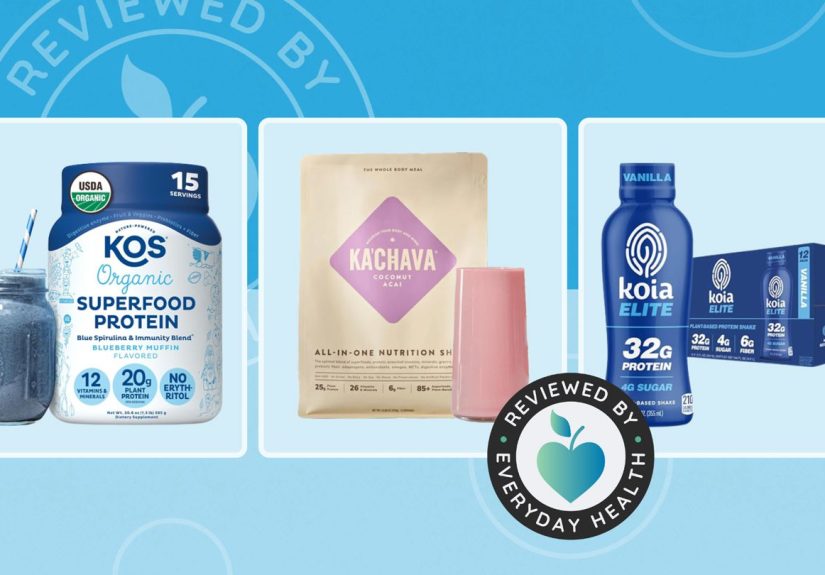
2. Ka’Chava Whole Body Meal: Best Nutrient-Dense Plant-Based Shake
Ka’Chava is popular because it feels less like a diet product and more like a smoothie with a passport full of superfoods. A serving typically contains about 240 calories, 25 grams of plant protein, fiber, healthy fats, and a large blend of plant-based ingredients. It is a strong pick for people who want a shake that feels substantial without being too heavy.
For weight loss, Ka’Chava works best as a breakfast replacement or controlled lunch base. Many users blend it with unsweetened almond milk, ice, or half a banana for a creamier texture. Just remember: adding peanut butter, honey, granola, and three bananas can turn a weight-loss shake into a milkshake wearing yoga pants.
3. OWYN High Protein Complete Nutrition Shake: Best Dairy-Free Ready-to-Drink Option
OWYN, short for “Only What You Need,” is a smart choice for people avoiding dairy, soy, gluten, or common allergens. Its High Protein Complete Nutrition Shake offers plant-based protein, essential vitamins and minerals, and convenient ready-to-drink packaging. It is especially helpful for busy mornings, travel days, or post-workout meals when cooking is not happening unless opening a fridge counts as meal prep.
For weight loss, OWYN’s biggest strength is convenience plus solid protein. It can help stop the classic cycle of skipping breakfast, getting ravenous, and then negotiating with a vending machine like it is a hostage situation. It is also a good option for people who want a cleaner, plant-based profile without dairy-based whey.
4. SlimFast High Protein Shake: Best Classic Weight-Loss Shake
SlimFast has been in the meal replacement game for decades, and the High Protein version is more aligned with modern weight-loss priorities than the old-school sugar-heavy diet drinks many people remember. It usually provides about 20 grams of protein, around 5 grams of fiber, vitamins and minerals, and relatively low sugar.
This is a good choice for people who want a simple, structured plan. SlimFast works best when used intentionally: one shake replacing one meal, paired with whole-food meals that include vegetables, lean protein, and healthy fats. It is not the fanciest shake on the shelf, but it is widely available, affordable, and easy to use consistentlywhich matters more than buying one expensive tub that becomes pantry decoration.
5. Premier Protein Shake: Best High-Protein, Low-Calorie Pick
Premier Protein is technically more of a protein shake than a full meal replacement, but it deserves a place on this list because it is practical, widely available, and very high in protein for the calories. Most flavors provide about 30 grams of protein and around 160 calories, with low sugar and added vitamins and minerals.
For weight loss, Premier Protein is best used as a light breakfast, snack replacement, or protein boosternot always as a full lunch. If you replace a full meal with it, consider pairing it with fruit, vegetables, or a small serving of nuts to add fiber and volume. Think of it as a strong protein foundation, not the whole house.
6. Soylent Complete Meal: Best Shelf-Stable Complete Meal
Soylent Complete Meal is designed as a true meal replacement, usually offering around 400 calories, 20 grams of protein, fats, carbohydrates, vitamins, minerals, and very low sugar. It is smooth, shelf-stable, and especially useful for people who hate powder mixing, blender cleaning, or any breakfast that requires more than opening a cap.
For weight loss, Soylent is helpful when you need a predictable meal that prevents impulsive eating. Because it is 400 calories, it may not fit every low-calorie plan, but it can work well as a controlled lunch. The key is not adding it on top of your regular meal. A meal replacement only works if it actually replaces a meal. Revolutionary, yes, but true.
7. Garden of Life Raw Organic Meal: Best Organic Powder
Garden of Life Raw Organic Meal is a plant-based powder with organic protein, probiotics, enzymes, fiber, and whole-food-style ingredients. It is a strong choice for people who prefer organic formulas and want more than a basic protein shake. Depending on flavor and serving size, it is often lower in calories than complete 400-calorie meals, making it flexible for breakfast or lighter meal replacement use.
For weight loss, this shake is useful because it can be customized. Mix it with water for fewer calories, or blend it with unsweetened milk and berries for a more satisfying meal. The texture can be earthy or grainy compared with bottled shakes, so it is best for people who do not mind a more “green smoothie” experience.
8. Orgain Organic Nutrition Shake: Best Gentle Everyday Shake
Orgain Organic Nutrition Shake is a friendly, approachable option for people who want something creamy, organic-leaning, and easy to drink. Many versions include around 16 grams of protein, vitamins and minerals, and a moderate calorie count. It is not always the highest-protein choice, but it is convenient and often easier on taste buds than more intense “fitness” shakes.
For weight loss, Orgain works well for people who need a manageable breakfast replacement or a better alternative to pastries, sweet coffee drinks, or skipped meals. If hunger returns quickly, pair it with a piece of fruit or choose a higher-protein version. Weight loss is easier when your lunch does not leave you staring at your coworker’s sandwich like it personally betrayed you.
9. Ensure Max Protein: Best for High Protein With Low Sugar
Ensure Max Protein is often associated with medical nutrition, but it can also be useful for adults who want a high-protein, low-sugar shake. A typical bottle provides about 30 grams of protein, roughly 150 calories, vitamins and minerals, and a small amount of fiber. It is convenient, smooth, and easy to find in many stores.
For weight loss, Ensure Max Protein is best for people who struggle to meet protein goals while keeping calories controlled. However, it is not a complete meal for everyone because the calorie count is relatively low. If you are using it as breakfast, you may want to add a high-fiber side such as berries, an apple, or chia pudding.
10. GNC Total Lean Lean Shake 25: Best Budget-Friendly Powder
GNC Total Lean Lean Shake 25 is designed specifically for weight management. It typically provides 25 grams of protein, fiber, and a range of vitamins and minerals in a relatively low-calorie serving. It comes in multiple flavors and is available as both powder and ready-to-drink bottles, making it flexible for home or travel.
For weight loss, this shake is useful because it hits the classic formula: high protein, decent fiber, controlled calories, and broad availability. The powder version is often more economical than ready-to-drink bottles. It is a good option for people who want a straightforward shake without paying premium “superfood” prices.
How to Use Meal Replacement Shakes Without Sabotaging Your Diet
Replace One Meal, Not Your Entire Life
Most people do best using one meal replacement shake per day, not replacing every meal indefinitely. Whole foods provide texture, variety, chewing satisfaction, antioxidants, and eating experiences that shakes cannot fully match. Your body may accept a chocolate shake for lunch, but your brain may still want dinner to involve a fork.
Add Fiber When Needed
If your shake has less than 3 to 5 grams of fiber, add berries, chia seeds, ground flaxseed, spinach, or a small apple on the side. Fiber helps fullness and supports digestive health. It also makes a shake feel like a meal instead of a beverage that disappeared suspiciously fast.
Watch Added Sugar
A good weight-loss shake should not be a sugar bomb. Look for low added sugar and avoid products where syrup, cane sugar, or sweeteners dominate the ingredient list. Sweetness is fine; dessert-level sweetness every day may make cravings louder.
Match the Shake to the Meal
A 150-calorie shake may be enough for a small snack or light breakfast, but it may not replace a real lunch for an active adult. A 400-calorie complete meal shake may be better for lunch, especially if it prevents afternoon snacking. The best shake is not always the lowest-calorie shake. It is the one that helps you stay consistent.
Who Should Be Careful With Meal Replacement Shakes?
Meal replacement shakes are not ideal for everyone. If you are pregnant, breastfeeding, managing diabetes, taking GLP-1 weight-loss medications, recovering from an eating disorder, dealing with kidney disease, or following a medically supervised diet, talk with a healthcare professional before making shakes a regular part of your routine. High-protein formulas, low-calorie plans, and fortified drinks can affect medication timing, blood sugar, digestion, and nutrient intake.
Also, check allergens carefully. Many shakes contain milk, soy, tree nuts, pea protein, artificial sweeteners, sugar alcohols, or thickening agents that may upset sensitive stomachs. The best meal replacement shake for weight loss should also be one your body can tolerate without launching a digestive protest.
Experience-Based Tips: What It Actually Feels Like to Use Meal Replacement Shakes for Weight Loss
The first thing most people notice when using meal replacement shakes is not dramatic weight loss. It is relief. There is something surprisingly calming about removing one food decision from the day. Breakfast becomes simple. Lunch becomes predictable. The mental math of calories, protein, portions, sauces, toppings, and “just one bite” gets quieter.
But the experience is not always perfect. Taste fatigue is real. Even a great chocolate shake can become boring if you drink it every single day like it is your assigned nutrition homework. Rotating flavors helps. So does changing the format: one day ready-to-drink, another day blended with ice, another day mixed with cold brew or unsweetened almond milk. Texture matters too. Some powders are smooth and creamy; others feel like they were blended with beach sand and optimism.
Another common experience is learning the difference between physical fullness and emotional satisfaction. A shake may provide enough protein and calories, but sometimes you still miss chewing. That does not mean the shake failed. It means you are human, not a blender attachment. Pairing a shake with crunchy vegetables, an apple, or a small handful of nuts can make the meal feel more complete.
People who succeed with meal replacement shakes usually use them strategically, not desperately. They choose the meal that causes the most trouble. For some, it is breakfast because mornings are chaos. For others, it is lunch because takeout becomes expensive and calorie-heavy. Some use shakes only on workdays and eat regular meals on weekends. This flexible approach often works better than strict rules.
The biggest mistake is treating shakes as punishment after overeating. That creates a restrict-and-rebound cycle. A better mindset is: “This shake helps me stay consistent today.” Weight loss is not built from one heroic salad or one perfect shake. It is built from repeatable choices that survive real life, bad traffic, late meetings, tired evenings, and the mysterious magnetic pull of pizza.
Another practical lesson: protein helps, but fiber decides whether you stay full. A low-fiber shake may taste great and still leave you hunting for snacks. Adding berries, chia seeds, spinach, or flax can improve fullness without adding too many calories. Hydration also matters, especially with higher-protein formulas. Drink water throughout the day, not just coffee and ambition.
Finally, the best shake is the one you will actually use. The “perfect” formula that tastes terrible will not beat the good formula you can drink happily three times a week. Weight loss is not a laboratory contest. It is a lifestyle negotiation. Choose a shake that fits your budget, digestion, taste preferences, and schedule. Then pair it with whole foods, movement, sleep, and patience. Boring? Maybe. Effective? Absolutely.
Conclusion
The best meal replacement shakes for weight loss are not magic potions, but they can be powerful tools when used wisely. Huel and Soylent offer complete, structured meals. Ka’Chava, Garden of Life, and Orgain appeal to plant-focused users. OWYN is excellent for dairy-free convenience. SlimFast, GNC Total Lean, Premier Protein, and Ensure Max Protein provide accessible, protein-forward options for different budgets and needs.
Choose a shake with enough protein, reasonable calories, low added sugar, and enough fiber to keep hunger from barging back in too soon. Use it to replace a meal, not to erase your appetite or avoid real food forever. The winning formula is simple: one smart shake, one balanced day, repeated often enough to matter.
Note: This article is for general informational purposes only and should not replace personalized medical or nutrition advice. Always check the current product label before buying, because formulas, calories, allergens, and nutrient amounts can change.