Table of Contents >> Show >> Hide
- What Are Gelatin Ice Cubes?
- Ingredients for Gelatin Ice Cubes
- How to Make Gelatin Ice Cubes: 13 Steps
- Step 1: Choose Your Flavor
- Step 2: Measure the Liquid
- Step 3: Bloom the Gelatin
- Step 4: Heat the Remaining Liquid
- Step 5: Add Sweetener, If Needed
- Step 6: Dissolve the Bloomed Gelatin
- Step 7: Strain for Extra Smooth Cubes
- Step 8: Prepare the Ice Cube Tray
- Step 9: Fill the Tray
- Step 10: Remove Surface Bubbles
- Step 11: Refrigerate Until Firm
- Step 12: Release the Cubes
- Step 13: Serve or Store
- Flavor Ideas for Gelatin Ice Cubes
- Important Tips for Better Gelatin Ice Cubes
- How to Use Gelatin Ice Cubes
- Troubleshooting Gelatin Ice Cubes
- Food Safety and Storage
- Experience Notes: What I Learned Making Gelatin Ice Cubes
- Conclusion
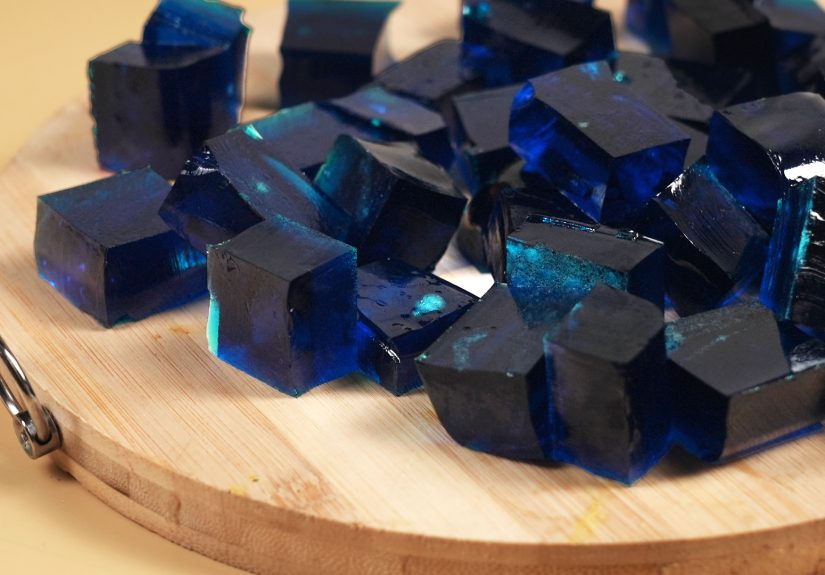
Gelatin ice cubes are the little party trick your freezer didn’t know it needed. They look like colorful ice cubes, wobble like tiny dessert trampolines, and can be used in drinks, snack cups, dessert platters, lunchbox treats, or themed party trays. Unlike regular ice, they do not melt into sad puddles of water. Instead, they hold their shape as chewy, jiggly, edible cubesbasically the fun cousin of Jell-O Jigglers.
The best part? Learning how to make gelatin ice cubes is simple. You need gelatin, liquid, a tray, and a little patience. The only “science lab” moment is blooming gelatin correctly, which simply means letting powdered gelatin hydrate in cold liquid before dissolving it in hot liquid. Skip that step, and you may end up with clumps that look like tiny kitchen meteors. Do it right, and you get smooth, firm, glossy cubes that pop right out of the mold.
This guide walks you through a reliable 13-step method, plus flavor ideas, troubleshooting tips, storage advice, and real kitchen experience so your first batch comes out cute instead of chaotic.
What Are Gelatin Ice Cubes?
Gelatin ice cubes are firm gelatin squares or molded cubes made in an ice cube tray. They are often used as edible decorations for punch bowls, mocktails, kids’ party drinks, fruit cups, dessert boards, and summer snacks. Despite the name, they are not the same as frozen water ice cubes. Some people chill them in the refrigerator only, while others briefly freeze them for a firmer, colder bite. For the best texture, refrigeration is usually better than long freezing because gelatin can become watery, cracked, or rubbery after freezing and thawing.
Think of them as “jelly cubes” rather than actual ice. They will not chill a pitcher as effectively as frozen water, but they will make it look ten times more festive. A glass of lemonade with strawberry gelatin cubes? Suddenly your kitchen is a café with better parking.
Ingredients for Gelatin Ice Cubes
Basic Firm Gelatin Cube Recipe
- 2 cups liquid total, divided
- 2 tablespoons unflavored powdered gelatin for firm cubes
- 1/4 to 1/3 cup sugar, honey, or maple syrup, optional
- 1 teaspoon lemon or lime juice, optional for brightness
- Food coloring, optional
- Cooking spray or neutral oil, very lightly applied
Best Liquids to Use
You can make gelatin ice cubes with fruit juice, lemonade, sweet tea, coconut water, flavored sports drinks, herbal tea, or a flavored gelatin dessert mix. For a cleaner, more grown-up flavor, try pomegranate juice, white grape juice, cranberry juice, hibiscus tea, or cucumber-lime water with a little sweetener. For kids, berry juice, orange juice, fruit punch, and lemonade are easy winners.
Tools You Need
- Ice cube tray or silicone cube mold
- Small bowl for blooming gelatin
- Heat-safe measuring cup or saucepan
- Whisk or spoon
- Fine-mesh strainer, optional but helpful
- Rimmed baking sheet for moving trays safely
How to Make Gelatin Ice Cubes: 13 Steps
Step 1: Choose Your Flavor
Start with a liquid that already tastes good cold. Gelatin does not magically rescue bland juice. If the liquid tastes flat now, it will taste flat laterjust wobblier. Good beginner choices include cranberry juice, lemonade, apple juice, fruit punch, and sweetened iced tea. If you want clear or pale cubes, use white grape juice, coconut water, or lightly sweetened lemon water.
Step 2: Measure the Liquid
Use 2 cups of liquid total. Divide it into 1/2 cup cold liquid and 1 1/2 cups hot liquid. The cold portion hydrates the gelatin, while the hot portion dissolves it. This balance creates a firm cube that can be picked up with fingers, dropped into a glass, or served on a dessert tray without collapsing like a tiny fruit-flavored sofa.
Step 3: Bloom the Gelatin
Pour 1/2 cup cold liquid into a bowl. Sprinkle 2 tablespoons of powdered gelatin evenly over the surface. Do not dump it in one mountain. A gelatin mountain often hydrates on the outside while staying dry in the center, which causes lumps. Let it sit for 5 to 10 minutes until it looks thick, wrinkly, and sponge-like.
Step 4: Heat the Remaining Liquid
Warm the remaining 1 1/2 cups of liquid until steaming hot but not violently boiling. You can use a saucepan or microwave-safe measuring cup. Hot liquid helps dissolve the bloomed gelatin fully. Avoid prolonged boiling after gelatin is added because high heat can weaken the final set.
Step 5: Add Sweetener, If Needed
Taste your liquid before combining everything. Some juices are sweet enough, while unsweetened tea or lemon water may need sugar, honey, or maple syrup. Add sweetener to the hot liquid so it dissolves smoothly. If you are making cubes for drinks, slightly bold flavor is helpful because the cubes will be eaten cold, and cold temperatures can make sweetness taste softer.
Step 6: Dissolve the Bloomed Gelatin
Add the bloomed gelatin to the hot liquid. Whisk slowly until the mixture is completely smooth. Check the spoon or whisk: if you see sticky granules clinging to it, keep stirring. Fully dissolved gelatin is the difference between glossy cubes and cubes with mysterious chewy specks.
Step 7: Strain for Extra Smooth Cubes
This step is optional, but it is worth doing if you want party-ready gelatin ice cubes. Pour the mixture through a fine-mesh strainer into a measuring cup with a spout. Straining catches any stubborn bits of gelatin, fruit pulp, or undissolved sweetener. It also makes pouring into tiny tray compartments much less dramatic.
Step 8: Prepare the Ice Cube Tray
Lightly coat the ice cube tray with cooking spray or a thin swipe of neutral oil, then wipe away the excess with a paper towel. You do not want oily cubes; you want just enough slip to help release them later. Silicone molds usually release more easily than rigid plastic trays, but both can work.
Step 9: Fill the Tray
Pour the gelatin mixture into the tray compartments. Leave a tiny bit of space at the top of each cube cavity so the tray is easier to move. Set the tray on a rimmed baking sheet before filling if your mold is flexible. This prevents the classic walk-to-the-fridge wobble disaster, also known as “why is there cherry gelatin on the dog?”
Step 10: Remove Surface Bubbles
If bubbles collect on top, gently pop them with a toothpick or skim them with a spoon. Bubbles are harmless, but removing them gives the cubes a cleaner, glassier look. For layered or clear gelatin ice cubes, this little detail makes a big visual difference.
Step 11: Refrigerate Until Firm
Place the tray in the refrigerator for at least 3 hours, or until the cubes are fully firm. Larger molds may need 4 to 6 hours. For the best texture, chill overnight. Gelatin continues to strengthen as it rests, so patience pays off. Opening the fridge every ten minutes to poke them does not make them set faster, although it does provide entertainment.
Step 12: Release the Cubes
To remove gelatin cubes from a rigid tray, dip the bottom of the tray in warm water for about 10 to 15 seconds. Do not submerge the tops. Run a thin knife or small offset spatula around the edge if needed, then gently lift the cubes out. For silicone molds, press from the bottom and peel the mold away from the gelatin.
Step 13: Serve or Store
Serve the gelatin ice cubes in chilled drinks, fruit bowls, dessert cups, or on a platter. If you are not serving them right away, store them in an airtight container in the refrigerator. Keep them cold until serving, especially if your kitchen is warm or the cubes contain juice, dairy, or other perishable ingredients.
Flavor Ideas for Gelatin Ice Cubes
Fruit Punch Party Cubes
Use fruit punch or cranberry-apple juice. Add a few drops of red food coloring for a bold party look. These cubes are great in lemonade, sparkling water, or a bowl of punch.
Lemonade Gelatin Cubes
Use homemade or store-bought lemonade. Add extra lemon zest for fragrance, but strain it out before pouring if you want smooth cubes. These taste bright, sunny, and picnic-ready.
Rainbow Gelatin Cubes
Make several small batches in different colors. Chill each color separately, then serve the cubes together. This is perfect for birthdays, school parties, Pride events, or any day that needs less beige.
Herbal Tea Cubes
Steep hibiscus, mint, chamomile, or berry herbal tea, then sweeten it lightly. Tea-based gelatin cubes are refreshing and less sugary than many juice versions.
Coconut-Lime Cubes
Use coconut water with lime juice and a little honey. These cubes look lovely in tropical drinks and taste clean, light, and beachyeven if your “beach” is actually your kitchen sink.
Important Tips for Better Gelatin Ice Cubes
Use Enough Gelatin
For firm cubes, use about 2 tablespoons powdered gelatin for 2 cups liquid. If you want softer cubes, reduce the gelatin slightly. If you want extra-firm cubes for handling, molds, or outdoor serving, increase it a little. Too much gelatin can become rubbery, so do not turn the recipe into edible bouncy balls unless that is your brand.
Avoid Fresh Pineapple, Kiwi, Papaya, and Mango
Some fresh tropical fruits contain enzymes that can interfere with gelatin setting. Fresh pineapple is the famous troublemaker because it contains bromelain, a protein-digesting enzyme. If you want pineapple flavor, use canned pineapple juice or heat the fresh juice first to deactivate the enzyme.
Be Careful With Alcohol
Alcohol can weaken gelatin’s structure, especially in higher amounts. If making adult gelatin cubes, keep the alcohol modest and use a slightly higher gelatin ratio. Also label them clearly and keep them away from children. A cute cube should never become a surprise cube.
Do Not Freeze for Too Long
You can briefly freeze gelatin cubes if you want them extra cold, but long freezing may damage the texture. Gelatin can separate, crack, or release water after thawing. For glossy, jiggly cubes, the refrigerator is usually the better home.
How to Use Gelatin Ice Cubes
Gelatin ice cubes are fun in clear drinks because their color shows beautifully. Try them in sparkling water, lemonade, iced tea, fruit punch, or mocktails. They also work in dessert cups with whipped cream, berries, pudding, or yogurt. For kids’ parties, place several colors in small clear cups and top with whipped topping and sprinkles. For summer gatherings, serve them in a chilled bowl with fruit skewers.
If you want them to behave more like edible decorations than drink chillers, add them to glasses right before serving. They will soften over time, especially in acidic or warm drinks. In a hot beverage, they will melt quickly, so save them for cold drinks unless you enjoy watching your hard work disappear like a magician with stage fright.
Troubleshooting Gelatin Ice Cubes
Why Are My Gelatin Cubes Watery?
Watery cubes usually mean the gelatin ratio was too low, the cubes were frozen and thawed, or the liquid included ingredients that interfered with setting. Use more gelatin next time and avoid long freezer storage.
Why Are My Cubes Rubbery?
Rubbery cubes usually contain too much gelatin or not enough liquid. Reduce the gelatin slightly in the next batch. A firm cube should be chewy and clean-cut, not something you could use to patch a bicycle tire.
Why Did the Gelatin Clump?
Clumps happen when gelatin is added directly to hot liquid or dumped into cold liquid in a pile. Sprinkle it evenly over cold liquid and let it bloom before adding heat.
Why Won’t the Cubes Come Out of the Tray?
Dip the bottom of the tray in warm water for 10 to 15 seconds, then loosen the edges. Next time, lightly grease the tray or use silicone molds.
Why Are My Cubes Cloudy?
Cloudiness can come from bubbles, pulp, dairy, or undissolved gelatin. Strain the mixture, skim bubbles, and use clear juice or tea if you want a jewel-like look.
Food Safety and Storage
Store gelatin ice cubes in the refrigerator at 40°F or below. Keep them in an airtight container so they do not absorb refrigerator odors. Nobody wants raspberry cubes with a hint of leftover onion.
For best quality, enjoy homemade gelatin cubes within 3 to 5 days. If they contain dairy, fresh fruit, or other perishable ingredients, use them sooner. Do not leave them at room temperature for more than 2 hours, or more than 1 hour if the room is very hot. When in doubt, throw them out. Food safety may not be glamorous, but neither is explaining to your guests why the dessert fought back.
Experience Notes: What I Learned Making Gelatin Ice Cubes
The first thing you learn when making gelatin ice cubes is that the tray matters more than you expect. A silicone ice cube mold is much easier than a stiff plastic tray, especially if the cubes are small or decorative. Plastic works, but it needs a light coating of oil and a quick warm-water dip. Silicone lets you press each cube out gently, which feels oddly satisfying, like popping bubble wrap that you can eat.
The second lesson is that flavor should be stronger than you think. A juice that tastes perfectly sweet at room temperature can taste mild once chilled and gelled. I like to add a squeeze of lemon or lime to fruit juice because it makes the flavor brighter. Cranberry juice makes beautiful red cubes, but it may need a touch of sweetener. White grape juice creates pretty translucent cubes, although it benefits from citrus. Lemonade is the reliable friend of the group: cheerful, easy, and hard to mess up.
Another useful experience is to fill the trays on a baking sheet. Flexible molds are wonderful until you pick one up and it flops like a sleepy fish. A rimmed baking sheet gives support and saves you from gelatin spills. It also makes it easy to move several trays in and out of the refrigerator. If you are making cubes for a party, this one habit can protect your fridge shelves, your floor, and your mood.
Layered cubes are fun, but they require patience. Pour one thin layer, chill it until just firm, then add the next layer. If the first layer is too soft, colors blend. If it is too cold and fully set, the layers may separate when unmolded. The sweet spot is firm enough to hold but slightly tacky on top. It sounds fussy, but after one batch you get the feel for it.
I also learned that freezing is not always your friend. The phrase “gelatin ice cubes” makes it tempting to throw them into the freezer for hours. They will get colder, yes, but they may also lose their smooth bounce after thawing. Refrigerated cubes have the best glossy, jiggly texture. If you want a colder effect, chill the serving glasses and drinks instead, then add the gelatin cubes right before serving.
For presentation, clear cups and clear drinks show off the cubes best. Red cubes in lemonade, blue cubes in sparkling water, and green lime cubes in iced tea all look festive. Add fruit slices, mint, or a fancy straw, and suddenly a simple drink looks planned. Nobody needs to know the recipe took less effort than folding a fitted sheet.
The final lesson is to make more than you think you need. Gelatin ice cubes disappear quickly because people like poking them, tasting them, and asking, “Wait, are these edible?” They are playful, inexpensive, and easy to customize. Once you understand the basic ratio and technique, you can turn almost any flavorful liquid into a tray of jiggly little gems.
Conclusion
Making gelatin ice cubes is a simple kitchen project with a big visual payoff. The key is to bloom the gelatin in cold liquid, dissolve it completely in hot liquid, pour it into lightly prepared trays, and refrigerate until firm. From lemonade cubes to rainbow party cubes, the recipe is flexible, affordable, and fun for both kids and adults.
Use enough gelatin for a firm texture, avoid enzyme-rich fresh fruits unless cooked, and store the finished cubes safely in the refrigerator. Whether you drop them into sparkling water, decorate dessert cups, or serve them at a summer party, gelatin ice cubes bring color, wobble, and a little edible drama to the tablein the best possible way.