Table of Contents >> Show >> Hide
- What Is a Patty Melt, Exactly?
- Why This Is the Best Patty Melt Recipe
- Ingredients for the Best Patty Melt
- How to Make a Patty Melt Step by Step
- Patty Melt Tips That Actually Matter
- Common Patty Melt Mistakes to Avoid
- Easy Variations on the Classic Patty Melt
- What to Serve with a Patty Melt
- How to Store and Reheat
- Why This Sandwich Keeps Winning People Over
- Real Kitchen Experiences: What Making Patty Melts Teaches You
- Conclusion
If a cheeseburger and a grilled cheese ever had a delicious diner baby, it would be the patty melt. This classic sandwich is rich, crispy, beefy, cheesy, and gloriously messy in the most respectable way possible. A truly great patty melt is not just a burger on toast. It is a carefully stacked situation: buttery bread, thin beef patties, deeply caramelized onions, and melted cheese that practically hugs the meat. If your goal is the best patty melt recipe, you are in the right place.
In this guide, you will learn how to make a patty melt that tastes like it came from a terrific old-school diner, only better because you control the cheese, the onions, and the amount of dramatic crunch. We will cover ingredients, step-by-step instructions, common mistakes, variations, serving ideas, and a few real-life lessons from the skillet. Spoiler: patience with onions is not optional. Neither is cheese generosity.
What Is a Patty Melt, Exactly?
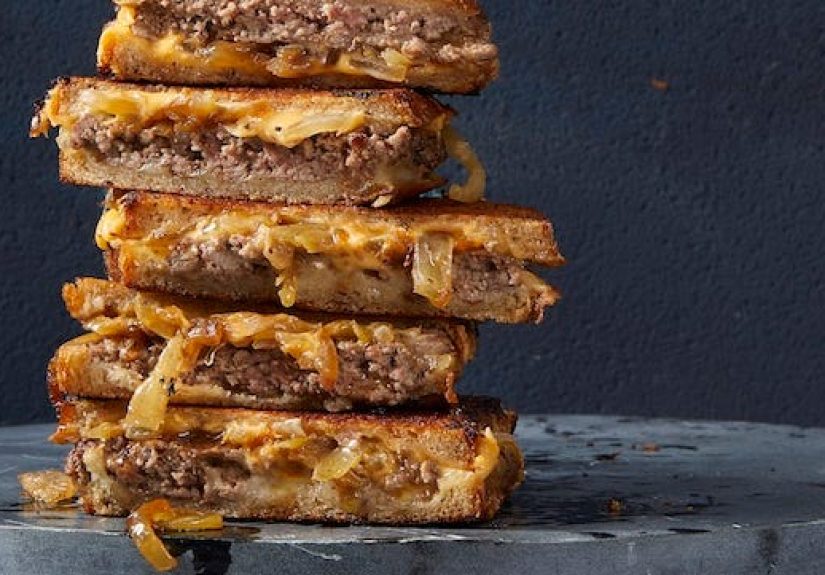
A classic patty melt lives somewhere between a burger and a grilled cheese sandwich. Instead of a soft bun, it uses sliced bread, most often rye. Instead of thick burger patties, it uses thinner beef patties shaped to fit the bread. Instead of raw onion and quick toppings, it leans into slow-cooked onions and gooey cheese for maximum comfort-food charm.
The magic comes from contrast. You get crisp bread on the outside, juicy beef in the middle, sweet-savory onions layered throughout, and cheese that pulls all the flavors together. It is the kind of sandwich that makes you pause after the first bite and quietly reconsider every burger you have eaten lately.
Why This Is the Best Patty Melt Recipe
The best version gets the fundamentals right. It uses bread that can toast beautifully without falling apart, beef with enough fat to stay juicy, onions cooked until soft and jammy, and cheese with excellent meltability. It also respects heat control. Too hot, and the bread burns before the cheese melts. Too low, and the sandwich turns pale and sad. We are aiming for golden, crisp, and deeply melty.
This recipe keeps things classic but smart. It uses rye bread for flavor, Swiss for tradition, and a little American cheese for superior melt. That combo gives you diner-style taste with just enough extra gooeyness to make the sandwich memorable. Consider it a respectful upgrade, not a hostile takeover.
Ingredients for the Best Patty Melt
For the onions
- 2 large yellow onions, thinly sliced
- 2 tablespoons butter
- 1 teaspoon olive oil
- 1/2 teaspoon kosher salt
- 1 teaspoon Worcestershire sauce
- 1 teaspoon apple cider vinegar
- 1 to 2 tablespoons water, as needed
For the patties
- 1 pound 80/20 ground chuck
- 1 teaspoon kosher salt
- 1/2 teaspoon black pepper
- 1/2 teaspoon onion powder
- 1 teaspoon Worcestershire sauce
For the sandwiches
- 8 slices rye bread
- 4 slices Swiss cheese
- 4 slices American cheese
- 3 to 4 tablespoons softened butter
- Optional: 2 teaspoons Dijon mustard or burger sauce
That ingredient list keeps the sandwich rooted in tradition while making sure it actually melts like a dream. Rye gives the sandwich its signature personality. Swiss brings nutty flavor. American melts like it was born for this assignment. The onions contribute sweetness and depth. The ground chuck does the heavy lifting without needing a long speech.
How to Make a Patty Melt Step by Step
1. Caramelize the onions
Heat the butter and olive oil in a large skillet over medium to medium-low heat. Add the sliced onions and salt, then cook slowly, stirring every few minutes. After about 10 minutes, add the Worcestershire sauce and apple cider vinegar. Keep cooking until the onions are soft, golden brown, and deeply flavorful, about 20 to 30 minutes total.
If the skillet gets too dry or the onions start sticking too aggressively, add a tablespoon of water and scrape up the browned bits. That little move builds flavor and helps the onions turn silky instead of scorched. When done, transfer them to a bowl.
2. Shape the patties
In a bowl, gently combine the ground chuck with salt, pepper, onion powder, and Worcestershire sauce. Divide into 4 equal portions and shape each into a thin rectangle or oval roughly matching the size of your bread. Make them slightly larger than the bread because they will shrink during cooking. Thin patties are key for a good diner-style patty melt. This is not the moment for a thick pub burger.
3. Cook the beef
Wipe out the skillet if needed and heat it over medium-high heat. Cook the patties for about 2 to 3 minutes per side, or until well browned and just cooked through. You want a little crust but not hockey pucks. Remove the patties and let them rest for a minute.
4. Build the sandwiches
Butter one side of each slice of rye bread. On the unbuttered side of 4 slices, layer one slice of Swiss cheese, one beef patty, a generous mound of caramelized onions, and one slice of American cheese. Add a thin swipe of Dijon if you like a little tang. Top with the remaining bread slices, buttered side facing out.
5. Griddle until crisp and melty
Place the sandwiches in a skillet or on a griddle over medium to medium-low heat. Cook for 3 to 5 minutes per side, pressing lightly with a spatula, until the bread is deep golden brown and the cheese is fully melted. Do not rush this step. The bread should crisp slowly while the middle turns molten and glorious.
6. Rest briefly, then slice
Give each sandwich a minute before cutting. This tiny pause helps the cheese settle slightly instead of making a dramatic escape across your cutting board. Slice in half and serve hot.
Patty Melt Tips That Actually Matter
Use the right beef
Choose 80/20 ground chuck for the best balance of flavor and juiciness. Leaner beef can work, but it tends to make the patties drier, and a dry patty melt is a culinary heartbreak.
Do not rush the onions
Caramelized onions are not a decorative extra. They are a major flavor pillar. If you cook them too fast, they may brown, but they will not develop the sweetness and softness that make a homemade patty melt unforgettable.
Shape the meat to the bread
This sounds fussy, but it is practical. Shaping the patties to fit the bread means every bite gets beef, cheese, onion, and toast. No weird corner-only bread bites. No meat hanging off the sides like it missed the memo.
Mix cheeses for better flavor and melt
Swiss is classic, but adding American makes the texture silkier. You can absolutely go full Swiss, but the blend gives you the best of both worlds: diner flavor and serious melt power.
Keep the heat moderate
A patty melt is not a race. Medium or medium-low heat gives the bread time to toast evenly while the cheese melts properly. High heat creates a sandwich that looks done and tastes disappointed.
Common Patty Melt Mistakes to Avoid
Mistake one: using thick bread that never crisps before the center overheats. Stick with sturdy but not massive rye slices.
Mistake two: making thick patties. A patty melt should be stackable and easy to bite. Thick patties turn the sandwich into a wrestling match.
Mistake three: under-seasoning the beef. There are not many ingredients here, so each one needs proper seasoning.
Mistake four: skimping on the onions. This sandwich loves onions. Let it live its truth.
Mistake five: slicing immediately. Resting for a minute keeps things neat enough that you can actually admire your work before devouring it.
Easy Variations on the Classic Patty Melt
Cheddar patty melt
Swap the Swiss for sharp cheddar if you want a bolder flavor. The sandwich becomes punchier and a little more burger-like.
Sourdough patty melt
Not a rye fan? Use sourdough. It gives you excellent crispness and a gentler flavor, though the result is less traditional.
Patty melt with secret sauce
Mix mayonnaise, ketchup, mustard, and a little pickle relish for a quick spread. Add a thin layer to the bread for a diner-meets-drive-thru moment.
Mushroom patty melt
Add sautéed mushrooms with the onions for extra savory depth. This version tastes especially cozy on a rainy night.
Turkey or veggie melt
You can make the same sandwich structure with ground turkey or a veggie patty, but the onions, bread, and cheese remain the heart of the experience.
What to Serve with a Patty Melt
The best side dishes lean classic. Think crispy fries, kettle chips, dill pickles, coleslaw, onion rings, or a sharp little side salad to cut the richness. Tomato soup is also a winner if you want to double down on comfort. For drinks, iced tea, cola, beer, or a chocolate shake all make perfect sense, depending on how diner you want the evening to feel.
How to Store and Reheat
Patty melts are best eaten fresh, but leftovers can survive if you treat them kindly. Wrap the cooled sandwich and refrigerate for up to 2 days. Reheat in a skillet over medium-low heat until warmed through and crisp again. Avoid the microwave unless your goal is soft bread and emotional regret.
You can also make the onions ahead of time. Store them in the refrigerator for several days and use them whenever a sandwich emergency strikes. That is called planning ahead, and it feels weirdly powerful.
Why This Sandwich Keeps Winning People Over
The beauty of the best patty melt recipe is that it feels familiar while still a little special. It is not fancy food, but it is thoughtful food. Every element pulls its weight. The bread offers crunch, the beef brings savoriness, the onions add sweetness and depth, and the cheese creates that comforting, stretchy middle layer everyone hopes for.
It is also one of those meals that makes home cooks look more impressive than the effort might suggest. Put a patty melt on a plate with a pickle spear and some chips, and suddenly the kitchen feels like a cozy diner with better music and fewer sticky menus.
Real Kitchen Experiences: What Making Patty Melts Teaches You
The first time I made a patty melt at home, I treated it like a grilled cheeseburger and rushed the process. Big mistake. The bread browned too quickly, the cheese stayed stubborn in the middle, and the onions were merely sautéed, not caramelized. It was still edible, because butter and beef rarely file formal complaints, but it was not the sandwich I had imagined. That first attempt taught me the most important patty melt lesson: this sandwich rewards patience far more than bravado.
On the next round, I slowed way down. I let the onions cook until they turned soft, bronze, and jammy. I shaped the patties to match the bread instead of making them round out of habit. I cooked the sandwiches over moderate heat and watched the cheese relax into every corner. The difference was immediate. The sandwich felt balanced. Every bite had crunch, beef, onion, and melt. No runaway patty, no burnt bread, no cheese that had the texture of a stern life choice.
Another thing you notice when making patty melts regularly is how personal they become. Some people swear by all Swiss. Others argue that American cheese is essential because it melts more smoothly. Some want a smear of mustard. Others prefer burger sauce. I have tried them several ways, and the best answer is this: the classic formula matters, but small adjustments can absolutely make the sandwich feel like your own. That is part of the fun.
There is also something deeply satisfying about the onion stage. At first it seems annoyingly slow. Then the onions start changing. They soften, deepen in color, and smell like they are planning something wonderful. That moment is the soul of the sandwich. Once you get good at onions, your patty melts become dramatically better. Funny enough, that skill also spills over into other dishes, so one sandwich can accidentally improve your whole cooking game.
I have also learned that bread matters more than most people think. Cheap, flimsy slices can collapse under the fillings or toast unevenly. A good rye with structure gives you that ideal crispy edge and enough backbone to support the juicy center. When the bread is right, the whole sandwich feels intentional. When the bread is wrong, everything turns floppy and a little tragic.
Serving patty melts to other people is its own experience. They have a way of making dinner feel casual and exciting at the same time. You bring a platter to the table, everyone hears the crunch when the sandwiches are cut, and suddenly nobody is in a hurry to check a phone or wander off. People sit down. They lean in. They start talking about diners, road trips, grilled cheese memories, favorite burger toppings, and whether pickles belong on the plate or in the sandwich. In a world full of rushed meals, that is no small thing.
So yes, a patty melt is just a sandwich. But it is also a reminder that simple food can feel luxurious when you get the details right. A little patience, decent bread, good onions, proper heat, and enough cheese to make you smile like you know exactly what you are doing. That is the real patty melt experience, and honestly, it is deliciously hard to beat.