Table of Contents >> Show >> Hide
- What Are White Ironstone Butter Pats?
- A Brief History of Ironstone China
- Why Butter Pats Became a Table Setting Essential
- Why Collectors Love White Ironstone Butter Pats
- How to Identify White Ironstone Butter Pats
- What Makes a White Ironstone Butter Pat Valuable?
- How to Use White Ironstone Butter Pats Today
- Care, Cleaning, and Safety Tips
- Where to Find White Ironstone Butter Pats
- Buying Checklist for Beginners
- Experience Notes: Living With White Ironstone Butter Pats
- Final Thoughts on White Ironstone Butter Pats
White ironstone butter pats are the tiny tableware pieces that make collectors stop mid-scroll, antique dealers reach for the good lighting, and farmhouse decorators whisper, “I definitely need twelve of those.” At first glance, they look like miniature platestoo small for a sandwich, too elegant for a spoon rest, and far too charming to ignore. But these little dishes once had a very specific job: holding individual servings of butter at the table.
In the Victorian and Edwardian dining world, butter did not simply arrive in a wrapper and hope for the best. It was served with manners, style, and sometimes its own personal plate. That small white dish near the bread plate? That was the butter pat, a quiet hero of formal table settings. Today, white ironstone butter pats have moved from dining necessity to collectible treasure, appreciated for their creamy color, sturdy feel, sculptural rims, and ability to make even a kitchen shelf look like it inherited a country estate.
This guide explores what white ironstone butter pats are, why collectors love them, how to identify authentic pieces, how to style them, and what to know before buying or using them. Warning: by the end, you may start checking every thrift-store saucer with the intensity of a detective in a cable drama.
What Are White Ironstone Butter Pats?
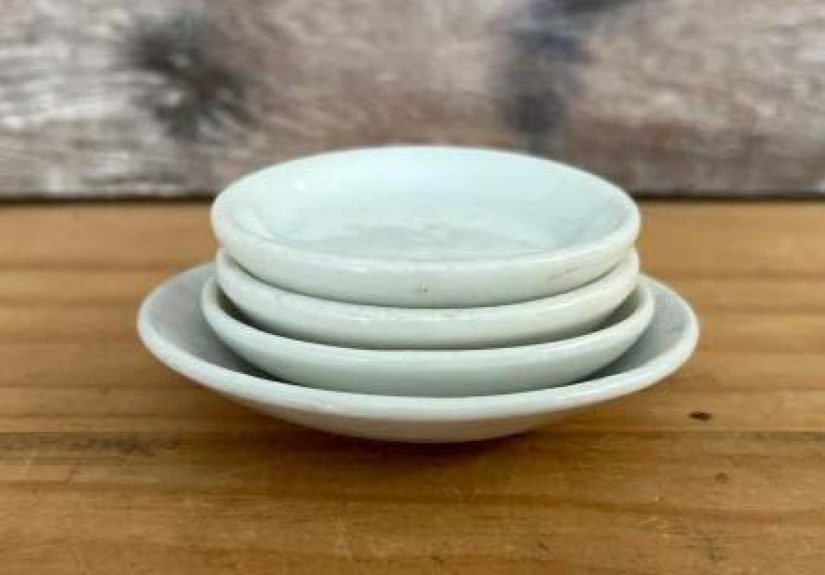
White ironstone butter pats are small ceramic dishes, usually around two to four inches wide, designed to hold a single serving of butter. They were commonly included in formal dinnerware services during the 19th and early 20th centuries, when table settings often included specialized pieces for nearly everything: salts, relishes, bone dishes, berry bowls, sauce boats, and yes, butter’s own tiny stage.
The word “pat” can refer to a small shaped portion of butter, but collectors often use “butter pat” to describe the dish itself. In practice, these pieces acted like individual butter plates. Instead of everyone digging into one communal butter dish, each guest could have a neat portion beside their place setting. It was cleaner, tidier, and much more civilized than chasing a slippery cube of butter across a dinner plate like it owed you money.
White ironstone examples are especially loved because they combine utility with visual simplicity. Their white or creamy glaze works with nearly any table, from formal antique china to modern farmhouse decor. Some are round, some are square, some have scalloped rims, and others show embossed wheat, grape, leaf, shell, or paneled designs. A single butter pat may look modest, but a stack of mismatched white ironstone pats has the decorative confidence of a tiny porcelain choir.
A Brief History of Ironstone China
Ironstone china developed in England in the early 19th century as potters searched for a durable, attractive alternative to expensive porcelain. Staffordshire potters became especially important in its production, and Charles James Mason’s “Patent Ironstone China,” introduced in 1813, helped establish the name. Despite the muscular word “ironstone,” the material is not made of iron and stone in the literal sense. The name was partly a marketing flex, suggesting strength, durability, and a practical toughness that appealed to busy households.
By the mid-19th century, white ironstone became extremely popular in the American market. British potteries exported large quantities of undecorated white ware, often called white granite, graniteware, or white ironstone. Its appeal was easy to understand: it looked clean, felt substantial, resisted everyday wear better than delicate porcelain, and could be produced in a wide variety of shapes. American tables embraced it, and later American potteries also produced their own versions.
White ironstone was not just for grand serving pieces. It appeared as pitchers, platters, tureens, plates, cups, soap dishes, toothbrush holders, chamber sets, and small specialty items like butter pats. That range is one reason collectors enjoy it so much. You can collect by shape, maker, body style, use, rim pattern, or simply by the pieces that make your heart say, “Yes, that one. The tiny one with the chubby scallops.”
Why Butter Pats Became a Table Setting Essential
Victorian dining loved order. A formal place setting could include multiple plates, specialized utensils, and glasses for different beverages. Butter pats fit into this world beautifully. They offered an individual serving piece for butter, especially when bread, rolls, biscuits, or muffins were part of the meal.
Before refrigeration became standard in every household, butter was often shaped, molded, cooled, and served with more ceremony than we give it today. In wealthier homes, hotels, railway dining rooms, and formal restaurants, small dishes kept each portion neat. Butter pats could match the full dinner service or be purchased separately. Some hotel and restaurant butter pats even carried logos or custom designs, making them collectible in their own right.
As dining habits simplified during the 20th century, butter pats gradually disappeared from everyday place settings. Bread-and-butter plates became more common, casual dining took over, and fewer households wanted a different dish for every bite of the meal. The butter pat became one of those tableware pieces that modern guests often mistake for a toy plate, a doll dish, or a saucer that lost a growth competition.
Why Collectors Love White Ironstone Butter Pats
White ironstone butter pats have several advantages for collectors. First, they are small. Unlike a massive soup tureen, they do not demand a reinforced shelf or a family meeting about cabinet space. Second, they are usually more affordable than large rare ironstone pieces. Third, they offer huge variety in shape and detail while still creating a cohesive collection because the color palette stays calm and creamy.
Collectors also love the tactile quality of ironstone. A good butter pat feels heavier than expected for its size. The glaze may show soft crazing, a warm ivory cast, or slight pooling around embossed details. These signs can add character, although condition still matters. Chips, cracks, heavy staining, and repairs usually reduce value, while rare forms, crisp molding, maker marks, and clean surfaces can make a piece more desirable.
The Charm of Mismatched Sets
Matching sets are wonderful, but mismatched white ironstone butter pats have their own magic. A round wheat-pattern pat beside a square paneled pat creates depth and texture. Add one with a scalloped rim and another with a faint maker’s mark, and suddenly your collection tells a story. It feels gathered, not staged. That is the secret sauce of antique decorating: it should look collected over time, not purchased during a panic at 11:47 p.m.
Farmhouse Style Without the Cliché
White ironstone is often associated with farmhouse decor, but butter pats keep the look refined rather than overdone. Their scale makes them perfect for small displays. Stack them in a glass-front cabinet, line them on a narrow shelf, or use one as a ring dish beside the sink. They bring in the farmhouse feeling without requiring a giant sign that says “Gather,” because the butter pats are already gathering quietly by themselves.
How to Identify White Ironstone Butter Pats
Identifying white ironstone butter pats takes a mix of observation, research, and common sense. Many pieces are unmarked, especially small utilitarian forms. Others may carry impressed, printed, or stamped maker marks. Look at the back or underside for words such as “ironstone,” “white granite,” “stone china,” “semi-porcelain,” “England,” or the name of a pottery. Marks can help date a piece, but they are not the only clue.
Authentic ironstone usually feels dense and substantial. It is generally opaque rather than translucent. Hold it up to strong light; porcelain may glow slightly, while ironstone usually does not. The glaze may be white, off-white, bluish-white, or creamy depending on maker, age, and wear. Older pieces may show crazing, which appears as fine crackle lines in the glaze. Crazing is common in antique ceramics, but deep staining or open cracks should be examined carefully.
Common Shapes and Details
White ironstone butter pats may be round, oval, square, octagonal, or scalloped. Some have flat rims, while others have raised borders. Embossed designs are especially appealing. Wheat, grapes, leaves, shell shapes, rope edges, and paneled borders appear often in white ironstone tableware. The best examples have crisp molded detail, balanced proportions, and a pleasing weight in the hand.
Marked vs. Unmarked Pieces
A maker mark can increase confidence, but an unmarked butter pat is not automatically a fake or a reproduction. Small pieces were often left unmarked, and marks can wear down or be hidden under glaze. Instead of relying on one clue, evaluate the whole object: material, weight, glaze, shape, wear pattern, design style, and provenance. When in doubt, compare it with examples from collector references, reputable antique dealers, museum collections, and established white ironstone groups.
What Makes a White Ironstone Butter Pat Valuable?
Value depends on condition, rarity, age, maker, pattern, and current demand. A common unmarked butter pat with minor wear may be inexpensive, while a rare shape, strong maker mark, unusual body style, or clean matching set can command more attention. In general, collectors pay more for pieces that are free from chips, hairline cracks, heavy discoloration, or obvious repairs.
That said, perfection is not the only path to charm. Some collectors enjoy crazing and age marks because they make the piece feel authentic and lived-in. Others want only bright, clean, near-pristine examples. Both approaches are valid. The important thing is to know what you are buying and price it accordingly. A stained butter pat can still be beautiful as decor, but it should not be priced like a museum-grade survivor unless it is secretly bringing tea to the curator.
How to Use White Ironstone Butter Pats Today
One reason these pieces remain popular is that they are surprisingly useful. Yes, they can still hold butter for a special brunch, but their modern uses go far beyond the dining table. A white ironstone butter pat can hold rings, earrings, flaky salt, lemon wedges, wrapped candies, tea bags, paper clips, tiny soaps, or a single perfect macaron that deserves architectural framing.
In the kitchen, a stack of butter pats adds texture to an open shelf. On a dining table, they can serve condiments, herb butter, jam portions, or small appetizers. On a vanity, they become delicate trays for jewelry. In a craft room, they can corral beads, buttons, or pins. Their neutral color lets them blend into cottage, traditional, French country, modern farmhouse, coastal, and even minimalist interiors.
Styling Ideas That Actually Work
For a simple display, place three to seven butter pats in a shallow ironstone bowl or on a small tray. Mixing sizes and rim shapes creates interest without visual clutter. If you have a glass cabinet, stack them beside a small creamer or pitcher. The scale contrast makes both pieces look better. For seasonal decorating, use them under tiny ornaments, spring blossoms, dried orange slices, or handwritten place cards.
If you host dinners, try using one butter pat at each place setting as a salt dish or bread plate accent. It adds a subtle historical detail without making guests feel they need an etiquette manual and a fainting couch.
Care, Cleaning, and Safety Tips
Antique white ironstone should be handled gently. Handwashing is best. Avoid dishwashers, microwaves, ovens, harsh scrubbers, and bleach. Sudden temperature changes can stress old ceramic bodies and glazes. If a piece has crazing, cracks, or staining, avoid soaking it for long periods because moisture can enter the ceramic body beneath the glaze.
Food use requires caution. Antique ceramics may contain glazes or decorative materials that do not meet modern safety standards. This does not mean every old butter pat is dangerous, but it does mean collectors should be thoughtful. For regular food service, especially with hot, acidic, or wet foods, modern food-safe dishes are the safer choice. Many collectors reserve antique ironstone for display or dry, brief, low-risk uses. When uncertain, treat the piece as decorative. It will still look extremely pleased with itself on a shelf.
Where to Find White Ironstone Butter Pats
White ironstone butter pats can be found at antique malls, estate sales, flea markets, online marketplaces, specialty dealers, and sometimes thrift stores. The best finds often come from places where small items are grouped together in mixed china boxes. Do not overlook dusty corners, miscellaneous saucer stacks, or “small plates” bins. Butter pats are frequently misidentified because many sellers are unfamiliar with their original purpose.
When shopping online, search with several terms: white ironstone butter pats, antique butter pat dishes, ironstone small plates, white granite butter pats, and Victorian butter pats. Read descriptions carefully and study photos of both front and back. Ask about size, chips, cracks, crazing, staining, repairs, and maker marks. A good seller will not mind questions. A vague listing with one blurry photo and the phrase “old little plate maybe” may still hide treasure, but proceed with the caution of someone approaching a raccoon holding a cupcake.
Buying Checklist for Beginners
Before buying, check the diameter and depth. True butter pats are usually small, but size alone does not confirm identity. Look at the weight, glaze, shape, rim, and underside. Inspect for chips along the rim, hairline cracks, staining in crazing, and rough repairs. Decide whether you are collecting for display, resale, table use, or pure joy. Each goal changes what condition and price make sense.
Beginners should start with pieces they genuinely like rather than chasing rarity immediately. A small collection of five charming butter pats can be more satisfying than twenty random pieces bought only because they were cheap. Over time, your eye will sharpen. You will notice the difference between soft detail and crisp molding, between old creamy glaze and modern bright white, between honest wear and suspicious damage. Collecting is education disguised as shopping, which is probably why it is so dangerous.
Experience Notes: Living With White Ironstone Butter Pats
The first thing you learn from collecting white ironstone butter pats is that small objects can have large personalities. A single butter pat on a shelf may seem quiet, but place it next to a tiny creamer, a stack of linen napkins, and a wooden cutting board, and suddenly the whole corner feels intentional. It is like the dish knows it came from a more formal age and is patiently waiting for the rest of the room to improve its posture.
One of the best experiences is the hunt. Butter pats are small enough to hide in plain sight. You might find one mixed into a pile of saucers at an estate sale, sitting under a chipped teacup at a thrift shop, or listed online as a “mini white plate.” That moment of recognition is part of the fun. You turn it over, check the base, feel the weight, examine the rim, and try not to look too excited in front of the seller. Antique shopping has its own poker face, and butter pats are excellent practice.
Another pleasure is learning how different pieces relate to one another. At first, every white butter pat may look similar. Then you begin seeing personalities: the sturdy square one, the scalloped one with a soft ivory glaze, the tiny round one with wheat molded around the edge, the slightly crazed piece that looks like it survived three generations of Sunday dinners and one very dramatic Thanksgiving. These differences make a collection feel layered rather than repetitive.
Using them around the house can be surprisingly satisfying. A butter pat beside the sink makes a perfect ring dish. One on a desk can hold paper clips. A pair on a nightstand can catch earrings or lip balm. During the holidays, they can hold tiny ornaments, place cards, wrapped chocolates, or a sprinkle of greenery. They give everyday clutter a polite little landing zone. Somehow, keys tossed into a plastic tray look like chaos, but earrings resting on ironstone look like heirlooms taking a nap.
There is also an emotional side to collecting white ironstone butter pats. They remind us that ordinary domestic objects once received real design attention. Someone cared enough to make a tiny dish just for butter. Someone chose its rim shape, glaze, and weight. Someone set it at a table where guests unfolded napkins, passed bread, and enjoyed a meal that probably involved more forks than any modern person can justify. Owning these pieces is not only about decor; it is about preserving a small, touchable piece of dining history.
For new collectors, the best advice is simple: buy slowly, inspect carefully, and collect what makes you smile. Do not worry if your first piece is unmarked or imperfect. Many beloved collections begin with a humble find. Over time, you can refine your eye, upgrade condition, explore makers, and learn body styles. But the heart of the hobby remains the same: a small white dish, a little history, and the delightful realization that butter once had better real estate than most modern appetizers.
Final Thoughts on White Ironstone Butter Pats
White ironstone butter pats are small, but they carry a surprising amount of history. They connect the durability of 19th-century ironstone china with the rituals of formal dining and the modern love of simple, useful antiques. Whether you collect them for their shapes, their creamy glaze, their farmhouse appeal, or their ability to turn a shelf into a story, they are worth noticing.
In a world full of disposable objects, a white ironstone butter pat feels refreshingly permanent. It has already survived decades, maybe more than a century, and it still looks ready to hold a curl of butter, a pair of earrings, or the attention of anyone who appreciates quiet beauty. Not bad for a tiny plate that many people mistake for dollhouse dinnerware.