Table of Contents >> Show >> Hide
- What Is Anatidaephobia?
- Is Anatidaephobia Officially Recognized?
- Fear vs. Phobia: What Is the Difference?
- Could Someone Really Be Afraid of Ducks?
- Where Does Ornithophobia Fit In?
- Common Symptoms of a Duck or Bird-Related Phobia
- Why Do Strange Phobias Go Viral?
- How Specific Phobias Are Usually Treated
- What to Do If Ducks Actually Make You Anxious
- Funny Name, Real Lesson
- Experiences Related to Anatidaephobia: What It Can Feel Like in Real Life
- Conclusion: Is Anatidaephobia Real?
- SEO Tags
Quick answer: Anatidaephobia is not officially recognized as a clinical phobia. It began as a joke in Gary Larson’s comic The Far Side, where it was defined as the fear that somewhere, somehow, a duck is watching you. However, fear of ducks, geese, swans, or birds in general can be real, distressing, and sometimes part of a recognized condition called a specific phobia.
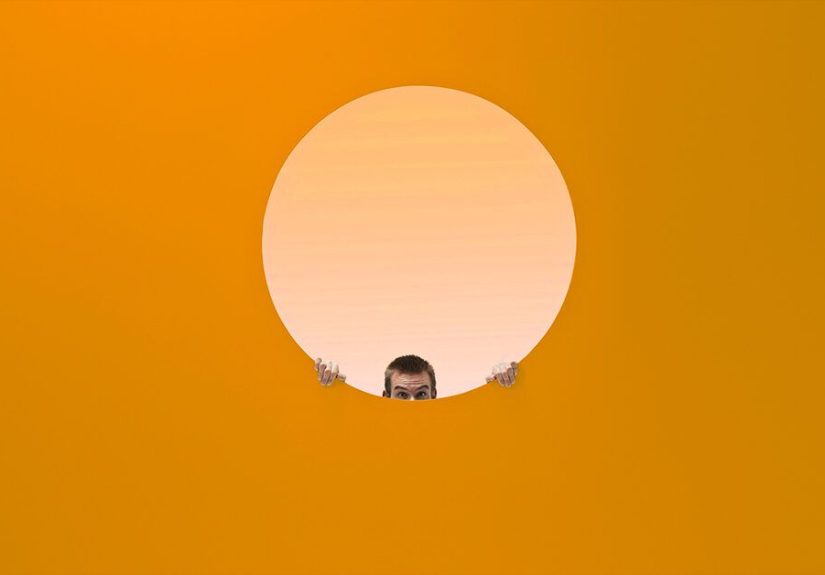
In other words, the duck may be fictional. The anxiety? That can be very real. And yes, the duck probably knows we are talking about it.
What Is Anatidaephobia?
Anatidaephobia is commonly described online as the fear that a duck, goose, or swan is watching you. The word sounds medical enough to make your browser sit up straight. It has Greek-ish energy, a scientific-looking structure, and enough syllables to scare a spelling bee contestant. But the term is best understood as a humorous “fake phobia,” not a formal diagnosis.
The word comes from Anatidae, the biological family that includes ducks, geese, and swans, combined with phobia, meaning fear. That makes the term sound like it belongs in a psychology textbook. In reality, its fame comes from pop culture, specifically Gary Larson’s legendary one-panel comic strip The Far Side. Larson’s joke worked because it took a familiar phobia format and applied it to something hilariously specific: not fear of ducks attacking you, not fear of feathers, not fear of ponds, but fear that a duck is simply watching. Quietly. Suspiciously. Possibly with excellent judgment.
That is why the question “Is anatidaephobia a real phobia?” has two answers. As a named diagnosis, no. As a doorway into understanding real phobias, animal fears, and anxiety triggers, absolutely.
Is Anatidaephobia Officially Recognized?
No, anatidaephobia is not officially recognized as a separate mental health disorder in standard diagnostic systems. Mental health professionals do not usually diagnose someone with “anatidaephobia” in a clinical chart. You will not typically see it listed alongside common phobias such as arachnophobia, acrophobia, claustrophobia, or specific phobia.
That said, a person can have a genuine fear of ducks or other birds. Clinically, that fear would more likely be discussed under specific phobia, especially the animal type, or under ornithophobia, which means fear of birds. If ducks are the main trigger, a therapist might describe the problem as a specific phobia involving ducks, waterfowl, or birds. The exact label matters less than the impact: Does the fear cause intense anxiety? Does it lead to avoidance? Does it interfere with daily life?
So, if someone says, “I think I have anatidaephobia,” the most accurate response is not “That’s impossible.” A better response is: “The term is fictional, but your fear may still be worth taking seriously.” Ducks may be funny. Panic symptoms are not.
Fear vs. Phobia: What Is the Difference?
Everyone has fears. Some people dislike heights. Some people avoid spiders. Some people cross the street when a goose looks like it has unfinished business. A fear becomes more like a phobia when it is intense, persistent, out of proportion to the actual danger, and disruptive to a person’s normal life.
A regular fear might look like this:
You see a duck at the park, feel slightly nervous because geese have a reputation for being tiny feathered security guards, and continue walking. You may keep your sandwich protected. Sensible.
A phobia might look like this:
You avoid parks, lakes, sidewalks near ponds, outdoor restaurants, nature trails, school trips, family picnics, or even photos of birds because the anxiety feels overwhelming. Your heart races, your stomach flips, and your brain announces, “Emergency meeting! The duck is present.”
Phobias are not simply “being dramatic.” They involve real anxiety responses in the body and mind. The trigger may seem harmless to others, but the fear reaction can feel powerful and difficult to control.
Could Someone Really Be Afraid of Ducks?
Yes. A fear of ducks can be real, even if the word anatidaephobia started as a joke. Ducks may look cute on greeting cards, but real-life encounters can be uncomfortable for some people. Ducks and geese may approach humans in parks, especially when they associate people with food. Geese, in particular, can hiss, flap, chase, or guard territory. For someone who had a frightening childhood experience, that memory can stick like gum on a sneaker.
A person might fear ducks because of a past incident, such as being chased near a pond, pecked while feeding birds, startled by a sudden wing flap, or overwhelmed by a group of birds moving toward them. Others may not remember a single cause. Phobias do not always come with a neat origin story. Sometimes the brain simply files an object under “danger” and refuses to update the folder.
There is also the “watched” part of anatidaephobia. Feeling watched can trigger discomfort in many people. Humans are wired to notice eyes, faces, and attention. A duck staring from across a pond may not be plotting anything. It may simply be a duck, operating on duck software. But the human brain is very good at turning blank stares into dramatic courtroom scenes.
Where Does Ornithophobia Fit In?
Ornithophobia is the fear of birds. It is not limited to ducks. A person with ornithophobia may fear pigeons, chickens, crows, seagulls, parrots, geese, swans, or birds in general. Sometimes the fear is about being touched by feathers. Sometimes it is about flapping wings, unpredictable movement, beaks, claws, loud calls, or the feeling that birds move too suddenly.
If a person is specifically afraid of ducks, geese, or swans, that fear may fall under the broader category of bird-related specific phobia. In everyday language, people might still jokingly say “anatidaephobia,” especially because the word is memorable. But clinically, “specific phobia, animal type” is the more accurate framework.
This distinction matters for SEO and for readers searching for help. Someone typing “is anatidaephobia real?” may actually be asking, “Why do ducks make me anxious?” or “Can fear of birds be treated?” The answer is yes: real anxiety around birds can be understood and managed, whether or not the internet’s favorite duck-watching label is official.
Common Symptoms of a Duck or Bird-Related Phobia
Symptoms of a specific phobia can appear when someone sees the feared object, imagines it, hears it, or even anticipates encountering it. In a duck-related fear, triggers could include a pond, a bird feeder, a park bench, a honking goose, a cartoon duck, or a restaurant patio near water.
Physical symptoms may include:
- Fast heartbeat
- Sweating
- Shaking or trembling
- Tightness in the chest
- Nausea or stomach discomfort
- Shortness of breath
- Dizziness or feeling lightheaded
Emotional and behavioral symptoms may include:
- Immediate fear when seeing ducks or birds
- A strong urge to escape
- Avoiding parks, lakes, farms, or outdoor spaces
- Feeling embarrassed about the fear
- Worrying in advance about possible bird encounters
- Difficulty calming down even after the bird is gone
One important point: a person does not need to be in actual danger for a phobia response to happen. That is what makes phobias so frustrating. The rational brain may say, “It is just a duck.” The anxiety system replies, “Interesting theory. We are leaving.”
Why Do Strange Phobias Go Viral?
Anatidaephobia became popular because it is funny, specific, and oddly believable. The internet loves unusual phobia names because they combine education, humor, and “Wait, is that actually real?” curiosity. Search engines also reward questions that people genuinely ask, and this one has all the ingredients: a weird word, a strange definition, and a duck with suspicious eye contact.
But viral phobia lists can create confusion. Many websites present unusual fears as if every term is a formally recognized condition. In reality, mental health diagnosis does not work by creating a separate official disorder for every possible fear. A person can have a phobia of many different objects or situations, but the diagnosis is usually based on the pattern of anxiety, avoidance, distress, duration, and impairmentnot just the fancy name.
That is why “anatidaephobia” is better treated as a cultural joke with a useful psychological lesson. The joke reminds us that almost anything can become a fear trigger if the brain connects it with threat. Even something as ordinary as a duck can become anxiety-loaded when memory, imagination, and avoidance all team up like a tiny committee of chaos.
How Specific Phobias Are Usually Treated
When a fear becomes disruptive, treatment can help. The most common evidence-based approach for specific phobias is exposure-based therapy, often used within cognitive behavioral therapy. Exposure therapy does not mean throwing someone into a pond full of geese and yelling, “Good luck!” That would be less therapy and more villain origin story.
Instead, exposure is usually gradual and planned. A therapist may help the person build a fear ladder, starting with less intense steps and slowly moving toward harder ones. For a duck-related fear, this could begin with reading the word “duck,” then looking at a cartoon duck, then viewing photos, then watching videos, then standing far away from a pond, and eventually walking near birds in a safe, controlled way.
The goal is not to prove that ducks are secretly wonderful. The goal is to teach the nervous system that the feared situation can be tolerated without escape or disaster. Over time, the body learns, “I felt anxious, but I was safe.” That learning is powerful.
Other tools may include breathing techniques, relaxation skills, challenging exaggerated threat thoughts, and learning how avoidance keeps fear alive. In some cases, medication may be used to manage anxiety symptoms, but treatment decisions should always be made with a qualified health professional.
What to Do If Ducks Actually Make You Anxious
If ducks, geese, swans, or birds cause serious anxiety, start by taking the fear seriously without turning it into your identity. You are not “the duck phobia person.” You are a person who has an anxiety trigger. That trigger happens to have feathers and a questionable attitude.
Try these practical steps:
- Name the trigger clearly: Is it ducks, geese, all birds, flapping, noise, being chased, or being watched?
- Notice avoidance patterns: Are you skipping parks, routes, events, or social plans?
- Learn basic calming skills: Slow breathing and grounding exercises can help your body settle.
- Avoid feeding wild birds: Feeding can make birds approach more often, which may increase anxiety.
- Consider professional help: If the fear affects daily life, a therapist can help with structured treatment.
Do not shame yourself for having a fear that sounds unusual. Anxiety is not impressed by logic alone. Many people know their fear is out of proportion and still feel it intensely. That does not mean they are weak. It means their threat system needs retraining.
Funny Name, Real Lesson
Anatidaephobia survives because it is a perfect internet creature: part joke, part psychology lesson, part duck surveillance program. It gives people a way to laugh at the strange shapes fear can take. Humor can be helpful, especially when it makes anxiety feel less isolating. Still, humor should not be used to dismiss someone’s distress.
If someone says they are afraid of ducks, it is fine to smile gently at the word anatidaephobia. It is not fine to chase them with a rubber duck or send them goose memes until they mute the group chat. Support means understanding the difference between a harmless joke and a real anxiety response.
The real lesson is simple: the official label is less important than the lived experience. If fear is mild and funny, laugh with it. If fear is intense and limiting, get support for it. Either way, the duck does not get the final vote.
Experiences Related to Anatidaephobia: What It Can Feel Like in Real Life
Imagine walking through a sunny park on a normal afternoon. People are jogging. Kids are laughing. Someone is trying to eat a sandwich without losing half of it to gravity. Then you hear a soft quack from the grass near the pond. For most people, that sound is background noise. For someone with a strong fear of ducks or birds, it can feel like the soundtrack just changed from “pleasant weekend” to “nature documentary with suspicious intentions.”
One common experience is the feeling of being watched. Ducks and geese often hold still and stare, which can feel strangely personal. They are not blinking in a way that gives reassurance. They are not offering a friendly nod. They are simply standing there like tiny inspectors from the Department of Pond Affairs. A person who is already anxious may read that stare as threatening, even when the bird is just waiting to see whether snacks will appear.
Another experience is embarrassment. People with unusual fears often worry that others will laugh at them. They may say, “I know this sounds ridiculous,” before explaining the fear. That shame can make the anxiety worse. Instead of only dealing with the duck, the person is also dealing with the fear of being judged. That is a lot of pressure for one nervous system and one bird with orange feet.
A duck-related fear can also affect social life in sneaky ways. A friend suggests a picnic by the lake, and the anxious person suddenly becomes very passionate about indoor dining. A family plans a zoo trip, and they start researching the bird exhibit like it is a military obstacle course. A school or work event takes place near a waterfront, and the person spends more energy scanning for geese than enjoying the day. Avoidance may bring short-term relief, but it can make the fear feel bigger over time.
Some people also describe the fear as unpredictable. They may be fine seeing a cartoon duck, but panic when a real duck moves quickly. They may tolerate one bird from a distance but feel overwhelmed by a group. Geese can be especially intimidating because they are larger, louder, and famously confident. A goose walking toward you has the energy of someone who has never apologized in its life.
Still, many people improve when they approach the fear gradually and kindly. The first step might be admitting, “This bothers me more than I want it to.” The next step might be learning about phobias, practicing calming skills, or looking at harmless images before facing real-life situations. Progress does not have to be dramatic. It can be as small as walking past a pond without crossing the street, standing near a duck habitat for one minute longer than last time, or choosing not to cancel plans because birds might be nearby.
The experience of anatidaephobia, real or jokingly named, reminds us that fear is not always logical. But it is workable. A person can respect their anxiety without obeying it forever. And someday, with support and practice, the duck by the pond may become just a duck againnot a feathered security camera with webbed feet.
Conclusion: Is Anatidaephobia Real?
Anatidaephobia is not a real official phobia diagnosis. It is a humorous term created through The Far Side and popularized because the idea of a duck watching you is wonderfully absurd. However, a real fear of ducks, geese, swans, or birds can exist and may fit under specific phobia or ornithophobia if it causes strong anxiety and avoidance.
The best way to understand anatidaephobia is this: the name is a joke, but the topic touches a real human experience. People can become afraid of animals, situations, sensations, and even the feeling of being watched. If that fear interferes with normal life, it is worth addressing with compassion, practical coping tools, and professional help when needed.
So, is anatidaephobia real? Clinically, no. Emotionally, sometimes. Comedically, absolutely. And if a duck is reading this over your shoulder, please remain calm. It is probably just checking the SEO.