Table of Contents >> Show >> Hide
- What Does “Kawaii Panda” Mean?
- Why Pandas Are Naturally Kawaii
- The Cultural Power of Kawaii
- Kawaii Panda in Art and Illustration
- Kawaii Panda in Branding and Merchandise
- The Real Panda Behind the Cute Image
- How to Create a Kawaii Panda Character
- Kawaii Panda Decor and Lifestyle Ideas
- Why People Love Kawaii Pandas
- Experience Section: Living With the Kawaii Panda Mood
- Conclusion
Some animals walk into the internet and immediately understand the assignment. The giant panda is one of them. With its round face, black button eyes, soft-looking body, and permanent “I just woke up from a snack nap” expression, the panda seems designed by nature’s cutest art department. Add the Japanese idea of kawaiia culture of cuteness built around softness, charm, innocence, and emotional comfortand suddenly the phrase Kawaii Panda feels less like a title and more like a tiny lifestyle movement wearing a bamboo-print hoodie.
But a kawaii panda is more than a cute sticker, plush toy, phone wallpaper, or doodle in the corner of a notebook. It is a meeting point between wildlife fascination, Japanese-inspired design, pop culture, emotional branding, conservation awareness, and the simple human need to smile at something round. Very round. Possibly too round to be trusted near a snack drawer.
This article explores why the kawaii panda works so well, how panda biology naturally fits cute design, what makes kawaii aesthetics powerful, and how this adorable black-and-white icon has become a favorite in art, merchandise, digital design, children’s products, stationery, room decor, and social media culture.
What Does “Kawaii Panda” Mean?
The word kawaii comes from Japanese and is commonly translated as “cute,” “adorable,” or “lovable.” In modern culture, however, kawaii is not just a description. It is an aesthetic language. It uses rounded shapes, gentle expressions, soft colors, small details, playful innocence, and emotional warmth to make people feel comforted. Think oversized eyes, tiny paws, blush marks, pastel backgrounds, and facial expressions that say, “I may have stolen your last cookie, but look at my cheeks.”
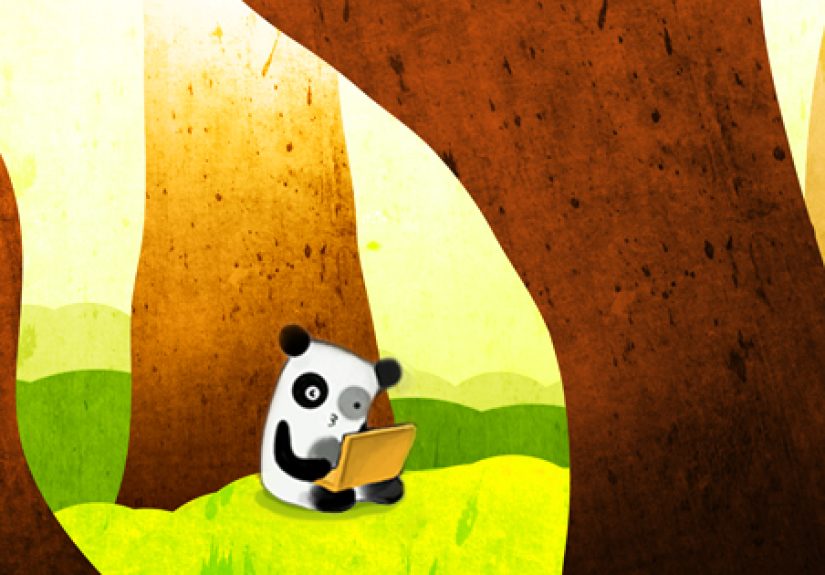
A kawaii panda takes the real-world charm of the giant panda and transforms it through this visual language. Instead of a realistic wildlife illustration with detailed fur texture and anatomical precision, a kawaii panda might have a simplified body, a tiny smile, pink cheeks, a bamboo sprout in one paw, and a pose that looks like it is politely waiting for a compliment.
The magic is in the combination. Pandas are already naturally cute to many people because they have features associated with softness and friendliness: large heads compared with their bodies, rounded ears, dark eye patches, slow movements, and a calm eating routine centered around bamboo. Kawaii design exaggerates those qualities in a way that feels instantly recognizable and emotionally friendly.
Why Pandas Are Naturally Kawaii
Before artists added pastel stars and tiny heart bubbles, pandas were already doing most of the work themselves. Giant pandas are native to the mountain forests of central China, where bamboo is their main food source. Although they belong to the bear family, their diet is famously plant-heavy, with bamboo making up the overwhelming majority of what they eat. This creates one of the panda’s most iconic images: a big, fluffy bear sitting down and calmly chewing bamboo like it has discovered the secret to a peaceful life.
From a design point of view, pandas are almost suspiciously perfect. Their black-and-white coloring creates instant contrast, making them easy to recognize even in simple drawings. Their dark eye patches make their eyes look larger and more expressive. Their rounded ears create a teddy-bear silhouette. Their slow, deliberate movements make them seem relaxed, even when they are simply conserving energy because bamboo is not exactly a five-star protein shake.
The Panda Face: A Designer’s Dream
A kawaii character usually needs a face that can be reduced into simple shapes. The panda face passes this test with flying bamboo leaves. A circle for the head, two half-circles for ears, two oval eye patches, a small nose, and a tiny mouth are enough to make a character that almost anyone can identify. This simplicity is why kawaii panda illustrations work so well on stickers, logos, pins, notebooks, mugs, children’s clothing, and app icons.
Unlike animals with more complex markings, pandas can stay recognizable even when heavily stylized. Make the head bigger? Still a panda. Shrink the body? Still a panda. Add a strawberry hat, a sleepy expression, and a bubble tea cup? Still a pandajust one with plans after lunch.
The Cultural Power of Kawaii
Kawaii culture developed in Japan during the second half of the twentieth century and became globally influential through fashion, stationery, character design, toys, animation, pop music, and lifestyle products. Its appeal lies in how it turns ordinary objects into emotional companions. A notebook is useful. A notebook with a sleepy panda holding a pencil is useful and emotionally supportive during math homework.
Kawaii is often playful, but it is not shallow. The style can communicate gentleness, safety, humor, friendship, nostalgia, and even resistance to cold, overly serious design. In a world full of sharp deadlines, angry notifications, and coffee that somehow costs more every year, kawaii offers a small soft landing. It says: “Here is a round panda. Breathe.”
Why Kawaii Design Feels So Comforting
Kawaii design often uses visual cues that humans associate with harmlessness and care: small size, soft curves, wide eyes, simplified features, and gentle colors. These cues make characters feel approachable. A kawaii panda does not look like it wants to dominate the forest. It looks like it wants to share a snack and maybe ask where you bought your stickers.
This emotional accessibility is one reason kawaii pandas appear in so many product categories. They work for children, teens, adults, collectors, animal lovers, stationery fans, digital artists, and anyone whose personality includes “I respect minimalism, but I also own three plushies.”
Kawaii Panda in Art and Illustration
In illustration, the kawaii panda is usually built around simplicity. Artists often reduce the body to circles and rounded rectangles, then add expressive details. A happy kawaii panda might have crescent-shaped eyes and raised paws. A sleepy one may have droopy eyelids and a tiny blanket. A shy panda might hide behind bamboo, proving once again that even fictional animals understand social energy limits.
Common kawaii panda art themes include pandas eating bamboo, pandas holding hearts, pandas in school uniforms, pandas dressed as food, pandas sleeping on clouds, pandas inside teacups, and pandas surrounded by stars, flowers, mushrooms, or pastel rainbows. The goal is not realism. The goal is emotional clarity. Viewers should understand the mood instantly: cheerful, cozy, sleepy, silly, shy, hungry, or “please do not disturb my nap.”
Popular Visual Elements
The most common kawaii panda elements include oversized heads, tiny bodies, blush marks, small paws, rounded ears, soft outlines, simple mouths, and accessories like bows, scarves, hats, bamboo shoots, or little bags. Pastel pink, mint green, cream, lavender, and sky blue often appear in the background, balancing the panda’s bold black-and-white pattern with a softer atmosphere.
Artists also love pandas because the black-and-white palette is easy to adapt. A kawaii panda can fit into minimalist black-and-white designs, pastel-heavy sticker sheets, cozy cottage-style art, school supplies, baby room decor, or bright social media graphics. Few animals are that flexible without requesting an agent.
Kawaii Panda in Branding and Merchandise
Brands use cute animal characters because they are memorable and emotionally sticky. A kawaii panda can make a product feel friendly before a customer reads a single word. This is especially useful for stationery, snacks, children’s products, educational materials, eco-friendly goods, plush toys, and lifestyle accessories.
For example, a bamboo toothbrush brand could use a kawaii panda to suggest gentleness and environmental awareness. A children’s reading app could use a panda mascot to make learning feel less intimidating. A tea shop could create a panda character holding a cup of matcha or milk tea. A planner brand could use sleepy panda stickers for rest days and productive panda stickers for task lists. Yes, a productive panda may be unrealistic, but dreams are important.
Why the Panda Works as a Mascot
A strong mascot needs to be recognizable, flexible, emotionally appealing, and easy to reproduce across formats. The panda checks every box. It looks good as a tiny icon, a large plush, a web illustration, an embroidered patch, or a simple logo. Its connection to bamboo also creates natural associations with calmness, nature, sustainability, and balance.
Because giant pandas are also linked to conservation, a kawaii panda mascot can do more than sell a product. It can encourage curiosity about wildlife protection, habitat preservation, and responsible consumer choices. Cute design does not have to be empty. Sometimes it can open the door to deeper learningpreferably a door with paw-print stickers on it.
The Real Panda Behind the Cute Image
While kawaii pandas are adorable in art, the real giant panda is a remarkable animal with a serious conservation story. Giant pandas live in specific mountain forest habitats where bamboo grows in dense patches. Their bodies are adapted for handling bamboo, including strong jaws and a special wrist bone that functions almost like a thumb, helping them grip stalks while eating.
Pandas spend much of their time feeding because bamboo is low in nutrients compared with many other foods. This is why the classic image of a panda sitting and eating all day is not laziness; it is survival strategy. If your favorite food required you to eat for hours to get enough energy, you might also cancel your evening plans.
Conservation efforts have helped improve the giant panda’s status over the years, but the species is still considered vulnerable. Threats include habitat fragmentation, limited breeding opportunities in isolated populations, climate-related pressure on bamboo forests, and the need for long-term habitat protection. The panda’s popularity has helped draw global attention to conservation, proving that cuteness can have surprisingly serious public relations power.
How to Create a Kawaii Panda Character
If you want to design your own kawaii panda, begin with simple shapes. Start with a large round head and a smaller rounded body. Add circular ears, oval eye patches, a tiny nose, and a small curved mouth. Keep the details minimal. Kawaii design usually works best when it leaves room for imagination.
Step 1: Choose the Mood
Decide what emotion your panda should express. Is it cheerful, sleepy, confused, proud, shy, hungry, or dramatic because someone moved its bamboo? The mood will guide the eyes, mouth, pose, and accessories. Happy pandas often have closed crescent eyes. Sleepy pandas may have half-lidded eyes. Surprised pandas might have tiny open mouths and raised paws.
Step 2: Add One Strong Accessory
A good kawaii character does not need a closet full of props. One memorable accessory can be enough. Try a bamboo leaf, tiny backpack, strawberry hat, pastel scarf, star wand, book, cupcake, or little camera. The accessory gives the panda personality and helps it fit a theme, such as school, travel, food, nature, or cozy living.
Step 3: Keep the Palette Soft
The panda itself is black and white, so the surrounding colors can create the kawaii mood. Soft pink adds sweetness. Mint green connects naturally to bamboo. Lavender feels dreamy. Pale yellow adds warmth. Cream backgrounds make the design feel gentle and clean. Avoid too many intense colors at once unless your panda is attending a birthday party inside a rainbow, which is also valid but visually risky.
Kawaii Panda Decor and Lifestyle Ideas
The kawaii panda theme works beautifully in bedrooms, study corners, nurseries, craft rooms, and cozy office spaces. It can be subtle or full “panda moved in and pays rent in charm.” For a clean look, use black-and-white panda prints with bamboo green accents. For a softer style, choose pastel bedding, plush toys, rounded lamps, and wall art with gentle panda illustrations.
Stationery is another natural home for kawaii pandas. Panda sticky notes, washi tape, bookmarks, pencil cases, calendar stickers, and journal covers can turn everyday planning into something more cheerful. A to-do list feels less aggressive when a tiny panda is sitting beside it, silently judging your procrastination but in a supportive way.
Digital Kawaii Panda Ideas
Online, kawaii pandas are perfect for profile icons, emotes, reaction stickers, website mascots, classroom slides, app onboarding screens, and social media posts. A panda character can communicate emotions quickly: celebration, confusion, encouragement, tiredness, gratitude, or the universal feeling of “I opened the fridge and forgot why.”
For websites, a kawaii panda can make educational or eco-friendly content feel friendlier. For example, a wildlife blog might use a panda mascot to guide readers through facts about bamboo forests. A children’s learning platform could use a panda to reward progress. A small shop could use panda packaging to create a memorable unboxing experience.
Why People Love Kawaii Pandas
People love kawaii pandas because they combine three powerful emotional triggers: animals, softness, and personality. The panda is not just cute; it feels calm. It is not flashy or aggressive. It does not demand attention with drama. It simply sits there, round and snack-focused, reminding everyone that maybe life would be better if we respected nap time.
The kawaii version makes this feeling even stronger. It turns the panda into a tiny companionsomething that can live on your desk, phone case, notebook, hoodie, sticker collection, or website header. It gives people a way to express gentleness and humor without writing a full paragraph about their emotional state. One panda sticker can say, “I am tired but adorable,” which is honestly efficient communication.
Experience Section: Living With the Kawaii Panda Mood
Spending time with the kawaii panda theme feels like opening a tiny window into a softer version of daily life. Imagine starting the morning with a panda mug on your desk, a small bamboo-green notebook, and a sticker of a sleepy panda reminding you that productivity is important, but so is not becoming a stressed-out paperclip. The theme brings a sense of friendliness to ordinary routines, especially study sessions, creative work, journaling, and room organization.
One of the best experiences related to kawaii panda design is using it to make a workspace feel less cold. A desk can easily become a battlefield of chargers, pens, tabs, crumbs, and mysterious receipts. Add a panda calendar, a small plush, or a clean black-and-white panda print, and the space suddenly feels more personal. It does not magically finish your tasks, unfortunately, but it makes sitting down to do them feel less like entering a tax office.
Kawaii panda items also work well as small gifts because they are cheerful without being too specific. A panda keychain, bookmark, enamel pin, sticker pack, or soft pouch can fit many personalities. It is cute, but not overly dramatic. It is playful, but still simple. It says, “I thought of you,” without requiring a 14-page emotional statement and a background soundtrack.
For creative people, drawing kawaii pandas can become a relaxing habit. The shapes are beginner-friendly: circles, ovals, tiny paws, simple expressions. You can draw one panda every day with a different mood: Monday panda holding coffee, Tuesday panda wrapped in a blanket, Wednesday panda pretending to understand the assignment, Thursday panda celebrating with bamboo, and Friday panda lying flat because the week had opinions. Over time, the character becomes a small visual diary.
Another enjoyable experience is building a themed journal page. A kawaii panda spread might include soft green borders, bamboo doodles, black-and-white check patterns, pastel sticky notes, and little panda faces marking important reminders. This style is especially useful for people who want organization to feel fun rather than strict. A planner with personality is easier to return to, and a panda mascot can make habits feel more encouraging.
In a bedroom or reading corner, kawaii panda decor can create a cozy atmosphere without overwhelming the room. A few carefully chosen piecesa cushion, a framed print, a plush, or a small lampcan be enough. The secret is balance. Too little, and the theme disappears. Too much, and your room may look like a panda convention with no exit strategy.
The most meaningful part of the kawaii panda experience is that it can connect cuteness with care. Real pandas remind us that wildlife needs protected habitats, patient conservation work, and public attention. Kawaii pandas make that connection approachable. A child who loves a panda plush may become curious about bamboo forests. A student who draws panda stickers may later learn about endangered species. A cute character can be a doorway to empathy, and that is where the theme becomes more than decoration.
In the end, living with the kawaii panda mood is about choosing small moments of softness. It is a cheerful mug, a gentle illustration, a cozy plush, a funny sticker, a calming color palette, or a doodle that makes a long day feel lighter. The kawaii panda does not shout for attention. It simply sits with its bamboo, looking peaceful, round, and emotionally prepared for snack time. Honestly, we could all learn something from that.
Conclusion
Kawaii Panda is more than a cute phrase. It is a charming blend of real animal appeal, Japanese-inspired cuteness, thoughtful design, and emotional comfort. The giant panda’s natural featuresround shapes, bold markings, gentle behavior, and bamboo-loving lifestylemake it one of the easiest animals to transform into a kawaii icon. At the same time, the panda’s real conservation story gives the theme depth beyond stickers and plush toys.
Whether used in art, branding, decor, journaling, digital design, or everyday gifts, the kawaii panda remains popular because it feels friendly, calm, and instantly lovable. It is cute with a purpose, soft with personality, and simple enough to fit almost anywhere. In a busy world, the kawaii panda offers a tiny reminder that joy does not always need to be loud. Sometimes it just needs round ears, a bamboo snack, and a face that says, “You are doing fine.”
Note: This article is original web content based on widely recognized information about giant pandas, conservation, Japanese kawaii culture, character design, and lifestyle trends. It is written for publication without copied source text or unnecessary citation placeholders.