Table of Contents >> Show >> Hide
- What Happened With the Cheesewich Snack?
- Why Were the Eggs Considered Tainted?
- Listeria: The Germ That Makes Refrigerators Nervous
- How One Egg Ingredient Triggered a Wider Recall
- What Consumers Were Told to Do
- Why Ready-to-Eat Foods Need Extra Attention
- How to Store Eggs and Egg Products Safely
- What This Recall Teaches Food Companies
- Why Consumers Should Take Recall Notices Seriously
- Experience-Based Reflections: What a Recall Feels Like in Real Life
- Conclusion
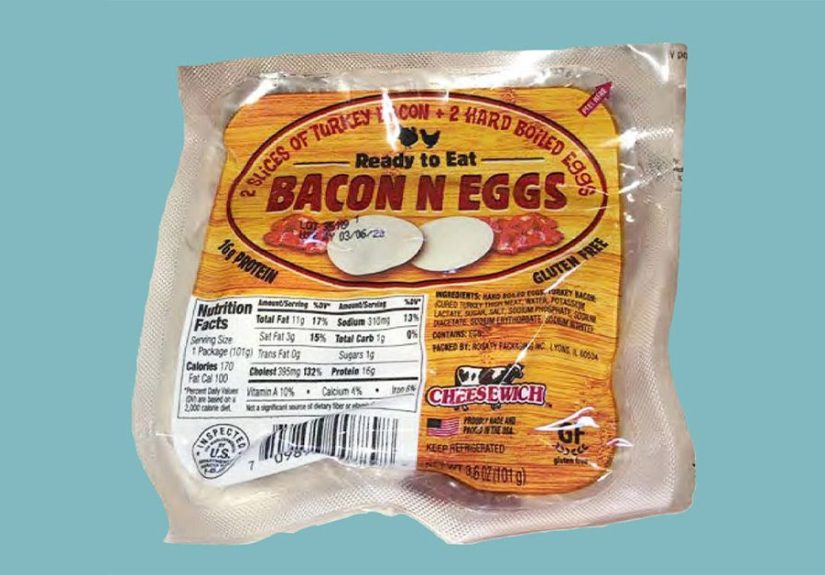
Food recalls have a special talent for turning an innocent refrigerator into a crime scene. One minute, you are reaching for a quick protein snack; the next, you are squinting at a “use by” date like a detective in a supermarket thriller. That was the mood when tainted hard-boiled eggs connected to Almark Foods led federal officials to warn consumers about a ready-to-eat Cheesewich Bacon N Eggs snack.
The concern was not the cheese, not the bacon, and not the general idea of eating breakfast from a plastic package while standing in front of the fridge. The problem was the egg ingredient. Hard-boiled eggs produced at Almark Foods’ Gainesville, Georgia facility were linked to a multistate Listeria monocytogenes outbreak, prompting recalls of many egg-containing products and a USDA public health alert for the Cheesewich Ready to Eat Bacon N Eggs product.
This recall story matters because it shows how one contaminated ingredient can travel through the food supply chain and appear in protein packs, prepared salads, snack trays, sandwiches, and ready-to-eat meals. For consumers, the lesson is simple: recalls are not just boring government paperwork. They are practical warnings that can prevent serious illness, especially for pregnant people, older adults, newborns, and people with weakened immune systems.
What Happened With the Cheesewich Snack?
The affected product was the Cheesewich Ready to Eat Bacon N Eggs snack, sold in 3.6-ounce plastic packages. It contained hard-boiled eggs supplied by an outside vendor that had already been connected to a Listeria outbreak. The USDA’s Food Safety and Inspection Service issued a public health alert because the product included eggs associated with Almark Foods’ recall.
To be clear, this was not a warning about every Cheesewich product sitting in every cooler across America. The alert focused on a specific ready-to-eat bacon-and-egg item. That distinction matters because food recall news can spread faster than a dropped carton of eggs on a tile floor. The product of concern carried specific “use by” dates and lot codes, and consumers were urged not to eat it.
Reports at the time noted that the Cheesewich product was available through convenience stores and third-party sellers connected to major retailers. Because ready-to-eat snacks can move through multiple sales channels, consumers were advised to check labels carefully rather than rely only on where they bought the product.
Why Were the Eggs Considered Tainted?
The eggs were considered risky because of possible contamination with Listeria monocytogenes, a bacterium that can cause listeriosis. Unlike some foodborne germs that mainly become a problem when food is undercooked, Listeria is especially troublesome in refrigerated, ready-to-eat foods. It can survive cold conditions and may continue growing if products sit too long or are stored at unsafe temperatures.
Investigators linked the outbreak to hard-boiled eggs produced at Almark Foods’ Gainesville facility. Almark expanded its recall to include all hard-boiled eggs manufactured at that facility that were still within shelf life, including retail packs, pillow packs, pouch packs, frozen diced eggs, and protein kit products. In other words, the recall net became wider because the eggs were used in many formats, not just one carton or one snack.
That is the uncomfortable magic trick of modern food distribution: one ingredient can disappear into many finished products. The consumer sees a tidy snack pack; investigators see a long ingredient trail involving processors, retailers, distributors, labels, dates, and lot codes.
Listeria: The Germ That Makes Refrigerators Nervous
Listeria monocytogenes is not the most famous foodborne villain. Salmonella usually gets more headlines, probably because it has the name recognition of a blockbuster sequel. But Listeria is dangerous because it can cause severe illness in high-risk groups and because refrigerated ready-to-eat foods may be eaten without reheating.
Healthy adults may experience short-term symptoms such as fever, nausea, stomach pain, diarrhea, headache, or muscle aches. However, listeriosis can become invasive and serious. Pregnant people may have mild symptoms themselves, but infection can lead to pregnancy complications. Older adults and people with weakened immune systems are also at higher risk of severe outcomes.
The tricky part is timing. Symptoms of invasive listeriosis often begin one to four weeks after eating contaminated food, but they can appear earlier or much later. That delay makes outbreak investigations difficult. By the time someone becomes sick, the snack wrapper may be long gone, the receipt may be missing, and the refrigerator may have hosted three new generations of leftovers.
How One Egg Ingredient Triggered a Wider Recall
The Cheesewich alert was part of a broader recall chain involving Almark hard-boiled eggs. The FDA maintained a list of recalls associated with Almark’s hard-boiled egg products. These included snack trays, egg salads, prepared foods, and other products from various brands that used the recalled eggs as ingredients.
This kind of recall illustrates why ingredient tracking matters. If a processor sells hard-boiled eggs to foodservice companies, salad makers, convenience-store suppliers, and snack brands, one safety problem can branch into many consumer-facing products. It is not always obvious from the front label that two very different products share the same ingredient source.
That is why recall notices include product names, package sizes, lot codes, establishment numbers, “best by” dates, and “use by” dates. Those details may feel painfully specific, but they are the difference between tossing the right item and declaring war on every egg in your kitchen.
What Consumers Were Told to Do
Consumers who had the affected Cheesewich Bacon N Eggs product were advised not to eat it. The safest move was to throw it away or return it to the place of purchase, depending on the retailer’s policy. Food safety officials also recommended checking refrigerators for recalled hard-boiled egg products and cleaning surfaces that may have touched contaminated packaging.
If you ever discover a recalled ready-to-eat item in your refrigerator, do not taste it “just to see.” Bacteria do not politely announce themselves with a weird smell, suspicious color, or tiny warning sign. A contaminated product can look completely normal, which is deeply rude but scientifically possible.
Simple recall checklist
- Check the product name, package size, use-by date, and lot code.
- Do not eat recalled food, even if it looks and smells fine.
- Throw it away in a sealed bag or return it to the store.
- Wash hands after handling the package.
- Clean refrigerator shelves, drawers, and nearby surfaces.
- Watch for symptoms if you already ate the product.
- Contact a healthcare provider if symptoms develop, especially if you are in a higher-risk group.
Why Ready-to-Eat Foods Need Extra Attention
Ready-to-eat foods are convenient because they remove the cooking step. Unfortunately, that also removes a safety step. Cooking can reduce or kill many harmful bacteria, but a ready-to-eat snack is often eaten cold, straight from the package. If contamination occurs before purchase, the consumer may have no final “kill step” before eating.
That does not mean ready-to-eat foods are unsafe by default. It means they require strict controls at every stage: production, sanitation, refrigeration, transport, retail storage, and home handling. The chain is only as strong as its messiest cooler, least-clean surface, or most ignored temperature log.
Egg products are especially common in convenience foods because they are high in protein, affordable, and easy to pair with cheese, meat, salads, and snack kits. That makes them useful, but it also means that a hard-boiled egg recall can ripple through many product categories.
How to Store Eggs and Egg Products Safely
Food safety agencies recommend keeping refrigerators at 40 degrees Fahrenheit or below and freezers at 0 degrees Fahrenheit. Hard-cooked eggs should be refrigerated promptly and used within the recommended time window. Ready-to-eat egg products should be kept cold, eaten by the date on the package, and discarded if they have been left at room temperature too long.
At home, the refrigerator door is not always the best place for delicate perishables because temperatures can fluctuate. Store ready-to-eat protein snacks, egg products, deli foods, and prepared meals on colder interior shelves. Also, avoid letting raw foods drip onto ready-to-eat foods. Cross-contamination is not a charming kitchen subplot; it is how bacteria get promoted from one package to another.
Practical egg safety habits
Buy refrigerated eggs and egg products from clean, reputable stores. Get them home quickly. Keep them cold. Follow package dates. Wash hands, cutting boards, and utensils after handling foods that may contaminate other items. If a recall is announced, do not gamble. The prize for winning that gamble is nothing, and the penalty can be a miserable week or worse.
What This Recall Teaches Food Companies
For food companies, the Cheesewich alert is a reminder that supplier verification is not optional decoration. Brands must know where ingredients come from, how they are processed, how risks are controlled, and how quickly affected products can be identified if something goes wrong.
Traceability is the unsung hero of recall response. When lot codes and distribution records are accurate, companies and regulators can narrow the warning to the right products. When records are weak, recalls can become broader, slower, and more confusing. Nobody wants a recall notice that sounds like, “It might be something egg-ish, somewhere, good luck.”
Sanitation also matters. Listeria can persist in food-processing environments if cleaning, testing, and environmental monitoring are not strong enough. For ready-to-eat foods, the stakes are higher because the consumer may eat the product without cooking it again.
Why Consumers Should Take Recall Notices Seriously
Recall fatigue is real. Consumers see alerts about lettuce, peanut butter, frozen meals, eggs, deli meat, pet food, spices, and snacks. After a while, it can all blend into one loud grocery-store alarm bell. But recall notices are targeted public health tools. They are designed to remove risk before more people get sick.
The Cheesewich snack alert shows why reading the details matters. The warning was tied to a specific product, package size, dates, and ingredient source. A careful consumer could identify whether their snack was affected without panicking about every cheese-and-meat product in the fridge.
Good recall behavior is boring but effective: check, match, discard, clean, and move on. It will not make you the star of a dramatic food safety documentary, but that is probably a good thing.
Experience-Based Reflections: What a Recall Feels Like in Real Life
Anyone who has ever dealt with a food recall at home knows the experience is strangely personal. The product is not just an item in a government alert; it is something you bought, carried home, placed in your refrigerator, and maybe planned to eat after school, work, practice, errands, or a long day when cooking felt like climbing a mountain in flip-flops.
A ready-to-eat snack like Cheesewich Bacon N Eggs appeals to people because it solves a tiny daily problem. It is quick, filling, portable, and high in protein. That is exactly why recall news can feel frustrating. Consumers often choose these products because they want convenience without fuss. Then a recall arrives and says, “Please inspect your snack like a forensic accountant.” Not fun, but necessary.
One practical experience many families share is the refrigerator search. Someone reads a recall headline, then the household gathers around the open fridge, pulling out containers and checking labels. There is always one person who says, “I think we already ate that,” which is not the calming sentence they think it is. Then comes the label-reading ritual: product name, package size, date, lot code, tiny print, and sometimes a magnifying glass or phone flashlight.
The biggest lesson from these moments is to keep packaging until the food is gone. Many people transfer snacks or prepared foods into containers and toss the original wrapper. That can be fine for leftovers, but with packaged ready-to-eat foods, the label is your safety ID card. Without it, confirming a recall becomes guesswork.
Another experience is learning that “looks fine” does not mean “is fine.” This is difficult because people naturally trust their senses. If food smells normal and looks normal, it feels wasteful to throw it away. But pathogens like Listeria do not always change the smell, taste, or appearance of food. A recall is one of the few times when the label matters more than your nose.
Food recalls also teach better refrigerator habits. After a scare, many people finally buy a refrigerator thermometer, clean the crisper drawer they have been emotionally avoiding, and stop treating use-by dates like vague suggestions from a distant relative. They separate ready-to-eat foods from raw meats, wipe spills quickly, and become more careful about how long snacks sit in lunch bags or cars.
For parents, caregivers, and people shopping for older relatives, recall awareness becomes even more important. A healthy teenager might recover from a mild foodborne illness quickly, but the same exposure can be much more serious for a grandparent, pregnant family member, newborn, or immune-compromised person. That makes recall checks less about anxiety and more about basic care.
The Cheesewich case is also a reminder that brands and consumers are connected through invisible supply chains. You may trust the brand on the front of the package, but the ingredients may come from other companies. When those suppliers have problems, the final snack can be affected. That does not mean shoppers should live in fear. It means transparency, traceability, and fast public alerts matter.
In the end, the best consumer habit is calm attention. Do not ignore recalls, but do not panic either. Read the notice, match the details, remove affected products, clean the area, and seek medical advice if symptoms appear after eating recalled food. That approach is not glamorous, but neither is food poisoning. In the battle between a five-minute fridge check and a serious infection, the fridge check wins every time.
Conclusion
The recall connected to the Cheesewich Ready to Eat Bacon N Eggs snack was a classic example of how one contaminated ingredient can affect many finished foods. The issue began with hard-boiled eggs linked to Almark Foods and possible Listeria monocytogenes contamination. Federal agencies warned consumers not to eat affected products, and the broader recall highlighted the importance of careful labeling, strong supplier controls, safe refrigeration, and quick consumer action.
For shoppers, the takeaway is simple: pay attention to food recall alerts, especially for ready-to-eat refrigerated foods. Check dates and lot codes, keep your refrigerator cold, clean surfaces after handling recalled products, and never rely on smell or appearance to judge safety. A snack should be convenient, not a bacterial plot twist.