Table of Contents >> Show >> Hide
- What Exactly Is a Trug (and Why Is Yours a Tub?)
- Why Recycled Plastic Makes Sense for a “Do-Anything” Trug
- Signature Features to Look For in a Recycled Black Trug
- Popular Sizes and What They’re Best At
- 25 Smart Ways to Use a Recycled Black Trug (Garden + Home)
- How to Choose the Right Recycled Black Trug for Your Needs
- Care, Cleaning, and Storage
- Sustainability: What to Do When It Finally Wears Out
- FAQ
- Conclusion
- Experiences With a Recycled Black Trug (Realistic, Everyday Scenarios)
There are garden tools you buy because they look charming in a catalog… and then there are tools you buy because you’re tired of doing
the “two-hand juggle” (trowel in one hand, weeds in the other, hope in your heart). A recycled black trug lands firmly in
the second category: it’s a tough, flexible carry tub that happily hauls messy, awkward, “how is this even a shape?” stuffwithout
demanding a clean-up crew afterward.
Think of it as the utility player of the yard: part bucket, part tote, part mixing tub, part “fine, I’ll carry everything” sidekick.
And because it’s often made from recycled polyethylene, it can be a practical way to choose durability while also using
post-consumer materialaka the stuff that’s already had a first life.
What Exactly Is a Trug (and Why Is Yours a Tub?)
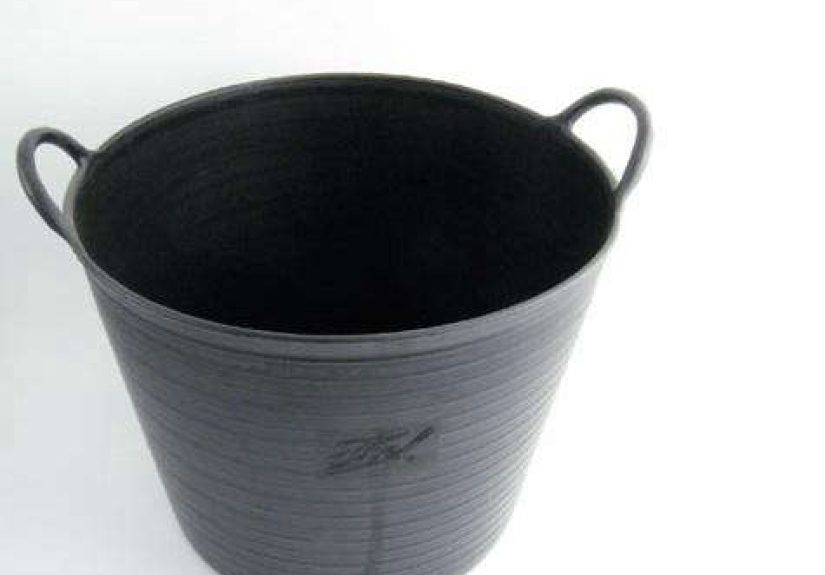
Traditionally, a “trug” is a shallow gardening basket meant for carrying flowers, produce, or tools. In modern use, the word has expanded:
you’ll see “trug” applied to flexible tubs with handlesespecially the round, rubbery-looking carriers that bend a little when you grab them.
The “tub trug” style keeps the spirit of the original trug (easy carrying, open top, quick access), but swaps wood for a flexible plastic body
that’s built for rougher work.
The black part is more than aesthetics. Black hides scuffs, soil stains, and whatever that mysterious garden goo is
(compost tea? potting mix dust? a little of column A, a little of column “why did I touch that?”). And if you’re buying a recycled black trug,
you’re often getting a product marketed as made from recycled polyethylene and designed for hard useyard debris, soil, mulch, tools, and even
party duty as a drink chiller.
Why Recycled Plastic Makes Sense for a “Do-Anything” Trug
A trug tub lives a chaotic life. It gets dragged, knocked, overfilled, left out in the cold, left out in the sun, and occasionally used as a
chair (not officially recommended, but gardens are lawless places). Polyethyleneespecially the low-density flavors used in flexible productsis
popular because it’s naturally water-resistant, impact-resistant, and bendy rather than brittle.
“Recycled” doesn’t mean “fragile”
Many recycled black trugs are described as being made from 100% recycled polyethylene and marketed as extremely hard-wearingsometimes
compared to the toughness of a car tire. That’s not just marketing poetry: it’s a clue that the material blend is engineered for ruggedness and
repeated flexing.
The sustainability angle (with real-world honesty)
Choosing recycled content can help create demand for recovered plastic, but it doesn’t magically solve the plastic waste problem. The U.S.
still landfills a large amount of plastic, and recycling rates vary by resin type and by what local programs actually accept. The best
sustainability “upgrade” is using something for a long time. A trug you keep for years beats a “green” product that cracks after one season.
Signature Features to Look For in a Recycled Black Trug
Not all trugs are created equal. Some are glorified buckets with handles. Others are the kind you’ll inherit from your future self because it
refuses to die. Here’s what separates “handy” from “how did I garden without this?”
1) Flexible body + reinforced rim
Flexibility is the whole point: the body should bend slightly under load without creasing or cracking. A reinforced rim helps the tub keep its shape,
especially when you’re carrying heavier material like wet mulch or damp soil.
2) Comfortable, grippy handles
Handles matter more than you think. Look for thick, rounded handles that don’t feel like they’re trying to cut a new finger groove into your hand.
Some designs are built so you can grab both handles together with one hand and the tub narrows into a “trug shape,” making it easier to carry.
3) Temperature and weather resistance
Many flexible trugs are marketed as being unfazed by freezing conditions, and some product descriptions even claim they can handle very hot water.
In plain English: they’re meant to survive real outdoor life. Still, don’t test “boiling water resistant” like it’s a science fair projectunless
you enjoy buying replacements.
4) “Food-grade” or “food-safe” claims (only if you need them)
If you plan to use your trug for animal feed, garden harvest, or as an ice tub for drinks, look for listings that explicitly say
food-grade or food-safe. Not every recycled plastic product is automatically appropriate for food-contact uses,
and labeling varies by manufacturer and retailer.
5) Size that matches your reality
“Bigger is better” is only true until you fill it with wet soil and realize you’ve made a personal mistake. Trugs are often sold in capacities
like 25 liters (about 6–7 gallons), 40–42 liters (about 10–11 gallons), and larger. If you’re buying just one, a medium size tends to be the sweet spot:
big enough to be useful, small enough to lift without negotiating with your lower back.
Popular Sizes and What They’re Best At
-
Small (around 25 L): Perfect for weeding rounds, deadheading, small harvests, carrying hand tools, and corralling your gloves so they don’t
become “garden fossils.” - Medium (around 40–42 L): Great for hauling mulch, mixing potting soil, carrying larger harvests, and doing the “one trip, not five” shuffle.
- Large (55+ L): Best for bulky yard cleanup, moving leaf piles, big compost transfers, and laundry/household tasks when your garden tool decides it’s also a home organizer.
25 Smart Ways to Use a Recycled Black Trug (Garden + Home)
In the garden
- Weed patrol: Toss weeds straight inno bag fumbling.
- Pruning catch-all: Holds branches and clippings without tearing like thin plastic bags.
- Harvest helper: Great for squash, tomatoes, and armfuls of greens (especially if labeled food-safe).
- Potting mix mixing bowl: Combine soil, compost, and amendments without turning your patio into a gritty crime scene.
- Mulch mover: Scoop from the pile, drop where you need it, repeat.
- Bulb planting buddy: Carry bulbs, trowel, dibber, and labels in one place.
- Tool corral: Keep hand tools together so they stop “wandering.”
- Compost shuttle: Transport kitchen scraps out; bring finished compost back.
- Watering shortcut: Some flexible designs can be pinched into a pour spout for targeted pouring.
- Garden cleanup sorter: One trug for compostables, one for trash, one for “mystery items I’ll deal with later.”
- Root vegetable rinse tub: Rinse carrots and potatoes outside before they enter your sink ecosystem (again, food-safe labeling helps).
- Seed starting supply bin: Store pots, labels, and seed packets together.
Around the home (because a trug does not respect boundaries)
- Laundry hauler: Flexible sides make it easier to carry against your hip.
- Toy roundup: Fast cleanup for blocks, balls, and “why is this sticky?” objects.
- Car trunk organizer: Groceries stop tipping over like dominoes.
- Recycling collector: Gather cans/bottles before taking them out.
- Firewood carrier: Handles + flexible body = less bark confetti in your arms.
- Pet supply bin: Leashes, toys, and food bags in one grab-and-go tub.
- Beach or picnic gear: Towels, sunscreen, snackssand happens either way, but at least it’s contained.
- DIY cleanup tub: Hold paint supplies, drop cloths, and rags without sacrificing your good baskets.
- Sports gear dump: Cleats and shin guards can live in a tub instead of haunting your hallway.
- Garden-to-kitchen staging: Harvest into the trug, wash, then bring produce inside (again: check food-safe claims).
Entertaining (yes, really)
- Ice caddy for drinks: Fill with ice, add beverages, and pretend you planned this all along.
- Party cleanup bin: Collect empty cups and plates fastyour future self will be grateful.
- Outdoor “everything tub”: Sunscreen, bug spray, napkins, and a spare citronella candle, all in one place.
How to Choose the Right Recycled Black Trug for Your Needs
Step 1: Pick your “most common mess”
If your main job is weeds and deadheading, go smaller. If you’re always hauling mulch or compost, go medium. If you’re routinely moving bulky debris,
go largebut consider getting two mediums instead of one giant, depending on how much you like lifting.
Step 2: Decide whether “recycled” is a must-have or a nice-to-have
Many trugs are made from virgin plastic; many are made from recycled material. If recycled content is your priority, look for clear wording like
“100% recycled polyethylene” or “post-consumer recycled plastic.” Some products also mention small-batch color variationoften a sign the recycled
feedstock differs slightly from run to run (normal for recycled material).
Step 3: Check load expectations (and be realistic)
Some retailers list dramatic handle load ratings. Treat those as “engineering confidence” more than a personal challenge. The practical test is:
can you lift it comfortably when filled with what you actually plan to carry? Your trug may be capable of more than your spine, and that’s okay.
Step 4: Verify your specialty needs
- For harvest/food/ice: seek food-grade/food-safe claims.
- For full-time outdoor storage: look for UV resistance claims and a sturdy rim.
- For tight spaces: choose nestable sets so they stack neatly.
Care, Cleaning, and Storage
A trug is low-maintenance by design. Most of the time, a rinse with a hose and a quick shake is enough. For sticky stuff (sap, mud, compost),
wash with mild soap and warm water, then let it air dry. Avoid harsh solvents unless the manufacturer specifically says they’re safepolyethylene
is chemically resistant in many situations, but it’s not invincible against everything.
Easy longevity tips
- Don’t store wet compost in it for weeks: not because the tub can’t handle it, but because you’ll grow a science experiment.
- Keep it out of constant full sun if possible: UV exposure can age plastics over time; shade extends life.
- Use it as intended: mixing soil? yes. Using it as a sled? that’s between you and your conscience.
Sustainability: What to Do When It Finally Wears Out
Here’s the tricky part: recycling options depend heavily on your local program. Even if a trug is made from recyclable plastic, not every curbside
system accepts bulky, rigid household items. Your best move is to:
- Check for a resin code (often on the bottom) and look up what your city accepts.
- Consider donation or reuse if it’s still functional (gardens, stables, community gardens, storage use).
- Ask about “bulky rigid plastics” at local recycling centerssome accept items that curbside won’t.
One important note: U.S. “store drop-off” programs are commonly designed for plastic film (bags, wraps), not rigid tubs.
So don’t assume a trug belongs in the same bin as grocery bags. When in doubt, follow local guidance and use the longest-life approach:
repair, repurpose, donate, then recycle if available.
FAQ
Is a recycled black trug only for gardeners?
Not even close. Many people buy one for the garden and then realize it’s the best laundry basket they’ve ever owned. It’s basically a “carry tub”
that doesn’t complain.
Will it crack in freezing weather?
Many trug tubs are marketed as able to handle freezing temperatures without becoming brittle. That’s one reason flexible polyethylene tubs are popular
for year-round outdoor use.
Can I use it for drinks and ice?
Lots of people do. If you want to be extra cautious, look for a product explicitly labeled food-grade/food-safe, and wash it well before using it
for beverages.
Why are some recycled trugs heavier?
Recycled blends and reinforced rims can add heft. A little extra weight can also signal sturdier constructionhelpful when you’re hauling dense loads.
Conclusion
A recycled black trug is the rare purchase that feels useful on day one and still feels useful on day one hundred. It’s a flexible, tough,
grab-and-go tub that handles garden mess, household hauling, and the occasional “I need an ice bucket right now” momentwhile often using recycled material
as part of its construction. Choose a size you can lift comfortably, prioritize a reinforced rim and comfortable handles, and look for clear recycled-content
claims if sustainability is part of your buying checklist.
Experiences With a Recycled Black Trug (Realistic, Everyday Scenarios)
If you’ve never owned a trug tub, the first experience is usually the same: you grab it for one job, and then it becomes the unofficial container for
everything. It starts innocentlymaybe a quick walk around the yard to pull a few weeds. The trug sits upright, waiting like a patient helper,
and you realize you’re moving faster because you’re not constantly bending to pick up piles or fighting a flimsy bag that collapses every time a breeze
looks at it.
The second “aha” moment tends to happen when the job gets messy. Wet mulch? Damp leaves? A half-finished potting mix blend that’s too good to waste but
too annoying to shovel back into a bag? A recycled black trug is made for these awkward middle states. You can mix directly in the tub, carry it where you
need, and rinse it out when you’re done. Because it’s black, it also doesn’t advertise every stain like a white bucket wouldyour trug keeps your secrets.
Another common experience: you discover the handle “pinch” trick. With many flexible tubs, pulling the handles together changes the shape so the sides bow
inward, and suddenly the tub feels more secure against your leg as you walk. This is especially noticeable when you’re carrying loose tools, clippings, or
kindlingthings that like to shift around. It’s not magic; it’s just smart design that makes the tub feel lighter and less sloshy.
And then there are the surprise uses. A trug often gets pulled into indoor life during the first big cleanup day: laundry, toys, recycling, sports gear,
or a garage corner that somehow became a museum exhibit titled “Random Stuff We Own.” The flexibility helps it fit into tight spaces (like beside a washer
or under a utility sink), and the sturdy handles make it easier to carry one-handed. People who hate rigid laundry baskets frequently discover they hate them
slightly less when the basket bends instead of jabbing their hip.
The most entertaining “experience” story is the party pivot: garden chores end, guests show up, and someone needs an ice bucket for drinks. The trug steps
in like it’s been training for this moment. Fill it with ice, toss in cans or bottles, and suddenly your garden tool is doing hospitality. Later, it’s just
as happy collecting empty cups or ferrying napkins and citronella candles back to storage. It’s not glamorous, but it’s weirdly satisfyinglike discovering
your most practical friend is also great at hosting.
Finally, there’s the long-term experience: the trug becomes a default. It lives near the door or the potting bench. It’s what you reach for when you don’t
feel like planning. Over time, you notice the real value of recycled, rugged construction isn’t the labelit’s that the tub still works after countless trips,
scrapes, rinses, freezes, and “just one more load” moments. The best compliment you can give a recycled black trug is also the simplest: it keeps showing up,
job after job, without making your life harder.