Table of Contents >> Show >> Hide
- What Sprinly Is and Who It Is Built For
- How Sprinly Works
- Sprinly Pricing: Healthy Meals for a Price
- Taste, Texture, and Variety: What Reviewers Commonly Report
- Nutrition and Ingredient Quality: Strong, With a Few Fine-Print Notes
- Convenience, Freshness, and Food Safety
- Packaging and Sustainability
- Pros and Cons of Sprinly
- Who Should Try Sprinly (and Who Should Skip It)
- Experience Add-On: What a Typical Sprinly Week Feels Like (Real-World Expectations)
If you have ever stared into your fridge at 7:42 p.m. and thought, “I should eat something healthy,” then immediately grabbed chips and called it a personality trait, Sprinly is aimed directly at you.
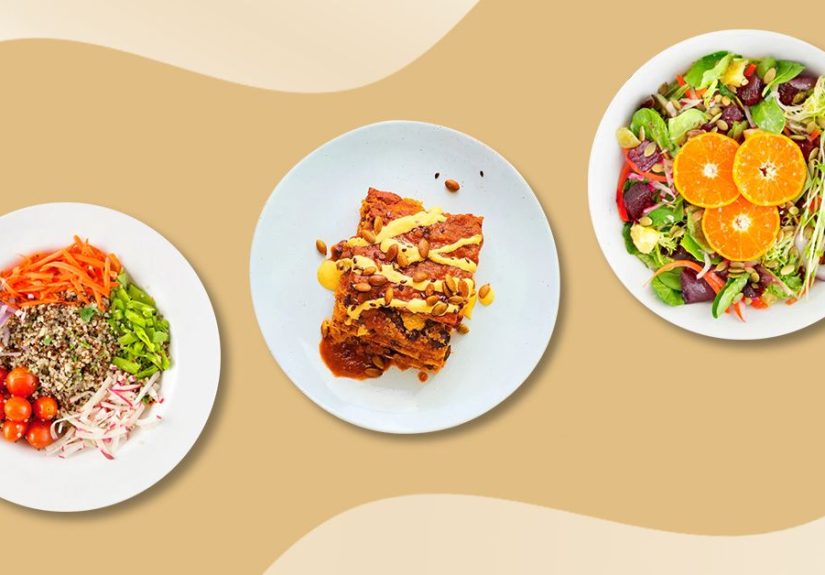
Sprinly is a plant-based prepared meal delivery service that promises fresh, ready-to-eat meals with clean ingredients and minimal effort. No grocery line, no chopping onions, no pan to scrub while questioning your life choices. Just heat and eat.
The catch? It is not cheap. And that is exactly why this review matters.
In this in-depth Sprinly review, we break down what the service offers, how the meals taste, what you are really paying for, and whether the value makes sense for your routine. We will also cover the nutrition angle, gluten-free fine print, meal freshness, and the kinds of people who are most likely to love it (and who may want to pass).
What Sprinly Is and Who It Is Built For
Sprinly is a weekly vegan meal delivery service focused on fresh, prepared meals. The brand positions itself as “honestly healthy,” and its messaging emphasizes no refined sugar, no artificial preservatives, and 100% gluten-free ingredients. Meals are fresh (not frozen), delivered weekly, and designed to be heated and eaten in minutes.
In practical terms, Sprinly is built for people who want:
- Plant-based prepared meals without doing the meal prep themselves
- A gluten-free ingredient approach (with an important kitchen caveat discussed below)
- Fast weekday lunches and dinners that feel more like real food than “diet trays”
- A flexible subscription that can be skipped or canceled
It is especially appealing for busy professionals, people trying to eat more plants, and households that want a healthier backup plan for chaotic weeks. If your current routine is “takeout roulette,” Sprinly can feel like a very organized adult friend who keeps showing up with better decisions.
How Sprinly Works
1) You Choose a Plan
As of February 23, 2026, Sprinly lists three weekly plans:
- 6 meals: $109/week
- 12 meals: $199/week
- 18 meals: $299/week
You choose meals in your customer portal, and Sprinly says it displays the next four weeks of menus. That is a nice quality-of-life feature because you can plan around travel, events, or the occasional “I will definitely eat at my desk all week” season.
2) Meals Arrive Fresh, Not Frozen
Sprinly ships orders on Monday, with delivery typically arriving Tuesday or Wednesday. The company says boxes are insulated and packed with ice packs, and you do not need to be home for delivery. That matters more than it sounds: the entire point of prepared meals is convenience, and signature-required delivery would ruin the vibe fast.
The company also notes that meals are meant to stay fresh through the week, with some dishes labeled “Eat Me Earlier” for ingredients that do not hold quality as long. That is a smart, transparent touch.
3) Heat and Eat
Sprinly markets the meals as ready in about 3 minutes or less, depending on the dish and your reheating method. In other words, this is not a meal kit. You are not cooking. You are assembling exactly zero things unless you count removing a lid as culinary labor.
Sprinly Pricing: Healthy Meals for a Price
Let’s talk numbers, because the title of this review is not “Sprinly Review: Healthy Meals for a Bargain.”
Based on the listed weekly prices, the approximate cost per meal comes out to:
- 6-meal plan: $109 ÷ 6 = $18.17 per meal
- 12-meal plan: $199 ÷ 12 = $16.58 per meal
- 18-meal plan: $299 ÷ 18 = $16.61 per meal
Yes, you read that right: at the current listed prices, the 12-meal plan is slightly cheaper per meal than the 18-meal plan (by about 3 cents per meal). That is not a dealbreaker, but it is the kind of detail value-focused shoppers notice immediately.
So is Sprinly expensive? Compared with cooking at home from scratch, absolutely. Compared with many prepared meal services, it is still on the premium side. Several reviewers from mainstream outlets call out the cost as one of the biggest downsides, and that is a fair criticism.
The more useful question is: what are you paying for? With Sprinly, you are paying for convenience, fresh prepared meals, plant-based ingredients, and a health-oriented menu style. If your alternative is frequent delivery takeout or expensive lunches, Sprinly may feel less outrageous than it looks at first glance.
Taste, Texture, and Variety: What Reviewers Commonly Report
Here is where Sprinly tends to earn real points.
Healthline’s reviewer praised Sprinly for freshness, texture, and flavor, describing the meals as especially fresh-tasting and highlighting crunchy vegetables and chewy whole grains. That kind of feedback matters because “healthy prepared meals” can sometimes mean “sad steamed vegetables with a motivational quote.” Sprinly appears to perform much better than that stereotype.
Reviewers also repeatedly note that Sprinly meals look and taste more like intentional food than generic frozen-diet-center food. Good Housekeeping specifically highlighted the thoughtfulness of ingredients and called out details like flaxseed and chia-based binding in one dish, which suggests the menu is designed with nutrition and texture in mindnot just macros on a label.
That said, the praise is not universal. A few recurring critiques come up across reviews:
- Limited weekly selection: only six meal choices per week is a common complaint
- Menu repetition: some reviewers noticed repeat dishes or recurring patterns
- Portion satisfaction varies: some people find the meals filling, while others want more volume or more protein
This is actually pretty normal in the vegetarian and vegan meal delivery category. Even Food & Wine’s broader vegetarian meal delivery testing notes that freshness, balance, and occasional repeats are common comparison points when evaluating services. Sprinly’s difference is that it leans hard into “fresh and clean” rather than “maximum portion for the dollar.”
Translation: if your top priority is taste plus ingredient quality, Sprinly makes a strong case. If your top priority is huge portions and low cost, it becomes a tougher sell.
Nutrition and Ingredient Quality: Strong, With a Few Fine-Print Notes
Plant-Based Strengths
Sprinly’s model aligns with a lot of evidence-backed nutrition themes: more vegetables, legumes, grains, seeds, and plant proteins. Major health organizations and research sources consistently note that well-planned plant-forward eating patterns can support heart health and provide fiber, vitamins, and minerals. The American Heart Association also highlights that plant protein sources often bring fiber and micronutrients along with protein.
Harvard researchers have also reported that a higher ratio of plant protein to animal protein is associated with lower cardiovascular disease risk. That does not mean every vegan packaged meal is automatically “healthy,” but it does support the general direction Sprinly is targeting.
Protein: The Most Common Concern
If there is one nutrition concern that comes up most often in plant-based prepared meal reviews, it is protein. Women’s Health explicitly flagged that some Sprinly meals are low in protein, and that is worth taking seriouslyespecially if you are active, trying to stay full longer, or using these meals for dinner.
The good news is that this is an easy fix if you plan ahead. You can pair lower-protein meals with simple add-ons like:
- Edamame
- Tofu or tempeh
- Lentils
- Roasted chickpeas
- Pumpkin seeds or hemp hearts
Nutrition outlets like EatingWell often emphasize variety in plant proteins for both fullness and amino acid coverage, and that advice fits perfectly here. If you treat Sprinly as the base of the meal instead of the entire plan, the nutrition value goes up fast.
Gluten-Free: Good for Many, But Read the Kitchen Disclaimer
Sprinly states that it uses 100% gluten-free ingredients, and many reviews mention this as a major benefit. However, the company also clearly says meals are not prepared in a certified gluten-free kitchen and advises people with gluten allergies to use caution.
That distinction matters. The FDA has rules for “gluten-free” labeling in packaged foods, including the less-than-20-ppm standard, but for highly sensitive individuals, cross-contact risk still matters in real-world food preparation environments. So if you have celiac disease or severe gluten sensitivity, this is a “read carefully and confirm comfort level” situationnot an auto-buy.
Vegan Nutrition Reminder: B12 Still Matters
A quick reality check for anyone going fully plant-based: even if a service is packed with vegetables and whole foods, vitamin B12 still needs intentional planning. The Academy of Nutrition and Dietetics has long emphasized that well-planned vegetarian and vegan diets can support health, but B12 should come from reliable fortified foods or supplements.
Sprinly can absolutely help with consistency and healthier meal patterns, but it should not be your only nutrition strategy. Think of it as a tool, not a magic leaf-powered life reset.
Convenience, Freshness, and Food Safety
Convenience is the real reason most people subscribe to prepared meal delivery, and Sprinly gets a lot right here.
The company provides weekly delivery, no-signature drop-off, and menu management through a portal. It also gives freshness guidance and marks meals that should be eaten earlier. That is a nice touch because some prepared meal services act like every dish has the same fridge lifespan, which is not how actual food works.
For your own safety, it is still smart to follow general refrigerated food rules. USDA guidance and Mayo Clinic recommendations both emphasize using cooked leftovers within about 3 to 4 days and reheating properly. Sprinly’s “Eat Me Earlier” labeling fits nicely with that common-sense food safety framework.
One more convenience note: Sprinly says meals are single servings, but also notes that some customers stretch them to 1 to 1.5 meals. It also lists many meals in the 14–20 oz range. In plain English, portion experience can vary a lot depending on your appetite, goals, and whether you add sides.
Packaging and Sustainability
Prepared meal delivery always comes with packaging. That is the trade-off: less cooking chaos for you, more boxes and containers in the recycling pile.
Reviewed’s testing described Sprinly’s packaging positively, noting compostable insulated liners, reusable ice packs, and recyclable components. That is a strong point if sustainability matters to you and you feel mildly judged by your own trash can every Thursday.
Still, even eco-friendlier packaging is still packaging. If you are extremely packaging-sensitive, this category may bother you no matter which brand you choose. Sprinly seems to do better than many competitors, but it cannot fully escape the reality of shipping fresh food.
Pros and Cons of Sprinly
Pros
- Fresh, ready-to-eat vegan meals with strong reviewer feedback on taste and texture
- Ingredient philosophy is clear: no refined sugar, no artificial preservatives, gluten-free ingredients
- Convenient weekly delivery and easy skip/cancel flexibility
- Useful freshness guidance, including “Eat Me Earlier” labels
- Thoughtful nutrition-forward menu design, with some reviewers praising sodium restraint
- Solid option for busy people trying to eat more plants consistently
Cons
- Premium pricing (this is the biggest downside for most shoppers)
- Only six meal choices per week can feel limiting
- Some meals may be too low in protein or less filling for certain users
- Menu repetition can happen over time
- Not prepared in a certified gluten-free kitchen, so highly sensitive users should be cautious
Who Should Try Sprinly (and Who Should Skip It)
Sprinly Is a Great Fit If You…
- Want healthy meal delivery without cooking
- Prefer vegan prepared meals that feel fresh, not frozen
- Value ingredient quality over bargain pricing
- Need a reliable weekday lunch/dinner system
- Are trying to reduce takeout and make healthier choices easier
You Might Skip Sprinly If You…
- Need the lowest possible cost per meal
- Want large portions by default
- Get bored easily with a smaller weekly menu
- Need a certified gluten-free production kitchen
- Prefer cooking from scratch and using meal delivery only for ingredients
Experience Add-On: What a Typical Sprinly Week Feels Like (Real-World Expectations)
To make this review more practical, here is the part many people actually want: what the Sprinly experience usually feels like once the novelty wears off and it becomes part of your real schedule.
Week one usually starts strong. The box arrives, everything looks colorful, and you immediately feel like you are the kind of person who has a labeled water bottle and remembers to stretch. The meals tend to look fresher than many prepared alternatives, which is one reason so many reviewers comment on texture and ingredient quality. You can usually see distinct vegetables, grains, and sauces instead of a mystery mash under steam.
The first big win is speed. On a busy day, opening the fridge and heating a meal in a few minutes is a genuine relief. There is no cleanup beyond basic packaging, no grocery detour, and no “what should I make?” decision fatigue. That alone can make Sprinly feel worth the price if your week is packed.
The second big win is consistency. People who struggle to eat enough vegetables often do better when healthy food is already waiting for them. Sprinly removes several friction points at once: planning, shopping, prep, and cleanup. For many users, this is where the service earns its keep. It is not just about tasteit is about reducing the gap between “I want to eat better” and “I am too tired to do that tonight.”
By week two or three, the trade-offs become clearer. If you have a bigger appetite, you may start adding sides (fruit, soup, extra tofu, toast, edamame, or a protein snack). If you are very active, you may especially notice this at dinner. That does not make the meals bad; it just means Sprinly often works best as a high-quality core meal, not always a full end-to-end fueling strategy.
Variety is the other thing people notice over time. A six-meal weekly menu can be totally fine if you enjoy the flavor profile and like repeating favorites. But if you crave constant novelty, you may start feeling the repetition. Some users handle this by using Sprinly only on high-stress weeks and skipping deliveries the rest of the time. That approach actually makes a lot of sense and can improve the value equation.
The price conversation also gets more honest over time. Sprinly is easier to justify when you compare it to restaurant takeout, not when you compare it to home-cooked rice and beans. If you are replacing $20 lunches and random delivery dinners, the math can feel reasonable. If you are already meal-prepping affordably, Sprinly will feel like a luxury convenience upgrade.
Final verdict: Sprinly is one of the better choices in the vegan prepared meal delivery space if your priorities are freshness, ingredient quality, and convenienceand you are willing to pay for that combination. It is not the cheapest, and it is not the biggest portion option, but it does a lot of things well. For the right person, Sprinly is not just “healthy meals for a price.” It is healthy meals that make busy weeks dramatically easier.