Table of Contents >> Show >> Hide
- Why Shiplap Starts to Feel Dated
- How to Freshen Up Outdated Shiplap
- 1) Repaint it in a richer, more modern color
- 2) Change the direction: go vertical (or even diagonal)
- 3) Use thinner planks for a more refined look
- 4) Shrink the shiplap zone
- 5) Add trim, molding, or millwork for a finished look
- 6) Upgrade the decor around it
- 7) Try stain, two-tone paint, or natural wood finishes
- The Smart Paint-and-Prep Plan
- If You Want to Move Beyond Shiplap
- Common Mistakes to Avoid
- Conclusion
- Additional Experiences and Real-World Refresh Stories (Extended Section)
- SEO Tags
If your home still has shiplap from the great farmhouse boom, do not panic. You do not need to rip it all out in a dramatic weekend spiral while muttering, “Why did I do this in 2019?” Shiplap is not the problem. Overdoing it, painting it the same tired bright white, and styling it with old farmhouse clichés is usually the real issue.
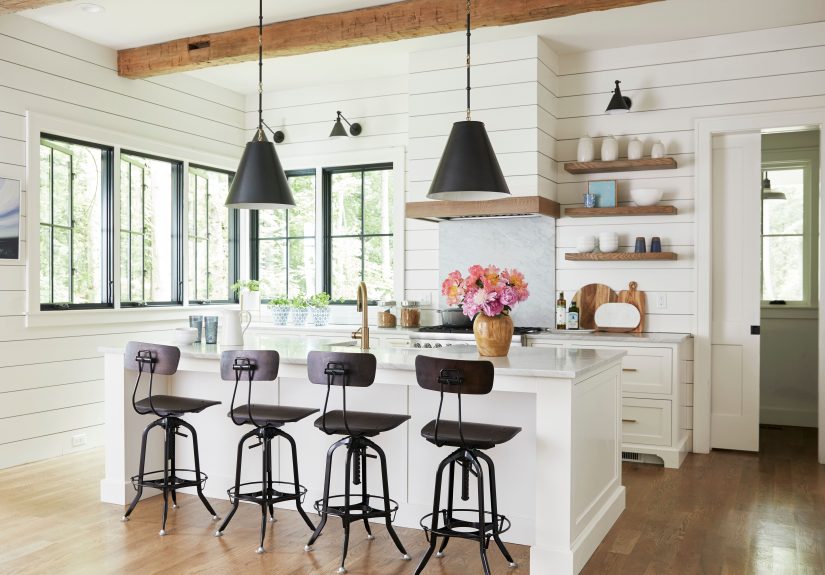
The good news: shiplap can still look beautiful, current, and even a little luxurious. The trick is to treat it like architectural texturenot the entire personality of the room. With a few smart upgrades (paint color, orientation, trim details, and styling), you can make shiplap feel intentional again instead of “left over from a home reno era.”
This guide walks you through exactly how to modernize dated shiplap, what mistakes to avoid, and when it might be time to pivot to another wall treatment. You will also get practical paint-prep tips so your refresh actually lasts.
Why Shiplap Starts to Feel Dated
1) It got overused
Shiplap became wildly popular for a reason: it adds texture, warmth, and visual character fast. But once it spread from one accent wall to kitchens, ceilings, fireplaces, hallways, and even powder rooms, the look started feeling less curated and more copy-and-paste. When every room screams “farmhouse,” the home can lose its sense of balance.
2) The styling around it froze in time
A lot of shiplap walls are not dated because of the boards themselves. They feel outdated because they are paired with the same old formula: bright white planks, black script signs, distressed decor, and chunky rustic accessories. When the accessories change, the wall suddenly looks better. Think of shiplap as a neutral blazerit looks very different depending on what you pair it with.
3) Maintenance issues show up
Shiplap grooves collect dust and grime, especially horizontal boards in high-traffic areas. In humid spaces, poorly finished wood can also show wear faster than expected. That does not mean shiplap is “bad,” but it does mean your refresh should include a maintenance-minded finish and a realistic placement strategy.
4) It clashes with the rest of the home
Shiplap shines in coastal homes, cottages, cabins, lake houses, and farmhouse-inspired spaces. It can still work elsewhere, but it needs to be adapted. A sleek contemporary condo with wall-to-wall rustic white shiplap may feel like two design stories arguing in the same room.
How to Freshen Up Outdated Shiplap
1) Repaint it in a richer, more modern color
This is the fastest transformation. Instead of default white, try colors that add depth and make the texture feel elevated: warm greige, taupe, mushroom, olive, dusty blue, charcoal, or deep navy. Darker, earthy tones can make shiplap look less “theme-y” and more architectural.
If you want a subtle update, paint the shiplap the same color as the surrounding walls. This trick keeps the texture while lowering the visual contrast. The wall reads as sophisticated texture first, shiplap second. It is especially effective in bedrooms, dining rooms, and offices.
Another smart move is a color-drenched look: paint the shiplap, trim, and adjacent millwork in coordinated tones. This creates a custom feel and helps old shiplap blend into a more polished design plan.
2) Change the direction: go vertical (or even diagonal)
Most dated shiplap is installed horizontally in wide white planks. A modern update is to shift orientation. Vertical shiplap instantly changes the vibe and can make ceilings appear taller. It feels cleaner, less rustic, and more tailoredgreat for bedrooms, fireplaces, and built-ins.
Want something bolder? A diagonal shiplap application can create a graphic focal point, especially in small spaces like nooks, mudrooms, or a feature wall near cabinetry. Use this sparingly, but when done well, it looks custom and high-end.
3) Use thinner planks for a more refined look
Wide boards can look heavy in smaller or newer homes. Thinner planks or a more delicate profile feel lighter and more contemporary. They also play nicely with styles beyond farmhouse, including Scandinavian, Japandi, and modern traditional interiors.
If you are not replacing the boards, you can still mimic a more refined look by painting the wall in a low-contrast color and adding slim trim or molding details around it. The visual weight shifts from “big wall treatment” to “intentional design detail.”
4) Shrink the shiplap zone
If your whole room is covered in shiplap and it feels like too much, you do not always need demolition. Consider visually reducing the impact:
- Turn it into an accent wall by repainting the surrounding walls a complementary color.
- Keep shiplap only on the fireplace surround or chimney breast.
- Convert it into a half wall look by adding a horizontal trim cap.
- Use it on built-ins only, and keep the rest of the room smooth.
This “small dose” approach makes shiplap feel current because it works as texture, not wallpaper-for-the-entire-house energy.
5) Add trim, molding, or millwork for a finished look
One reason shiplap can look builder-basic is that it ends abruptly. Add a finishing detail and it immediately looks more intentional. Crown molding, picture rail, trim framing, or even a clean border around a fireplace can elevate the whole wall.
You can also mix shiplap with other classic wall treatments:
- Wainscoting + wallpaper: polished and layered
- Board-and-batten + paint: modern and structured
- Vertical slat paneling: warm, contemporary, and textural
The point is not to hide shiplap completely. It is to give it company so it feels like part of a larger design language.
6) Upgrade the decor around it
This step is massively underrated. Many shiplap walls look outdated because of what is hanging on them. Retire the tired farmhouse signs, random scripted quotes, and overly distressed accessories. Then replace them with:
- Classic art in simple or gold frames
- Large-scale photography
- A well-composed gallery wall
- Sculptural lighting
- Leather, linen, wool, and woven textures
Shiplap can absolutely support a more refined look. It just needs better styling. Imagine “quiet luxury with texture,” not “barn chic starter pack.”
7) Try stain, two-tone paint, or natural wood finishes
Not all shiplap needs to be painted. Stained or natural wood shiplap can feel warmer and more timeless, especially in bathrooms, offices, and lake-house-style spaces. A natural finish also helps the wall read as wood craftsmanship instead of a trend.
Another option: two-toned shiplap. Alternating or combining light and dark tones can help highlight built-ins, alcoves, or architectural features. Even a subtle contrast can make older shiplap look custom instead of generic.
The Smart Paint-and-Prep Plan
If you want your shiplap refresh to last, do not skip prep. Paint is not magic. It is more like a reward for patience.
Step 1: Clean the surface (yes, really)
Shiplap grooves trap dust, and kitchen or mudroom walls may have invisible grease. Wash the wall with warm water and mild dish soap, then rinse and let it dry fully. For greasy areas, use a stronger cleaner as needed. A clean surface helps primer and paint stick better and gives you a smoother finish.
Step 2: Degloss or lightly sand
If the existing surface is glossy, paint may struggle to bond. A liquid deglosser can help, or you can lightly sand the surface. Focus on high-touch areas, corners, and edges where old paint tends to fail first.
Step 3: Prime like you mean it
Use a stain-blocking primer (especially on knotty wood or older paneling). Apply with a roller, then use a brush to work primer into seams and cracks. This step prevents wood stains and tannins from bleeding through your new color later.
Step 4: Choose the right sheen
Sheen matters more than people think. It affects durability, cleanability, and how the wall texture reads in light.
- Eggshell: a safe, versatile choice for most walls; soft look with decent cleanability.
- Satin: slightly shinier and more durable; great for shiplap in higher-touch areas.
- Pearl / low-luster: useful for hallways, kitchens, and bathrooms where you want extra durability without full gloss.
- Semi-gloss: best for trim and doors, not usually the entire shiplap wall unless you want a stronger reflective finish.
If your shiplap is in a mudroom, bathroom, or busy hallway, satin is often the sweet spot. For a living room or bedroom, eggshell can keep the look softer and more forgiving.
Step 5: Test color in daylight and lamp light
Shiplap’s grooves create shadows, so colors can look darker than they do on a flat drywall sample. Paint test swatches in a few spots and check them morning, afternoon, and evening. A color that looks perfect at noon can look muddy after sunset.
If You Want to Move Beyond Shiplap
Sometimes the best way to freshen shiplap is to replace it. If the boards are damaged, warped, or just wrong for your style, consider these modern alternatives:
Limewash or plaster finishes
These have a handcrafted look with depth and movement. They feel softer and more organic than flat paint and can work beautifully in bedrooms, dining rooms, and entryways.
Vertical slat paneling
This is one of the most popular updates for homeowners who still want texture but want a more contemporary feel. It adds rhythm and craftsmanship without the farmhouse association.
Picture-frame molding or inset paneling
Perfect for traditional and modern-classic homes. It gives walls structure and elegance and works well with both paint and wallpaper.
Wainscoting with wallpaper above
This combination adds charm and dimension while giving you flexibility. It is ideal if you want a layered look that feels curated instead of trendy.
Common Mistakes to Avoid
- Painting without cleaning: dust in grooves is the enemy of a smooth finish.
- Using the wrong sheen: flat paint in a mudroom is a heartbreak waiting to happen.
- Keeping old decor: a fresh wall with dated signs still looks dated.
- Overdoing contrast: bright white shiplap + stark black everything can feel harsh fast.
- Ignoring scale: wide planks in a small room can overwhelm the space.
- Using shiplap everywhere: let some walls breathe.
Conclusion
Shiplap is not dead. It just needs better styling, smarter color choices, and a little restraint. If you treat it like architectural texture instead of a design gimmick, it can still look stunning in 2026 and beyond.
Start with the easiest wins: repaint in a richer color, upgrade the decor, and improve the finish details. If that is not enough, reduce the shiplap to a smaller accent or pair it with another wall treatment for a more layered look. Either way, you can absolutely keep the character and lose the “dated farmhouse” vibe.
In other words, your shiplap is not canceled. It just needs a glow-up.
Additional Experiences and Real-World Refresh Stories (Extended Section)
One of the most common experiences homeowners report is that shiplap looked amazing at first, then slowly started to feel too theme-driven as the rest of their taste evolved. A family might begin with a bright white shiplap living room because it felt cozy and fresh, then a few years later they start buying cleaner-lined furniture, warmer woods, and more modern lighting. Suddenly the wall feels like it belongs to a different house. In many of these situations, the fix is not expensive. Repainting the shiplap in a warmer neutral and replacing rustic accessories with simpler decor often changes the mood immediately. The wall goes from “farmhouse set piece” to “subtle architectural texture,” and the whole room feels more grown up.
Another common experience happens in bedrooms. Homeowners often install a shiplap headboard wall because they want visual interest, but the contrast ends up feeling too sharpespecially when the shiplap is bright white and the rest of the room is painted a soft color. A practical refresh that works well is painting the shiplap the exact same color as the surrounding walls. People are usually surprised by how effective this is. The grooves still catch light, so the texture remains, but the room becomes calmer and more cohesive. Several designers use this same-color approach when a client wants the charm of paneling without making the wall the loudest thing in the room.
Bathrooms and mudrooms create a different kind of experience: maintenance frustration. Horizontal grooves can trap dust, and in busy homes they also catch splashes, lint, or grime. Homeowners who love the look but hate the upkeep often report better results after switching to a more durable paint finish and a deeper color. Satin or pearl finishes are easier to wipe down than flatter paints, and medium-to-dark shades hide minor mess between cleanings. Some people also realize they do not need full-wall shiplap in these rooms. A half-wall application or a single shiplap section near hooks or a vanity often delivers the same style impact with less cleaning.
There are also plenty of success stories from homeowners who thought they needed a total tear-out but ended up choosing a smarter hybrid update. For example, someone may keep the existing shiplap on a fireplace wall, then add crown molding, swap in modern sconces, and paint the wall a smoky charcoal or muted olive. That one change can make the fireplace look custom and intentional. In dining rooms, people often pair old shiplap with wallpaper, art, or wainscoting-style trim to create a layered look that feels collected over time instead of installed all at once. The main lesson from these experiences is simple: shiplap becomes outdated fastest when it is the only design move in the room. Once it is part of a broader plan, it looks timeless again.