Table of Contents >> Show >> Hide
- What Is Thai Panang Curry?
- Key Ingredients for Panang Chicken Curry
- Thai Panang Chicken Curry Recipe (Serves 4)
- Flavor Tweaks, Swaps, and Dietary Options
- How to Serve Thai Panang Chicken Curry
- Storage, Freezing, and Make-Ahead Tips
- Experience: Real-Life Lessons from Cooking Panang Chicken Curry
- Final Thoughts
If your idea of comfort food involves a cozy bowl of creamy, coconut-rich curry and a
frankly irresponsible amount of jasmine rice, Thai Panang chicken curry is about to
become your new weeknight obsession. This dish takes everything people love about Thai
red curry and dials up the richness, nuttiness, and aroma with peanuts and kaffir lime
leaves. The best part? With a few key ingredients and smart techniques, you can make a
restaurant-level Thai Panang chicken curry at home in under an hour.
In this in-depth guide, we’ll walk through what makes Panang curry special, the must-have
ingredients, a step-by-step Thai Panang chicken curry recipe, and plenty of tips,
variations, and real-life cooking insights. Grab your wok (or your most trustworthy
skillet) and let’s turn your kitchen into the Thai restaurant you wish delivered.
What Is Thai Panang Curry?
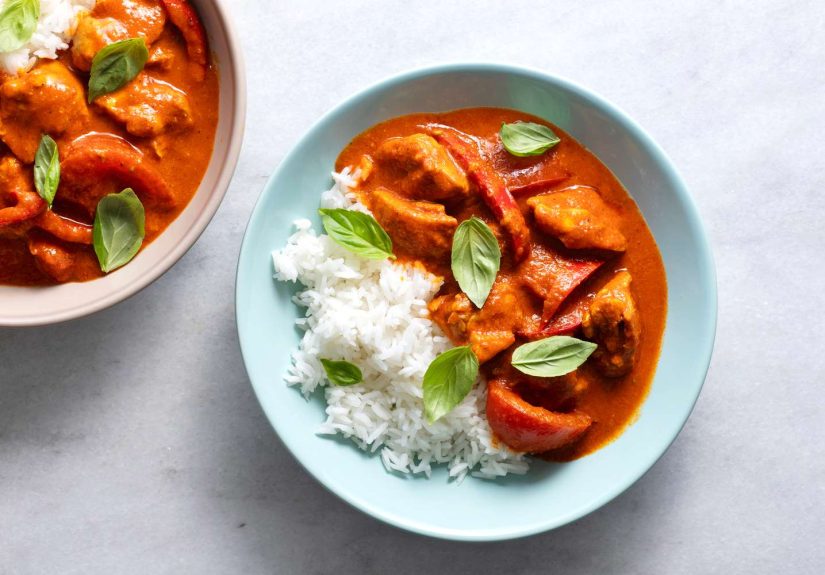
Panang (also spelled phanaeng) curry is a Thai curry that’s thicker, creamier,
and slightly sweeter than classic red curry. It traditionally features a rich coconut
base, Panang curry paste, crushed peanuts or peanut butter, fish sauce for salty depth,
and fragrant kaffir (makrut) lime leaves. Compared with red curry, Panang usually has:
- A thicker, creamier sauce that clings to the chicken and rice.
-
A nutty, slightly sweet flavor thanks to ground peanuts or peanut butter mixed into
the curry. -
A bit less heat than red curry, making it super approachable even for spice-shy
eaters (you can still crank up the chilies if you like it fiery).
Many Thai restaurants around the world serve Panang curry with chicken, and for good
reason: tender chicken pieces soak up the sauce like little flavor sponges. But once you
understand the base recipe, you can easily swap in shrimp, tofu, or mixed vegetables.
Key Ingredients for Panang Chicken Curry
To get that unmistakable Panang flavor, a few ingredients are non-negotiable. Others are
flexible depending on what you can find at your local grocery store or Asian market.
Panang Curry Paste
The heart of the dish is the curry paste. Traditional Panang curry paste usually
includes:
- Dried red chilies
- Lemongrass
- Galangal or ginger
- Garlic and shallots
- Coriander and cumin seeds
- Shrimp paste (for salty umami depth)
- Lime zest or kaffir lime peel
- Roasted peanuts or ground peanut component
You can absolutely pound your own curry paste in a mortar and pestle if you want to go
full “Thai grandma mode,” but store-bought Panang curry paste works beautifully for most
home cooks. Look for brands that list lemongrass, kaffir lime, and chilies high on the
ingredient list. If you only have red curry paste, you can “Panang-ify” it with a spoon
of peanut butter and a little extra ground coriander and cumin.
Coconut Milk
Full-fat coconut milk is key for that luxurious, restaurant-style texture. You want the
thick, creamy kind in a can, not the thin coconut beverage in a carton. Many Thai cooks
start by reducing a portion of the coconut milk until the oil separates, then frying the
curry paste in that fragrant fatthis unlocks deeper flavor and a glossy sauce.
Chicken
Boneless, skinless chicken thighs are ideal: they stay tender and juicy even with a
longer simmer. If you prefer leaner meat, chicken breast works toojust slice it thin
and avoid overcooking. Aim for bite-size strips so the chicken cooks quickly and absorbs
the curry sauce.
Aromatics, Herbs, and Seasonings
-
Kaffir (Makrut) Lime Leaves: Thinly sliced, they add a bright,
citrusy aroma that screams “authentic Thai curry.” -
Fish Sauce: Provides saltiness and umamidon’t skip it unless you’re
making a vegetarian version. -
Palm Sugar or Brown Sugar: Balances the salt and heat with mellow
sweetness. - Thai Basil: Adds an anise-like, peppery freshness at the end.
-
Peanut Butter or Ground Peanuts: Reinforces that signature nutty,
Panang character.
Optional Vegetables
While some traditional versions are mostly chicken and sauce, many modern recipes add
vegetables for color and nutrition. Great options include:
- Red and yellow bell peppers
- Snow peas or green beans
- Baby corn
- Carrots, thinly sliced
- Bok choy or spinach added at the very end
Thai Panang Chicken Curry Recipe (Serves 4)
Ingredients
For the curry:
- 1–1.25 pounds (450–560 g) boneless, skinless chicken thighs, thinly sliced
- 2 tablespoons neutral oil (coconut or vegetable)
- 3–4 tablespoons Panang curry paste (adjust to your heat preference)
- 1 (13.5- to 14-ounce) can full-fat coconut milk, well stirred
- 1/3 cup smooth peanut butter or 1/3 cup finely ground roasted peanuts
- 1–2 tablespoons palm sugar or packed light brown sugar
- 2–3 tablespoons fish sauce, to taste
- 4–6 kaffir (makrut) lime leaves, stems removed, finely shredded
- 1 small sweet onion, thinly sliced
- 1 red bell pepper, thinly sliced
- 1 small green or yellow bell pepper, thinly sliced (optional)
- 1–2 fresh red chilies, sliced (optional, for extra heat)
- 1/2 cup Thai basil leaves, loosely packed
- Juice of 1/2 lime (optional, for brightness)
To serve:
- Steamed jasmine rice
- Extra Thai basil and sliced chilies for garnish
Step-by-Step Instructions
-
Prep everything first.
Slice the chicken, cut the vegetables, shred the kaffir lime leaves, and measure out
your curry paste, coconut milk, peanut butter, sugar, and fish sauce. Panang curry
cooks quickly, and having everything ready makes you feel like a cooking show host in
the best way. -
Bloom the curry paste.
Heat the oil in a large skillet or wok over medium heat. Add the Panang curry paste
and stir-fry for 1–2 minutes until fragrant and slightly darker in color. If it looks
dry or starts sticking, add a spoonful of the thick coconut cream from the top of the
can. -
Build the sauce base.
Pour in about half of the coconut milk and stir to combine with the curry paste. Let
it simmer gently for 3–5 minutes, stirring occasionally, until the sauce thickens
slightly and you see tiny beads of oil rise to the surface. This step deepens the
flavor and gives you that glossy restaurant finish. -
Add the chicken.
Stir in the sliced chicken, coating each piece in sauce. Cook for 4–5 minutes, just
until the chicken starts to turn opaque. It doesn’t need to be fully cooked yet; it
will finish in the sauce. -
Finish the sauce.
Add the remaining coconut milk, peanut butter (or ground peanuts), palm sugar, fish
sauce, shredded kaffir lime leaves, sliced onion, and bell peppers. Stir until the
peanut butter dissolves and everything is combined. -
Simmer to perfection.
Bring the curry to a gentle simmer and cook for 10–12 minutes, stirring occasionally,
until the chicken is cooked through, the vegetables are tender-crisp, and the sauce is
slightly thickened. If the sauce becomes too thick, splash in a bit of water or
chicken broth. -
Adjust the flavor.
Taste and tweak: add more fish sauce if it needs saltiness, more palm sugar if you’d
like it sweeter, or a little extra curry paste or sliced chili if you crave more heat.
A small squeeze of lime juice can brighten everything right before serving. -
Add the herbs and serve.
Turn off the heat and stir in most of the Thai basil leaves. Ladle the curry over
bowls of hot jasmine rice, then garnish with extra basil, sliced chilies, and a few
thin strands of kaffir lime leaf if you have them.
Flavor Tweaks, Swaps, and Dietary Options
Adjusting Heat and Sweetness
-
Milder curry: Use 2–3 tablespoons curry paste, skip the extra fresh
chilies, and add a touch more coconut milk. -
Spicier curry: Add more curry paste and throw in fresh Thai chilies or
serranos. You can also stir in a pinch of chili flakes at the beginning with the curry
paste. -
Sweeter curry: Increase the palm sugar slightly, but taste as you go
Panang is meant to be gently sweet, not dessert.
Protein and Veggie Variations
-
Shrimp Panang: Swap the chicken for peeled shrimp. Add them toward the
end and simmer just until pink and opaque, about 3–4 minutes. -
Tofu or Veggie Panang: Use firm tofu cubes and bump up the vegetables
like green beans, bell peppers, and baby corn. Replace fish sauce with soy sauce or a
vegan fish sauce alternative. -
Mixed Meat Panang: Combine chicken and thinly sliced beef or pork for
a “clean out the fridge but make it fancy” situation.
Gluten-Free and Dairy-Free Notes
Panang curry is naturally dairy-free thanks to coconut milk. To keep it gluten-free,
check labels on the curry paste, fish sauce, and soy sauce (if using) to ensure they’re
certified gluten-free. Most major brands now offer plenty of options.
How to Serve Thai Panang Chicken Curry
A good Panang curry turns into a complete meal with just a couple simple sides:
-
Rice: Jasmine rice is classic, but brown jasmine or even basmati works
in a pinch. -
Crunchy side: A simple cucumber salad with lime juice, sugar, and a
pinch of chili flakes cuts through the richness of the curry. -
Extra toppings: Crushed peanuts, more Thai basil, lime wedges, and
thinly sliced chilies all add texture and brightness.
Storage, Freezing, and Make-Ahead Tips
-
Fridge: Store leftover Panang chicken curry in an airtight container
for up to 3–4 days. The flavors actually meld and deepen overnight. -
Freezer: Freeze in portioned containers for up to 2–3 months. Thaw
overnight in the fridge and reheat gently with a splash of water or coconut milk. -
Make-ahead: You can prep sliced chicken, cut veggies, and even portion
curry paste and coconut milk ahead of time. Homemade Panang curry paste also freezes
beautifully in small cubes.
Experience: Real-Life Lessons from Cooking Panang Chicken Curry
The first time many home cooks try Thai Panang chicken curry, they treat it like any
other quick stir-fry: toss everything in the pan, crank the heat, hope for the best.
Spoiler alert: that method often ends in split coconut milk, chewy chicken, and a sauce
that tastes suspiciously like spicy peanut soup. Learning to make great Panang curry is
really about understanding a few small details that make a huge difference.
The biggest game-changer is frying the curry paste properly. It’s
tempting to dump curry paste, coconut milk, and chicken into the pan all at once, but
giving the paste a moment alone in the hot oil transforms the flavor. The aromatics
mellow, the chilies open up, and your kitchen suddenly smells like a Thai restaurant at
peak dinner rush. If the paste looks dry, a spoonful of coconut cream brings everything
together and keeps it from scorching.
Another common lesson: don’t rush the coconut milk. Panang curry is all
about that thick, clingy sauce. Letting half of the coconut milk simmer until it reduces
and releases its oil creates a richer base. It can feel like nothing’s happening for a
few minutes, but then the sauce turns silky and glossy, and you know you’re on the right
track. Patience now means fewer “why is my curry watery?” regrets later.
Then there’s the balancing act between salty, sweet, spicy, and creamy. Restaurant
curries seem mysterious, but in practice, it’s just a matter of tasting and adjusting.
Many home cooks underestimate how powerful fish sauce can be: start with less than you
think you need, then add in tiny splashes until the curry tastes full and round. Do the
same with palm sugar or brown sugaryou’re not trying to make it sugary, just smooth out
the sharp edges of the chilies and salt.
Vegetables are another place where experience pays off. Bell peppers and onions cook
quickly, so if you toss them in too early, they’ll surrender into limp, faded strips by
the time the chicken is done. Add sturdier vegetables, like green beans or carrots,
earlier in the simmer and save delicate veggies for the final few minutes. That way your
curry has both tender meat and crisp-tender vegetables instead of everything living in
the same “mushy middle.”
Many people also discover how forgiving Panang curry can be. Maybe you can’t find kaffir
lime leavesthat’s okay; add a little lime zest and juice. No peanuts on hand? Smooth
peanut butter steps in without complaint. Can’t source Thai basil locally? Fresh basil or
even a mix of basil and cilantro adds a similar herbal lift. The core idea is the same:
warm chilies, bright aromatics, creamy coconut, and a touch of nuttiness.
The final “aha” moment usually comes at the table. Once you plate the curry with jasmine
rice and take that first bite, you realize why people fall hard for Panang. The sauce
coats the rice, the chicken stays juicy, and the aromatics linger in a way that makes it
almost impossible not to go back for seconds. Over time, you’ll probably start tweaking
the recipeextra chilies here, more basil there, maybe a handful of shrimp or veggies
when you’re feeling adventurous.
That’s the real joy of a Thai Panang chicken curry recipe: it starts as a dish you
follow step by step, but it quickly becomes “your” house curry, the one friends request,
roommates hover over, and family members ask you to make again “just like last time, but
maybe with a little extra sauce.” Once you’ve nailed the basics, you’re not just cooking
dinneryou’re building a signature dish.
Final Thoughts
Thai Panang chicken curry is the rare weeknight meal that feels like a special
occasioncreamy, aromatic, deeply flavorful, and endlessly customizable. With quality
Panang curry paste, full-fat coconut milk, and a few bright herbs, you can create a
bowl of curry that rivals your favorite takeout in both taste and comfort.
Try the recipe once as written, then play with spice, sweetness, and add-ins until it
fits your own taste perfectly. That’s when you know you’ve moved from simply cooking a
recipe to owning it.