Table of Contents >> Show >> Hide
- What Is the Grapefruit Diet?
- Why People Think It Works (and What’s Actually Happening)
- Pros of the Grapefruit Diet
- Cons of the Grapefruit Diet (The Important Part)
- 1) Rapid weight loss is often rapid rebound
- 2) Many versions are extremely low-calorie and unbalanced
- 3) Grapefruit can dangerously interact with medications
- 4) Juice is not the same as the fruit
- 5) It can worsen reflux or irritate sensitive stomachs
- 6) It encourages “food morality” and black-and-white thinking
- 7) Not ideal for certain groups
- So… Is the Grapefruit Diet “Healthy”?
- A Safer, Smarter Way to Use Grapefruit for Weight Loss
- Who Should Avoid the Grapefruit Diet (or Ask a Professional First)
- Bottom Line: Should You Try the Grapefruit Diet?
- Real-World Experiences: What the Grapefruit Diet Feels Like (500-ish Words of Reality)
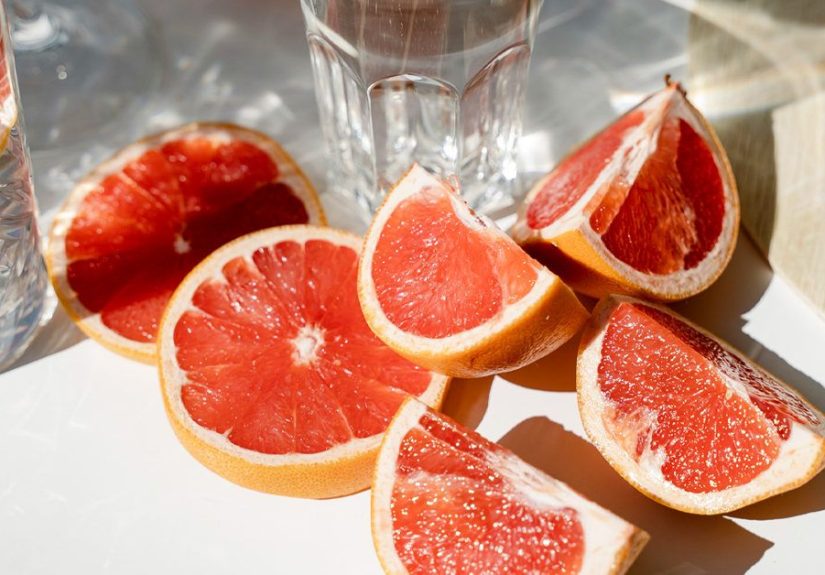
Grapefruit is a top-tier fruit. It’s pink, it’s punchy, it tastes like a citrusy wake-up call, and it makes your breakfast feel like you have your life together. So it’s no surprise that grapefruit has been cast as the leading actor in one of the most stubbornly famous fad diets in American history: the grapefruit diet.
If you’ve heard claims like “eat grapefruit and watch fat melt away,” you’re not alone. The grapefruit diet has been resurfacing for decades in different costumes: the “Hollywood diet,” “18-day diet,” “12-day grapefruit cleanse,” and even the not-actually-Mayo-Clinic “Mayo Clinic diet” impersonator. The promises are always the same: rapid weight loss, minimal effort, and a flattering narrative where your body is just one citrus away from greatness.
Let’s do a real grapefruit diet review: what it is, why people lose weight on it, the legit pros, the big cons (including medication interactions that are not a joke), and what a safer “grapefruit-friendly” approach can look like if you simply enjoy the fruit and want sustainable weight loss.
What Is the Grapefruit Diet?
The grapefruit diet is a short-term weight loss plan built around one main rule: eat grapefruit (or drink grapefruit juice) with meals, often before eating. Many versions also restrict carbohydrates heavily and lean into protein-heavy foods like eggs, meat, and some non-starchy vegetables. Some plans push very low daily caloriessometimes well under what most adults need to function comfortably.
Common rules you’ll see in grapefruit diet plans
- Grapefruit at every meal: often 1/2 a grapefruit or a serving of juice before breakfast, lunch, and dinner.
- Low-carb emphasis: grains, starchy vegetables, and many fruits get limited or banned.
- High-protein choices: eggs, fish, poultry, beef, sometimes bacon (because fad diets love drama).
- Short duration: usually marketed as 10–14 days, or “18 days,” then stop.
The origin story varies by version, but the “fat-burning enzyme” claim is the greatest hit that won’t quit. Modern medical and nutrition sources consistently note that this “magic enzyme” angle doesn’t hold up. In plain English: grapefruit is nutritious, but it isn’t a metabolic wizard with a tiny blowtorch for belly fat.
Why People Think It Works (and What’s Actually Happening)
The “fat-burning grapefruit” myth
A classic marketing claim is that grapefruit contains special enzymes that “melt fat” or “speed metabolism.” Reputable reviews of the grapefruit diet call this out as unsupported. Weight loss on these plans is not proof of a grapefruit superpower. It’s proof that eating fewer calories tends to make the scale moveat least for a while.
The real reason: calorie deficit (plus a little water weight)
Many grapefruit diet variations are low in calories and low in carbs. That combo can cause quick, temporary weight loss from: (1) eating fewer calories overall, and (2) shedding water weight as glycogen stores drop on a low-carb pattern. That’s why the diet can feel “shockingly effective” in the first weekthen feel much less magical after real life returns.
But does grapefruit itself help at all?
Grapefruit can support weight management indirectly. It’s low in calories and high in water, and it provides fiber (especially if you eat the fruit, not just the juice). As a pre-meal fruit, it may help some people feel more satisfied and eat less overall. There’s also research exploring grapefruit in metabolic health contexts, including studies in people with metabolic syndrome that found modest weight changes and improved insulin resistance with grapefruit intake. Still, that’s very different from “eat grapefruit and ignore everything else.”
Pros of the Grapefruit Diet
Even fad diets sometimes stumble into a few useful ideas. Here are the most defensible “pros,” with context so they don’t turn into oversold hype.
1) It’s simple (borderline too simple)
People like rules. “Have half a grapefruit with meals” is easy to remember, easy to shop for, and easy to follow for a short period. If decision fatigue is your biggest nutrition enemy, simplicity can feel like relief.
2) Grapefruit is nutrient-dense for the calories
Half a medium grapefruit is roughly 40 calories and provides vitamin C, fiber, and other nutrients. That’s a strong return on your calorie investment. Vitamin C supports immune function and tissue repair, and fiber supports digestion and satiety.
3) The “pre-meal fruit” habit can reduce mindless snacking
If you eat grapefruit before meals, you’re front-loading volume and flavor with relatively few calories. For some people, that reduces the urge to keep grazing later. It can also help replace higher-calorie starters (chips, bread baskets, “just a few” mozzarella sticks that turn into a family reunion).
4) It may nudge people toward more home-prepared meals
Many versions of the grapefruit diet rely on basic ingredients: fruit, eggs, protein, vegetables. If that gets someone cooking at home instead of living off drive-thru combo meals, health markers can improvemostly because overall diet quality improves, not because grapefruit is secretly running your metabolism like a high-performance engine.
5) Some studies suggest modest cardiometabolic benefits when grapefruit is added
Research isn’t uniform, but some trials have reported modest changes in waist circumference and blood pressure alongside grapefruit consumption, and an earlier well-known study reported improvements in insulin resistance with fresh grapefruit. This supports a reasonable takeaway: grapefruit can fit into a heart-healthy pattern. It does not validate extreme “lose 10 pounds in 10 days” marketing.
Cons of the Grapefruit Diet (The Important Part)
This is where the grapefruit diet earns its “fad” label. The downsides aren’t just theoreticalthey’re practical, medical, and behavioral.
1) Rapid weight loss is often rapid rebound
Quick weight loss plans often produce quick weight regain once normal eating returns. If a diet is too restrictive to maintain, it’s not a planit’s a temporary event. People can end up cycling: restrict hard, lose fast, rebound, feel discouraged, repeat. That loop is rough on consistency and can damage your relationship with food.
2) Many versions are extremely low-calorie and unbalanced
Some grapefruit diet menus land far below typical calorie needs and cut out major food groups. That can mean not enough carbohydrates for energy, not enough variety for micronutrients, and not enough fat for satiety and hormone support. The results can include headaches, irritability, fatigue, constipation, and the kind of mood that makes you apologize to strangers preemptively.
3) Grapefruit can dangerously interact with medications
This is the biggest “do not ignore” warning. Grapefruit (and grapefruit juice) can interfere with how your body metabolizes certain drugsespecially medications processed by enzymes like CYP3A4 in the gut. The interaction can raise drug levels in your blood and increase side effects, or in some cases reduce effectiveness depending on the medication and mechanism.
Classes commonly discussed in reputable medical guidance include certain cholesterol-lowering statins, some blood pressure medicines (notably specific calcium channel blockers), some anti-anxiety and psychiatric medications, immunosuppressants, and more. The key point: even a single grapefruit or glass of juice can matter, and the effect can vary widely by person and by drug. If you take any regular medication, this diet should not be your “try it on Monday” experiment. Talk to your clinician or pharmacist first.
4) Juice is not the same as the fruit
Many grapefruit diet plans allow or encourage grapefruit juice. Juice is easy to overconsume and lacks much of the fiber that helps with fullness. It’s also more concentrated, which can matter for medication interactions. If you’re including grapefruit for nutrition, the whole fruit is generally the better deal.
5) It can worsen reflux or irritate sensitive stomachs
Grapefruit is acidic. If you have reflux, gastritis, or a sensitive stomach, large daily amounts may aggravate symptoms. Add in the fact that some versions are high-protein and low-fiber (depending on the menu), and digestion can get… opinionated.
6) It encourages “food morality” and black-and-white thinking
Diet culture loves a hero ingredient. But sustainable weight loss usually comes from boring superpowers: consistent calories, enough protein, plenty of produce, strength training, sleep, stress management, and time. When a plan frames grapefruit as the magic key, it distracts from the habits that actually move the needle.
7) Not ideal for certain groups
Extremely restrictive diets are generally a poor match for: people with a history of disordered eating, teens, pregnant or breastfeeding individuals, and anyone with medical conditions requiring stable intake (for example, people who use glucose-lowering medications and are at risk for hypoglycemia). If your health situation is complicated, fad diets tend to make it more complicated.
So… Is the Grapefruit Diet “Healthy”?
Grapefruit itself can absolutely be part of a healthy diet. The grapefruit diet, as commonly promoted, is usually not a balanced long-term strategy. If your plan depends on restriction so intense you can’t imagine doing it during a normal workweek, it’s probably not a sustainable plan.
A Safer, Smarter Way to Use Grapefruit for Weight Loss
If you like grapefruit and want to leverage it in a way that’s actually compatible with real life, here’s the upgrade: use grapefruit as a supporting character in a balanced patternnot the entire plot.
Option A: The “pre-meal produce” habit (no gimmicks required)
Eat a serving of fruit or vegetables before mealsgrapefruit countsthen eat a normal balanced meal. This keeps the helpful part (volume, fiber, fewer empty calories) without turning your diet into a citrus-only personality.
Option B: Pair grapefruit with protein and healthy fats
Grapefruit alone is light. To make it satisfying, pair it:
- Grapefruit + Greek yogurt + a handful of nuts
- Grapefruit + cottage cheese + cinnamon
- Grapefruit segments in a salad with chicken, avocado, and olive oil vinaigrette
- Grapefruit as dessert after a balanced dinner (yes, dessert can be fruit; adulthood is complicated)
Option C: A sample “grapefruit-friendly” day (balanced, not extreme)
- Breakfast: 1/2 grapefruit + veggie omelet + whole-grain toast
- Lunch: big salad with protein (chicken, beans, or tuna), olive oil dressing, grapefruit segments
- Snack: yogurt or nuts + fruit
- Dinner: salmon, roasted vegetables, and a moderate portion of a carb (potato, rice, or quinoa)
Notice what’s missing: panic. And weird rules. And the idea that you must eat bacon forever because the grapefruit “needs” it.
Who Should Avoid the Grapefruit Diet (or Ask a Professional First)
- Anyone on prescription medications: check grapefruit warnings with your pharmacist/clinician first.
- People taking certain statins or blood pressure meds: grapefruit interactions can be clinically significant.
- Those with reflux or sensitive digestion: large daily amounts can worsen symptoms.
- Anyone with a history of disordered eating: rigid rules can be triggering.
- Pregnant/breastfeeding individuals or teens: avoid extreme restriction without medical guidance.
Bottom Line: Should You Try the Grapefruit Diet?
If your goal is fast scale movement for a short window, the grapefruit diet can “work” in the same way many low-calorie fad diets do: it creates a calorie deficit and often drops water weight quickly. The problem is that it’s rarely balanced, rarely sustainable, and carries a unique and serious risk: grapefruit can interact with medications in ways that are genuinely dangerous.
The better takeaway is simple: eat grapefruit because it’s nutritious and enjoyable, not because it’s a mythical fat incinerator. Build your weight loss strategy around habits you can keep for monthsnot rules you can barely tolerate for a week. Let grapefruit join the team. Don’t make it the coach, the trainer, and your entire personality.
Real-World Experiences: What the Grapefruit Diet Feels Like (500-ish Words of Reality)
People who try the grapefruit diet often report a predictable emotional arclike a mini TV series with a strong pilot and a questionable finale. Here’s a “composite” of common experiences, based on how restrictive diets typically play out for real humans with jobs, families, and group chats.
Days 1–2: The Honeymoon Phase
Day one usually feels surprisingly doable. You cut a grapefruit in half, sprinkle something on it (some folks go cinnamon, some go “optimism”), and tell yourself, “This is fine.” Meals feel structured. Grocery shopping is easy. There’s a smug satisfaction in having a plan.
Then day two arrives, and grapefruit shows up again. And again. And again. If grapefruit had a dating profile, it would say, “I’m intense, I’m complicated, and I will be present at every meal.” Still, many people feel lighter quickly. That early scale drop can be motivatingjust remember it’s often part calorie deficit, part water weight.
Days 3–5: The “Why Am I Thinking About Bagels?” Era
By midweek, the most common complaint is hunger or low energyespecially if the version you’re following is very low-carb or very low-calorie. People describe feeling foggy, cranky, or unusually fixated on foods they “can’t” have. This is also when the diet becomes socially awkward. Lunch meetings. Family dinners. Birthday cake existing within a five-mile radius. The diet is not built for normal life; it’s built for a brief, controlled environmentlike a reality show challenge where the prize is “you may now eat a potato.”
Days 6–10: Two Possible Endings
Ending A: You power through, feel proud, and enjoy the scale victory. Then you return to your usual pattern and regain some (or all) of the weight, because the plan didn’t teach you how to eat normally in a way you can maintain. That rebound feels discouraging, even though it’s a very common outcome of short-term restriction.
Ending B: You quit earlyoften not from “lack of willpower,” but because your body is loudly requesting more energy, more fiber, and more variety. This is also where the grapefruit diet’s biggest practical hazard appears: if you’re on medication and didn’t realize grapefruit can change drug levels, you may feel weird side effects or learn about interactions the scary way. (Please don’t.)
What People Say They’d Do Differently Next Time
The most common “lesson learned” is that grapefruit works best as a helpful habit, not a harsh rule. Many people end up keeping the part they likedadding grapefruit to breakfast, using it as a snack, tossing segments into salads while ditching the extreme restriction.
If you want the grapefruit vibe without the crash landing, try this: keep grapefruit, add protein, add fiber-rich carbs in reasonable portions, and aim for a calorie deficit that doesn’t make you fantasize about eating dry cereal out of a box at midnight. Sustainable weight loss is supposed to be repeatable. Grapefruit can be part of that. It just shouldn’t be the entire plan.