Table of Contents >> Show >> Hide
If 2025 has taught us anything (besides how to correctly pronounce “derecho”), it’s that wind doesn’t just blow it *buffets*, *roars*, and sometimes *flattens entire towns*. Wind damage statistics in 2025 tell a story of powerful storms across the United States, rising economic costs, andlet’s be honestsome truly dramatic weather moments that could fuel a blockbuster movie. From hurricane-force winds to tornado outbreaks and straight-line gusts that could knock your garden gnome into orbit, this year’s wind record is one for the books. Buckle up: we’re diving into the numbers and finding out just how much Mother Nature has been shaking things up.
Why Wind Damage Matters
Wind is one of those meteorological features that doesn’t get much respect until it’s ripping shingles off your roof or flipping your neighbor’s barbecue into next Wednesday. In 2025, wind-related damage continued its role as a leading cause of weather-related destruction in the U.S. economy and home insurance claimsa phenomenon that has only gotten more pronounced in recent years. From hurricanes in the Southeast to tornado outbreaks in the Midwest, gusts ranging from 70 mph to well over 150 mph have left their marks.
Wind Damage and Insurance Claims
According to insurance analysis, wind and hail events (often part of the same storm) rank as the most common cause of property damage claims in recent years. Through 2022, wind and hail accounted for roughly 40–49% of residential property claims, with average claim costs exceeding $13,000. One in every 35 homeowners files a wind-related claiman astonishing figure showing how frequently these events occur.
2025 Storm Season Highlights
Storm-wise, 2025 was like a chaotic mixtape of extreme weather eventsevery track louder and more intense than the last. The season included elevated tornado counts, powerful derechos, and even tropical storms with wind records that might just make your hair stand on end (scientifically speaking, of course).
Tornado Activity in 2025
Tornado numbers in 2025 were well above historical averages. Early reports suggest over 1,000 tornadoes were documented, a 40% increase compared with the 15-year average. These twisters struck across many states, from Texas to Illinois, contributing to thousands of wind damage reports and billions of dollars in economic loss. Highlights include:
- The tornado outbreak of March 13–16, with at least 118 confirmed tornadoes, making it one of the costliest March outbreaks ever with about $11 billion in damage.
- Significant tornadoes in May that caused widespread destruction in the Midwest and Ohio Valley, spawning 60 confirmed tornadoes and $5.9 billion in damage.
- A June outbreak that included an EF5 tornado with winds over 210 mph, and a derecho producing sustained 120 mph gusts across the northern Plains.
Not to be outdone, urban tornado events like the St. Louis tornado of May 16 inflicted roughly $1.6 billion in damage aloneillustrating just how costly these wind events can be, even on a local scale.
Hurricane-Force Winds and Tropical Systems
Tropical systems are a wind damage heavyweight. While the 2025 Atlantic hurricane season was forecast to be above normaland while the U.S. saw relatively low direct storm landfallsstorm winds still left an imprint on damage statistics. NOAA forecast models in May predicted anywhere from 13 to 19 tropical storms, with 6–10 likely becoming hurricanes. Even if these storms skirted the U.S. coastline, their outer wind bands sometimes caused property loss through coastal gusts and heavy surf.
And let’s not forget the global wind headline of the year: Hurricane “Melissa” produced a verified 252 mph gustnow one of the strongest ever recorded by a dropsonde instrument. That’s not just a wind statisticthat’s a scientific mic drop.
Straight-Line Winds and Non-Tornadic Damage
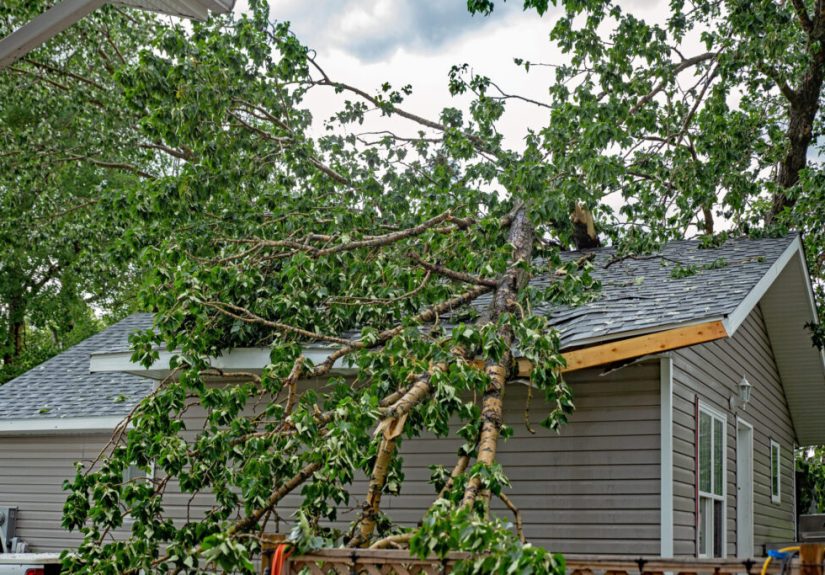
While tornadoes grab headlines, straight-line wind eventswinds generated by thunderstorms without rotationare far more common. These gusts don’t spin, but they *slam*. By August 2025, over 14,500 straight-line wind reports placed this year near the top of recorded years for such events. Damages from these winds often include uprooted trees, snapped power lines, and smashed sidingall costly consequences for homeowners and municipalities alike.
The Economic Toll of Wind Damage
Wind doesn’t just rearrange your lawn furnitureit rearranges the U.S. balance sheet. By mid-year 2025, the U.S. had already sustained approximately $134 billion in weather-related disaster costs, with wind-driven thunderstorms and tornado outbreaks contributing significantly. This figure also reflects increased insured lossesmaking wind damage a major factor in insurance markets and resilience planning nationwide.
And globally? When considering natural disasters worldwide, the U.S. accounted for roughly 90% of insured losses in the first half of 2025 due to a mix of wildfire and wind-driven storm events.
Where Wind Hits Hardest
Wind isn’t evenly distributed across the country. Tornado alley states and the Great Plains consistently report the highest incidents of severe convective wind events, while the Atlantic and Gulf coasts remain vulnerable to tropical wind impacts during hurricane season. Even big cities like New York City, Philadelphia, Chicago, and Detroit make top lists for wind risk due to storm pathways and infrastructure exposure.
Understanding the Human Side of Wind Damage
Beyond dollars and cents, wind events take emotional and physical tolls. In June 2025, tornadoes in North Dakota and New York caused fatalities and widespread destruction, emphasizing how dangerous even a few minutes of high winds can be.
Wrapping Up: What 2025 Teaches Us
Wind damage statistics in 2025 tell us several clear things: wind remains a dominant force of destruction, wind-related insurance claims continue to rise, and the economic costs of strong wind events are climbing alongside extreme weather trends. From tornado hotspots and thunderstorm gusts to near-record hurricane winds, the year has been nothing if not memorable for atmospheric damage.
Preparation, resilient building practices, and better forecasting are key to reducing future impacts. And while we can’t control the wind, we can sure learn from its patterns.
Personal Reflections: Living Through the Wind
I grew up in a part of the country where the wind wasn’t just part of the forecastit was a personality trait. Some days, the wind felt like a gentle whisper inviting you outside; other days it sounded like a freight train playing a duet with your garage door. By the time 2025 rolled around, it seemed like the wind had turned volume *up* and safety margins *down*.
During some of the big storm events, I remember sitting in my living room while trees bowed and waves crashed against nearby lakeshores. In March, when the tornado watches lit up everyone’s phones like holiday lights, there was a collective sense of adrenaline and dread. Watching weather alerts scroll across the screen at 2 a.m. was less fun in reality than it sounds in movies.
Insurance adjusters became familiar faces to neighbors, swapping stories about snapped trees and roof repairs over backyard fences. In communities hit hardest by tornadoes, entire streets were rebuilt with stronger materials, better anchoring, and stories of resilience etched into each beam. Wind wasn’t just a statistic anymoreit was a teacher reminding all of us of nature’s power.
And yet, amid the damage and disruption, I’ve seen moments of kindness: neighbors helping neighbors, shelters opening their doors, and volunteers bringing coffee to crews working long nights to restore power. These human elements, woven into the narrative of wind damage statistics in 2025, show that while winds may bend wood and steel, they can also strengthen community bonds. If there’s one thing this windy year has taught us, it’s that understanding the statistics helpsbut nothing replaces the human capacity to bounce back.