Table of Contents >> Show >> Hide
- What “Red Bull Makeover” Actually Means
- Meet the Boot: Rush UltraSpring (Scramble Series Edition)
- Hiking Boot or Work Boot? (Spoiler: It’s a Hybrid)
- Comfort & Cushioning: UltraSpring Is the Real Headliner
- Waterproofing & Breathability: The Trade-Off You Can’t Fully Escape
- Protection: CarbonMax Composite Toe (Do You Need It?)
- Traction & Terrain: Where It Wins
- Durability & Build: “Lightweight” Has a Price Tag
- Style: Loud, But in a “Good Loud” Way
- Price & Value: Are You Paying for Performance or Branding?
- So… Are They Worth It? The Straight Answer
- Real-World Experiences (Extra): What It’s Like Living in These Boots
- SEO Tags
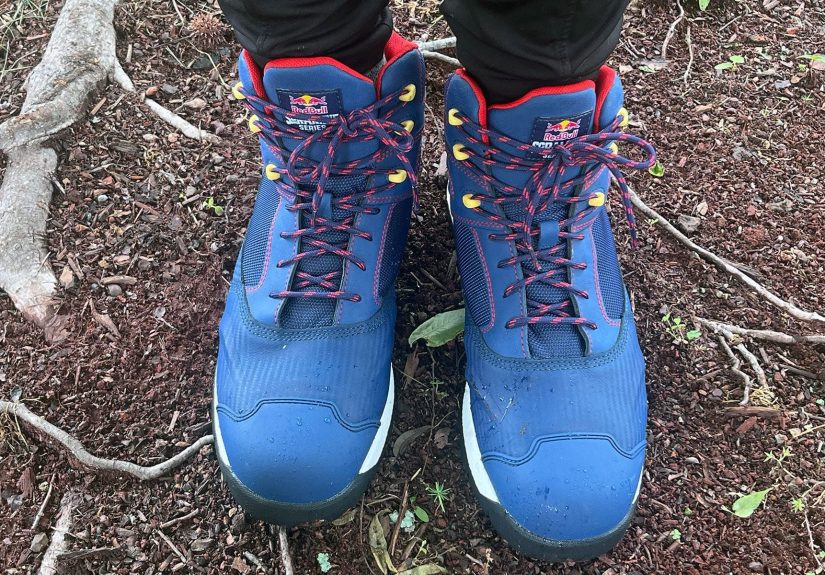
If you’ve ever looked at your plain brown boots and thought, “You know what this needs? More adrenaline,” you’re not alone. Wolverine’s limited-edition Wolverine x Red Bull Scramble Series Rush UltraSpring Boot is basically a work-boot-with-benefits that shows up wearing motorsport colors like it just chugged an energy drink and did a backflip off a loading dock.
But flashy looks don’t keep your feet happy at mile eight (or hour ten). So the real question is: is the Red Bull makeover actually worth itor is it just a cool paint job on a boot you could’ve bought in a calmer mood?
What “Red Bull Makeover” Actually Means
This isn’t Wolverine slapping a logo on a random hiking boot and calling it a day. The boot is tied to the Red Bull Scramble Series, a U.S. off-road racing series for Side by Side (SXS) vehicles. Wolverine positioned this drop as a limited-edition collaborationboot, hat, and hoodiebuilt for people who bounce between rough terrain and real work.
Translation: the “makeover” is the unmistakable Red Bull Scramble Series colorway and branding (tongue label, custom insole/insert details), wrapped around a performance-focused Wolverine platform that leans more work + off-road utility than “ultralight backpacking purist.”
Meet the Boot: Rush UltraSpring (Scramble Series Edition)
The collaboration is based on Wolverine’s Rush UltraSpring linemarketed as one of Wolverine’s lightest boot builds, with a midsole designed to give energy return instead of that dead, brick-like stomp you get from some traditional safety boots.
Key Specs (The Stuff You’ll Actually Feel)
- Upper: Premium waterproof full-grain leather
- Waterproofing: WaterproofPlus membrane + moisture-wicking lining
- Cushioning: UltraSpring high-rebound ETPU midsole (responsive, bouncy feel)
- Protection: CarbonMax composite toe (ASTM-rated safety toe + EH rating)
- Traction: Rubber lug outsole built to grip uneven ground
- Build style: Lightweight cement construction (more sneaker-like flex, less “heritage boot” rebuildability)
So yes, it’s “hike-capable,” but don’t miss the subtext: this thing is engineered like a modern performance work boot that happens to be comfortable and grippy enough to wander off-trail with you.
Hiking Boot or Work Boot? (Spoiler: It’s a Hybrid)
Let’s settle the identity crisis. Classic hiking boots prioritize ankle articulation, breathability, and long-distance efficiency. This Wolverine x Red Bull boot prioritizes protection, waterproofing, and all-day standing comfortwith trail-friendly traction layered in.
Where It Behaves Like a Hiking Boot
- Lug outsole traction that’s happy on dirt, rock, gravel, and sloppy parking lots that pretend to be trailheads.
- Waterproof leather + membrane for wet grass, puddles, mud, and surprise weather.
- Responsive cushioning that feels less fatiguing than traditional heavy work boots.
Where It Behaves Like a Work Boot
- Safety toe (composite) and an EH ratinggreat for jobsite risk, unnecessary for most hikers.
- More structure than many hiking boots, which can feel reassuring or restrictive depending on your gait.
- Cement construction that favors lightweight comfort and flexibility over the rebuild-and-resole life.
Bottom line: if you want a boot for long hikes with a light pack, you’ll likely be happier in a purpose-built hiking model. If you want a do-it-all boot that goes from workweek abuse to weekend trails (and looks like it has pit credentials), this hybrid approach is exactly the point.
Comfort & Cushioning: UltraSpring Is the Real Headliner
Forget the colors for a second. The biggest “worth it” factor here is Wolverine’s UltraSpring cushioning concept: high-rebound foam designed to feel energetic underfoot. In normal-people terms, it’s aiming for that “my feet aren’t mad at me yet” sensation at the end of the day.
In reviews of UltraSpring-based Wolverine boots, the recurring theme is that they feel surprisingly light and comfortable for protective footwear, with less break-in drama than old-school boots. That matters if your reality includes concrete floors, long trade shifts, or walking a paddock/pit area for hours.
Waterproofing & Breathability: The Trade-Off You Can’t Fully Escape
Waterproof boots are always a compromise: keeping water out can also mean holding heat in. Wolverine’s WaterproofPlus membrane and moisture-wicking lining are meant to keep you dry without turning your feet into steamed dumplingsthough breathability will never match a non-waterproof trail shoe.
If you’re hiking in cool-to-mild weather, waterproofing is a gift. If you’re in hot humidity, you’ll want strategic socks, occasional lace loosening, and realistic expectations (or a second, lighter pair for summer-only hikes).
Protection: CarbonMax Composite Toe (Do You Need It?)
This is where the boot quietly stops being “just a hiking boot with a Red Bull vibe.” A composite safety toe can be a major plus if you’re around tools, rocks, steel, or anything that can make gravity feel personal. It’s typically lighter than steel and doesn’t conduct temperature the same way, which can be a comfort upgrade in cold conditions.
The EH rating is designed as a supplemental layer of protection in certain workplace electrical-hazard scenarios (think: added insurance, not superhero invincibility). If you’re not on jobsites, you’re paying for protection you may never usebut you’re also getting a boot built for tougher abuse.
Traction & Terrain: Where It Wins
Because this boot is tied to an off-road racing series that runs on wildly different surfaces, traction is not an afterthought. The rubber lug outsole is meant to bite into mixed terraindirt, sand, rock, mudwithout getting instantly confused.
It’s also the kind of outsole that feels stable stepping in and out of vehicles, walking gravel lots, and doing that awkward “half jog” when you realize you parked a mile away and the group chat said “we’re leaving now.”
Durability & Build: “Lightweight” Has a Price Tag
Lightweight cement construction is great for comfort and flexibility, and it helps explain why this boot can feel less clunky than traditional work boots. The trade-off is that cemented boots are typically harder to rebuild than stitched heritage constructions. That doesn’t mean they’re flimsyit means their lifespan is often tied to outsole wear and upper condition as a single unit.
If you’re the type who resoles boots until they qualify for Social Security, you’ll want to factor that into your value calculation.
Style: Loud, But in a “Good Loud” Way
Let’s be honest: plenty of people are here because the boot looks cool. The Scramble Series color palette (deep blue with bold accents) is designed to be instantly recognizable. It’s a statement boot that still reads as functionalnot runway cosplay.
If your closet is 90% neutral tones, these boots will be the main character. If your closet is already chaos, congratulations: you’ve found your footwear soulmate.
Price & Value: Are You Paying for Performance or Branding?
The collaboration has been positioned as limited edition, and pricing has landed in the “serious boot” zonenot luxury, but not bargain-bin either. Whether it’s worth it depends on which bucket you’re in:
Worth It If…
- You want one boot for work, weekend trails, and rough-weather errands.
- You value cushioning and reduced fatigue more than traditional boot stiffness.
- You actually benefit from waterproofing + safety toe.
- You like limited-edition gear and want something different from the usual brown/black sea of boots.
Maybe Not Worth It If…
- You’re primarily a distance hiker who wants the lightest, most breathable option.
- You don’t need a safety toe and would rather spend the money on a purpose-built hiking boot.
- You prefer boots designed for easy rebuilding/resoling over time.
So… Are They Worth It? The Straight Answer
If you treat them like a pure hiking boot, they’re probably overbuilttoo much protection, too much “boot” for the miles you’re chasing. But if you treat them like a performance work boot that hikes well, the value starts to click.
The Red Bull makeover isn’t just cosmetics; it’s attached to a boot platform designed for long wear, mixed terrain, and real-world abuse. If that’s your life, you’re not just buying brandingyou’re buying a feature set that happens to look fast standing still.
Real-World Experiences (Extra): What It’s Like Living in These Boots
Below are experience-style snapshots based on common wear scenarios and published impressions from reviewers and product descriptionsnot a single “hero hike” tale where someone outran a bear while sipping an energy drink.
1) The “Weekend Trail + Errands” Test
Picture a Saturday where you’re pretending it’s a simple hike, but it turns into a full-day footwear audit. You start on a packed-dirt trail, cut across wet grass, then end up walking a gravel lot because the coffee shop “has parking in the back.” This is where the boot’s hybrid identity shines.
The lug outsole feels steady on mixed surfaces, and waterproof leather gives you that smug “I don’t care about puddles” confidence. The UltraSpring cushioning is the bigger surprise: instead of feeling like you’re hauling around two small anvils, the underfoot feel leans more athleticlike a work boot that studied abroad with a running shoe for one semester and came back with better manners.
If your hike includes short climbs, uneven steps, or rocky patches, you’ll likely appreciate the structured support. But you’ll also notice it’s not a featherweight backpacking boot. After a few miles, you may find yourself thinking, “These are comfortable… but I also understand why ultralight hikers obsess over ounces.”
2) The “All-Day Standing” Reality Check
This is the scenario most boots fail: long hours on hard surfaces, minimal sitting, lots of micro-movements. The UltraSpring design is meant to reduce fatigue by giving energy return instead of absorbing your will to live into concrete.
In practical terms, that can feel like less heel pounding and fewer “my feet are bargaining for a new body” moments near the end of the day. The boot’s structure helps keep your stance stable, especially if you’re carrying gear, tools, or moving through cluttered spaces where footing isn’t guaranteed.
And then there’s the safety toe factor: you don’t notice ituntil you do. If something drops, clips, or rolls into your foot, you’ll be grateful you chose protection. If nothing ever drops, you’ll still get the benefit of a boot designed for tougher environments than a casual walk in the woods.
3) The “Weather Is Being Dramatic” Day
Waterproof boots earn their keep when weather goes sideways. Cold rain, slushy sidewalks, muddy trails, surprise snowthese are the moments when waterproofing and a grippy outsole feel like a superpower (the boring kind, like “stayed dry,” but still). Reviewers have specifically noted confidence on snow and ice, which tracks with the boot’s traction-first design.
The flip side is warmth. On a cold day, the waterproof membrane can feel cozy. On a warm day, it can feel like your feet are hosting a small, humid conference. That’s where socks become your supporting cast: moisture-wicking socks and occasional breaks to loosen laces can make a bigger difference than people want to admit.
4) The “Off-Road Vibes” Moment (Even If You’re Not Racing)
Maybe you’re not lining up for the Red Bull Scramble Series. But you might be around off-road vehicles, jobsite equipment, or outdoor events where terrain is unpredictablesand, dust, rocks, ruts, and that one patch of mud that exists solely to ruin your day.
This is where the boot’s mission statement makes sense. It’s built for “whatever terrain” confidence, and the loud colorway does something weirdly practical: people can spot you. That might sound silly until you’ve ever tried to find someone in a crowd wearing the universal uniform of earth-tone everything. Suddenly, “bright accents” is basically a safety feature for social situations.
5) The “Worth It” Feeling, Summed Up
The best kind of boot value is when you stop thinking about your boots. Not because they’re invisible, but because they’re doing their jobstable footing, dry feet, less fatigue, fewer worries. If you’re the kind of person who needs one pair to cover work, weather, and weekend adventure, this collaboration can feel like a smart splurge. If you only need a hiking boot for occasional sunny trails, it may feel like buying a pickup truck to drive to the mailbox.
Either way, the Red Bull makeover isn’t the whole storyit’s just the fun wrapping paper around a boot that’s genuinely designed to perform.