Table of Contents >> Show >> Hide
- What Is Love Bombing?
- Love Bombing vs. Being Really Into Someone
- Am I Love Bombing Someone? Take the Test
- Common Signs You Might Be Love Bombing Someone
- Why Do People Love Bomb?
- What Love Bombing Can Feel Like to the Other Person
- How to Stop Love Bombing Someone
- What to Say If You Think You Have Been Love Bombing
- When to Get Help
- Healthy Love Moves at the Speed of Trust
- Personal Experiences and Real-Life Reflections on Love Bombing
Love is supposed to feel warm, not like someone strapped a jet engine to a first date and shouted, “Welcome to our future wedding registry!” If you have been texting nonstop, planning six months ahead after six days, or calling someone your soulmate before you know how they take their coffee, you may be wondering: Am I love bombing someone?
Good question. And honestly, asking it is already a healthy sign. People who are intentionally manipulative usually are not sitting around with herbal tea and a self-awareness notebook wondering whether their affection is too intense. Still, even well-meaning people can overwhelm a new partner with too much attention, too much praise, too many gifts, or too much pressure too soon.
This guide will help you understand the difference between genuine enthusiasm and love bombing, take a practical self-test, and learn how to slow down without turning into an emotionally unavailable refrigerator.
What Is Love Bombing?
Love bombing is a pattern of overwhelming someone with intense affection, attention, compliments, gifts, promises, or future plans in a way that creates pressure, dependency, guilt, or emotional confusion. It often appears early in dating, but it can also happen after a conflict, breakup threat, or boundary-setting moment.
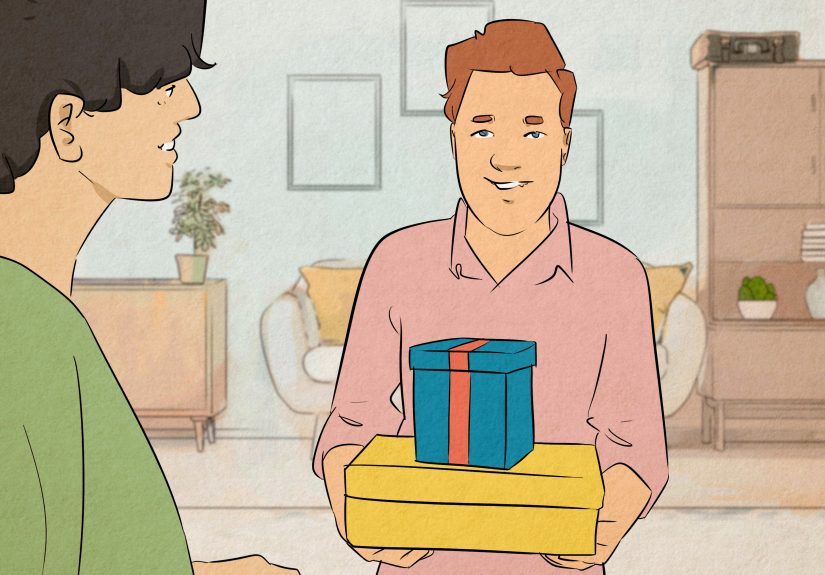
At first, love bombing can look romantic. There may be big declarations, constant messages, surprise gifts, intense chemistry, and a feeling that the relationship is moving at movie-trailer speed. The problem is not affection itself. Affection is great. Compliments are great. Flowers are great. The problem is when affection becomes a tool to rush closeness, control someone’s time, bypass their boundaries, or make them feel obligated to give more than they are ready to give.
Love Bombing vs. Being Really Into Someone
Here is the part that gets tricky: early romance can be intense. People do get excited. People do send cute texts. People do accidentally say, “I miss you” and then stare at the phone like it owes them emotional damages.
The difference between healthy affection and love bombing usually comes down to pace, pressure, intention, and response to boundaries.
Healthy affection feels mutual
In a healthy connection, both people can express interest without feeling trapped. You can send a thoughtful message, but you do not demand an instant reply. You can compliment someone, but you do not put them on a pedestal so high they need oxygen. You can talk about future hopes, but you do not act like they signed a legal contract because they laughed at your joke.
Love bombing feels overwhelming
Love bombing often feels like emotional flooding. It can include repeated texts, dramatic promises, fast commitment, expensive gifts, jealousy disguised as passion, or disappointment when the other person wants space. The recipient may feel flattered at first, then anxious, guilty, crowded, or responsible for your emotions.
Am I Love Bombing Someone? Take the Test
Answer honestly. This test is not a diagnosis, and it is not here to shame you. Think of it as a relationship speedometer. If you are going 90 in a school zone, you do not need to hate yourself. You need to take your foot off the gas.
Self-Test: Score Yourself
For each statement, give yourself:
- 0 points = Rarely or never
- 1 point = Sometimes
- 2 points = Often
- I send many messages in a row when the other person has not replied.
- I feel anxious, rejected, or angry when they need space.
- I use big romantic language very early, such as “soulmate,” “the one,” or “I have never felt this before.”
- I give gifts or do favors and secretly expect closeness, commitment, sex, or constant attention in return.
- I talk about moving in, marriage, children, vacations, or a shared future before we have built real trust.
- I feel tempted to “prove” my love with grand gestures instead of consistent behavior.
- I become jealous of their friends, family, hobbies, work, or alone time.
- I get hurt when they do not match my intensity.
- I have ignored or minimized a boundary because I believed my feelings were romantic enough to justify it.
- I compliment them so much that I barely know whether I am seeing the real person or my fantasy version of them.
- I panic when the relationship slows down.
- I use affection after conflict to avoid accountability instead of having a real conversation.
- I want constant reassurance that they still like me.
- I feel like I need to “lock it down” quickly before they lose interest.
- I have been told before that I come on too strong.
Your Score
0–7 points: Probably enthusiastic, not love bombing. You may be expressive, affectionate, and excited. Keep checking for mutual comfort, and make sure your attention leaves room for the other person’s life.
8–15 points: Slow down and pay attention. You may not be trying to manipulate anyone, but your intensity could feel overwhelming. This is a good time to practice pacing, boundaries, and emotional self-regulation.
16–24 points: Possible love bombing pattern. Your affection may be mixed with anxiety, pressure, or control. You may be trying to create closeness before trust has had time to grow. Consider talking with a therapist, coach, or trusted friend who can help you understand what is driving the urgency.
25–30 points: Strong red flag zone. Your behavior may be creating emotional pressure or dependency. Pause the grand gestures, stop pushing for commitment, and focus on consent, space, accountability, and professional support if this pattern feels hard to change.
Common Signs You Might Be Love Bombing Someone
1. You are moving faster than the relationship can support
Fast feelings are not automatically bad. Fast pressure is. If you are talking about exclusivity, forever, moving in, marriage, or “our future babies” before you have seen how the person handles stress, conflict, boundaries, boredom, and Sunday errands, you may be building a fantasy instead of a relationship.
2. You confuse access with intimacy
Constant texting can feel like closeness, but intimacy is not the same as unlimited access. A person can care about you and still take three hours to reply because they are working, sleeping, driving, showering, or simply being a human being with a nervous system.
3. You feel rejected by normal boundaries
If they say, “I need a quiet night,” and your inner alarm screams, “They hate me, love is dead, delete the playlist,” pause. A boundary is not an attack. It is information. Healthy love respects space. Love bombing often tries to remove space because space feels threatening.
4. Your compliments are more about fantasy than reality
Compliments are wonderful when they are grounded. “I love how thoughtful you were with the waiter” feels personal. “You are perfect, you complete me, no one has ever understood me like this” after two dates may feel less like romance and more like emotional bubble wrap.
5. You give gifts with invisible strings attached
A gift is healthy when it is freely given. It becomes a problem when it creates debt. If you buy expensive things, plan elaborate surprises, or do huge favors and then feel resentful when the person does not respond with equal intensity, the gesture may not be as generous as it looks.
6. You use affection to skip accountability
After an argument, affection can be healing. But if you send flowers, write a dramatic love letter, or suddenly become intensely sweet instead of admitting what happened, listening, and changing behavior, affection becomes a smoke machine. Pretty? Yes. Helpful? Not really.
Why Do People Love Bomb?
Some people love bomb intentionally to control, manipulate, or create emotional dependency. Others do it unconsciously because closeness feels urgent, uncertainty feels unbearable, or they learned that love must be intense to be real.
Possible roots include anxious attachment, fear of abandonment, low self-worth, loneliness, unresolved trauma, impulsivity, or a belief that big gestures are the only way to be chosen. None of these excuses harmful behavior, but understanding the root can help you change the pattern.
Sometimes love bombing comes from a simple but powerful mistake: confusing intensity with intimacy. Intensity says, “I need you now.” Intimacy says, “I want to know you over time.” One burns hot. The other builds trust.
What Love Bombing Can Feel Like to the Other Person
If you are worried about your behavior, try looking at it from the other person’s side. At first, they may feel special, desired, and excited. But if the intensity does not match the level of real trust, they may start feeling:
- Overwhelmed by constant contact
- Guilty for needing space
- Pressured to commit before they are ready
- Worried that saying no will upset you
- Confused by your sudden mood shifts
- Responsible for managing your anxiety
- Cut off from friends, family, hobbies, or personal routines
That is why love bombing is taken seriously in discussions of emotional manipulation and unhealthy relationships. Even when it begins with excitement, it can become controlling if one person’s feelings start taking over the other person’s freedom.
How to Stop Love Bombing Someone
1. Replace intensity with consistency
You do not need to prove everything today. Send one kind message instead of twelve. Make one thoughtful plan instead of a full romantic itinerary with backup fireworks. Show interest in ways that are steady, respectful, and sustainable.
2. Ask, do not assume
Try questions like: “Does this pace feel comfortable for you?” “Would you like more space between texts?” “Are big romantic gestures fun for you, or do they feel like too much?” Asking is not awkward. It is attractive. Consent has excellent lighting.
3. Respect the first boundary
If they say they are busy, believe them. If they say they want to move slowly, slow down. If they say they do not like surprise visits, do not appear at their workplace holding a latte and a bouquet like a rom-com with poor HR training.
4. Keep your own life full
Love bombing often grows in the empty spaces where hobbies, friendships, routines, and self-worth should be. Keep seeing your friends. Go to the gym. Finish your projects. Clean your kitchen. Your dating life should be part of your life, not the entire operating system.
5. Learn to sit with uncertainty
New relationships involve not knowing. That is normal. You do not need to force certainty by rushing commitment. Instead of asking, “How do I make them stay?” ask, “How do I show up honestly and see whether we are truly compatible?”
6. Apologize without making it dramatic
If you realize you have been overwhelming someone, keep the apology simple: “I think I came on too strong. I am sorry. I respect your pace, and I will give you more space.” Then actually give space. Do not follow the apology with a 900-word emotional essay, three voice notes, and a playlist titled “My Growth Journey.”
What to Say If You Think You Have Been Love Bombing
Use direct, calm language. Here are a few examples:
- “I like you, and I also realize I may be moving too fast. I want to slow down and make sure this feels good for both of us.”
- “I have been texting a lot because I felt excited and anxious. I do not want you to feel pressured, so I will give you more breathing room.”
- “You do not owe me constant replies or reassurance. I am working on handling my own feelings better.”
- “I care about your boundaries. Please tell me if something feels like too much, and I will listen.”
The key is to avoid turning your self-awareness into another request for comfort. Do not say, “I am such a terrible person, please tell me I am not.” That makes them take care of your guilt. Say what you noticed, take responsibility, change the behavior, and let them have their reaction.
When to Get Help
Consider support from a therapist or counselor if you often feel panicked in early dating, struggle to respect boundaries, become jealous quickly, use gifts or affection to secure commitment, or repeat intense relationship cycles that end in confusion and pain.
If your behavior includes threats, stalking, monitoring, isolation, intimidation, or punishment when someone pulls away, it is important to seek professional help immediately. If you are on the receiving end of controlling or frightening behavior, reach out to trusted people or a domestic violence support resource. In the United States, the National Domestic Violence Hotline is available at 800-799-7233, and if you are in immediate danger, call emergency services.
Healthy Love Moves at the Speed of Trust
The best relationships do not need to be forced into certainty. They are allowed to unfold. Healthy love gives compliments without pressure, attention without control, gifts without debt, and closeness without erasing individuality.
If you scored higher than expected on the test, do not spiral. Self-awareness is useful only if it leads to behavior change. Slow down. Listen more. Ask for consent. Let the other person have a full life outside you. Build trust through consistency, not emotional fireworks.
Real love does not need to kick the door down. It can knock, wait, and respect the answer.
Personal Experiences and Real-Life Reflections on Love Bombing
Many people do not recognize love bombing while it is happening because, in the beginning, it can feel like finally being chosen. Imagine someone who has spent months on dating apps having conversations that disappear into the digital swamp. Then suddenly, a new person arrives with good morning texts, thoughtful compliments, fast replies, and enough enthusiasm to power a small suburb. It feels amazing. It feels rare. It feels like proof that the universe has stopped sending emotionally unavailable people as a prank.
But after a while, the intensity starts to feel heavy. The same person who said, “Text me anytime” may become upset when replies slow down. A sweet surprise visit may feel intrusive when it happens after someone said they needed rest. A compliment like “You are perfect” may feel flattering at first, then impossible to live up to. The recipient may begin editing their behavior to avoid disappointing the person who seems so invested.
On the other side, the person doing the love bombing may not feel powerful at all. They may feel terrified. They may think, “If I am impressive enough, generous enough, available enough, they will not leave.” This is why love bombing is not always cartoon-villain behavior. Sometimes it is anxiety wearing a tuxedo. The behavior can still be harmful, though, because fear does not give anyone permission to crowd another person’s boundaries.
A common experience is the “grand gesture hangover.” Someone sends a long emotional message, buys a thoughtful gift, or plans an elaborate date. For a moment, they feel relieved. Then the anxiety returns. Did the other person like it enough? Are they pulling away? Should another gesture be bigger, sweeter, more convincing? This cycle can become exhausting for both people. The giver feels desperate for reassurance, and the receiver feels pressured to provide it.
Another real-life pattern is the post-conflict love bomb. After tension or criticism, one person suddenly becomes intensely affectionate. They may apologize with gifts, dramatic promises, or emotional speeches. While repair is healthy, repair without accountability becomes confusing. The hurt person may wonder, “Are we solving the problem, or am I being distracted from it?” A sincere apology includes changed behavior, not just romantic decoration.
The healthier path is usually less cinematic but much more comforting. It looks like sending one message and waiting. It looks like accepting “I am busy tonight” without punishment. It looks like saying, “I like you, and I want to move at a pace that feels good for both of us.” It looks like building a connection where both people can breathe.
If you have love bombed someone before, your story is not over. You can learn to love with steadiness instead of urgency. You can practice giving affection without using it as a fishing hook for reassurance. You can become someone whose care feels safe, not overwhelming. That kind of love may not arrive with fireworks every night, but it has something better: trust, peace, and room for both people to stay fully themselves.
Note: This article is for educational purposes only and is not a substitute for professional mental health advice, diagnosis, or crisis support.