Table of Contents >> Show >> Hide
- What Makes a Book Page Garlands Chandelier So Appealing?
- How to Choose the Right Look Before You Start Cutting Pages
- How to Make a Book Page Garlands Chandelier That Looks Intentional
- Design Ideas That Make the Piece Look Expensive
- Common Mistakes to Avoid
- Safety Tips for a Paper Chandelier That Stays Charming
- Where a Book Page Garlands Chandelier Works Best
- The Experience of Living With a Book Page Garlands Chandelier
- Final Thoughts
- SEO Tags
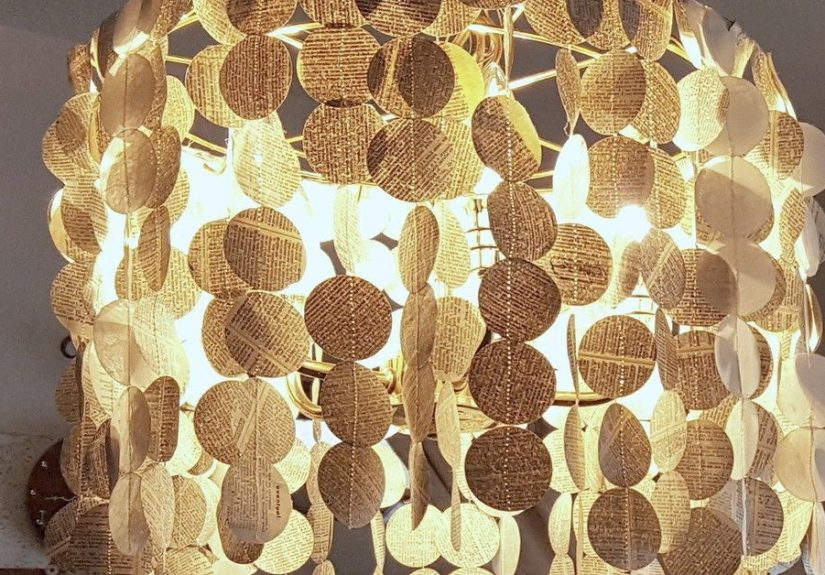
If a standard light fixture feels a little too ordinary and a little too “I bought this because it was on sale next to the shower caddies,” a book page garlands chandelier might be your kind of trouble. This decorative piece blends the romance of old paper, the softness of handmade garlands, and the dramatic shape of a chandelier into one delightfully literary statement. It is part vintage decor, part DIY art, and part proof that even an old paperback can enjoy a glamorous second act.
A book page garlands chandelier is usually a lightweight hanging installation made from repurposed book pages, paper shapes, twine, ribbon, thread, or fishing line, arranged in cascading strands. Sometimes it hangs from a thrifted lampshade frame, embroidery hoop, branch ring, or simple wire form. Sometimes it is suspended around an existing ceiling fixture for a dreamy layered look. Either way, the goal is the same: create movement, texture, and a soft sculptural presence that makes people look up and say, “Wait, you made that?”
This project has become popular for good reason. It is budget-friendly, visually impressive, customizable for every season, and surprisingly adaptable. It can lean rustic, romantic, cottagecore, boho, modern vintage, or dramatic-library-core, which absolutely sounds made up but should probably be a real design category by now. More importantly, it lets you turn paper into decor that feels thoughtful instead of disposable.
What Makes a Book Page Garlands Chandelier So Appealing?
The magic starts with contrast. A chandelier shape feels formal and grand. Book pages feel humble, nostalgic, and handmade. Put them together, and suddenly you have decor with personality. It is elegant without being stuffy, artistic without demanding a trust fund, and eye-catching without yelling at every other object in the room.
There is also an emotional quality to this kind of project. Old pages carry texture, aging, typefaces, illustrations, and that unmistakable worn-paper charm. Even when the book itself is not rare or sentimental, the material still suggests stories, memory, and history. That makes the finished chandelier feel warmer than something mass-produced. It has that precious “I found this in a dreamy little shop” energy, except you are the dreamy little shop.
Another reason this decor idea works so well is movement. Flat wall art stays put. A garland chandelier sways slightly with airflow, catches light, throws interesting shadows, and changes throughout the day. It can look airy and delicate in the morning, dramatic at dinner, and mysteriously poetic at night. Not bad for paper, string, and a little determination.
How to Choose the Right Look Before You Start Cutting Pages
Pick the right book pages
Not every book belongs under the scissors. Skip collectible, antique, or meaningful editions. The best choices are damaged books, duplicate thrift-store finds, outdated textbooks, falling-apart novels, or printed public-domain pages. You want paper with character, not guilt. Yellowed cream pages give a softer vintage look, while brighter paper looks cleaner and more graphic.
Choose your chandelier shape
You do not need an actual chandelier to create a chandelier effect. An embroidery hoop works beautifully for a minimal circular design. A thrifted lampshade frame gives you instant structure. A wire wreath form can support long strands. If you want something more layered, stack two rings of different sizes so the strands taper down in a tiered silhouette.
Decide on your garland style
This is where the personality really shows up. You can cut the pages into hearts, leaves, circles, stars, butterflies, feathers, florals, or simple strips. You can fold some pieces accordion-style for texture. You can sew paper shapes into long vertical strands or clip them onto twine for a looser, more rustic look. If your style is “romantic old library with a side of fairy tale,” mix several shapes in the same piece. If your style is “clean but crafty,” repeat one shape in a consistent size.
Think about color and extras
Book pages alone can be gorgeous, but a little layering can take the project from nice to whoa. Try adding bits of ribbon, vellum, neutral cardstock, tiny paper flowers, or metallic accents. You can tea-stain pages for warmth, lightly ink the edges for depth, or combine book text with sheet music for extra dimension. Just do not throw in every craft supply you own like a confetti tornado. Restraint is chic.
How to Make a Book Page Garlands Chandelier That Looks Intentional
The difference between “artful handmade statement” and “paper explosion in a ceiling incident” usually comes down to planning. The good news is you do not need industrial design skills. You just need a smart sequence.
1. Build a lightweight base
Start with your chosen frame and make sure it is clean, stable, and light enough to hang safely. If you are using a thrifted lampshade skeleton, remove old fabric and trim away anything bulky. Wrap the frame in jute, ribbon, or narrow fabric strips if you want a more finished look. This small step makes the piece feel polished instead of skeletal.
2. Prepare pages for durability
Thin pages can tear if they are left unsupported, especially in longer strands. To strengthen them, back delicate pieces with lightweight cardstock, double the paper, or glue shapes together around the thread line. You can also reserve the thinnest pages for smaller accents and use heavier paper for the longest drops. That saves frustration later when gravity decides to become a critic.
3. Cut more shapes than you think you need
Everyone underestimates volume on the first try. You look at a neat stack of 40 paper circles and think, “This is plenty.” Then you hang them and realize you have created the saddest, loneliest chandelier in North America. Cut extra shapes in several sizes so you can build layers, fullness, and rhythm.
4. Make strands with varied lengths
Vertical movement is what makes the design feel chandelier-like. Create strands in short, medium, and long lengths. Space them evenly around the frame, but vary the drops enough to avoid a flat bottom edge. A tiered cascade creates softness and visual flow. If you want something especially dramatic, cluster the longest strands in the center and keep the outer ring shorter.
5. Add focal accents
Every good hanging piece needs a few details that catch the eye. Maybe it is a fringe of folded rosettes at the top. Maybe it is a center drop with layered stars. Maybe it is a handful of metallic paper leaves mixed into neutral strands. You are not trying to make a craft-store fever dream. You are trying to guide the eye and create depth.
6. Hang it where it can be appreciated
This type of decor works best over a dining table, reading nook, party table, bed canopy corner, wedding shower setup, or cozy entry. If it hangs over a table, the placement should feel low enough to be intimate but high enough that nobody stands up and head-butts your masterpiece. Scale matters. A bigger room can handle a fuller piece, while a small corner benefits from something airy and restrained.
Design Ideas That Make the Piece Look Expensive
The easiest way to elevate a book page garlands chandelier is by repeating a few design rules professional decorators use all the time.
- Work in a limited palette: cream, ivory, black ink, soft gold, dusty rose, or muted green all pair beautifully with book text.
- Mix textures, not chaos: combine flat page shapes with folded accents, fringe, or paper flowers.
- Use scale strategically: larger shapes near the top, smaller shapes or lighter pieces toward the bottom create a graceful taper.
- Let negative space breathe: you do not need every inch packed with paper. Airiness makes the strands feel elegant.
- Repeat one unifying detail: a certain cut shape, edge ink, ribbon color, or stitching method keeps the whole design cohesive.
Want themed examples? For a wedding or bridal shower, use book pages and soft white florals. For a classroom reading corner, add stars, moons, or tiny paper book shapes. For fall decor, mix old pages with leaves in rust and ochre. For winter, combine text pages with paper snowflakes and satin ribbon. For year-round decor, go neutral and let the typography do the work.
Common Mistakes to Avoid
Mistake one: using paper that is too flimsy. It may look delicate in your hand, but once suspended, it can curl, sag, or tear. Reinforce where needed.
Mistake two: making every strand the same. Perfect uniformity can look stiff. Variation brings life.
Mistake three: hanging it in visual traffic. If it blocks sightlines, bumps heads, or competes with ten other decor elements, it stops looking whimsical and starts looking inconvenient.
Mistake four: over-embellishing. A little glitter or ribbon is lovely. A full-scale paper pageant may be less lovely.
Mistake five: forgetting about safety. Paper decor should stay away from heat sources, exposed bulbs, candles, and anything that could turn your literary masterpiece into a very short story.
Safety Tips for a Paper Chandelier That Stays Charming
This project is decorative first. That means safety has to lead the design. If you are hanging your book page garlands chandelier near lighting, keep it away from hot bulbs and open flame. Do not wrap paper directly around active light fixtures. If you want a glow, use cool LED fairy lights or battery-operated options designed for decor, and keep the paper from touching the light source or battery housing.
Also think about stability. Use secure ceiling hooks, removable hardware rated for the weight, or strong hanging points on beams or curtain rods. If the chandelier hangs above a table, test the height before committing. Sit down, stand up, walk around it, and make sure the piece feels intentional instead of mildly threatening.
Dust is another overlooked issue. Paper gathers it. A soft handheld duster or gentle air blower can help keep the strands looking crisp. In humid rooms, paper may curl more quickly, so this project tends to last longer in dry indoor spaces than in bathrooms, porches, or kitchens where steam and splatter like to cause drama.
Where a Book Page Garlands Chandelier Works Best
Over a dining table: This is the classic placement. It creates instant atmosphere and makes everyday dinners feel a little more cinematic.
In a reading nook: Possibly the most on-brand location in human history. Add a comfy chair and you have entered peak book-lover territory.
At parties and showers: It makes a fantastic temporary installation for literary weddings, baby showers, tea parties, or book club gatherings.
In a bedroom corner: Hang a smaller version with soft ribbons for a dreamy, romantic accent that feels lighter than a full light fixture.
In seasonal displays: Because the basic structure can stay the same, you can swap strands throughout the year and reuse the frame for holidays, birthdays, or themed decor.
The Experience of Living With a Book Page Garlands Chandelier
One of the most interesting things about a book page garlands chandelier is that the experience changes from the moment you make it to the moment you live with it. During the crafting phase, it feels almost meditative. You sit there cutting shapes, threading strands, stacking pages, and pretending you are definitely in control when the scraps start multiplying like rabbits. There is a quiet rhythm to it. Snip, sort, thread, hang, adjust, repeat. It is the kind of project that makes an afternoon disappear in the best possible way.
Then comes the installation, which is usually the moment of truth. On a table or floor, the strands can look underwhelming. Once they are lifted overhead, though, the piece suddenly makes sense. The layers separate, the paper catches light, the shadows show up, and the whole thing starts to feel less like a craft and more like a real design element. That transformation is one of the best parts. It is oddly satisfying to watch plain old pages become something sculptural.
People also tend to react to this decor in a very specific way: they walk into the room, pause, look up, and ask what it is made from. That curiosity is part of the charm. A book page garlands chandelier does not just decorate a space; it starts conversations. Guests notice the text on the pages, the shapes, the layering, and the fact that it moves slightly when someone walks by. It feels personal. It tells people that somebody in this house has ideas and probably owns scissors on purpose.
There is also a cozy emotional effect. Because the material comes from pages, the chandelier can make a room feel quieter, softer, and a little more reflective. In a reading corner, it adds mood without heaviness. Over a dining table, it creates intimacy without needing expensive lighting. At a party, it makes the setup look thoughtful and memorable. Even when the project is simple, the atmosphere it creates feels richer than the cost would suggest.
Of course, the lived experience is not all cinematic slow-motion paper magic. You may have to trim a strand that hangs too low. You may discover that one side looks fuller than the other. You may find tiny paper bits in surprising places for a week. But that is part of handmade decor too. It has quirks. It asks for a little adjustment. In return, it gives a room individuality that store-bought pieces often cannot.
What many crafters love most is that the chandelier can evolve. You can reuse the frame, switch out the garlands, add seasonal accents, or simplify it later if your style changes. It is not a static object. It is a flexible project that grows with your space. Today it may hang over a book club brunch table. Next month it could become a holiday piece with stars and metallic ribbon. Later it might move to a guest room and become softer, quieter, and more neutral.
That long-term flexibility makes the experience even better. Instead of building a one-time decoration, you are creating a reusable design element with personality. And every time you look at it, there is a tiny sense of victory. You took forgotten paper, gave it movement and shape, and turned it into something beautiful enough to hang overhead. Honestly, that is a pretty great ending for a bunch of pages that were headed toward a dusty shelf or recycling bin.
Final Thoughts
A book page garlands chandelier is one of those rare DIY ideas that manages to be affordable, artistic, nostalgic, and genuinely stylish all at once. It can be simple enough for a weekend project or elaborate enough to anchor a special event. The trick is to focus on shape, lightness, texture, and balance. Use pages with character, build strands with intention, and let the finished piece breathe.
If you do it well, the result will not look like “paper decorations.” It will look like a conversation piece with soul. And that, in the world of home decor, is always worth hanging onto.