Table of Contents >> Show >> Hide
- What Are Deep-Fried Deviled Eggs?
- Why This Recipe Works
- Ingredients for Deep-Fried Deviled Eggs
- How to Make Deep-Fried Deviled Eggs
- Recipe Tips for Extra-Crispy Results
- Flavor Variations to Try
- What to Serve With Deep-Fried Deviled Eggs
- Make-Ahead and Storage Advice
- Common Mistakes to Avoid
- Deep-Fried Deviled Eggs Experience: What I Learned From Making Them
- Conclusion
- SEO Tags
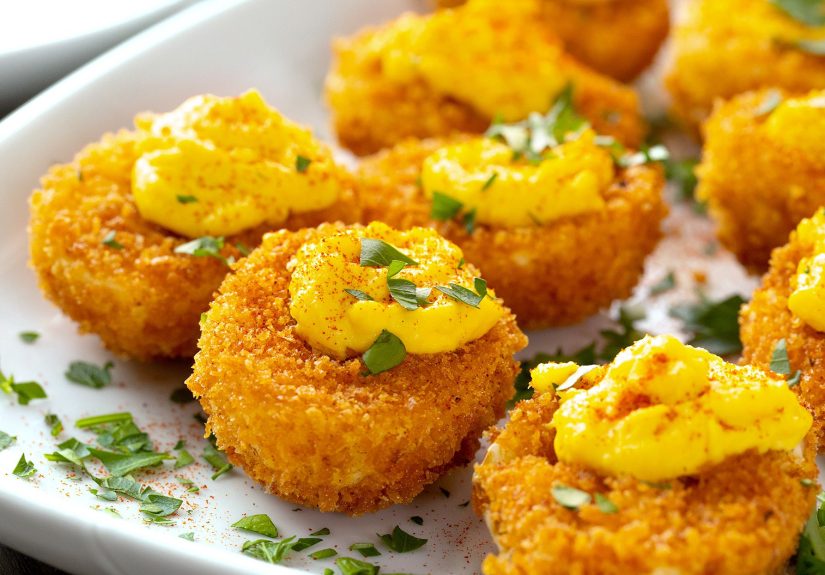
Deep-fried deviled eggs are what happens when the classic picnic appetizer puts on a crunchy jacket and decides to become the most popular person at the party. Traditional deviled eggs are already creamy, tangy, and snackable. But when the egg whites are breaded, fried until golden, and filled with a smooth yolk mixture, the whole dish turns into a crispy-creamy bite that feels part Southern appetizer, part fair food, and part “why did nobody tell me about this sooner?”
This recipe keeps the soul of classic deviled eggshard-boiled eggs, mayonnaise, mustard, vinegar, paprika, and a little seasoningthen adds a light panko coating for serious crunch. The result is rich without being heavy, familiar without being boring, and fancy enough for a holiday table while still being fun enough for game day. If regular deviled eggs are the polite guest who brings napkins, deep-fried deviled eggs are the guest who shows up with fireworks and somehow still helps clean the kitchen.
What Are Deep-Fried Deviled Eggs?
Deep-fried deviled eggs are made by separating hard-boiled egg whites from the yolks, coating the whites in flour, egg wash, and breadcrumbs, frying them until crisp, and then piping the creamy yolk filling back into the crunchy shells. The filling is usually based on mayonnaise, mustard, vinegar or pickle juice, salt, pepper, and paprika. Many cooks add hot sauce, fresh herbs, bacon, jalapeños, relish, or cayenne for extra personality.
The magic is in the contrast. The outside gives you that delicate fried crunch, while the center stays silky and tangy. Because the yolk mixture is added after frying, the filling remains cool, smooth, and bright instead of greasy. Think of it as a deviled egg with a crispy framelike a tiny edible picture of happiness.
Why This Recipe Works
The best deep-fried deviled eggs balance three things: texture, flavor, and timing. The panko coating creates a shatteringly crisp shell, while the creamy yolk filling brings the familiar richness people expect from deviled eggs. Dijon mustard and vinegar cut through the fat, keeping each bite lively. A pinch of paprika, cayenne, or hot sauce adds gentle warmth without taking over the dish.
Timing matters because fried foods are at their best shortly after cooking. These eggs should be assembled close to serving time so the coating stays crisp. You can boil the eggs and prepare the filling ahead, but breading and frying are best saved for the final stretch. That way, your guests get the crunch, not a breadcrumb sweater that has been sitting in the fridge questioning its life choices.
Ingredients for Deep-Fried Deviled Eggs
For the Eggs
- 6 large eggs
- Water, for boiling
- Ice, for cooling
For the Deviled Egg Filling
- 3 tablespoons mayonnaise
- 1 teaspoon Dijon mustard
- 1 teaspoon yellow mustard, optional for classic flavor
- 1 teaspoon apple cider vinegar or pickle juice
- 1 teaspoon finely chopped dill pickles or relish, optional
- 1/4 teaspoon kosher salt, plus more to taste
- 1/8 teaspoon black pepper
- 2 to 3 dashes hot sauce, optional
- Smoked paprika, for garnish
- Fresh chives or dill, for garnish
For the Crispy Coating
- 1/2 cup all-purpose flour
- 2 large eggs, beaten
- 1 cup panko breadcrumbs
- 2 tablespoons finely grated Parmesan cheese, optional
- 1/4 teaspoon cayenne pepper, optional
- 1/2 teaspoon garlic powder
- Vegetable, canola, or peanut oil, for frying
How to Make Deep-Fried Deviled Eggs
Step 1: Boil and Cool the Eggs
Place the eggs in a saucepan and cover them with water by about an inch. Bring the water to a boil, then reduce the heat and simmer for about 10 to 12 minutes. Immediately transfer the eggs to an ice bath and let them cool completely. The ice bath helps stop the cooking process and makes peeling easier, which is important because smooth egg whites look better and fry more evenly.
Step 2: Peel and Halve the Eggs
Peel the cooled eggs carefully, then slice them in half lengthwise. Remove the yolks and place them in a small bowl. Set the egg white halves on a plate or wire rack. Try not to tear the whites; they are about to become the crispy little boats that carry the filling.
Step 3: Make the Creamy Filling
Mash the yolks with a fork until fine and crumbly. Add mayonnaise, Dijon mustard, yellow mustard if using, vinegar or pickle juice, salt, pepper, and hot sauce. Mix until smooth. For an extra-silky filling, press the yolks through a fine-mesh sieve before mixing, or use a small food processor. Taste and adjust the seasoning. The filling should be creamy, tangy, and slightly bold because the fried coating will mellow it a little.
Step 4: Prepare the Breading Station
Set up three shallow bowls. Add flour to the first bowl, beaten eggs to the second, and panko breadcrumbs to the third. Stir Parmesan, garlic powder, cayenne, and a pinch of salt into the panko. Pat the egg white halves dry with paper towels. This step is small but mighty: dry whites help the coating stick better and reduce splattering when they hit the oil.
Step 5: Bread the Egg Whites
Dip each egg white half into the flour, shaking off the excess. Next, dip it into the beaten egg, then press it into the panko mixture. For a thicker crust, repeat the egg wash and panko step once more. Place the breaded whites on a wire rack and let them rest for 5 to 10 minutes. This gives the coating time to settle so it does not abandon ship in the fryer.
Step 6: Fry Until Golden
Pour about 2 inches of oil into a heavy pot or Dutch oven. Heat the oil to 350°F to 365°F. Fry the breaded egg whites in small batches for about 1 to 2 minutes, turning gently if needed, until golden brown and crisp. Do not crowd the pot; too many pieces at once can lower the oil temperature and make the coating greasy. Transfer the fried whites to a wire rack or paper towel-lined plate.
Step 7: Fill and Garnish
Spoon the yolk filling into the fried whites, or transfer the filling to a piping bag for a cleaner look. Finish with smoked paprika, chopped chives, dill, bacon bits, pickled jalapeños, or a tiny drizzle of hot sauce. Serve right away for the best crunch.
Recipe Tips for Extra-Crispy Results
Use panko breadcrumbs instead of regular breadcrumbs if you want a lighter, crunchier coating. Panko flakes are larger and airier, so they fry up crisp without feeling dense. Adding Parmesan gives the crust a savory edge, while garlic powder and cayenne bring subtle flavor without overpowering the deviled egg filling.
Keep the oil temperature steady. If the oil is too cool, the coating absorbs more oil and tastes heavy. If it is too hot, the breadcrumbs brown before they become properly crisp. A kitchen thermometer is the easiest way to avoid guessing. Frying is not the time to “feel the vibes,” unless your vibes come with temperature readings.
Drain the eggs on a wire rack when possible. Paper towels are fine, but a rack allows steam to escape, helping the bottoms stay crisp. If you are making several batches, place the fried whites on a rack in a low oven for a few minutes, but do not leave them there too long. The goal is warm and crisp, not fossilized.
Flavor Variations to Try
Southern-Style Deep-Fried Deviled Eggs
Add sweet pickle relish, yellow mustard, and a sprinkle of paprika to the filling. Garnish with crispy bacon and chives. This version tastes like a backyard cookout learned a new trick.
Spicy Jalapeño Deviled Eggs
Mix finely chopped pickled jalapeños and hot sauce into the yolk filling. Add cayenne to the panko coating and garnish with jalapeño slices. It is bold, bright, and perfect for people who believe appetizers should come with a little wink.
Smoky Bacon Ranch Deviled Eggs
Stir a pinch of ranch seasoning into the filling, then top with crumbled bacon and smoked paprika. This version is especially good for parties because it tastes familiar, savory, and dangerously snackable.
Herby Garden Deviled Eggs
Add chopped dill, parsley, and chives to the yolk mixture. Use apple cider vinegar or lemon juice for brightness. This is a fresher, lighter variation that works beautifully for spring brunches, Easter gatherings, and summer potlucks.
What to Serve With Deep-Fried Deviled Eggs
Deep-fried deviled eggs are rich, so they pair well with crisp, fresh, or acidic sides. Serve them with a simple green salad, pickled vegetables, coleslaw, cucumber slices, or a bright tomato salad. For a game-day spread, place them next to sliders, chicken wings, potato skins, or a platter of fresh vegetables with ranch dip.
For brunch, they fit nicely beside biscuits, fruit salad, smoked salmon, roasted potatoes, or a sparkling citrus mocktail. If you are planning a holiday table, deep-fried deviled eggs can replace standard deviled eggs as the “surprise upgrade” dish. Just be prepared for someone to ask whether you brought more. The answer should probably be yes.
Make-Ahead and Storage Advice
You can hard-boil the eggs up to a few days ahead and store them in the refrigerator. You can also prepare the yolk filling in advance and keep it in an airtight container or piping bag. However, the fried coating is best when fresh, so bread and fry the egg whites shortly before serving.
For food safety, keep cooked eggs refrigerated until you are ready to assemble and serve. Deviled eggs should not sit out for long periods, especially in warm weather. If serving them at a party, place the platter out close to eating time, then refrigerate leftovers promptly. Because the coating softens in the refrigerator, leftovers will still taste good but will not have the same crisp texture.
Common Mistakes to Avoid
Overcooking the Eggs
Overcooked yolks can develop a greenish-gray ring and a stronger sulfur smell. The eggs are still edible, but the flavor and appearance are less appealing. Use a timer, then cool the eggs quickly in ice water.
Skipping the Drying Step
Wet egg whites make it harder for the flour and breadcrumbs to stick. Pat them dry before breading, especially around the hollow where the yolk used to be.
Frying Too Many at Once
Crowding the pot drops the oil temperature. That can lead to soggy, oily coating instead of a crisp crust. Fry in small batches and give each egg white room to bob around like it paid rent in the pot.
Filling Too Early
If you fill the fried whites too soon and let them sit, steam and moisture can soften the crust. For the best texture, fry, drain, cool slightly, fill, garnish, and serve.
Deep-Fried Deviled Eggs Experience: What I Learned From Making Them
The first thing you notice when making deep-fried deviled eggs is that they feel a little dramaticin the best possible way. Regular deviled eggs are simple: boil, peel, mix, fill, done. Deep-fried deviled eggs ask for a breading station, hot oil, a wire rack, and a small amount of confidence. At first, it may seem like a lot of ceremony for an appetizer. Then the first batch comes out golden and crackly, and suddenly the ceremony makes perfect sense.
The biggest lesson is that the egg whites need to be dry. The first time many home cooks try this recipe, they rush from peeling to breading, and the coating slides around like it is wearing roller skates. Patting the whites dry changes everything. The flour sticks, the egg wash grips, and the panko forms a neat crust. Letting the breaded whites rest for a few minutes also helps the coating hold together during frying.
The second lesson is that the filling should be more flavorful than you think. A plain yolk mixture can taste great in traditional deviled eggs, but once the whites are fried, the richness of the crust needs a filling with brightness. A little vinegar, pickle juice, mustard, or hot sauce keeps the bite balanced. Without that acidity, the appetizer can feel heavy after one or two pieces. With it, people keep reaching for another and pretending they are “just evening out the platter.”
Presentation also matters more than expected. Deep-fried deviled eggs look best when the filling is piped high into the center. You do not need a professional piping bag; a zip-top bag with the corner snipped off works fine. A final sprinkle of smoked paprika, chives, and bacon makes the platter look restaurant-worthy. The contrast of golden crust, pale yellow filling, green herbs, and red paprika is part of the appeal.
Another practical discovery: these are party food, not lunchbox food. They are at their peak within minutes of frying and filling. After refrigeration, the flavor remains pleasant, but the coating softens. That does not mean leftovers are tragic; it just means they become “fried deviled egg bites” instead of crispy showstoppers. If you are serving guests, prepare the components ahead and fry close to serving time.
Finally, deep-fried deviled eggs are a conversation starter. People recognize the shape, but the crunchy coating makes them pause. Someone will ask, “Wait, are these fried?” Someone else will say, “I only want one,” then return with suspicious speed. They are playful, nostalgic, and just unusual enough to make a familiar appetizer exciting again. That is the real charm of this recipe: it does not replace classic deviled eggs; it gives them a little golden swagger.
Conclusion
Deep-fried deviled eggs turn a beloved classic into a crispy, creamy, party-ready appetizer with big personality. The recipe is simple at heart: hard-boiled eggs, a tangy yolk filling, a crunchy panko coating, and hot oil used carefully. The key is balance. Keep the filling bright, the coating crisp, and the timing close to serving. Whether you make them for brunch, a holiday gathering, game day, or a “because I felt like frying something” weekend, these eggs bring the kind of happy surprise that makes a platter disappear fast.
If you already love deviled eggs, this version is worth trying at least once. And if you are feeding people who claim they are “not really appetizer people,” place a tray of these on the table and watch their personal brand collapse in real time.