Table of Contents >> Show >> Hide
- What Is Geographic Tongue?
- What Geographic Tongue Pictures Usually Show
- Symptoms of Geographic Tongue
- What Causes Geographic Tongue?
- Who Gets Geographic Tongue?
- Is Geographic Tongue Dangerous?
- How Geographic Tongue Is Diagnosed
- Treatment for Geographic Tongue
- What Geographic Tongue Is Not
- When to See a Doctor or Dentist
- Outlook: Does Geographic Tongue Ever Go Away?
- Common Experiences Related to Geographic Tongue
- Final Thoughts
Note: This article is for educational purposes only and is not a substitute for professional medical or dental advice.
Your tongue is supposed to help with talking, tasting, and occasionally winning arguments about whether salsa counts as a vegetable. It is not supposed to look like a tiny weather map. So when smooth red patches with pale borders start wandering across the surface, many people understandably panic. The good news is that geographic tongue is usually harmless. The less-fun news is that it can look dramatic enough to make a mirror inspection feel like a medical thriller.
Geographic tongue, also called benign migratory glossitis, is a common inflammatory condition that changes the appearance of the tongue’s surface. It tends to come and go, shift shape, and move from one area to another. In many people, it causes no pain at all. In others, spicy foods, acidic drinks, or hot meals can make the tongue feel like it picked a fight with a jalapeño and lost.
This guide breaks down what geographic tongue is, what causes it, what “pictures” of the condition usually show, and what treatment options may help when symptoms become annoying.
What Is Geographic Tongue?
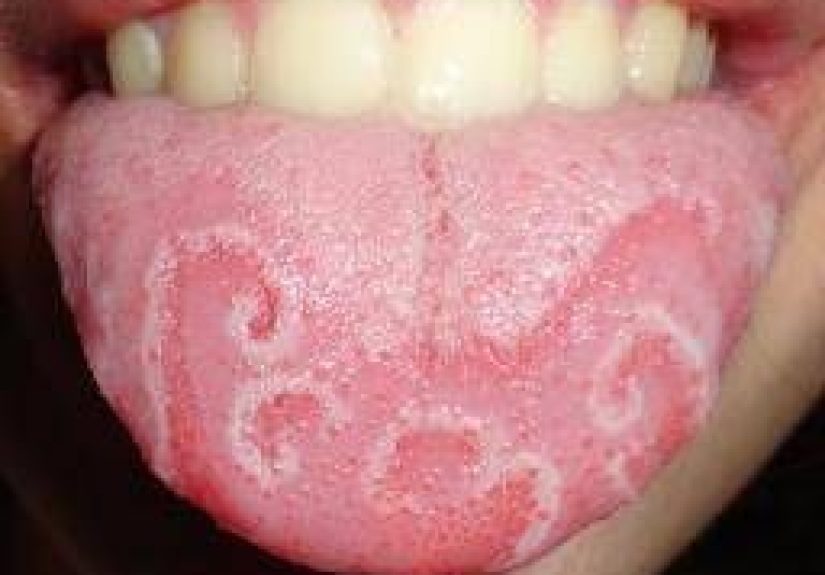
Geographic tongue is a benign condition in which small areas on the tongue lose their normal tiny bumps, called papillae. When those papillae disappear in patches, the surface looks smooth, red, and oddly well-defined. Around those red areas, you may see white, cream, or slightly raised borders. Because the patches can change location, size, and shape over time, the tongue can look a bit like a map with shifting coastlines.
The condition most often shows up on the top and sides of the tongue. It is not an infection, not a form of cancer, and not something you can “catch” from another person. That point deserves repeating because the appearance can be so striking that people often imagine the worst before breakfast.
What Geographic Tongue Pictures Usually Show
If you search for geographic tongue pictures online, most examples show several classic features:
1. Smooth red patches
These areas look glossier and flatter than the rest of the tongue because the normal papillae are missing there.
2. White or pale borders
Many photos show a thin, wavy outline around the red patches. This border can look white, tan, or yellowish-white depending on lighting and the individual case.
3. Map-like patterns
The patches often have curved, irregular shapes rather than neat circles. That “continent on a globe” appearance is how the condition got its memorable name.
4. Changing locations
One of the most recognizable traits is movement. A patch seen near the front of the tongue this week may shrink, disappear, or show up elsewhere later. It migrates, which is why “migratory” is part of the medical name.
Not every case looks identical. Some people have one obvious patch. Others have several. Some photos look dramatic, while real-life symptoms remain mild. In other words, the tongue may look like a topographic masterpiece even when the person feels perfectly fine.
Symptoms of Geographic Tongue
Many people have geographic tongue without any discomfort and discover it by accident while brushing their teeth or attempting a very unflattering selfie. When symptoms do happen, they can include:
- Smooth, red patches on the tongue
- White, pale, or slightly raised borders around patches
- A burning, stinging, or tender feeling
- Sensitivity to spicy, acidic, salty, or hot foods
- Occasional discomfort while eating or drinking
- A pattern that changes over days, weeks, or months
Symptoms may flare and calm down without much warning. Some people notice sensitivity only once in a while. Others go through periods where tomato sauce, citrus, or hot sauce suddenly feel like reckless life choices.
What Causes Geographic Tongue?
Here is the honest answer: the exact cause is still unknown. That is not a satisfying answer, but it is the medically accurate one. Researchers and clinicians have identified possible links and triggers, yet no single cause explains every case.
Possible contributing factors
Geographic tongue appears to involve inflammation affecting the tongue’s surface. Experts have also noted possible associations with other conditions or tendencies, including:
- Family history in some cases
- Fissured tongue, which causes grooves on the tongue
- Psoriasis in some people
- Atopy or allergy-related tendencies, such as eczema or asthma
- Hormonal changes
- Stress
- Irritation from certain foods or oral products
That said, association is not the same as direct cause. Having one of these factors does not guarantee geographic tongue, and many people with geographic tongue have none of them.
Common flare triggers
Even though the root cause is uncertain, many people report that certain things make symptoms more noticeable. Common suspects include:
- Spicy foods
- Acidic foods like citrus or tomatoes
- Very hot foods or beverages
- Alcohol
- Strongly flavored toothpaste or mouthwash
- Sharp, salty, or irritating foods
Think of these less as villains and more as uninvited guests at a very sensitive tongue party.
Who Gets Geographic Tongue?
Geographic tongue can affect children and adults. It may appear at almost any age. Some studies and clinical reviews suggest it may be somewhat more common in females, but it can occur in anyone. It also appears to be less common in smokers, though that is hardly a reason to take up cigarettes for “tongue styling.” The health risks of smoking vastly outweigh any odd trivia point about oral conditions.
Some medical references estimate that geographic tongue affects up to about 1% to 3% of the population. That means it is not rare, even if it is rarely discussed at dinner parties.
Is Geographic Tongue Dangerous?
Usually, no. Geographic tongue is generally considered harmless. It does not lead to oral cancer. It is not contagious. It often does not require treatment. For many people, the biggest issue is anxiety about how it looks rather than any serious health threat.
Still, “harmless” should not mean “ignore every tongue change forever.” A healthcare professional should evaluate symptoms that are severe, persistent, unusual, or accompanied by other concerning signs.
How Geographic Tongue Is Diagnosed
Diagnosis is often based on a simple clinical exam by a dentist, primary care clinician, or oral medicine specialist. In many cases, the appearance is so characteristic that no complicated testing is needed.
A clinician may ask:
- When the patches first appeared
- Whether they move or change shape
- Whether certain foods trigger burning or pain
- Whether there are other mouth symptoms
- Whether you have a history of psoriasis, allergies, or tongue grooves
Sometimes tests are considered if the appearance is not typical or if the clinician wants to rule out other issues such as oral thrush, lichen planus, vitamin deficiencies, irritation from dental appliances, or rarely, more serious lesions. In other words, a “map tongue” is often obvious, but medicine still likes to double-check when the map looks weird.
Treatment for Geographic Tongue
Because geographic tongue is usually harmless and often painless, many people do not need treatment at all. When symptoms are mild, simple self-care may be enough. When the tongue becomes sore or sensitive, treatment focuses on symptom relief rather than “curing” the condition overnight.
Home care and daily management
- Avoid foods that seem to trigger burning or irritation
- Choose milder toothpaste if minty or whitening formulas sting
- Stay well hydrated
- Maintain good oral hygiene without scrubbing the tongue aggressively
- Keep a simple food and symptom diary during flares
Gentle oral care is helpful. This is not the moment to attack your tongue with the enthusiasm of a driveway pressure washer.
Medical treatments that may help symptomatic cases
If sensitivity is bothersome, a clinician may recommend one or more of the following:
- Topical anesthetic rinses or gels for temporary pain relief
- Antihistamine mouth rinses in selected cases
- Topical corticosteroids for inflammation when symptoms are significant
- Over-the-counter pain relievers when appropriate
Not everyone needs medication, and treatment choice depends on how uncomfortable the symptoms are. The tongue may look dramatic while needing very little intervention. Geographic tongue is one of those conditions that can look like a five-alarm emergency and behave like a mild inconvenience.
What Geographic Tongue Is Not
Because the condition can look alarming, it helps to clear up a few myths:
- It is not oral cancer.
- It is not contagious.
- It is not usually caused by poor hygiene.
- It is not always painful.
- It is not something that always needs prescription treatment.
That said, not every tongue lesion is geographic tongue. White patches that do not move, sores that bleed, lumps, numbness, or symptoms that worsen steadily should not be brushed off as “probably just my weird map tongue.”
When to See a Doctor or Dentist
Get professional advice if:
- You are not sure the condition is geographic tongue
- The patches do not come and go or start looking very different
- You have significant pain or trouble eating
- You notice bleeding, ulcers, swelling, or a lump
- You have fever, weight loss, or other systemic symptoms
- The symptoms last longer than expected or keep getting worse
A quick exam can provide reassurance and help rule out conditions that do require specific treatment.
Outlook: Does Geographic Tongue Ever Go Away?
Geographic tongue often comes and goes over time. Some people have short episodes. Others notice recurring patterns for years. A flare may vanish, only to pop up later in a new spot like your tongue is redecorating without approval.
The overall prognosis is excellent. Even when the appearance is persistent or recurring, the condition remains benign in the vast majority of cases. The main goals are understanding what it is, avoiding triggers when possible, and treating discomfort if it appears.
Common Experiences Related to Geographic Tongue
One reason geographic tongue causes so much worry is that the experience is often emotionally louder than the medical condition itself. A lot of people first notice it during an ordinary routine: brushing their teeth, scraping their tongue, or glancing in the mirror under suspiciously bright bathroom lighting. Suddenly the tongue looks different, and the brain immediately skips to catastrophic internet conclusions. By the time they have typed “red patches on tongue am I dying” into a search bar, the anxiety is doing more work than the condition.
Many people describe the same confusing pattern. The tongue looks worse than it feels. One day there is a red patch near the tip. A week later that patch fades, but another one appears off to the side. Because the shape changes, some people think they are dealing with an infection that is spreading. Others assume they burned their tongue, then wonder why the “burn” keeps moving around like it has travel plans. That shifting appearance is one of the most classic parts of geographic tongue, but it can be wildly unsettling until someone explains it clearly.
For people who do have symptoms, food is often the main drama generator. They may feel fine until they eat salsa, pineapple, hot wings, citrus candy, or anything with enough spice to make a grown adult reach for a napkin and a life review. Then the tongue suddenly stings or burns. Some say it feels raw. Others say it is more like a prickly irritation than true pain. The result is often a trial-and-error phase where they start identifying which foods are their personal troublemakers.
There is also the social side of it. Some people feel embarrassed when they stick out their tongue and notice how unusual it looks. Parents may worry when they see it in a child. Partners sometimes ask whether it is contagious. Patients frequently mention relief after hearing a clinician say, “This is geographic tongue. It is benign.” That moment matters because reassurance is often the most effective treatment for the panic portion of the condition.
Another common experience is frustration with recurrence. Just when someone stops thinking about it, the patches come back. That can make it feel mysterious or unpredictable, even though recurrence is typical. People often learn to manage it by keeping oral care gentle, avoiding their most obvious triggers, and not overreacting every time the “map” redraws itself. In practical life, the condition becomes less frightening once it has a name, a pattern, and a plan.
In that sense, the lived experience of geographic tongue is not just about redness or sensitivity. It is about surprise, curiosity, food-related flare-ups, reassurance, and learning that a dramatic-looking tongue can still belong to a perfectly healthy person. Sometimes the biggest treatment is simply understanding what you are seeing.
Final Thoughts
Geographic tongue may look unusual, but in most cases it is a harmless, noncontagious condition that does not require major treatment. Its exact cause is still unclear, and symptoms can range from none at all to mild irritation with certain foods. The tongue’s map-like appearance comes from temporary loss of papillae, and the patches may move over time, which is classic rather than alarming.
The smartest approach is simple: know the signs, avoid obvious irritants, use symptom relief when needed, and get checked by a healthcare professional if anything seems atypical or severe. Your tongue may be running a tiny cartography project, but that does not mean it is staging a crisis.