Table of Contents >> Show >> Hide
- What Is Gymnema Sylvestre?
- How Gymnema May Work for Blood Sugar
- Potential Benefits of Gymnema Sylvestre for Diabetes
- What the Evidence Gets Rightand Where It Falls Short
- Risks and Side Effects of Gymnema Sylvestre
- Who Might Consider Gymnemaand Who Probably Shouldn’t
- How to Use Gymnema More Safely
- Bottom Line: Benefits and Risks in Plain English
- Experiences Related to Gymnema Sylvestre for Diabetes: What People Often Notice
If you have ever wandered into the supplement aisle looking for blood sugar support, you have probably seen Gymnema sylvestre staring back at you with the confidence of a product that thinks it has already solved modern medicine. It has a dramatic reputation, a long history in traditional herbal practice, and a very catchy claim to fame: it may dull sweet taste and help support glucose control.
That sounds exciting. It also sounds like the kind of promise that deserves a raised eyebrow, a blood glucose meter, and a healthy respect for reality.
When it comes to Gymnema sylvestre for diabetes, the real story sits somewhere between “interesting” and “not so fast.” Some small human studies suggest the herb may help with fasting blood sugar, post-meal glucose, sugar cravings, and even a few lipid markers. But the evidence is still limited, the supplement market is wildly inconsistent, and the risks are real if you already take insulin or other diabetes medications.
In other words, gymnema is not magic. It is not a substitute for proven treatment. But it is a supplement worth understanding if you want a smarter, safer conversation about natural support for diabetes.
What Is Gymnema Sylvestre?
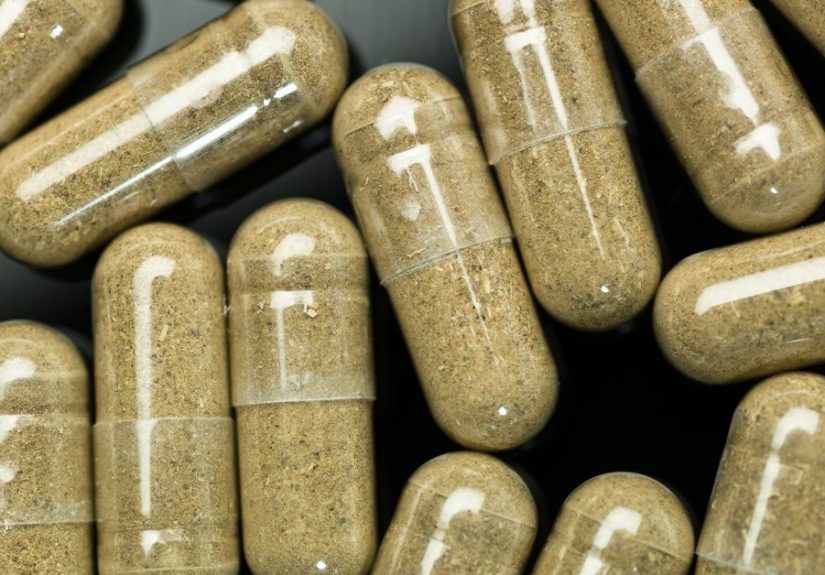
Gymnema sylvestre is a woody climbing plant traditionally used in Ayurvedic medicine. In today’s supplement world, it usually shows up in capsules, tablets, teas, powders, or standardized extracts. The plant’s best-known compounds are gymnemic acids, which are thought to play a role in its effects on sweet taste and glucose metabolism.
That “sweet taste” part is not just supplement marketing poetry. Gymnema has been studied for its ability to temporarily reduce the perception of sweetness on the tongue. So yes, in some settings, dessert can suddenly become a lot less charming. If cupcakes had feelings, they would be very concerned.
Still, the bigger question is whether gymnema can actually help people with type 2 diabetes, prediabetes, or insulin resistance in a meaningful way. The answer is: maybe, but the data are not strong enough to treat it like a stand-alone diabetes therapy.
How Gymnema May Work for Blood Sugar
Researchers have proposed a few different ways gymnema might support glucose control. First, it may reduce the absorption of sugar in the intestines. Second, it may influence insulin secretion or how the body responds to insulin. Third, by blunting sweet taste for a short period, it may help some people eat less sugary food in the moment.
That combination makes gymnema especially interesting because diabetes management is not just about one lab value. It is also about behavior, food choices, cravings, medication balance, and long-term consistency. A supplement that affects both physiology and appetite-related habits naturally gets attention.
But attention is not the same thing as proof. Mechanisms are helpful, not holy. Plenty of supplements look brilliant on paper and then behave like overconfident interns in real life.
Potential Benefits of Gymnema Sylvestre for Diabetes
1. It May Help Lower Blood Sugar in Some People
The most common reason people try gymnema is simple: they want better blood sugar numbers. Some older human studies found that adding gymnema extract to standard care was associated with lower fasting blood glucose and lower A1C over time. In one often-cited open-label study involving people with type 2 diabetes, gymnema was used alongside conventional oral medications, and the group taking the herb showed improvement in fasting glucose and A1C.
There are also older reports in people with insulin-treated diabetes suggesting reduced insulin requirements in some participants. That sounds impressive, but it comes with a huge asterisk the size of a treadmill: these were small, older studies, and several were not randomized, blinded, or designed the way modern evidence-based medicine prefers.
So the most honest summary is this: Gymnema sylvestre may support blood sugar control as an adjunct, but the current evidence is not strong enough to treat it as a proven diabetes therapy.
2. It May Reduce Sugar Cravings
This is where gymnema gets genuinely fun. Gymnemic acids can temporarily block sweet taste receptors, which means sugary foods may taste less rewarding for a while after use. A few studies suggest this effect can reduce the pleasantness of sweets and may lower immediate intake of candy or chocolate in certain settings.
That matters because many people with diabetes are not battling information. They are battling habits, routines, and that mysterious 9:17 p.m. desire to “just have a little something.” If gymnema makes that little something less thrilling, it may support behavior change around sugar.
Still, this is not the same as saying it will transform your diet. A reduced craving in a lab does not automatically turn into six months of impeccable grocery decisions. Humans are complicated. Cookies know this.
3. It Might Support Insulin Function
Some research suggests gymnema may support insulin secretion or improve insulin-related markers in people with impaired glucose tolerance or early metabolic dysfunction. This is one reason the herb keeps showing up in discussions about natural remedies for blood sugar control.
However, the human evidence remains relatively small and mixed. Researchers still do not have large, high-quality trials proving that gymnema consistently improves insulin function across broad diabetes populations. In other words, the possibility is interesting, but the confidence level is not yet championship material.
4. It May Offer Modest Metabolic Side Benefits
Some studies have suggested gymnema supplementation may also improve triglycerides, total cholesterol, or other metabolic markers. That is encouraging because diabetes does not travel alone. It often arrives with insulin resistance, central weight gain, high triglycerides, or other cardiometabolic baggage.
But again, the big issue is consistency. Different studies use different extracts, doses, durations, and populations. That makes it hard to know whether the herb itself deserves the credit, whether results apply to a different product, or whether the effect is too small to matter in everyday care.
What the Evidence Gets Rightand Where It Falls Short
Here is the balanced takeaway: gymnema is not nonsense, but it is not settled science either.
There is enough research to justify scientific interest. There is not enough research to justify overconfident supplement labels, dramatic before-and-after claims, or the idea that gymnema can replace metformin, insulin, nutrition changes, physical activity, sleep, or medical supervision.
That distinction matters. The American diabetes conversation has a bad habit of turning every promising herb into either a miracle or a scam. Gymnema deserves neither label. It belongs in the much less glamorous category called possibly helpful, context-dependent, and still under-studied.
Risks and Side Effects of Gymnema Sylvestre
Low Blood Sugar Is the Biggest Concern
The main risk with gymnema is not that it does nothing. The main risk is that it may actually do something while you are already taking medications that lower glucose.
If you use insulin, sulfonylureas, meglitinides, or other glucose-lowering drugs, adding gymnema may increase the risk of hypoglycemia. That can mean shakiness, sweating, dizziness, confusion, weakness, or a blood sugar drop that goes from “mild inconvenience” to “why is the room suddenly weird?” much too quickly.
This is why anyone considering gymnema while taking diabetes medication should speak with a clinician first and monitor blood sugar closely. Supplements and prescriptions do not always play nicely together, even when both arrive smiling.
Liver Risk Appears Rarebut Not Impossible
Gymnema is generally discussed as a supplement with limited but not overwhelming safety concerns, yet there have been rare case reports of liver injury. That does not mean liver problems are common. It does mean the risk is not imaginary.
People who already have liver disease, elevated liver enzymes, heavy alcohol use, or a history of supplement-related side effects should be especially cautious. “Natural” is not a synonym for “harmless.” Poison ivy would like a word.
Pregnancy, Breastfeeding, Children, and Surgery Need Extra Caution
There is not enough strong safety evidence to recommend gymnema confidently during pregnancy or breastfeeding, and it is also not a great DIY experiment for children.
It may also interfere with blood sugar control around surgery. Because of that, many safety references advise stopping gymnema at least two weeks before a scheduled procedure.
Dosing and Product Quality Are All Over the Place
One of the biggest real-world problems is not the herb itself. It is the supplement industry.
Gymnema products vary widely in extract strength, gymnemic acid content, purity, and serving size. Some studies have used 200 mg twice daily. Others have used 400 mg, 500 mg per day, or more. Commercial labels can recommend very different amounts, and there is no single gold-standard dose that has been proven best for diabetes.
That means two people can both say they are “taking gymnema” while using products that are functionally cousins at best and total strangers at worst.
Who Might Consider Gymnemaand Who Probably Shouldn’t
Gymnema may be worth discussing with a healthcare professional if you are an adult with prediabetes or type 2 diabetes, you want an adjunct rather than a replacement, and you are willing to monitor results carefully.
It may be a poor choice if you:
- Use insulin or medications that already put you at risk for low blood sugar
- Have liver disease or unexplained abnormal liver tests
- Are pregnant or breastfeeding
- Are preparing for surgery
- Want a supplement to do the job of lifestyle change and prescription treatment
That last one is important. The most dangerous supplement belief is not “this might help.” It is “this means I can stop doing the boring things that actually work.”
How to Use Gymnema More Safely
If you and your clinician decide to try gymnema, treat it like a real intervention, not a wellness decoration.
- Pick one product and avoid stacking it with five other blood sugar supplements at the same time.
- Write down the exact brand, extract strength, and dose.
- Track fasting glucose, post-meal readings, and symptoms consistently.
- Watch for signs of low blood sugar, especially if you take medication.
- Stop and seek medical advice if you notice jaundice, severe fatigue, nausea, unusual weakness, or other concerning symptoms.
In short, do not “biohack” your way into a preventable emergency. Diabetes management works best when curiosity and caution share the same chair.
Bottom Line: Benefits and Risks in Plain English
Gymnema sylvestre for diabetes is promising, but it is not proven enough to deserve miracle status. It may help some people with blood sugar support, sweet cravings, and possibly a few metabolic markers. But the studies are small, the products vary, and the safety issues are realespecially for people already taking diabetes medication.
The smartest view is neither cynical nor gullible. Gymnema may have a place as a carefully monitored adjunct. It does not have a place as a substitute for evidence-based care.
If you are curious about it, great. Bring that curiosity to your doctor, pharmacist, or diabetes educator along with your current medication list and your actual glucose readings. That is where useful supplement decisions start.
Experiences Related to Gymnema Sylvestre for Diabetes: What People Often Notice
In real life, experiences with gymnema tend to fall into a few familiar patterns. One group of people tries it because they want “something natural” to support their blood sugar between doctor visits. These users often report the same first impression: the supplement does not feel dramatic at all. There is usually no lightning bolt, no instant transformation, and definitely no halo appearing over the glucometer. What they may notice instead is subtle changeslightly steadier post-meal readings, less desire for sweets, or fewer impulsive snack attacks when they use a gymnema mint or capsule before tempting foods.
Another common experience comes from people who already take prescription diabetes medication. For them, gymnema can feel more powerful than expected. A person might start it thinking, “It’s just an herb,” then begin noticing lower readings, shakiness, or that odd hollow feeling that often comes with dropping glucose. This is where the supplement stops being a casual experiment and starts becoming a medication-adjacent decision. The lesson many people learn is simple: if a supplement can move blood sugar, it can also move it too far.
Then there are the “sweet tooth” users, and frankly, they are often the most fascinated. Some describe sugar tasting dull, flatter, or weirdly less rewarding after taking gymnema. A favorite candy can suddenly lose its superstar status. Dessert does not become disgusting; it just loses some of its emotional negotiating power. For people who struggle more with cravings than with hunger, that shift can feel surprisingly useful. It does not fix a whole diet, but it may create a tiny pause between craving and choice, and sometimes that pause is where better habits begin.
There is also a more frustrating experience that rarely gets enough attention: inconsistency. One bottle seems helpful, the next feels useless. One person swears by a capsule, another notices nothing at all. That is not necessarily because one of them is wrong. It may simply reflect differences in extract quality, dosing, timing, underlying health, medications, or expectations. This is the least glamorous part of the supplement story, but it may be the most honest.
The best real-world outcomes usually happen when people treat gymnema as one tool in a larger plan. They keep taking prescribed medication unless a clinician changes it. They monitor glucose. They pay attention to meals, sleep, activity, and stress. In those cases, gymnema sometimes becomes a helpful supporting actor. But when people expect it to replace the fundamentals, the experience usually ends in disappointment, confusion, or unnecessary risk. That may be the clearest lesson of all: with diabetes, the boring basics are still the real headliners.