Table of Contents >> Show >> Hide
- Why This Topic Is Instantly Clickable
- The Brain Loves a Good Visual Mix-Up
- What Makes the “Hey Pandas” Prompt So Effective
- The Best Types of Accidental Resemblance Photos
- Why People Love Sharing These Photos Online
- How to Create a Strong Submission for This Topic
- More Than a Joke: Why This Topic Keeps Sticking Around
- Experiences Related to “Hey Pandas, Post A Pic Of An Object That Unintentionally Resembles Something Else”
- Conclusion
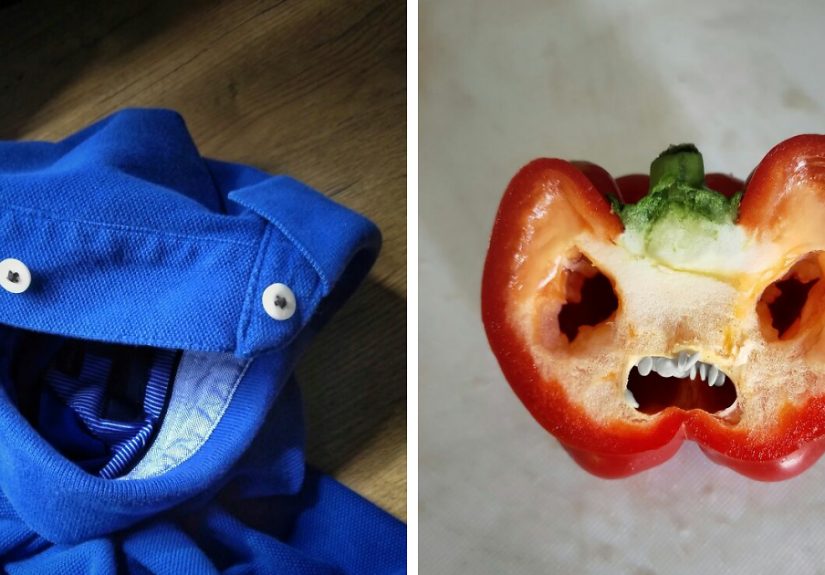
Somewhere out there, a toaster looks offended. A tree knot appears to be judging your life choices. A bell pepper is somehow giving “shocked aunt at Thanksgiving.” And once you notice it, you can’t unsee it. That is exactly why the prompt “Hey Pandas, Post A Pic Of An Object That Unintentionally Resembles Something Else” is such a winner. It taps into one of the internet’s favorite pastimes: spotting ordinary things that accidentally become tiny comedy performances.
This kind of post works because it lives at the perfect crossroads of humor, curiosity, and visual surprise. Readers do not need a long explanation, a deep backstory, or a degree in art history to enjoy it. They just need eyes, a few spare seconds, and the willingness to say, “Why does this potato look exactly like a sleeping seal?” That instant recognition is the magic.
But there is also something more interesting happening beneath the laughs. Humans are wired to search for meaning, patterns, and familiar shapes in the messy visual chaos of everyday life. So when a cracked sidewalk looks like a dragon, or an outlet looks like it just heard office gossip, our brains jump in and finish the joke before we even realize what happened. That is why accidental lookalikes feel both silly and strangely satisfying.
For a community-driven post like this one, the appeal goes beyond the image itself. It gives people a reason to participate, compare what they see, and prove that the world is basically one giant improv show being performed by fruit, furniture, and badly behaved household appliances. In short, it is funny, relatable, and weirdly wholesome. The internet loves that combination almost as much as it loves a dog in a hoodie.
Why This Topic Is Instantly Clickable
The best viral visual content usually does one of three things: it amazes you, makes you laugh, or makes you look twice. Photos of objects that unintentionally resemble something else manage to do all three at once. They are low-pressure entertainment with a built-in punchline. You see the object, recognize the resemblance, and your brain rewards you with a tiny spark of delight. That quick emotional payoff is what makes these images so shareable.
There is also a strong community angle here. A prompt like this invites participation from anyone with a camera roll, a kitchen, a sidewalk, or access to a suspiciously expressive muffin. Unlike trend pieces that require expertise or expensive hobbies, this one is democratic. Everyone can join. Everyone has seen something odd. Everyone has, at some point, looked at a coffee stain and thought, “That man has a mustache.”
From an SEO perspective, the topic also has range. It naturally connects to search-friendly ideas like pareidolia examples, funny object photos, everyday objects that look like faces, optical illusions in real life, and objects resembling animals or people. That gives the article room to be entertaining without floating off into chaos like a balloon at a child’s birthday party.
The Brain Loves a Good Visual Mix-Up
Pareidolia: The Fancy Word for “Wait, Is That a Face?”
The scientific concept most closely tied to this topic is pareidolia. In plain English, pareidolia is the tendency to see meaningful images, especially faces or familiar forms, in random or ambiguous visual patterns. That is why people see animals in clouds, faces in the moon, and emotional baggage in the front grille of a sedan. The object itself has not changed. Your brain simply connected a few dots, lines, and shadows and declared, with full confidence, “Yes, that sponge is definitely concerned.”
This is not a glitch so much as a side effect of having an efficient, pattern-hungry brain. Human perception is built to recognize important things quickly. Faces matter. Expressions matter. Recognizing shape and intention matters. So when an object contains even a rough arrangement that resembles eyes, a mouth, or a body, our minds leap into action. Sometimes that helps us make sense of the world. Sometimes it just makes the washing machine look mildly disappointed.
Why Faces Win the Popularity Contest
Of all accidental resemblances, faces dominate. That is because people are social creatures, and faces carry huge emotional weight. We read them for mood, safety, trust, humor, and threat. So a mailbox with two screws and a slot can suddenly seem delighted. A vacuum cleaner can appear furious. A burnt piece of toast can look like it has seen things. The tiniest visual hint can trigger a full character in our minds.
That is also why these photos often feel more than merely amusing. We do not just see a face. We imagine a personality. We assign an expression. We invent a backstory. The cracked tile is not just cracked tile anymore. It is a goblin. A tired goblin. A goblin who probably needs coffee.
What Makes the “Hey Pandas” Prompt So Effective
The wording of this prompt is deceptively smart. It does not ask people to find something rare or perfect. It asks them to post an object that unintentionally resembles something else. That one word, unintentionally, is doing a lot of heavy lifting. It keeps the challenge playful and real. The point is not staged illusions or heavily edited images. The point is to catch those accidental little moments where ordinary life suddenly looks absurdly creative.
That is what makes the post feel authentic. Readers are not being sold a masterpiece. They are being invited into a collective scavenger hunt for accidental weirdness. The fun comes from recognition, not polish. A crumpled towel that looks like a swan can compete with a dramatic cloud formation that looks like a wolf. A tomato with a tiny nose can be just as entertaining as a building that seems to be screaming at traffic.
Community prompts like this also encourage comment-friendly behavior. People do not just look at the image and move on. They weigh in. They argue about what it resembles. They see something different. One person says the curtain fold looks like a cat. Another insists it is clearly a wizard. A third enters the chat with the energy of a conspiracy board and claims it is Benjamin Franklin. That little debate is part of the entertainment.
The Best Types of Accidental Resemblance Photos
1. Everyday Objects That Look Like Faces
This is the classic category. Outlets, kettles, microwaves, cars, windows, and backpacks are repeat offenders. They already contain circles, slits, and symmetrical shapes, which gives the brain plenty to work with. A front-loading washer can look shocked. A power strip can look smug. A refrigerator door with two magnets and a dent can look like it is silently judging your midnight snack choices.
2. Food That Becomes a Character
Food is a superstar in this genre because it is messy, organic, and unpredictable. Bell peppers often look like they are screaming. Pancakes sometimes resemble maps, animals, or historical figures if you are feeling ambitious. Potatoes are particularly talented at looking like absolutely anything except potatoes. If vegetables ever unionize, they are going to demand royalties.
3. Nature Pulling Off a Visual Prank
Clouds, trees, rocks, puddles, and leaves are old-school masters of accidental resemblance. Humans have been spotting shapes in nature forever. A branch can look like an animal mid-jump. A mountain shadow can appear like a profile. A cloud can look so much like a rabbit or dragon that you start wondering whether the sky is just showing off.
4. Household Chaos With Main-Character Energy
Crumpled blankets, tangled cords, laundry piles, shower foam, and spilled cereal all have chaotic potential. These photos tend to perform well because they combine surprise with relatability. A sock heap that looks like a sleeping dog is funny not only because of the resemblance, but because it emerged from the deeply glamorous setting known as “I have not folded laundry in three days.”
5. Architecture and Urban Oddities
Buildings and street fixtures can be comedy gold. Windows become eyes, doors become mouths, and suddenly an office block looks like it is having the worst Monday of its life. Fire hydrants, mailboxes, cracked walls, and street signs often produce the kind of images that feel custom-built for memes. Cities are basically giant accidental-face factories.
Why People Love Sharing These Photos Online
Part of the appeal is emotional. These images are light, funny, and easy to understand. In a digital environment filled with heavy news, endless hot takes, and people arguing over things that should absolutely not require 700 comments, a photo of a purse that looks like a duck is refreshingly harmless. It is a small, goofy pause in the day.
Another reason is that accidental resemblance content invites participation without pressure. You do not need to be the funniest person in the room. The object does most of the work. Your job is simply to notice it, snap the picture, and let the internet enjoy the visual absurdity. That makes this kind of user-generated content ideal for platforms built around community interaction.
It also rewards attention. People enjoy feeling observant. Spotting something hidden in plain sight makes viewers feel like they are in on a joke the world accidentally told. That sense of discovery is satisfying. It turns a random object into a tiny puzzle with an immediate payoff.
How to Create a Strong Submission for This Topic
If someone wants to post their own photo for a prompt like this, a few simple choices can make the image stronger. First, keep the framing clean. The resemblance should be easy to spot without making viewers play detective for 15 minutes. Second, use good lighting whenever possible. A funny face hidden in an object loses impact if the image is so dark it looks like found footage from a haunted basement.
Third, avoid overexplaining. A short caption works best. Let the image do the heavy lifting. If the object looks like a confused owl, viewers will get there. And if they do not, someone in the comments absolutely will. That is half the fun.
Finally, lean into originality. The strongest images often come from unexpected places: a weird vegetable, a stain on the sidewalk, a bent straw, a curtain fold, a stack of dishes, or the front of a car that appears to be deeply disappointed in humanity. Familiar objects are fine, but unusual finds make a post more memorable.
More Than a Joke: Why This Topic Keeps Sticking Around
Trends come and go, but content built on accidental resemblance has unusual staying power because it combines science, humor, and everyday life. It is rooted in how we actually see the world. It requires no niche fandom. It crosses age groups. Kids laugh at a banana that looks like a dolphin. Adults laugh at a building that seems to be questioning every decision it has ever made. Grandparents have probably been seeing rabbits in clouds long before social media existed.
That blend of universality and low-stakes joy makes the format durable. It reminds people that the ordinary world is not always as ordinary as it seems. Sometimes it is hilarious. Sometimes it is beautiful. Sometimes it is unsettling in the specific way a vacuum cleaner can look like it knows your secrets.
Experiences Related to “Hey Pandas, Post A Pic Of An Object That Unintentionally Resembles Something Else”
Almost everyone has had a moment with accidental resemblance, even if they did not know there was a name for it. Maybe it happened while pouring coffee and noticing the foam looked like a grumpy old man. Maybe it happened on a walk when a tree knot appeared to wink. Maybe it happened during a boring workday when the office printer suddenly looked like it was sighing along with you. These experiences stick because they interrupt routine with something playful.
One of the funniest things about these moments is how fast they escalate. You notice the resemblance, laugh, and then immediately start showing other people. “Do you see it?” becomes the most important question in the room. Sometimes everyone agrees instantly. Sometimes one person sees a frog, another sees a baby seal, and a third person says it looks like their uncle Rick. Suddenly a random object has become a group project.
These moments also tend to happen when people are not trying. That is part of their charm. No one wakes up and says, “Today I will find a zucchini that resembles a Victorian poet.” It just happens. The randomness is what makes it memorable. Life throws a tiny visual joke at you, and for a second the day feels less ordinary.
There is also a weirdly comforting side to it. When an object looks expressive or human-like, it can make the environment feel less cold and mechanical. A lamp seems curious. A mug seems sleepy. A backpack seems worried. Obviously the object is not alive, but the resemblance adds warmth, humor, and personality to places that might otherwise feel plain. It is one reason these images are so appealing online: they turn the everyday world into a cast of accidental characters.
People who enjoy photography often love this subject because it trains them to notice details. You start paying more attention to shape, angle, shadow, and composition. Suddenly, the world becomes full of visual possibilities. A puddle becomes a portrait. A cracked wall becomes an animal. A pile of leaves becomes a suspicious face. The longer you look, the more the world seems to collaborate with your imagination.
Social media has made these experiences even more enjoyable because it gives them a home. Instead of laughing alone at a potato that looks alarmingly like a pug, you can post it and find thousands of people who understand exactly why it is funny. That sense of shared recognition matters. It turns a tiny, private observation into a communal moment of delight.
And perhaps that is why prompts like this continue to resonate. They remind us that humor does not always come from scripts, punchlines, or polished content. Sometimes it comes from a stain, a shadow, or a vegetable behaving suspiciously like a celebrity. It comes from the human ability to see patterns, invent stories, and find amusement where no one planned it. The object did not mean to become a character. Our brains simply cast it in the role.
In the end, that is the experience this topic captures so well. It is not just about photos of funny objects. It is about attention, imagination, and the delight of discovering that the world occasionally looks back at us with a smirk. Or a gasp. Or the exact facial expression of someone who just heard there is no more pizza left.
Conclusion
“Hey Pandas, Post A Pic Of An Object That Unintentionally Resembles Something Else” is more than a cute prompt. It is a near-perfect example of why simple visual ideas can perform so well online. It is inclusive, funny, searchable, community-friendly, and rooted in a real quirk of human perception. The topic invites people to notice the odd charm hidden in ordinary life and share it with others in a way that feels effortless and fun.
Whether the image is a cloud dragon, a suspiciously emotional kettle, or a tomato that looks ready to file a complaint, the appeal is the same: we love seeing the world become unexpectedly expressive. And honestly, if a cracked sidewalk wants to look like a dinosaur, who are we to deny it its moment?