Table of Contents >> Show >> Hide
- Quick Snapshot: What Hoyas Want (Most of the Time)
- Step 1: Know Your Hoya (Because “Hoya” Is a Whole Universe)
- Step 2: Put It in Bright, Indirect Light (The #1 Growth Booster)
- Step 3: Rotate (A Little), but Don’t Constantly Re-Decorate
- Step 4: Water DeeplyThen Let It Dry Down
- Step 5: Use the Right Soil Mix (Airy Beats “Rich” Every Time)
- Step 6: Choose a Pot with Drainage (And Don’t Oversize It)
- Step 7: Keep Temperatures Comfortable (No Arctic Drafts, Please)
- Step 8: Give It HumidityBut Don’t Panic If Your House Is “Normal”
- Step 9: Feed Lightly (Hoyas Prefer Snacks, Not a Buffet)
- Step 10: Support the Vines (Your Hoya Isn’t Trying to Be a Floor Plant)
- Step 11: Prune with Purpose (And Clean Like You Mean It)
- Step 12: Learn the Bloom Rules (Peduncles Are Sacred)
- Step 13: Repot Only When Needed (Hoyas Like to Be Slightly Snug)
- Step 14: Watch for Pests and Problems (Catch the Tiny Villains Early)
- Fast Troubleshooting: “What Is My Hoya Trying to Tell Me?”
- Conclusion: The “Happy Hoya” Formula
- Bonus: of Real-World Hoya Experiences (The Stuff People Learn the Hard Way)
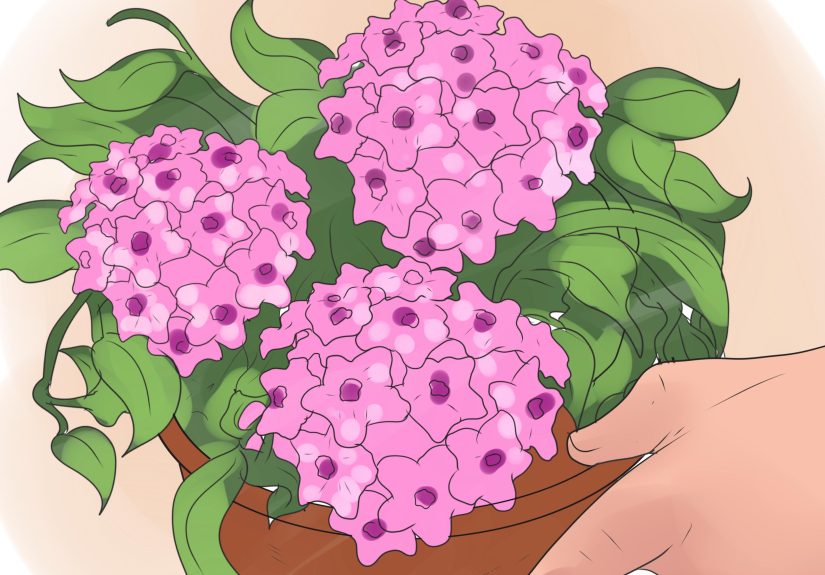
Hoyas (aka wax plant, porcelain flower, sometimes “that vine that refuses to bloom out of pure spite”) are the houseplants that look fancy, smell sweet when they flower, and somehow survive minor neglect like they’ve read every self-help book ever written. The secret is simple: treat them like the semi-succulent, tree-hugging epiphytes they are, and they’ll reward you with glossy leaves and starry blooms that look like they were sculpted from candle wax.
This guide breaks Hoya plant care into 14 practical steps you can actually followno mystical moon rituals required. You’ll learn how to dial in light, watering, soil, humidity, and blooming, plus what to do when your Hoya starts acting like a drama club president.
Quick Snapshot: What Hoyas Want (Most of the Time)
- Light: Bright, indirect light; a little gentle morning sun can help with blooms.
- Water: Soak thoroughly, then let the mix dry down before watering again.
- Soil: Airy, fast-draining “epiphyte-style” mix (think orchid bark + perlite).
- Humidity: Average home is okay, but higher humidity often equals happier growth.
- Blooming: Bright light, patience, and do not cut the flower spurs (peduncles).
Step 1: Know Your Hoya (Because “Hoya” Is a Whole Universe)
“Hoya” isn’t one plantit’s a big group with hundreds of species and cultivars. Some grow like polite little trailers, others are enthusiastic climbers, and a few (looking at you, rope hoya) are basically botanical pretzels.
The care basics are similar, but small differences matter. Thick, succulent-like leaves generally mean the plant stores more water and wants longer dry-downs. Thin-leaved types may dry faster and appreciate slightly more consistent moisture.
Practical move: Find the label (or a reputable ID), then observe leaf thickness and growth habit. Your watering rhythm should match the plant’s build.
Step 2: Put It in Bright, Indirect Light (The #1 Growth Booster)
Hoyas thrive in bright, indirect lightclose to a bright window where the sun doesn’t blast the leaves like a magnifying glass on an ant hill. If you want flowers, brightness matters. Low light can keep a Hoya alive, but it often leads to leggy growth and “no blooms, no comment.”
Ideal placements include an east-facing window (gentle morning sun) or a few feet back from a bright south/west window with a sheer curtain. If leaves scorch or get crispy patches, the light is too intense.
Quick check: If you can comfortably read a book there in daytime without turning on a lamp, you’re in the right neighborhood.
Step 3: Rotate (A Little), but Don’t Constantly Re-Decorate
Rotating your Hoya occasionally can keep growth more even. But if your plant is forming buds, try not to move it around like you’re staging a home tour. Buds can be sensitive to changes in light and position, and your Hoya may respond by dropping them out of protest.
Rule of thumb: Rotate monthly during active growth; when buds appear, admire from afar and resist the urge to “improve” anything.
Step 4: Water DeeplyThen Let It Dry Down
The fastest way to upset a Hoya is to keep its roots constantly wet. Most Hoyas prefer a “soak and dry” routine: water thoroughly until excess drains out, then wait until the potting mix is mostly dry before watering again.
Instead of watering by calendar (the plant doesn’t own one), water by evidence: stick a finger in the mix, lift the pot to feel weight, or use a moisture meter if you’re the type who enjoys gadgets.
- Signs it’s too wet: yellowing leaves, mushy stems, sour-smelling soil, fungus gnats throwing a party.
- Signs it’s too dry: wrinkled or limp leaves, very light pot, slow growth, mix pulling away from the pot edge.
Step 5: Use the Right Soil Mix (Airy Beats “Rich” Every Time)
Many Hoyas are epiphytes in nature, meaning they’re used to clinging to trees with roots that breathe. Translation: they do not want to sit in dense, water-holding potting soil like a sponge in a bathtub.
Easy DIY Hoya mix:
- 2 parts orchid bark
- 1 part perlite or pumice
- 1 part coco coir or peat (optional, for a bit of moisture buffering)
- Optional: a small handful of horticultural charcoal to keep things fresher
If you buy a premade mix, look for words like orchid, aroid, chunky, fast-draining. If the mix feels like brownie batter when wet, it’s probably not your Hoya’s soulmate.
Step 6: Choose a Pot with Drainage (And Don’t Oversize It)
Drainage holes are non-negotiable. Without them, water lingers, oxygen disappears, and roots head toward rot city. Also, don’t jump to a huge pot “so it has room to grow.” Big pots hold more wet mix, and wet mix stays wet longer.
Best practice: When repotting, go up one pot size (typically 1–2 inches wider), not three zip codes larger.
Material note: Terracotta dries faster (great if you tend to overwater). Plastic holds moisture longer (nice if your home is dry).
Step 7: Keep Temperatures Comfortable (No Arctic Drafts, Please)
Most common Hoyas like typical indoor temperatures and dislike cold drafts. Keep them away from icy windows in winter and blasting HVAC vents year-round. If your home is comfortable in a T-shirt, your Hoya is usually fine.
Helpful guideline: Avoid prolonged temps below the low-to-mid 50s°F, and aim for a steady, warm indoor range for best growth.
Step 8: Give It HumidityBut Don’t Panic If Your House Is “Normal”
Higher humidity often means bigger leaves, faster growth, and happier rootsespecially for thinner-leaved varieties. That said, plenty of Hoyas do well in average household humidity if light and watering are on point.
Easy humidity upgrades:
- Run a small humidifier nearby during dry seasons.
- Group plants together (they share moisture like good roommates).
- Use a pebble tray (with the pot above the waterline, not sitting in it).
Step 9: Feed Lightly (Hoyas Prefer Snacks, Not a Buffet)
During spring and summer, a diluted, balanced fertilizer can support steady growth and flowering. In fall and winter, most indoor Hoyas slow down, so heavy feeding can backfire.
Simple schedule: Use a balanced fertilizer at 1/4–1/2 strength every 4–6 weeks during active growth. Skip or reduce in winter.
Pro move: Flush the pot with plain water occasionally to reduce mineral buildupespecially if you fertilize regularly.
Step 10: Support the Vines (Your Hoya Isn’t Trying to Be a Floor Plant)
Hoyas naturally climb and sprawl. You can let them trail from a hanging basket, train them up a trellis, or loop them around a hoop. Supporting vines can keep growth tidy and may encourage more robust leaf production.
Tip: New vines may look “leafless” at firstdon’t cut them off. Many Hoyas extend vines, then fill in leaves later.
Step 11: Prune with Purpose (And Clean Like You Mean It)
Pruning helps shape the plant, remove dead growth, and encourage branching. Use clean scissors and make cuts just above a node. Also, wipe dusty leaves gentlyclean leaves photosynthesize better, and your Hoya will look like it just got a spa facial.
- Prune: leggy or damaged stems, or to control size.
- Don’t prune: the flower spurs (peduncles). More on that in Step 12.
Step 12: Learn the Bloom Rules (Peduncles Are Sacred)
Hoya flowers typically emerge from small stalks called peduncles (flower spurs). Here’s the big rule: do not remove peduncles after blooming. Many Hoyas rebloom from the same spur. Cutting them off is like deleting your plant’s “future flowers” folder.
How to encourage blooms without bribery:
- Increase bright, indirect light: more light often equals more flowers.
- Be patient: many Hoyas bloom when mature and settled.
- Don’t overpot: slightly snug roots can support blooming.
- Don’t fuss when buds form: stable conditions help buds hold.
If your Hoya has never bloomed, it’s usually a light issue, an age issue, or an “I’m still adjusting” issuenot a moral failure on your part.
Step 13: Repot Only When Needed (Hoyas Like to Be Slightly Snug)
Repot when roots circle the pot, growth stalls despite good care, or the mix breaks down and starts staying soggy. Many Hoyas prefer being a bit root-bound, so don’t repot on a whim because it’s “repotting season” on social media.
Repot checklist:
- Choose a pot only 1–2 inches larger.
- Use fresh, airy mix.
- Water lightly after repotting and let it settle.
- Avoid repotting when the plant is in bud or bloom.
Step 14: Watch for Pests and Problems (Catch the Tiny Villains Early)
Hoyas are fairly tough, but common indoor pests still show up: mealybugs (cottony clusters), scale (little bumps), spider mites (fine webbing), and aphids (often on new growth or buds). Early detection makes treatment dramatically easier.
Low-drama pest routine:
- Isolate the plant if you see pests.
- Wipe leaves and stems with a cotton swab dipped in rubbing alcohol for mealybugs/scale.
- Rinse the plant (lukewarm shower), then treat with insecticidal soap or neem as needed.
- Repeat weekly for a few roundspests don’t leave after one strongly worded email.
Fast Troubleshooting: “What Is My Hoya Trying to Tell Me?”
| Symptom | Most likely cause | What to do |
|---|---|---|
| Yellow, mushy leaves | Overwatering / poor drainage | Let dry, improve mix, check roots, downsize pot if needed |
| Wrinkled leaves | Underwatering or root issues | Water deeply; if it doesn’t perk up, inspect roots |
| No blooms | Not enough light, plant too young, too much nitrogen | Increase bright light, feed lightly, be patient |
| Brown crispy patches | Too much direct sun / low humidity | Move to filtered light; boost humidity slightly |
| Leggy growth | Low light | Move closer to a bright window; consider a grow light |
Conclusion: The “Happy Hoya” Formula
If you remember nothing else, remember this: bright indirect light, airy soil, thorough watering followed by dry-down, and minimal fuss. Hoyas aren’t high-maintenancethey’re just very committed to breathable roots and consistent conditions. Master those, and you’ll have a long-lived vine that grows slowly but surely, looks polished year-round, and occasionally throws a scented flower party like it’s celebrating your good judgment.
Bonus: of Real-World Hoya Experiences (The Stuff People Learn the Hard Way)
Most Hoya “problems” aren’t mysteriousthey’re just the same handful of situations replaying in different living rooms. One common experience is the Overwatering Spiral: you love your plant, you water it “just a little” because love is wet, right? Then the leaves yellow, and you water more because clearly it looks sad. Meanwhile, the roots are drowning and filing a complaint. The fix is boring but effective: let the mix dry, confirm drainage, and switch to an airy medium so oxygen can reach the roots.
Another classic is the Leafless Vine Panic. A Hoya sends out a long, skinny runner with few or no leaves. People assume it’s unhealthy and trim it off. In reality, many Hoyas “explore” firstextending vines toward better light or a support and leaf out later. If the vine is firm and green, it’s usually doing its job. Give it a trellis or hoop and let it behave like the climber it is.
Then there’s the Bud Drop Heartbreak. Your Hoya finally forms budstiny, promising, Instagram-worthy buds. You celebrate by rotating it, moving it closer to the window, maybe even giving it a motivational speech. The buds promptly fall off. (Hoyas are nothing if not consistent.) The experience teaches a surprisingly useful lesson: when buds appear, your job becomes “stable environment manager.” Keep light and watering steady and stop rearranging its entire life.
A big “aha” moment for many growers is understanding peduncles, the little flower spurs. When blooms fade, it’s tempting to tidy up. But with Hoyas, cutting off spent spurs can remove the plant’s future blooming sites. Once people learn to leave peduncles alone, repeat blooming becomes much more likely over time. It’s one of those rare houseplant rules that feels like a cheat code.
Finally, there’s the “Why is it not growing?” seasonoften winterwhen your Hoya seems to freeze in place. This is when people overwater out of boredom. A more helpful experience is learning to watch for subtle signs: the pot dries slower in cooler months, so watering frequency drops. Growth pauses can be normal if light is lower and days are shorter. If you want to keep things moving, improve light (a bright window or grow light), keep temperatures stable, and feed lightly only when the plant is actively growing. The upside: when spring returns and conditions improve, Hoyas often resume growth like nothing happenedbecause, emotionally, they’re unbothered.
In short, the “experienced Hoya grower” vibe isn’t about doing moreit’s about doing less, on purpose. When you stop treating a Hoya like a thirsty fern and start treating it like a breathable-roots, bright-light vine, it becomes one of the most reliable, long-lived plants you can keep indoors.