Table of Contents >> Show >> Hide
- Before You Save Every Peel in Sight
- 17 Fruit and Vegetable Scraps You Shouldn’t Toss
- 1. Broccoli stems
- 2. Cauliflower leaves and stems
- 3. Beet greens
- 4. Turnip greens
- 5. Carrot tops
- 6. Radish greens
- 7. Celery leaves
- 8. Fennel fronds and stalks
- 9. Leek greens
- 10. Cilantro stems
- 11. Scallion roots and bulbs
- 12. Celery bases
- 13. Lettuce cores
- 14. Potato peels
- 15. Citrus peels
- 16. Watermelon rind
- 17. Banana peels
- How to Build a “Scrap Saver” Habit Without Turning Your Fridge Into a Science Project
- Real-World Kitchen Experiences and Lessons Learned
- Conclusion
Most kitchens have a tiny tragedy playing out near the sink. A carrot gets peeled. A celery bunch gets trimmed. A watermelon is sliced. A noble pile of “scraps” appears, then marches straight into the trash like it has somewhere important to be. The rude truth? A lot of those bits are still useful, flavorful, and perfectly worth saving.
If you have ever looked at a heap of stems, leaves, peels, and rinds and thought, “Well, this seems suspiciously edible,” congratulationsyou are ready for the wonderfully thrifty world of root-to-stalk cooking. Using more of your produce can stretch your grocery budget, reduce food waste, and make you feel like the kind of person who casually says things like, “Oh, this pesto? It’s carrot-top.”
That said, not every scrap belongs on a dinner plate. Some should head to the stock pot. Some can be regrown on a windowsill. Some are best sent to the compost bin, where they can live a noble second life instead of haunting your trash can. Here are 17 fruit and vegetable scraps you should think twice about tossingand exactly what to do with them instead.
Before You Save Every Peel in Sight
Wash produce before you peel or cut it
This matters more than people think. If dirt or bacteria sit on the outside of a fruit or vegetable, your knife can drag that mess right into the part you plan to eat. So even if you are not eating the peel itself, rinse produce well before cutting into it.
Use scraps from fresh, sound produce only
Wilted is one thing. Slimy, moldy, or mystery-scented is another. If the produce is spoiled, the scrap is not secretly becoming better behaved. Start with fresh trimmings that still look and smell normal.
Know when compost is the smarter move
Some scraps are better for the garden than the frying pan. That is not failure. Composting is still a huge upgrade from sending food waste to the landfill, and it turns scraps into something useful again.
17 Fruit and Vegetable Scraps You Shouldn’t Toss
1. Broccoli stems
Broccoli stems are the classic example of produce injustice. People happily roast the florets and banish the stalk like it ruined Thanksgiving. In reality, broccoli stems are crisp, mild, and delicious once you peel off the tougher outer layer.
Slice them into coins for stir-fries, shave them into slaw, roast them beside the florets, or chop them into soup. If you like crunchy salads, matchstick-cut broccoli stems bring a sweet, fresh bite that feels much fancier than “I refused to waste half the vegetable.”
2. Cauliflower leaves and stems
Cauliflower gets treated like it arrives in the store wearing a perfect white cape and nothing else matters. But the leaves and stems are useful too. The stems can be chopped into soups, puréed into creamy sauces, or roasted until tender. The leaves can be roasted until slightly crisp at the edges, almost like a cross between cabbage and kale.
If you are making cauliflower soup, this is your moment. Toss the trimmed stems right into the pot. They help build flavor and body, and your cauliflower suddenly starts earning its paycheck from top to bottom.
3. Beet greens
Beet greens are not garnish. They are dinner. The leafy tops are edible and work much like chard or spinach, with a slightly earthy edge that reminds you they are related to beets and proud of it.
Sauté them with garlic and olive oil, stir them into frittatas, or fold them into pasta. If the stems are tender, chop and cook those too. Buying beets with their greens attached is basically getting a bonus vegetable for free, which is the kind of math everyone should support.
4. Turnip greens
Turnips often get all the attention while their leafy tops are ignored like backup dancers. Bad call. Turnip greens are edible and bring a peppery, pleasantly sturdy flavor that holds up well in cooking.
Braise them, sauté them, add them to bean soup, or mix them into other cooked greens if you want to mellow the flavor. They are especially good with garlic, vinegar, broth, and smoky seasonings. In other words, they know how to make an entrance.
5. Carrot tops
Carrot tops are not the same as parsley, but they can play in a similar sandbox. Their flavor is grassy, a little herbal, and slightly bitter, so they work best when balanced with bright or rich ingredients.
Use them in pesto, chimichurri, compound butter, or finely chopped into grain salads. The trick is moderation. A handful of carrot tops adds personality. A mountain of them can taste like you accidentally seasoned lunch with a lawn mower.
6. Radish greens
Radish greens deserve a better publicist. They are edible, full of peppery character, and surprisingly versatile when fresh. Tender greens can be mixed into salads, while slightly sturdier ones do well in sautés, soups, and pesto.
If your radishes came with lively green tops, do not remove them and let them sulk in the fridge. Use them quickly. They wilt faster than the radishes themselves, but while they are fresh, they bring excellent flavor and a no-waste victory lap.
7. Celery leaves
Celery leaves may be the most underrated thing in the produce drawer. They taste like concentrated celery in the best possible way, which means they can season a dish without making a big dramatic speech about it.
Chop them into tuna salad, egg salad, soups, stuffing, grain bowls, and herb sauces. They also work beautifully as a finishing herb on savory dishes. Once you start using celery leaves, trimming them off and throwing them away begins to feel deeply unreasonable.
8. Fennel fronds and stalks
Most people buy fennel for the bulb, then treat the fronds like packing material. That is a mistake. Fennel fronds have a soft anise flavor that works well in salads, dressings, seafood dishes, and herb spreads. The stalks can flavor broths and braises.
Use the fronds as you would a delicate herb. Scatter them over roasted fish, stir them into yogurt sauce, or add them to a salad for brightness. The stalks are tougher, so think flavor extraction rather than nibbling. A pot of stock loves them.
9. Leek greens
The dark green tops of leeks are tougher than the pale tender bottoms, but they are absolutely useful. They carry the same oniony character and can bring depth to stocks, soups, braises, and slow-cooked dishes.
Wash them carefully because leeks are famously talented at hiding grit. Then freeze the greens until you are ready to make stock, or tie them into bundles to simmer in soups and remove later. They are less “eat me raw” and more “I quietly improved the whole pot.”
10. Cilantro stems
If you are chopping off cilantro leaves and tossing the stems, you are throwing away flavor. Cilantro stems are edible and often carry just as much punch as the leaves, sometimes more.
Finely chop the tender stems into salsas, curries, soups, sauces, marinades, and dressings. They are especially useful in recipes where cilantro gets blended or cooked. Save the prettiest leaves for garnish and let the stems handle the heavy lifting like tiny green professionals.
11. Scallion roots and bulbs
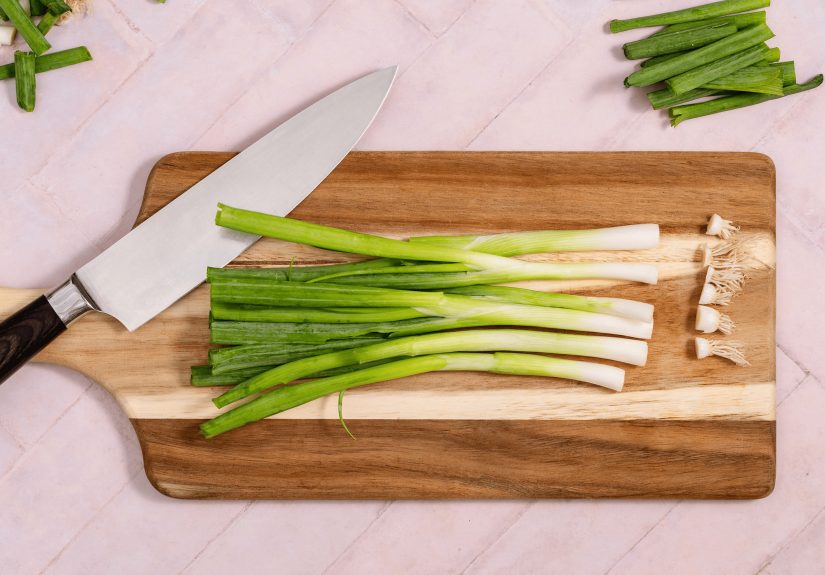
Green onions are basically begging to be regrown. Save the white ends with the roots attached, place them in a shallow glass with a little water, and set them near sunlight. New green shoots will appear faster than seems fair.
You will not get endless restaurant-grade scallions forever, but you can absolutely get fresh regrowth for another round or two. It is inexpensive, useful, and weirdly satisfying. Your windowsill suddenly feels like a very small farm.
12. Celery bases
The bottom of a celery bunch can also regrow. Instead of tossing the base, stand it in shallow water and let it sit in a bright spot. New leaves and stalk growth will begin from the center.
Will it replace a full supermarket bunch overnight? No. Will it make you feel like a resourceful kitchen wizard? Absolutely. Even if you do not keep it growing long-term, the base can still go into stock, so it wins either way.
13. Lettuce cores
That lettuce core you usually throw out can sometimes regrow enough to give you fresh leaves for salads or sandwiches. Set the base in a shallow dish with water and keep it in a sunny window. It is more of a bonus crop than a lifelong commitment, but it is fun and useful.
This works especially well if you enjoy little kitchen projects that cost almost nothing. Best case, you get extra leaves. Worst case, you conducted a science experiment and briefly became emotionally invested in romaine.
14. Potato peels
Potato peels can be delicious when the potatoes are sound and not green. In fact, much of a potato’s fiber sits in or near the skin, which is one reason skin-on potatoes are such a smart move.
Toss clean peels with oil and seasonings, then roast them into crispy peel chips. Add them to soups for body, or leave the skins on mashed or roasted potatoes in the first place. One warning: if the potato skin is green or tastes bitter, do not use it. That is not rustic charm. That is your cue to back away.
15. Citrus peels
Orange, lemon, lime, and grapefruit peels are tiny flavor vaults. Once washed well, they can be zested into cakes, cookies, dressings, marinades, and sauces. They can also be candied, infused into sugar, or simmered in syrups.
If you do not need them immediately, freeze strips of peel for later use. Citrus peels also make your kitchen smell like you have your life together, even if dinner is just pasta and a heroic amount of optimism.
16. Watermelon rind
The pale rind between the pink flesh and green skin is more useful than it looks. It can be pickled, stirred into savory dishes, or chopped into relishes. In some kitchens, watermelon rind is not a scrap at all. It is an ingredient with excellent timing.
If you have never tried it, pickling is the easiest place to start. The rind stays pleasantly crisp and soaks up sweet, tangy, spiced flavors beautifully. Suddenly the part everyone ignored becomes the jar everyone keeps opening.
17. Banana peels
Banana peels are not the easiest scrap to bring straight to the plate, but they are fantastic for composting and worm bins. If you are not cooking with them, do not send them to the trash without a second thought.
Chop them before composting to help them break down faster, or add them to a worm bin with other fruit and vegetable scraps your setup can handle. This is a good reminder that “using the whole thing” does not always mean eating every bit. Sometimes the smart move is feeding the soil.
How to Build a “Scrap Saver” Habit Without Turning Your Fridge Into a Science Project
The easiest way to use more scraps is to create categories. Keep one container in the freezer for stock scraps like leek greens, fennel stalks, celery leaves, and vegetable trimmings. Keep another small container in the fridge for scraps you plan to cook within a day or two, like beet greens, radish tops, or carrot tops.
For regrowable scraps, move quickly. Scallion roots, celery bases, and lettuce cores do best when they are set in water soon after prep. For scraps that need immediate attention, such as delicate greens, treat them like fresh herbs instead of leftovers from a vegetable haircut.
And above all, be realistic. Saving scraps is smart. Saving every single scrap until it becomes a fuzzy monument to good intentions is not. Use what you will actually cook, regrow what seems fun, and compost the rest. The goal is less waste, not more guilt.
Real-World Kitchen Experiences and Lessons Learned
In real kitchens, the biggest surprise is usually not that scraps can be used. It is how fast they start feeling normal. At first, saving carrot tops or leek greens can seem like the sort of thing only extremely organized people do while listening to jazz and labeling glass jars. Then one week goes by, you make stock from trimmings you would have trashed, and suddenly the whole idea clicks.
A lot of home cooks notice the same pattern. The first success usually comes from something easy and obvious, like regrowing scallions or roasting potato peels. Those feel almost unfairly simple. You save money, reduce waste, and get a small thrill from producing food out of what looked like leftovers. Then confidence grows. Celery leaves start going into soup. Beet greens stop being ignored. Watermelon rind becomes a pickle project instead of a garbage bag issue.
There is also a practical budgeting effect that creeps up quietly. Using scraps does not slash your grocery bill in one dramatic cinematic moment, but it can stretch produce noticeably over time. One bunch of beets becomes beets plus greens. One fennel bulb becomes bulb plus fronds plus stalk flavor for broth. One bag of potatoes becomes dinner plus peel chips. It is not magic. It is just finally getting full value from the produce you already paid for.
Another common experience is that scraps can change how people shop. Once you start seeing broccoli stems, radish tops, and celery leaves as edible, produce stops looking like a single-purpose ingredient and starts looking like a package deal. You become more likely to buy vegetables with tops attached because the so-called extras are no longer a burden. They are the bonus round.
Of course, there are a few reality checks too. Not every scrap is amazing. Some are better in stock than on their own. Some need fast use because they wilt quickly. Some sound exciting in theory but turn out to be better for compost. That is perfectly fine. Learning which scraps fit your cooking style is part of the process.
The most useful lesson, though, is probably this: saving scraps works best when it stays practical. The point is not to become the household curator of a museum devoted to old peels. The point is to cook smarter. Keep the scraps you will actually use. Freeze the ones meant for stock. Regrow the fun ones. Compost what remains. Once that rhythm settles in, wasting less food feels less like a special project and more like common sense with better flavor.
Conclusion
Fruit and vegetable scraps are not all equal, but plenty of them deserve a second chance. Some can become sauces, soups, pickles, and pestos. Some can regrow on a sunny sill. Others can head to the compost and help feed the next round of food. The trash should be the last stop, not the automatic one.
So the next time you are standing at the cutting board with a pile of peels, leaves, tops, and stems, pause before you toss. Your scraps may not be glamorous, but they can still be useful, flavorful, and surprisingly good at proving that the best kitchen upgrades are often the cheapest ones.