Table of Contents >> Show >> Hide
- Understanding Glazed vs. Unglazed Porcelain Floor Tile
- Supplies You Need to Clean Porcelain Tile Floors
- How Often Should You Clean Porcelain Floor Tile?
- How to Clean Glazed Porcelain Floor Tile
- How to Clean Unglazed Porcelain Floor Tile
- How to Clean Grout Between Porcelain Tiles
- Best Cleaners for Porcelain Floor Tile
- How to Remove Common Stains From Porcelain Tile
- Deep Cleaning Porcelain Floor Tile
- Should You Seal Porcelain Tile?
- Common Mistakes That Make Porcelain Tile Look Dirty
- Maintenance Tips to Keep Porcelain Tile Looking New
- Personal Experience: What Really Works When Cleaning Porcelain Floor Tile
- Conclusion
Porcelain floor tile is one of those home materials that looks effortlessly elegant while quietly surviving muddy shoes, coffee drips, pet zoomies, dinner disasters, and the mysterious sticky spot nobody in the house will confess to. But even tough tile needs the right care. The trick is knowing whether your floor is glazed or unglazed porcelain, because each surface behaves a little differently when dirt, grease, grout haze, and everyday life show up wearing boots.
The good news? Cleaning porcelain tile is not complicated. You do not need a laboratory, a hazmat suit, or a mop bucket big enough to baptize a golden retriever. Most glazed porcelain floors stay beautiful with regular sweeping, warm water, a mild pH-neutral cleaner, and proper drying. Unglazed porcelain, which has a more natural, textured, or matte surface, may need a bit more attention because soil can cling to its pores and texture more easily.
This guide explains how to clean glazed and unglazed porcelain floor tile safely, how often to clean it, what products to avoid, how to handle stains, and how to keep grout from turning into the household diary of every spill that ever happened.
Understanding Glazed vs. Unglazed Porcelain Floor Tile
Before grabbing a mop, it helps to know what kind of porcelain tile you are dealing with. Porcelain tile is dense, durable, and fired at high temperatures, which makes it resistant to moisture and heavy traffic. However, the surface finish determines the best cleaning method.
What Is Glazed Porcelain Tile?
Glazed porcelain tile has a protective glass-like coating baked onto the surface. That glaze can be glossy, satin, matte, textured, patterned, or made to look like marble, concrete, wood, or stone. Because the glaze forms a surface barrier, dirt usually stays on top instead of sinking in. That makes glazed porcelain easier to clean in kitchens, bathrooms, laundry rooms, hallways, and other areas where life tends to spill things.
Still, glazed does not mean indestructible. Harsh chemicals, abrasive pads, waxes, oily cleaners, and dirty mop water can dull the finish, leave residue, or discolor grout. In other words, your tile may be tough, but it does not want to be scrubbed like a barbecue grill.
What Is Unglazed Porcelain Tile?
Unglazed porcelain tile does not have a separate surface glaze. Its color and material often run through the tile body, and the finish is commonly matte, textured, or slip-resistant. This makes it popular for high-traffic spaces, commercial-style interiors, mudrooms, patios, and areas where traction matters.
Because unglazed porcelain can have a more open or textured surface, grime may settle into tiny surface irregularities. That does not mean it is difficult to maintain; it simply means rinsing, brushing, and drying matter more. A pH-neutral tile cleaner is usually the safest everyday choice, especially for routine cleaning.
Supplies You Need to Clean Porcelain Tile Floors
You do not need a cleaning closet that looks like a hardware store had a nervous breakdown. Start with simple, tile-safe tools:
- Soft-bristle broom, microfiber dust mop, or vacuum with a hard-floor setting
- Microfiber mop or chamois-style mop
- Two buckets: one for cleaning solution and one for rinse water
- Warm water
- pH-neutral floor cleaner or mild dish soap
- Soft nylon brush for textured tile and grout lines
- Microfiber towels for drying
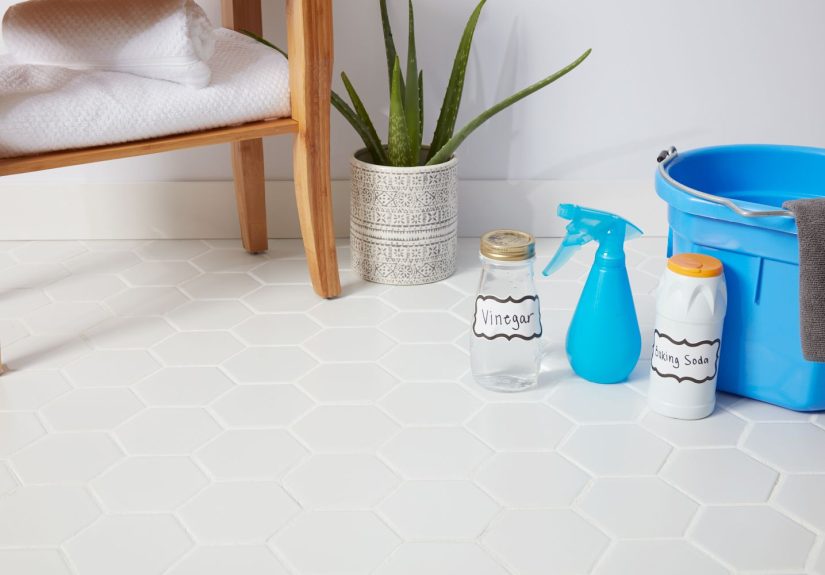
- Baking soda for gentle grout cleaning
- Clean white cloths for spot cleaning
Avoid steel wool, metal brushes, scouring powders, oil soaps, waxes, ammonia-heavy cleaners, bleach-heavy cleaners, and acidic products unless the tile manufacturer specifically approves them. Even when the tile survives, grout may not be as lucky.
How Often Should You Clean Porcelain Floor Tile?
The best cleaning schedule depends on traffic. A guest bathroom floor that sees action twice a week does not need the same routine as a kitchen floor under three kids, one dog, and a snack cabinet with poor structural security.
Basic Cleaning Schedule
- Daily or every few days: Sweep, vacuum, or dust mop high-traffic areas.
- Weekly: Damp mop with warm water or a diluted pH-neutral cleaner.
- Monthly: Deep clean textured or unglazed tile with a soft brush and thorough rinse.
- As needed: Spot clean spills immediately, especially grease, mud, cosmetics, sauces, and pet accidents.
Regular dry cleaning is more important than most people think. Grit acts like tiny sandpaper under shoes. Over time, it can dull glossy surfaces, scratch soft finishes, and make grout lines look permanently tired. A quick sweep is not glamorous, but neither is explaining why the kitchen floor looks like it has been emotionally through a lot.
How to Clean Glazed Porcelain Floor Tile
Glazed porcelain is the easier of the two finishes to maintain. The surface coating resists stains and moisture, but it still needs the right routine to prevent streaks, cloudy residue, and dirty grout lines.
Step 1: Remove Loose Dirt and Grit
Start by sweeping, vacuuming, or dust mopping the floor. Use a vacuum without a beater bar, or switch to the hard-floor setting. Pay special attention to corners, under cabinets, behind doors, and entryways where grit likes to hold secret meetings.
Step 2: Mix a Mild Cleaning Solution
Fill a bucket with warm water and add a small amount of pH-neutral floor cleaner. If you are using mild dish soap, only use a few drops per gallon of water. More soap does not mean more clean; it often means more film. Soap residue attracts dirt, which is basically the cleaning version of inviting the problem back for dinner.
Step 3: Mop in Small Sections
Use a damp microfiber mop, not a soaking wet one. Mop one small area at a time, working from the farthest corner toward the exit. Rinse the mop frequently so you are not simply relocating dirt from one tile to another like a very tired travel agent.
Step 4: Rinse With Clean Water
After mopping, go over the floor with clean warm water. This step is especially important if you used any cleaner. Rinsing removes leftover detergent and helps prevent streaks or dullness.
Step 5: Dry the Floor
Dry glazed porcelain with a clean microfiber towel or dry mop. This prevents water spots, reduces streaking, and gives glossy or polished tile a cleaner finish. It also lowers the chance of slipping, which is always a nice bonus unless your decorating style is “unexpected ice rink.”
How to Clean Unglazed Porcelain Floor Tile
Unglazed porcelain needs a slightly more careful method because texture can hold dirt. The goal is to lift grime from the surface without leaving detergent behind.
Step 1: Sweep or Vacuum Thoroughly
Remove all loose dirt before adding water. This matters even more with unglazed or textured tile because debris can settle into grooves. A microfiber dust mop or soft broom works well for daily cleaning. For deeper cleaning, vacuum slowly along grout lines and textured areas.
Step 2: Use a pH-Neutral Tile Cleaner
Choose a cleaner designed for porcelain or ceramic tile, preferably pH-neutral. Dilute it according to the product label. For unglazed tile, avoid oily cleaners, wax-based products, and heavy soaps because they can leave a film that darkens the surface and catches more dirt.
Step 3: Let the Cleaner Dwell Briefly
For moderately dirty floors, apply the cleaner and let it sit for a few minutes. Do not let it dry on the tile. This short dwell time helps loosen soil from textured surfaces. Think of it as giving the cleaner a moment to do its job before you start scrubbing like you are auditioning for a cleaning commercial.
Step 4: Scrub With a Soft Brush
Use a soft nylon brush or deck brush for textured unglazed porcelain. Scrub gently in overlapping passes. Avoid metal brushes, abrasive pads, and harsh scouring powders. They may scratch the surface or damage grout.
Step 5: Rinse Very Well
Rinsing is the secret hero of unglazed porcelain cleaning. Use clean warm water and change the rinse water often. If the floor still feels tacky, slippery, or cloudy after drying, there is probably cleaner residue left behind. Rinse again. Your future socks will thank you.
Step 6: Dry Completely
Use microfiber towels or a dry mop to remove remaining moisture. Drying helps prevent water spots, reduces streaks, and keeps soil from settling back into damp texture.
How to Clean Grout Between Porcelain Tiles
Porcelain tile may be dense and stain-resistant, but grout is usually more porous. That means grout lines can collect dirt, soap scum, grease, and discoloration faster than the tile itself.
Simple Grout Cleaning Method
- Mix baking soda with water to create a soft paste.
- Apply the paste to grout lines.
- Let it sit for 5 to 10 minutes.
- Scrub gently with a soft grout brush or toothbrush.
- Rinse with clean water.
- Dry with a microfiber cloth.
For stubborn grout stains, use a grout cleaner made for your grout type. Always test in a hidden area first. If grout is cracked, loose, or missing, avoid aggressive scrubbing and consider repair. Cleaning damaged grout too harshly can make the problem worse, which is rude but predictable.
Best Cleaners for Porcelain Floor Tile
The safest everyday cleaner for both glazed and unglazed porcelain tile is usually a pH-neutral cleaner. These products clean without being strongly acidic or alkaline, making them friendlier to grout and tile finishes.
Good Cleaning Options
- Warm water for light daily cleaning
- pH-neutral tile cleaner for routine mopping
- Mild dish soap diluted heavily in water
- Commercial porcelain tile cleaner for deeper cleaning
- Baking soda paste for grout touch-ups
Cleaners to Avoid
- Ammonia-based cleaners, which may discolor grout
- Bleach-heavy cleaners for routine use, which can weaken or discolor grout
- Acidic cleaners used too often or without manufacturer approval
- Oil soaps that leave residue
- Wax products that can create a slippery film
- Abrasive powders that may scratch or dull surfaces
Never mix cleaning chemicals. Combining products can create unsafe fumes or damage the floor. Keep it boring and safe. Boring is excellent when the alternative is accidentally turning your bathroom into a science fair nobody asked for.
How to Remove Common Stains From Porcelain Tile
Porcelain is stain-resistant, but spills can still leave marks, especially on textured or unglazed surfaces. The key is to act quickly and avoid overreacting with harsh chemicals.
Grease and Cooking Oil
Use warm water with a pH-neutral degreasing tile cleaner or a tiny amount of dish soap. Mop, rinse thoroughly, and dry. On unglazed tile, use a soft brush to lift grease from texture.
Coffee, Tea, Juice, or Wine
Blot the spill first. Clean with warm water and mild cleaner. If discoloration remains, use a tile-safe stain remover and test it in a hidden area before applying it widely.
Mud and Dirt
Let wet mud dry first, then vacuum or sweep it up. Mopping wet mud immediately often creates a larger, sadder mud painting. After removing dry dirt, mop with warm water and neutral cleaner.
Soap Scum
Soap scum is common in bathrooms and laundry rooms. Use a cleaner labeled safe for porcelain tile and compatible with grout. Let it sit briefly, scrub gently, rinse well, and dry.
Hard Water Spots
Hard water can leave mineral deposits, especially on bathroom floors. Use a porcelain-safe cleaner designed for mineral buildup. Avoid strong acids unless approved by the tile manufacturer, and always rinse thoroughly.
Scuff Marks
Try rubbing the scuff with a clean microfiber cloth first. If that fails, use a non-abrasive eraser sponge lightly. Test first on a hidden spot, especially on matte or textured finishes.
Deep Cleaning Porcelain Floor Tile
Even well-maintained tile occasionally needs a deeper clean. This is especially true in kitchens, entryways, bathrooms, and homes where people believe shoes belong indoors. No judgment. Well, maybe a tiny bit.
Deep Cleaning Glazed Porcelain
- Sweep or vacuum thoroughly.
- Mop with a diluted pH-neutral cleaner.
- Let the cleaner sit for a few minutes if the product label allows it.
- Scrub grout lines with a soft brush.
- Rinse with clean warm water.
- Dry with microfiber towels.
Deep Cleaning Unglazed Porcelain
- Vacuum slowly to remove grit from textured areas.
- Apply diluted neutral tile cleaner.
- Let it dwell briefly without drying.
- Scrub with a soft nylon brush.
- Rinse with clean water, changing water often.
- Repeat the rinse if the surface feels sticky.
- Dry completely.
If the floor still looks cloudy after deep cleaning, residue is likely the culprit. Cleaners, old wax, soap film, or dirty mop water can all leave a haze. A second rinse with clean water often solves the problem. If not, use a residue remover labeled safe for porcelain tile.
Should You Seal Porcelain Tile?
Most porcelain tile does not need sealing because it is dense and moisture-resistant. However, grout often benefits from sealing, especially in kitchens, bathrooms, laundry rooms, and entryways. Some unglazed or polished porcelain products may have special care requirements, so always check the manufacturer’s instructions before applying any sealer.
Do not assume more sealer equals more protection. Applying the wrong product can leave streaks, haze, or a sticky film. If you are unsure, test a small hidden area or ask the tile manufacturer, installer, or flooring retailer.
Common Mistakes That Make Porcelain Tile Look Dirty
Porcelain tile is forgiving, but certain habits make floors look worse instead of better. Here are the usual suspects.
Using Too Much Cleaner
Extra cleaner can leave residue. Residue attracts dirt. Dirt makes you clean more often. Congratulations, you have invented a tiny domestic hamster wheel.
Skipping the Rinse
Rinsing removes detergent, soil, and film. This step is especially important for unglazed, matte, textured, and slip-resistant porcelain tile.
Letting Dirty Mop Water Do the Work
If the bucket water looks like soup, change it. Dirty water settles into grout and texture, leaving the floor dull even after mopping.
Using Abrasive Tools
Porcelain is durable, but abrasive pads can dull finishes or scratch softer decorative surfaces. Use microfiber, soft brushes, and non-abrasive pads instead.
Forgetting Entry Mats
Entry mats reduce grit, mud, and moisture before they reach the tile. Place mats outside and inside exterior doors. Shake or wash them regularly so they do not become decorative dirt farms.
Maintenance Tips to Keep Porcelain Tile Looking New
Cleaning is easier when prevention does half the work. These simple habits help glazed and unglazed porcelain floor tile stay fresh longer.
- Use walk-off mats at entrances.
- Remove shoes when possible, especially after rain or yard work.
- Wipe spills right away.
- Use felt pads under furniture legs.
- Clean grout before it becomes deeply stained.
- Use the least aggressive cleaner that works.
- Dry glossy tile to prevent streaks and water spots.
- Rinse unglazed tile carefully to prevent residue buildup.
Personal Experience: What Really Works When Cleaning Porcelain Floor Tile
After cleaning both glazed and unglazed porcelain floors in busy homes, the biggest lesson is simple: the mop is not magic. The real magic is dry soil removal. When a porcelain floor looks dull, many people immediately reach for stronger cleaner. In reality, most dullness comes from fine grit, detergent film, or dirty rinse water. Sweep first, mop second, rinse third, and dry last. That order solves more problems than any fancy bottle under the sink.
Glazed porcelain in kitchens usually responds beautifully to warm water and a tiny amount of mild cleaner. The mistake I see most often is using too much soap. A homeowner may add a generous splash because the floor has cooking grease near the stove. The floor looks clean while wet, but once it dries, it turns cloudy or sticky. Then dust sticks to the film and the floor looks dirty again by lunch. The better method is to use a properly diluted pH-neutral cleaner, mop with a damp microfiber pad, rinse with clean water, and dry the shiny areas with a towel.
Unglazed porcelain teaches a different lesson: texture needs patience. In mudrooms, laundry rooms, and bathrooms, soil settles into tiny grooves. A quick sponge mop may glide over the top without reaching the dirt. A soft nylon brush makes a big difference, especially when paired with a neutral cleaner and a short dwell time. The cleaner needs a few minutes to loosen grime, but it should not dry on the floor. Once it dries, you are back to fighting residue, and residue is annoyingly loyal.
Another practical tip is to use two buckets. One bucket holds the cleaning solution; the other holds rinse water. It sounds old-fashioned, but it works. If you rinse the mop in the same bucket you clean from, you are slowly creating a bucket of gray disappointment. Changing water frequently is especially important on light-colored tile and wide grout lines.
For grout, gentle consistency beats occasional aggression. A baking soda paste and soft brush used regularly can keep grout looking respectable. Waiting until grout turns dark and dramatic makes the job much harder. Grout is like email: ignore it long enough, and suddenly the situation has a personality.
Finally, drying is underrated. In glossy rooms, drying prevents water spots and streaks. In textured rooms, drying keeps loosened soil from settling back down. A microfiber towel may feel like an extra step, but it gives porcelain tile that clean, finished look. It is the difference between “I mopped” and “Wow, the floor looks new.” Small step, big payoff.
Conclusion
Cleaning glazed and unglazed porcelain floor tile is mostly about using the right level of care. Glazed porcelain needs regular sweeping, mild cleaner, clean rinsing, and drying to maintain its shine or smooth finish. Unglazed porcelain needs the same basic care, plus extra attention to texture, residue removal, and thorough rinsing. Both types reward gentle, consistent maintenance and punish shortcuts like harsh chemicals, waxy cleaners, abrasive pads, and suspiciously dirty mop water.
For everyday cleaning, keep it simple: remove grit, mop with warm water and a pH-neutral cleaner, rinse well, and dry. For deeper cleaning, let the cleaner dwell briefly, use a soft brush where needed, and pay attention to grout. With this routine, porcelain tile can stay clean, bright, and ready for whatever the household throws at it next. Ideally not spaghetti sauce, but porcelain has seen worse.
Note: This article is written for general home-care guidance. Always follow the specific care instructions provided by your tile manufacturer, installer, grout manufacturer, or cleaner label before using any product on porcelain floor tile.