Table of Contents >> Show >> Hide
- Why Slugs Are Such a Pain in the Garden
- Method 1: Make the Garden Less Friendly to Slugs
- Method 2: Hand-Pick Slugs at the Right Time
- Method 3: Use Traps to Collect and Monitor Slugs
- Method 4: Block Slugs with Barriers
- Method 5: Apply Iron Phosphate Bait for Serious Infestations
- The Best Slug Control Plan Is a Combination Plan
- Mistakes to Avoid When Fighting Slugs
- Real-World Garden Experiences: What Usually Happens When You Try These Methods
- Conclusion
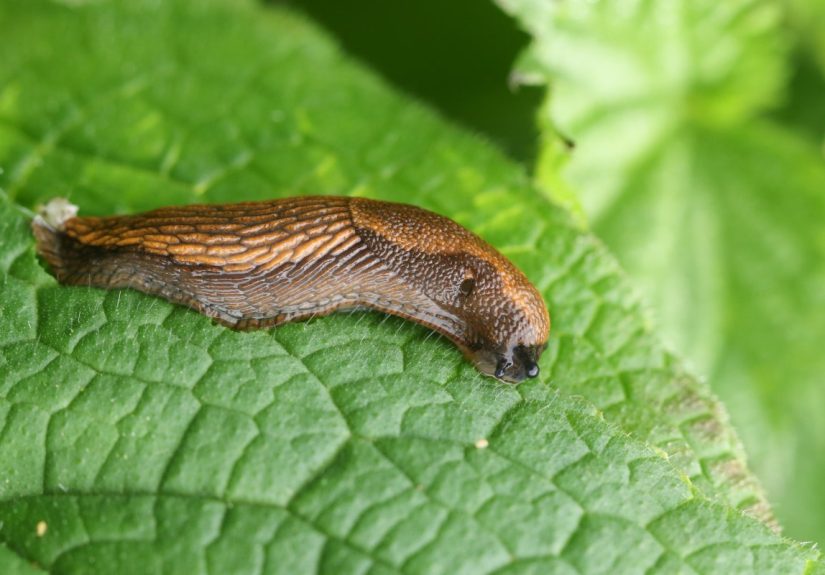
Slugs are the uninvited dinner guests of the garden world. They show up after dark, eat your lettuce like it is a five-star buffet, leave a shiny slime trail as a calling card, and somehow vanish before sunrise like tiny, rude magicians. If you have ever walked outside in the morning to find your hostas turned into lace or your strawberry patch looking like it hosted a midnight snack party, you already know the problem is real.
The good news is that slug control does not have to be a losing battle. The best approach is not one magic trick, one miracle spray, or one dramatic shouting match in the moonlight. It is a smart combination of proven methods that make your garden less inviting, catch slugs when they are active, and protect your most vulnerable plants.
In this guide, you will learn five practical methods that actually work to get rid of slugs, plus how to combine them for better long-term results. Whether you are protecting seedlings, flowers, vegetables, or your beloved hostas, this slug control strategy can help you reclaim your garden without turning it into a science experiment gone wrong.
Why Slugs Are Such a Pain in the Garden
Before you fight slugs, it helps to know what makes them tick. Slugs love cool, damp, shady places. They are most active at night, during rainy weather, and in gardens with dense mulch, heavy ground cover, or lots of debris. They especially enjoy tender seedlings, leafy greens, strawberries, basil, cabbage, and ornamental plants with soft foliage.
That is why slug damage often seems to happen overnight. One evening your lettuce looks crisp and proud. The next morning it looks like it lost a cage match with a cheese grater.
Classic signs of slug damage include:
- Ragged holes in leaves
- Silvery slime trails on plants, pots, or soil
- Damage concentrated on low-growing plants or seedlings
- Feeding that is worse in wet, cool weather
The trick is to stop thinking of slug control as a single product and start thinking of it as a habitat problem. If your yard feels like a shady spa with unlimited snacks, slugs are going to keep coming back.
Method 1: Make the Garden Less Friendly to Slugs
Reduce moisture and remove hiding places
This is the foundation of effective slug control. Slugs need moisture to survive, so anything you can do to dry out their favorite hangouts will cut down their numbers.
Start by removing the places where slugs hide during the day. That means clearing boards, stones, old leaves, plant debris, empty pots, thick weeds, and extra mulch piled right against plants. If your garden has dense groundcover or crowded beds with little airflow, thin things out a bit. Your plants will breathe easier, and slugs will lose some of their favorite real estate.
Watering habits matter too. Water in the morning, not in the evening. Morning watering gives the soil surface and leaves time to dry before night, when slugs become active. Drip irrigation or soaker hoses also help because they keep moisture near the roots instead of turning the entire garden into a damp slug resort.
If you are dealing with raised beds, containers, or flower borders, keep the edges tidy and avoid leaving damp hiding spots nearby. In vegetable gardens, rotate especially vulnerable crops and watch shady corners where moisture tends to linger.
Best for: Every garden, especially damp beds, shady borders, and areas with repeated slug problems.
Why it works: You are not just chasing slugs. You are taking away the environment that helps them survive and reproduce.
Method 2: Hand-Pick Slugs at the Right Time
Yes, it is gross. Yes, it works.
No one dreams of spending a summer evening with a flashlight and a bucket. But hand-picking is one of the most effective ways to reduce slug numbers fast, especially when populations are concentrated in a small area.
The best time to hand-pick slugs is after dark, roughly one to two hours after sunset, or very early in the morning when conditions are cool and damp. Wear gloves or use tongs, and check under leaves, along bed edges, near boards, around pots, and under any low shelter where slugs gather.
Drop the slugs into a container of soapy water. Some gardeners also use sealed bags for disposal. It is not glamorous, but neither is losing your entire lettuce row to a creature with no bones and terrible boundaries.
Hand-picking works especially well when paired with irrigation timing and habitat cleanup. If you remove hiding spots during the day and patrol at night for several evenings in a row, you can make a noticeable dent in the population.
Best for: Small gardens, raised beds, container gardens, and high-value plants like hostas, strawberries, basil, and lettuce.
Why it works: It gives immediate control and physically removes active slugs before they can keep feeding.
Method 3: Use Traps to Collect and Monitor Slugs
Boards, beer traps, and other classic slug ambushes
Traps can help you catch slugs and figure out where the worst activity is happening. They are not usually enough to solve a severe infestation alone, but they are very useful as part of an integrated slug control plan.
One of the easiest trap methods is the board trap. Place a flat board, shingle, overturned flowerpot, grapefruit rind, or even folded damp cardboard near damaged plants. Slugs will crawl underneath during the day to hide. In the morning, lift the trap and remove the slugs you find.
Beer traps are another well-known option. Slugs are attracted to fermented smells, so a shallow container of beer or a yeast-and-water mixture can lure them in. Set the trap at or slightly above ground level, cover it loosely to reduce evaporation and keep pets out, and empty it regularly.
Here is the honest truth about beer traps: they can help, but they are local tools, not miracle workers. They only attract slugs from a limited area, so think of them as targeted traps rather than total population control. In a small raised bed, they can be quite handy. In a huge garden, they are more like putting one snack bowl in a football stadium and expecting everyone to go home after halftime.
Best for: Monitoring slug hotspots, small garden beds, and combined control programs.
Why it works: Traps collect slugs where they hide or lure them into a contained area where you can remove them.
Method 4: Block Slugs with Barriers
Copper works; abrasive barriers can help under the right conditions
If you want to protect specific plants instead of chasing every slug in the yard, barriers are a smart move. Copper tape or copper flashing is one of the best-known slug barriers. When slugs crawl across copper, their slime reacts with the metal and creates an unpleasant sensation that discourages crossing.
Copper barriers work best around raised beds, containers, benches, or individual planting areas. The barrier needs to be wide enough, installed correctly, and kept clean. If leaves, mulch, or stems bridge the copper, slugs can simply crawl across the debris like it is a tiny, slimy drawbridge.
Diatomaceous earth is another option often used around plants. It can help deter slugs by drying them out or irritating their soft bodies, but it only works well when dry. After rain or irrigation, it needs to be reapplied. That makes it more useful as a short-term barrier around individual plants than as a permanent large-scale solution.
Dry ashes and other abrasive materials are sometimes mentioned too, but they also lose effectiveness when wet and may not be practical for most home gardens. The key point is this: barriers are best used to protect your favorite plants, not to replace sanitation or other slug control methods.
Best for: Containers, raised beds, prized ornamentals, and small protected zones.
Why it works: It blocks access to plants instead of trying to eliminate every slug in the yard.
Method 5: Apply Iron Phosphate Bait for Serious Infestations
The strongest practical option for home gardeners
When slug pressure is high and cultural methods are not enough, bait can be a very effective tool. For most home gardeners, iron phosphate bait is the preferred choice. It is commonly recommended because it is considered safer around children, pets, birds, and wildlife than older metaldehyde-based baits when used according to the label.
Iron phosphate causes slugs to stop feeding after they ingest it, and they typically die later in hidden areas. That means you may not see a dramatic pile of slug bodies, but the damage should slow down. Scatter the bait lightly, not in piles, and place it in the evening or under cool, moist conditions when slugs are active. Avoid turning the product into little slug buffets by dumping too much in one spot.
It is important to remember that bait is not a permanent fix by itself. If your garden still has damp hiding spots, overwatered soil, and thick debris, more slugs can move in. Think of bait as the heavy hitter on the team, not the whole roster.
Metaldehyde products can also control slugs, but they are more hazardous, especially around dogs and wildlife, and they tend to lose effectiveness after rain or irrigation. For many home gardens, iron phosphate is the more practical and safer route.
Best for: Moderate to severe slug infestations, especially in vegetable and ornamental gardens.
Why it works: It reduces feeding quickly and can suppress damaging populations when used correctly.
The Best Slug Control Plan Is a Combination Plan
If you try only one thing, you may get some relief. If you combine the right methods, you have a much better shot at long-term success.
A smart slug control routine looks like this:
- Clean up debris and reduce moisture
- Water in the morning
- Set a few board or beer traps
- Hand-pick slugs at night for several days
- Use copper barriers around vulnerable plants
- Apply iron phosphate bait if damage remains heavy
This layered approach works because it attacks the problem from multiple angles. You remove habitat, intercept movement, physically reduce the population, and protect the plants that slugs love most.
Mistakes to Avoid When Fighting Slugs
- Watering late in the day: This gives slugs perfect nighttime conditions.
- Relying on bait alone: Slugs will keep coming back if the habitat stays ideal.
- Using barriers incorrectly: Copper with leaves or mulch draped across it is basically a slug bridge.
- Ignoring small infestations: A few slugs can become a much bigger problem during cool, wet periods.
- Using salt in the garden: It can harm soil and plants and is not a smart long-term solution.
Real-World Garden Experiences: What Usually Happens When You Try These Methods
One of the most common slug stories starts with hostas. A gardener notices a few holes in early spring and assumes it is no big deal. Then a stretch of rainy weather rolls in, the mulch stays wet, and within a week the leaves look like they were attacked by a tiny paper shredder. The first instinct is often to buy one product and hope for the best. In reality, the gardeners who get the best results usually do three things at once: they clean up the area around the hostas, hand-pick slugs after dark for several nights, and add a barrier or bait around the bed. That combination tends to turn the situation around much faster than any single trick.
Another classic example is the raised vegetable bed with lettuce, basil, and strawberries. These are basically a slug tasting menu. In small beds, beer traps and board traps can be surprisingly helpful because the area is compact. Gardeners often notice that traps reveal where slugs are hiding rather than solving the whole problem by themselves. Once they know the hotspots, they can focus their cleanup, reduce watering at night, and protect the most vulnerable crops with copper tape or iron phosphate bait.
Container gardeners often have a slightly easier time because barriers are more practical on pots and planters. Copper tape around the rim of a container, along with moving pots away from damp shady corners, can make a visible difference. But even here, experience shows that the barrier must stay clean and unbroken. A single trailing stem, leaf, or clump of mulch can become the slug equivalent of a red-carpet entrance.
Many gardeners also learn the hard way that timing matters. If you wait until plants are already shredded, recovery takes longer. The people who stay ahead of slugs tend to start early, especially in spring or after the first stretch of cool wet weather. They scout for slime trails, check under boards, and deal with the first wave before numbers build. Some also make a habit of checking for eggs in late summer and fall in damp protected spots, which can reduce next season’s headache.
There is also the emotional side of the slug battle, which no one talks about enough. Few things are more humbling than losing a perfect row of seedlings to an animal that looks like a moving comma. But slug control gets easier once gardeners stop searching for a miracle cure and start using a repeatable system. The successful experiences are rarely flashy. They are consistent. A little cleanup here. A nighttime patrol there. A trap under a board. Morning watering instead of evening watering. Bait only when necessary. Over time, these habits shift the balance in your favor.
That is why the most experienced gardeners often sound almost annoyingly calm about slugs. They know slugs may never disappear completely, but they also know the damage can be kept manageable. Once you understand how slugs live and what conditions they love, the problem feels a lot less mysterious. And a lot more beatable.
Conclusion
If you want to get rid of slugs, the real answer is not one secret weapon. It is a smart system. Start by drying out the garden and removing hiding places. Hunt slugs when they are active. Use traps to catch and monitor them. Protect key plants with barriers. And when the infestation gets serious, bring in iron phosphate bait as backup.
That is how to get rid of slugs in a way that actually works. Not with wishful thinking. Not with a random gadget from aisle seven. And definitely not by negotiating with a creature that eats salad for a living and pays rent in slime.