Table of Contents >> Show >> Hide
- What Is Stephanotis?
- Why Gardeners Love Stephanotis
- Best Growing Conditions for Stephanotis
- How to Water Stephanotis
- How to Fertilize Stephanotis
- How to Encourage Stephanotis to Bloom
- Pruning and Repotting
- How to Propagate Stephanotis
- Common Problems and How to Fix Them
- Can Stephanotis Grow Outdoors?
- Is Stephanotis Safe Around Pets?
- Best Uses for Stephanotis in the Home
- Real-World Growing Experience With Stephanotis
- Conclusion
Stephanotis is one of those plants that makes people stop mid-sentence and say, “Wait, what smells so good?” Also known as Madagascar jasmine, this tropical vine is famous for its glossy green leaves, waxy white flowers, and a fragrance that can turn an ordinary room into something that feels suspiciously like a wedding venue. The good news: it is absolutely possible to grow Stephanotis at home. The slightly less cheerful news: this plant has standards.
If you meet those standards, though, Stephanotis can reward you with lush vines, elegant blooms, and serious bragging rights. It is not the toughest houseplant on the block, but it is one of the most charming. Think of it as the classy guest at the party who does not ask for much, but definitely notices the lighting, humidity, and whether you forgot to water it.
This guide covers everything you need to know about growing and caring for Stephanotis, from light and watering to pruning, propagation, and troubleshooting. Whether you are raising it indoors on a sunny windowsill or moving it outdoors for summer, here is how to help this fragrant vine thrive.
What Is Stephanotis?
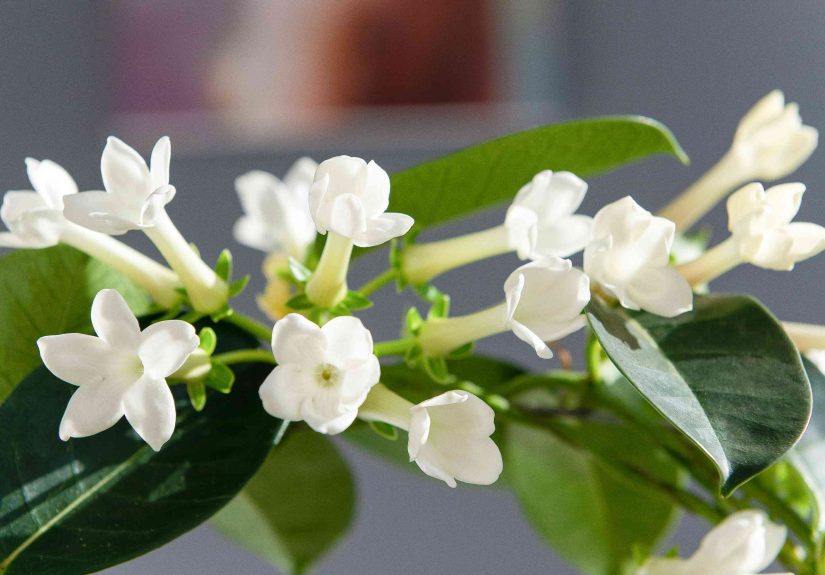
Stephanotis floribunda, commonly sold as Madagascar jasmine, is a twining tropical vine native to Madagascar. Despite the common name, it is not a true jasmine. It is prized for its clusters of starry, tubular, white flowers and thick, leathery leaves. In ideal conditions outdoors, it can stretch impressively high, but in containers and indoors it stays far more manageable, especially when trained on a hoop, wire form, or trellis.
It is often associated with bridal bouquets, and for good reason. The blooms are waxy, elegant, and powerfully fragrant without being cloying. A healthy Stephanotis can perfume a whole room, which is a nice bonus for plant lovers and a potential problem for anyone trying to pretend they do not keep buying “just one more plant.”
Why Gardeners Love Stephanotis
There are plenty of flowering houseplants, but Stephanotis has a special kind of appeal. It combines the climbing habit of a vine with the polished look of a boutique florist plant. It is decorative even when not blooming, thanks to its glossy foliage, and when it flowers, it really puts on a show.
Top reasons to grow it
Fragrance: The blooms are intensely sweet and noticeable, especially in the evening.
Elegant appearance: The dark green leaves and white flowers look crisp, classic, and expensive.
Vertical growth: It is perfect for hoops, arches, and compact trellises.
Indoor-outdoor flexibility: In warm weather, it can enjoy time outside in a sheltered spot and then come back indoors before the cold arrives.
Pet-friendly reputation: Madagascar jasmine is generally considered non-toxic to dogs, cats, and horses, though nibbling any plant is still a bad hobby for pets.
Best Growing Conditions for Stephanotis
Light
Bright light is the big one. Stephanotis needs plenty of it if you want flowers instead of a vine that looks healthy but never does anything exciting. Indoors, place it near a bright east-, south-, or west-facing window where it gets lots of light. Outdoors in warm weather, give it bright conditions with some protection from the harshest afternoon sun.
Too little light usually means fewer buds, slower growth, and a general vibe of leafy disappointment. Too much direct scorching sun can stress the leaves, especially if the plant was not gradually introduced to brighter conditions.
Temperature
Stephanotis likes warmth during active growth and cooler conditions in winter. During spring and summer, average household warmth works well. Once colder months arrive, the plant benefits from a cooler rest period with reduced watering. It does not appreciate frost, cold drafts, or surprise weather drama. If temperatures start dipping toward the danger zone, bring it indoors promptly.
Humidity
This is not a desert plant pretending to be tropical. Stephanotis prefers a reasonably humid environment, especially during active growth. Dry indoor air can lead to stress, bud drop, or pest problems. A pebble tray, a humidifier, or grouping plants together can help. A bright bathroom or sunroom can also be a great fit if the light is strong enough.
Soil
Use a rich, well-draining potting mix that holds some moisture without turning swampy. Slightly acidic soil is often recommended. A standard high-quality houseplant mix amended with extra drainage material, such as perlite or coarse sand, works well. The goal is simple: roots should stay moist, not marinate.
Support
Stephanotis is a climber, so give it something to climb. Many nursery plants come trained around a hoop, but a small trellis, obelisk, or wire frame works just as well. If you install support early, the vine settles in more naturally. If you wait until it is a tangled jungle snake, you may end up wrestling it like a polite but determined octopus.
How to Water Stephanotis
Watering Stephanotis is a balancing act. During spring and summer, keep the soil evenly moist but not soggy. Water thoroughly, then let the top layer begin to dry slightly before watering again. Never leave the pot sitting in standing water unless your long-term plan is root rot, yellow leaves, and regret.
In winter, reduce watering. The plant slows down and prefers a rest, so it does not need the same level of moisture. This seasonal adjustment is one of the most important parts of care. Many problems start when gardeners treat January like July.
Signs your watering is off
Too much water: yellow leaves, limp growth, mushy roots, or fungal issues.
Too little water: crispy leaves, bud drop, and dry soil pulling away from the pot.
Inconsistent watering: dramatic mood swings from the plant, often in the form of dropped buds.
How to Fertilize Stephanotis
Stephanotis is not outrageously hungry, but it does appreciate feeding during the growing season. Use a balanced flowering-houseplant fertilizer in spring and summer, roughly once a month unless the product label suggests otherwise. When the plant enters its cooler winter rest, stop fertilizing.
If your plant is producing healthy leaves but refusing to bloom, the issue is often not “more fertilizer, immediately.” It is usually more light, steadier care, and a proper seasonal rhythm. Fertilizer is a supporting actor here, not the main character.
How to Encourage Stephanotis to Bloom
If flowers are the dream, consistency is the strategy. Stephanotis blooms best when it has bright light, stable warmth, good humidity, regular feeding in the growing season, and a cooler, drier winter rest. That rest period matters because it helps the plant reset and prepare for better blooming later.
Bloom-boosting tips
Give the plant bright light every day.
Keep the soil evenly moist in active growth.
Provide a support so vines grow neatly and get good exposure to light.
Avoid major environmental changes once buds form.
Let the plant rest in winter with less water and no fertilizer.
One more tip: do not keep moving or rotating the plant once buds appear. Stephanotis can be touchy about changes in light orientation and environment. If it finally decides to bloom, now is not the moment to redecorate the room around it.
Pruning and Repotting
Pruning
Light pruning in late winter or early spring helps maintain shape and control size. You can trim side shoots, shorten overly long vines, and clean up weak or messy growth. Pruning also makes the plant easier to train on its support.
Do not hack away wildly just because you got excited holding scissors. Stephanotis responds best to thoughtful shaping, not a dramatic reality-show makeover.
Repotting
Repot only when necessary, usually when roots are crowding the pot or the mix has broken down. Spring is the best time. Choose a pot only slightly larger than the current one and make sure it has drainage holes. A too-large pot can stay wet for too long, which is excellent if you are growing swamp moss and less excellent if you are growing Stephanotis.
How to Propagate Stephanotis
The easiest way to propagate Stephanotis is by stem cuttings. Seed growing is possible, but it is uncommon, slower, and much less practical for most home gardeners.
Propagation from cuttings
Take a healthy cutting with a few nodes and some leaves.
Remove the lower leaves.
Dip the cut end in rooting hormone if you have it.
Plant the cutting in a moist, airy medium such as a mix containing peat, sand, or perlite.
Keep it warm, bright, and humid while roots develop.
Rooting can take several weeks, and patience is required. Stephanotis is not interested in your schedule. It will root when it is ready, preferably while you are checking it for the twelfth time that week.
Common Problems and How to Fix Them
Bud Drop
This is one of the most common complaints. Buds may fall because of sudden temperature changes, underwatering, overwatering, low humidity, weak light, or being moved while budding or flowering. The fix is not a miracle spray. It is stable care.
Yellow Leaves
A few older yellow leaves are not unusual. A lot of yellow leaves usually points to watering trouble, temperature stress, worn-out soil, or poor light. Check drainage first, because soggy roots cause more problems than gardeners would like to admit.
No Flowers
If you have a healthy vine but no blooms, the plant probably needs more light, a better winter rest, or steadier feeding in the active season. Some plants also need time to mature before they bloom heavily.
Pests
Watch for scale and mealybugs, especially indoors. Mealybugs are sneaky little cottony freeloaders that hide in leaf axils and along stems. Catch infestations early. Wipe off visible pests, isolate the plant if needed, and treat with a plant-safe method appropriate for indoor houseplants.
Root Rot
If the soil stays wet too long, roots can rot. Symptoms include drooping despite wet soil, yellowing, and a bad smell from the pot. Repot into fresh, better-draining mix and trim any rotted roots if caught early.
Can Stephanotis Grow Outdoors?
Yes, but only in frost-free or very warm conditions year-round. In most of the United States, Stephanotis is better treated as a seasonal patio plant or indoor houseplant. It can spend summer outside in a bright, sheltered spot and then move back indoors before cool temperatures arrive.
This outdoor vacation often helps it grow more vigorously. Just transition it gradually so the leaves do not scorch, and check it carefully for pests before bringing it back inside. No one wants to welcome a colony of hitchhiking mealybugs into the living room.
Is Stephanotis Safe Around Pets?
Madagascar jasmine is generally listed as non-toxic to dogs, cats, and horses. That said, “non-toxic” is not the same as “a delicious salad.” Pets that chew on leaves or flowers may still end up with mild stomach upset, so it is smart to keep the plant out of easy reach.
Best Uses for Stephanotis in the Home
Stephanotis works beautifully in bright rooms where its fragrance can be enjoyed without overwhelming the space. It is especially effective in sunrooms, near bright windows, or on plant stands where the vines can be displayed on hoops or small trellises.
It also makes a wonderful gift plant for gardeners who enjoy a challenge and appreciate fragrance. Just be honest about the care needs. Giving someone a Stephanotis and saying, “It’s basically impossible to mess up,” would be a bold and incorrect choice.
Real-World Growing Experience With Stephanotis
Growing Stephanotis often starts with pure optimism. You see the glossy leaves, smell the flowers, and imagine months of effortless elegance. Then you bring it home, set it on a random table across the room, and the plant responds with the emotional resilience of a Victorian novelist. That first lesson is unforgettable: Stephanotis is lovely, but it is not casual.
One of the most common real-life experiences with this vine is discovering just how much light it wants. Many growers assume “bright room” is enough, but Stephanotis usually teaches otherwise. It tends to perform best when it is close to a genuinely sunny window, not merely in a room that once met sunlight in passing. Once moved to a brighter spot, many plants begin producing firmer growth and, eventually, buds that actually stay put.
Another familiar experience is the bud-drop heartbreak. Everything seems fine. The buds are swelling. You are already mentally composing a victory speech. Then the heat kicks on, the plant dries out once, or you move it three feet to impress visitors, and the buds tumble off like tiny white tears. Most Stephanotis owners go through this at least once. The upside is that it makes you a better plant grower. You learn to respect consistency, and you stop treating every plant like a piece of furniture that can be rearranged on a whim.
Humidity is another area where experience matters. In dry homes, especially during winter, Stephanotis can start looking less glamorous and more annoyed. Leaves may lose some luster, pests may appear, and the plant just seems less enthusiastic about life. A humidifier, pebble tray, or better room placement can make a huge difference. It is one of those plants that rewards small environmental upgrades more dramatically than people expect.
Many growers also notice that Stephanotis becomes easier once they understand its seasons. In spring and summer, it wants moisture, feeding, warmth, and growth. In winter, it prefers to rest. Gardeners who keep pushing water and fertilizer all year often end up confused when the plant responds with yellow leaves and no flowers. Once you start matching your care to the calendar, the plant suddenly feels less mysterious and much more cooperative.
And then there is the fragrance. When Stephanotis finally blooms well, the payoff is huge. The scent is refined, strong, and memorable without feeling heavy. It can make an entryway, breakfast nook, or sunny office feel transformed. That is why so many people stay loyal to this plant even after a few setbacks. It is not just another leafy houseplant. It creates atmosphere. It has presence. It behaves like it knows it is fabulous, which, honestly, it does.
Over time, experienced growers usually settle into a simple routine: bright light, careful watering, reliable support, decent humidity, light pruning, and a cool winter slowdown. That routine is not flashy, but it works. And once you crack the code, Stephanotis shifts from “temperamental diva” to “high-maintenance friend who is absolutely worth knowing.”
Conclusion
Stephanotis is a beautiful, fragrant vine that rewards patient gardeners with some of the most elegant blooms you can grow indoors. It needs bright light, even moisture, humidity, support, and a cooler winter rest to truly shine. In return, it offers glossy foliage, heavenly scent, and flowers that look like they were designed by a florist with very high standards.
If you want a houseplant that is easy, there are simpler choices. If you want a houseplant that feels special, Stephanotis is hard to beat. Learn its rhythm, keep conditions steady, and this tropical climber can become one of the most satisfying plants in your collection.