Table of Contents >> Show >> Hide
- Why Hand Washing Clothes in a Sink Still Makes Sense
- Before You Start: What You Need
- Step-by-Step Method: How to Hand Wash Clothes in a Sink
- Step 1: Read the Care Label Like It Holds the Secrets of the Universe
- Step 2: Sort Clothes by Color, Fabric, and Weight
- Step 3: Pretreat Stains Before the Soak
- Step 4: Clean the Sink
- Step 5: Fill the Sink With Cool or Lukewarm Water
- Step 6: Add a Small Amount of Detergent
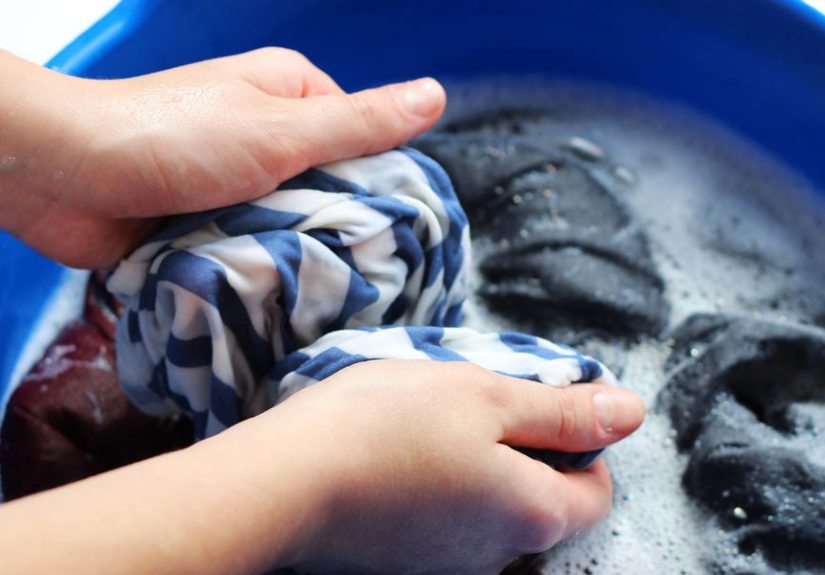
- Step 7: Submerge and Gently Agitate
- Step 8: Drain and Rinse Thoroughly
- Step 9: Remove Excess Water Without Wringing
- Step 10: Dry the Right Way
- Best Clothes to Hand Wash in a Sink
- Common Mistakes to Avoid
- Fabric-Specific Tips
- How Long Does It Take to Hand Wash Clothes in a Sink?
- When You Should Not Hand Wash in a Sink
- Real-Life Experiences With Hand Washing Clothes in a Sink
- Final Thoughts
- SEO Tags
Sometimes your washing machine is unavailable, your favorite sweater looks suspiciously delicate, or your hotel laundry situation is basically “good luck, champion.” That is when learning how to hand wash clothes in a sink becomes less of an old-fashioned life skill and more of a small domestic superpower.
The good news is that hand washing clothes is not complicated. The better news is that it is often gentler on fabric than tossing everything into a machine and hoping for the best. When done correctly, sink washing can help protect delicate fibers, reduce fading, prevent stretching, and extend the life of clothes that deserve better than a rough spin cycle and a prayer.
In this step-by-step guide, you will learn exactly how to hand wash clothes in a sink, what supplies you need, which mistakes to avoid, and how to dry garments properly so they do not come out looking like they lost an argument with gravity. Whether you are washing lingerie, workout tops, baby clothes, a silk blouse, or a wool sweater, this method is practical, easy, and surprisingly satisfying.
Why Hand Washing Clothes in a Sink Still Makes Sense
Hand washing is ideal for garments labeled hand wash, as well as many delicate items that can be damaged by aggressive machine agitation. Think bras, underwear, lace pieces, silk tops, knitwear, swimsuits, lightweight blouses, and anything with embellishments. It is also a smart backup when you live in a small apartment, travel often, need to wash one item fast, or simply want to avoid running an entire laundry cycle for a single shirt.
Another perk? You get more control. You can focus on a stained collar, treat a sweaty workout shirt, or baby a favorite cardigan without exposing the whole garment to heat, friction, and unnecessary wear. In short, sink laundry is the quiet overachiever of clothing care.
Before You Start: What You Need
- A clean sink or basin
- Cool or lukewarm water
- A small amount of gentle laundry detergent
- A soft towel for pressing out moisture
- A drying rack, flat drying surface, or sturdy hanger
- An optional stain remover for spots and spills
Use a real laundry detergent whenever possible instead of improvising with random cleaning products. Clothes are not thrilled to be washed in whatever happens to be living under your kitchen sink. Also, make sure your sink is actually clean. Residue from toothpaste, shaving cream, hand soap, food, grease, or cleaning spray can transfer right onto fabric. That is not the kind of “freshly washed” anyone is aiming for.
Step-by-Step Method: How to Hand Wash Clothes in a Sink
Step 1: Read the Care Label Like It Holds the Secrets of the Universe
Before you do anything, check the care label. This tells you whether the garment should be washed in cold water, warm water, or not hand washed at all. If it says dry clean only, do not play hero. That label is not a suggestion from an overly dramatic shirt. It is a warning.
If the label says hand wash, cold wash, or gives flexible washing guidance, you are in business. The care tag also gives clues about drying. Some items should be laid flat, while others can be hung to dry.
Step 2: Sort Clothes by Color, Fabric, and Weight
Do not throw a white camisole, dark jeans, and a fuzzy red sock into the same sink and hope chemistry behaves itself. Sort clothing by color first, then by fabric type. Wash lights separately from darks, and wash delicate items separately from rougher pieces.
If you are hand washing just one item, life is easy. If you are doing several, keep the load small. Overcrowding makes it harder to clean each piece properly and increases the risk of tangling, stretching, or color transfer.
Step 3: Pretreat Stains Before the Soak
If the garment has stains, pretreat them before you fill the sink with a dramatic amount of optimism. Apply a stain remover or a dab of gentle detergent to the stained area, then lightly work it in with your fingers. Do not scrub aggressively, especially on silk, wool, or delicate knits. The goal is persuasion, not interrogation.
Let the pretreatment sit for a few minutes. For fresh stains, this can make a major difference. Common trouble spots include collars, underarms, cuffs, and the front of shirts that have clearly spent time too close to coffee.
Step 4: Clean the Sink
This step sounds boring, which is exactly why people skip it and then wonder why their blouse smells faintly like yesterday’s pasta sauce. Rinse the sink thoroughly and wipe it clean. If you used a household cleaner, rinse again so no residue remains. The sink should be clean enough that you would trust it with your favorite shirt, not just your least favorite sponge.
Step 5: Fill the Sink With Cool or Lukewarm Water
In most cases, cool water is the safest choice. Lukewarm water can work for sturdier garments if the care label allows it, but hot water is risky because it may cause shrinking, stretching, fading, or dye bleeding. Fill the sink with enough water to fully submerge the garment without cramming it in like a carry-on suitcase.
If you are unsure which temperature to use, choose cool water. It is the polite setting. Cool water does not pick fights with fabric.
Step 6: Add a Small Amount of Detergent
You do not need much. In fact, using too much detergent is one of the biggest hand-washing mistakes. A small load in a sink usually needs only a little detergent. Too many suds make rinsing harder and can leave residue behind, which makes clothes feel stiff, sticky, or weirdly crunchy.
Swish the water with your hand to dissolve the detergent before adding the garment. This helps distribute the soap evenly instead of letting it sit in one concentrated spot on the fabric.
Step 7: Submerge and Gently Agitate
Place the garment in the water and press it down gently until it is fully soaked. Then move it through the water with light swishing motions. Think gentle dunking, light squeezing, and slow swirls. Do not twist, scrub harshly, or stretch the fabric. If you are washing a sweater or a delicate blouse, treat it like it belongs to someone annoyingly stylish and very particular.
Focus extra attention on areas that collect sweat or body oils, such as underarms, necklines, and cuffs. A few minutes of gentle agitation is usually enough for lightly soiled clothes. For more noticeable dirt, allow the item to soak for around 10 to 15 minutes before swishing again.
Step 8: Drain and Rinse Thoroughly
Once the washing phase is done, drain the soapy water and refill the sink with clean, cool water. Rinse the garment by swishing it gently through the fresh water. You may need to drain and refill more than once, especially if you used slightly too much detergent or the fabric holds suds easily.
Keep rinsing until the water runs clear and the garment no longer feels slippery. Residual detergent is a sneaky troublemaker. It can attract dirt, irritate skin, and make clothing feel less soft over time.
Step 9: Remove Excess Water Without Wringing
This is where many good intentions go to die. Do not wring out the garment like you are auditioning for a frontier survival show. Wringing can stretch fibers, distort shape, and damage delicate fabric.
Instead, press the item gently against the side of the sink to release water. Then lay it flat on a clean, dry towel. Roll the towel up with the garment inside and press gently to absorb extra moisture. This towel-roll method is especially helpful for sweaters, lingerie, and soft knitwear.
Step 10: Dry the Right Way
Drying matters just as much as washing. Many items should be air dried rather than put in the dryer. Lightweight tops, shirts, and some activewear can often go on a hanger or drying rack. Sweaters, wool, and stretchy knits should usually be laid flat to dry so they do not stretch out.
Reshape the garment while it is damp. Smooth seams, straighten hems, and arrange sleeves neatly. If you hang a heavy wet sweater, it may dry into a version of itself that looks emotionally exhausted and physically longer. Flat drying prevents that tragedy.
Best Clothes to Hand Wash in a Sink
- Bras and delicate underwear
- Silk blouses and camisoles
- Wool and cashmere sweaters
- Swimsuits
- Light workout clothes
- Baby clothes and small items
- Lace, mesh, and embellished garments
- Items you only need to wash quickly
Hand washing is also useful for clothes that are not necessarily ultra-delicate but that you want to preserve. Dark jeans, premium T-shirts, and favorite tops can often benefit from gentler washing, especially if fading or shape loss has been an issue.
Common Mistakes to Avoid
Using Too Much Detergent
More soap does not automatically mean cleaner clothes. Usually it means more rinsing and more regret.
Using Hot Water Without Checking the Label
Hot water can shrink natural fibers, bleed dye, and stress delicate fabric. When unsure, go cool.
Skipping the Rinse
A quick rinse is not always enough. Leftover detergent can make clothing feel unpleasant and attract dirt faster.
Wringing the Garment
This is a fast way to stretch, warp, and damage clothes. Press and towel-roll instead.
Drying the Wrong Way
Some fabrics need to be laid flat. Others can hang dry. Ignoring that difference can undo all your careful washing.
Washing Everything Together
Mixing heavy fabrics, rough textures, and dark colors with delicate items is asking for trouble. Sort first.
Fabric-Specific Tips
How to Hand Wash a Sweater
Use cool water and a gentle detergent. Soak and swish gently. Never twist it. Press out water with a towel and lay flat to dry. Reshape it while damp.
How to Hand Wash Silk
Keep the water cool to lukewarm and agitation very gentle. Do not scrub. Rinse well and dry away from direct heat or harsh sunlight.
How to Hand Wash Bras and Underwear
Use a mild detergent and cool water. Agitate lightly, rinse thoroughly, and air dry. Bras should be reshaped before drying to help maintain their structure.
How to Hand Wash Workout Clothes
Turn them inside out if needed, focus on sweaty areas, and avoid overusing detergent. Odor-prone fabric traps residue easily, so rinse especially well.
How Long Does It Take to Hand Wash Clothes in a Sink?
For one or two lightly soiled garments, the whole process often takes about 15 to 25 minutes, not including drying time. Heavier fabrics or items that need soaking may take a little longer. The actual washing part is quick. Drying is the slow, patient, air-drying portion of the story, where your shirt gets to sit quietly and think about its life choices.
When You Should Not Hand Wash in a Sink
Do not hand wash items clearly labeled dry clean only. Also use caution with structured garments like lined jackets, tailored pieces, pleated items, or anything that could lose shape easily. If a garment bleeds dye heavily, has fragile embellishments, or costs enough to make you nervous every time you touch it, professional cleaning may be the smarter move.
Real-Life Experiences With Hand Washing Clothes in a Sink
The first time many people learn how to hand wash clothes in a sink is not during a calm, organized Saturday at home. It is usually during some mildly chaotic life moment. Maybe the washing machine breaks. Maybe the apartment laundry room is full. Maybe you are traveling, spill coffee on your only decent shirt, and suddenly become a one-person laundry department in a hotel bathroom.
One of the most common real-life situations is travel. Hand washing a T-shirt, socks, or underwear in a sink can save space in your suitcase and save money on hotel laundry fees that seem to price each sock like fine jewelry. A small amount of detergent, a towel, and a little patience can keep a travel wardrobe going much longer than people expect. Many frequent travelers get into the habit of washing one or two items at night and letting them dry overnight. It is not glamorous, but neither is wearing a shirt that has seen three airports and a mystery food court incident.
Students and apartment renters also become accidental sink-laundry experts. When machines are busy, broken, expensive, or located in a basement that feels like the opening scene of a horror movie, hand washing becomes a practical skill. Small loads are especially manageable. A favorite sweater, gym clothes needed for tomorrow, or a delicate top for a last-minute dinner can all be cleaned without waiting for a full machine cycle.
Parents sometimes use sink washing for baby clothes, bibs, or emergency messes. It is fast, focused, and useful when only one or two items need immediate attention. The same goes for pet owners, athletes, and anyone who has ever looked at a stain and thought, “That cannot sit there until laundry day.”
Then there is the emotional category of hand washing: the clothes you simply do not trust to a machine. A cashmere sweater, a vintage blouse, a silky camisole, or that one black shirt that somehow fits perfectly and should probably be stored in a museum. For those items, sink washing feels less like a chore and more like sensible risk management. You slow down, pay attention, and avoid the heartbreak of discovering your favorite garment now fits a decorative lamp.
Many people who start hand washing out of necessity end up sticking with it for certain items because the results are better. Clothes often last longer, hold shape better, and look less worn. It is not magic. It is just less aggressive cleaning. That turns out to be a big deal for fabric.
So yes, hand washing clothes in a sink can feel old-school. It can also feel resourceful, practical, and weirdly satisfying. There is something nice about knowing you do not need a full laundry setup to keep your clothes fresh. Just a sink, some water, a little detergent, and the willingness to treat fabric with more respect than a standard wash cycle usually offers.
Final Thoughts
Learning how to hand wash clothes in a sink is one of those life skills that seems small until the exact moment you really need it. The method is simple: read the label, sort carefully, use cool or lukewarm water, add a small amount of detergent, wash gently, rinse thoroughly, remove water without wringing, and dry the garment the right way.
Once you get the hang of it, sink laundry stops feeling like a hassle and starts feeling like smart clothing care. Your delicates last longer, your sweaters keep their shape, and your emergency laundry situations become far less dramatic. That alone is worth celebrating. Quietly. Near a drying rack.