Table of Contents >> Show >> Hide
- Why Make Fresh Cranberry Juice at Home?
- Ingredients for Fresh Cranberry Juice
- Equipment You Will Need
- How to Make Fresh Cranberry Juice: 14 Steps
- Step 1: Choose Fresh, Firm Cranberries
- Step 2: Rinse and Sort the Berries
- Step 3: Measure the Water
- Step 4: Combine Cranberries and Water in a Saucepan
- Step 5: Bring the Mixture to a Gentle Boil
- Step 6: Simmer Until the Cranberries Burst
- Step 7: Mash the Berries Lightly
- Step 8: Let the Mixture Steep
- Step 9: Strain the Juice
- Step 10: Sweeten While Warm
- Step 11: Add Citrus for Freshness
- Step 12: Adjust the Strength
- Step 13: Chill Before Serving
- Step 14: Store It Safely
- Flavor Variations for Homemade Cranberry Juice
- Common Mistakes to Avoid
- How to Serve Fresh Cranberry Juice
- Fresh Cranberry Juice Troubleshooting Guide
- Experience Notes: What Making Fresh Cranberry Juice Teaches You
- Conclusion
Fresh cranberry juice is the kind of drink that wakes up your taste buds, politely kicks bottled juice out of the fridge, and makes your kitchen smell like the holidays even if it is a random Tuesday in July. Tart, ruby-red, refreshing, and easy to customize, homemade cranberry juice gives you control over sweetness, strength, flavor, and ingredients. No mystery “cranberry-flavored beverage,” no neon-red sugar bomb, and no label that needs a chemistry degree to decode.
The best part? You do not need fancy equipment. A saucepan, a strainer, fresh or frozen cranberries, water, and your sweetener of choice can produce a bright, flavorful juice that works beautifully chilled, warm, sparkling, mixed into mocktails, or poured over ice like the classy little antioxidant-rich beverage it is. This guide walks you through how to make fresh cranberry juice in 14 steps, with practical tips for choosing berries, balancing tartness, storing safely, and making the flavor taste clean instead of harsh.
Why Make Fresh Cranberry Juice at Home?
Store-bought cranberry juice often comes as a cocktail, meaning it may be blended with other juices and sweetened heavily to soften cranberry’s naturally sharp flavor. Homemade cranberry juice is different. You decide whether it tastes bold and tangy, lightly sweet, citrusy, spiced, or mellow enough for everyday sipping.
Cranberries are naturally tart because they contain organic acids, which is exactly why they make such a lively drink. They also contain plant compounds called polyphenols and provide vitamin C in their whole-fruit form. While cranberry juice should not be treated as a cure for health conditions, it can absolutely be part of a balanced kitchen routineespecially when you make it with real fruit and moderate sweetness.
Ingredients for Fresh Cranberry Juice
This basic recipe makes about 4 cups of cranberry juice, depending on how much you dilute and how firmly you press the berries.
- 12 ounces fresh cranberries or frozen cranberries, about 3 to 4 cups
- 4 cups water, plus more for adjusting strength
- 1/3 to 1/2 cup sugar, honey, maple syrup, or agave, adjusted to taste
- 1 tablespoon lemon juice or orange juice, optional but recommended
- 1 strip orange zest, optional for a brighter flavor
- 1 small cinnamon stick, optional for a cozy spiced version
- Pinch of salt, optional, to round out tartness
Equipment You Will Need
- Medium saucepan with lid
- Fine-mesh strainer
- Large bowl or pitcher
- Wooden spoon or potato masher
- Measuring cups and spoons
- Glass bottle or airtight jar for storage
- Cheesecloth, optional for extra-clear juice
How to Make Fresh Cranberry Juice: 14 Steps
Step 1: Choose Fresh, Firm Cranberries
Start with cranberries that look plump, glossy, and deep red. They should feel firm, not soft or wrinkled. A few pale berries are normal, but avoid berries that are mushy, brown, or smell fermented. Fresh cranberries are usually easiest to find in fall and winter, but frozen cranberries work beautifully year-round. In fact, frozen berries are often picked at peak freshness, so do not treat them like second-class citizens. They are doing their best, and their best is delicious.
Step 2: Rinse and Sort the Berries
Place the cranberries in a colander and rinse them under cool running water. Pick out any stems, leaves, damaged berries, or soft spots. Cranberries are sturdy, but they still deserve a quick spa rinse before becoming juice. Sorting matters because one bad berry can add an off flavor, especially in a simple recipe where the fruit is the star.
Step 3: Measure the Water
For a balanced homemade cranberry juice, use about 4 cups of water for one 12-ounce bag of cranberries. This gives you a bold but drinkable juice. For a stronger concentrate, use 3 cups of water. For a lighter juice, use 5 cups. Think of water as your flavor volume knob: less water means tart and intense, more water means soft and sippable.
Step 4: Combine Cranberries and Water in a Saucepan
Add the rinsed cranberries and water to a medium saucepan. Choose a pan with enough room for bubbling because cranberries like to pop as they cook. It is normal, mildly dramatic, and one of the most satisfying sounds in the kitchen. If you are adding orange zest, cinnamon, or a tiny pinch of salt, add it now so the flavors can infuse while the berries simmer.
Step 5: Bring the Mixture to a Gentle Boil
Set the pan over medium-high heat and bring the mixture to a gentle boil. Once it starts bubbling, reduce the heat to medium or medium-low. You want steady simmering, not an aggressive rolling boil that splashes cranberry lava on your stovetop. Cranberries are tart, beautiful, and occasionally chaotic.
Step 6: Simmer Until the Cranberries Burst
Let the cranberries simmer for 10 to 15 minutes, stirring occasionally. As they heat, the skins will split and the berries will release their juice, color, and flavor into the water. The liquid will turn a vivid red, and the berries will soften. This is the point where your kitchen starts smelling like a cranberry candle, except edible and far less suspicious.
Step 7: Mash the Berries Lightly
Use a wooden spoon or potato masher to press the softened cranberries gently against the side of the pan. Do not pulverize them into paste unless you want cloudy juice with more pulp. A light mash helps extract more flavor while keeping the final drink smooth. If you prefer a rustic cranberry drink, mash more firmly and keep some pulp later.
Step 8: Let the Mixture Steep
Turn off the heat and let the cranberry mixture sit for 10 minutes. Steeping deepens the flavor and color without overcooking the fruit. This small pause makes the juice taste rounder and less sharp. It is the beverage version of letting soup rest before servingquietly important, even though nobody writes songs about it.
Step 9: Strain the Juice
Place a fine-mesh strainer over a large bowl or pitcher. Carefully pour the cranberry mixture into the strainer. Let the liquid drain naturally for a clearer juice, then press the solids lightly with the back of a spoon if you want stronger flavor. For an ultra-smooth, jewel-toned juice, line the strainer with cheesecloth. For a thicker, smoothie-like drink, blend part of the cooked berries back into the juice.
Step 10: Sweeten While Warm
Add your sweetener while the juice is still warm so it dissolves easily. Start with 1/3 cup sugar, honey, maple syrup, or agave. Stir well, taste, and add more if needed. Cranberries are naturally very tart, so do not panic if the unsweetened juice makes your eyebrows move independently. That is normal. Sweeten gradually until the flavor is bright, balanced, and pleasant.
Step 11: Add Citrus for Freshness
Stir in a tablespoon of fresh lemon juice or orange juice. Citrus does not just add flavor; it helps sharpen the cranberry taste and makes the juice feel more refreshing. Orange juice gives a sweeter, holiday-style flavor, while lemon juice keeps the drink crisp and clean. A little orange zest can also add a fragrant finish without making the juice overly sweet.
Step 12: Adjust the Strength
If the juice tastes too intense, add cold water a little at a time. If it tastes too light, simmer it uncovered for a few minutes to concentrate the flavor, or use less water next time. Homemade cranberry juice is flexible. You are not stuck with one flavor profile. You are the boss of the berry.
Step 13: Chill Before Serving
For the best flavor, cool the juice to room temperature, then refrigerate it for at least 2 hours. Cranberry juice tastes smoother when chilled because cold temperature softens the perception of tartness. Serve it over ice, add a splash of sparkling water, or garnish with orange slices, mint, or a few frozen cranberries. Frozen cranberries make excellent edible ice cubes and look fancy with almost no effort, which is the best kind of fancy.
Step 14: Store It Safely
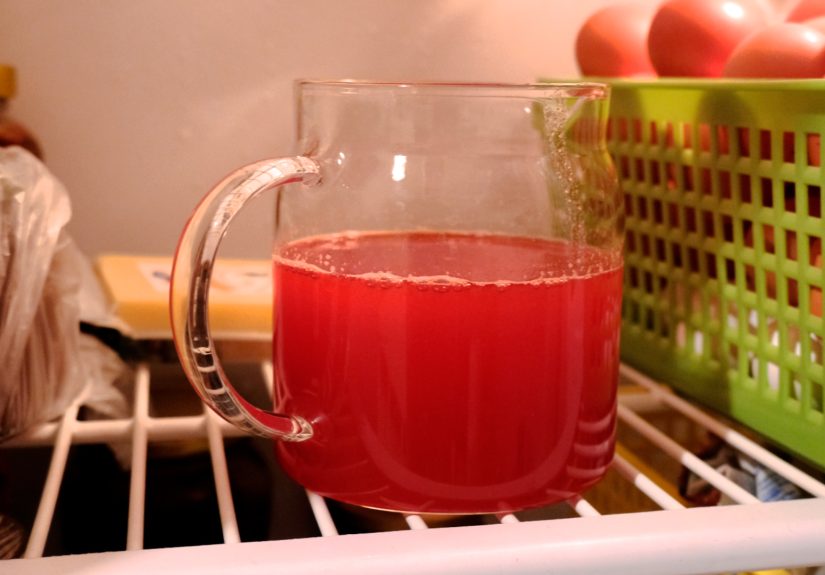
Pour the cooled juice into a clean airtight glass bottle or jar and refrigerate it. For best flavor, drink homemade cranberry juice within 3 to 5 days. If you want to keep it longer, freeze it in ice cube trays or freezer-safe containers for up to 2 to 3 months. Since homemade juice is not commercially pasteurized, keep everything clean, refrigerate promptly, and discard the juice if it smells fizzy, yeasty, sour in a strange way, or looks moldy.
Flavor Variations for Homemade Cranberry Juice
Cranberry Orange Juice
Add 1/2 cup fresh orange juice after straining and sweeten with honey or maple syrup. This version tastes cheerful, bright, and brunch-ready. It is excellent with breakfast foods, especially pancakes, waffles, muffins, and anything involving butter.
Spiced Cranberry Juice
Simmer the cranberries with a cinnamon stick, two cloves, and a strip of orange zest. Remove the spices before straining. This version is cozy enough for winter gatherings and makes your kitchen smell like you have your life together.
Sparkling Cranberry Juice
Make the juice slightly concentrated, chill it, then mix one part cranberry juice with one part sparkling water. Add a squeeze of lime for a refreshing nonalcoholic party drink. It looks festive, tastes crisp, and gives soda a run for its bubbles.
Ginger Cranberry Juice
Add a few slices of fresh ginger during simmering. Ginger gives the juice warmth and a gentle kick, which pairs beautifully with cranberry’s tartness. Strain it out with the berry solids unless you enjoy surprise ginger ambushes.
Common Mistakes to Avoid
Using Too Much Sugar Too Early
It is tempting to dump in a mountain of sugar immediately because cranberries are famously tart. Resist. Sweetness becomes harder to control once the juice reduces. Start modestly, taste after straining, and adjust while the juice is warm.
Boiling Too Hard
A strong boil can make cranberry juice taste slightly harsh and can create a messy stovetop situation. A gentle simmer extracts flavor without turning the kitchen into a red-speckled crime scene.
Pressing the Solids Too Aggressively
If you press the cooked cranberries too hard through the strainer, the juice may become cloudy or slightly gritty. That is not necessarily bad, but if you want a clear, elegant juice, let gravity do most of the work.
Skipping the Chill Time
Warm cranberry juice can taste sharper than chilled cranberry juice. Cooling gives the flavors time to settle. Unless you are making a hot spiced version, refrigerate before judging the final taste.
How to Serve Fresh Cranberry Juice
Fresh cranberry juice is more versatile than people think. Serve it cold over ice for a simple everyday drink, dilute it with sparkling water for a light spritzer, or warm it with cinnamon and orange zest for a cozy winter beverage. You can also use it in smoothies, mocktails, salad dressings, sauces, marinades, popsicles, or homemade gelatin desserts.
For a breakfast-friendly version, mix cranberry juice with apple juice or orange juice. For a grown-up dinner-table style drink without alcohol, combine cranberry juice, sparkling water, lime juice, and a rosemary sprig. For kids or tartness-sensitive adults, blend it with grape juice or apple juice to soften the flavor naturally.
Fresh Cranberry Juice Troubleshooting Guide
Why Is My Cranberry Juice Too Sour?
Cranberries are naturally tart, so sourness usually means the juice needs more sweetener, more dilution, or a little citrus balance. Add sweetener one tablespoon at a time, then taste again. A pinch of salt can also smooth the sharp edges without making the drink salty.
Why Is My Juice Cloudy?
Cloudiness usually comes from pressing the cranberry pulp too firmly or using a strainer with larger holes. It is safe if the juice was prepared and stored properly, but you can strain it again through cheesecloth for a clearer result.
Can I Use Frozen Cranberries?
Yes. Frozen cranberries work very well for juice. You do not need to thaw them first; just add them directly to the pot with water and simmer a few minutes longer if needed.
Can I Make Cranberry Juice Without Sugar?
Yes, but expect a very tart drink. For a no-sugar-added version, dilute the juice more and blend it with naturally sweet juices like apple, pear, or orange. You can also use a small amount of monk fruit sweetener or stevia if you like the taste.
Experience Notes: What Making Fresh Cranberry Juice Teaches You
Making fresh cranberry juice at home is one of those kitchen projects that looks simple on paper and becomes surprisingly personal after the first batch. The first thing you learn is that cranberries are not shy. They do not gently suggest tartness; they announce it with a tiny red megaphone. That is why tasting and adjusting is more important than following a sweetener measurement like it was carved into stone. One batch of cranberries may taste brighter, another may taste more bitter, and your own preference might change depending on whether you plan to drink it plain, mix it with sparkling water, or serve it with food.
Another useful experience is learning how much the simmering time changes the final flavor. A short simmer gives a cleaner, lighter juice with a fresher berry taste. A longer simmer produces deeper color and stronger flavor, but it can also bring out more bitterness from the skins if pushed too far. The sweet spot is usually when most of the cranberries have popped and the liquid is deeply red, but the mixture has not cooked down into sauce. Once you see that stage, you will recognize it every time.
Straining also teaches patience. Pressing the pulp hard feels productive, as if you are heroically rescuing every last drop from the berries. But if you want a clear juice, gentle draining works better. The harder you press, the more pulp slips through. That pulp is not a disasterit can make the juice feel more homemade and heartybut for a smooth drink, let the strainer do its job. A cheesecloth layer helps if you are aiming for a polished, glass-bottle look.
Sweetener choice makes a bigger difference than expected. White sugar keeps the flavor clean and lets the cranberry shine. Honey adds floral warmth, maple syrup brings cozy depth, and agave dissolves easily with a neutral sweetness. If you are serving the juice cold, slightly oversweetening while warm can make sense because chilled drinks often taste less sweet. Still, add sweetener slowly. Cranberry juice can go from pleasantly tart to syrupy very quickly, and nobody wants to feel like they are drinking pancake topping with a berry accent.
One of the best practical discoveries is that homemade cranberry juice becomes more useful when made as a concentrate. Use less water, strain it, sweeten lightly, and store it in the fridge. Then you can dilute each glass differently. Want a strong breakfast juice? Add a little water. Want a spritzer? Add sparkling water and lime. Want a warm drink? Heat it with cinnamon and orange. This concentrate method is perfect for families because one person can have it tart and bold while another can make it gentle and sweet.
Finally, homemade cranberry juice reminds you that simple recipes reward small details. Rinsing the berries, using clean jars, chilling before serving, adding citrus at the end, and storing the juice properly all make the difference between “pretty good” and “why did I ever buy the bottled stuff?” Once you make it a few times, the recipe becomes less of a strict 14-step process and more of a kitchen rhythm: simmer, pop, steep, strain, sweeten, chill, sip, smile.
Conclusion
Learning how to make fresh cranberry juice is easy, rewarding, and much more flexible than buying a bottle from the store. With fresh or frozen cranberries, water, a little sweetener, and a few optional flavor boosters, you can create a bright homemade juice that tastes clean, tart, refreshing, and completely customizable. The secret is to simmer gently, strain carefully, sweeten gradually, and chill before serving.
Whether you enjoy it plain, sparkling, spiced, citrusy, or blended with sweeter fruit juices, fresh cranberry juice deserves a spot in your kitchen routine. It is bold, beautiful, and just dramatic enough to keep things interestingbasically the fruit juice version of a holiday guest who arrives wearing red velvet and somehow makes the whole party better.
Note: This article is for general cooking and food-preparation purposes. Homemade juice should be prepared with clean equipment, refrigerated promptly, and consumed within a few days for best quality and safety.