Table of Contents >> Show >> Hide
- What Is a Mechanical Soft Diet?
- Who Is a Mechanical Soft Diet For?
- The Pros of a Mechanical Soft Diet
- The Cons of a Mechanical Soft Diet
- Foods That Usually Work Well
- Foods That Often Cause Problems
- How to Make a Mechanical Soft Diet Healthier
- Sample One-Day Mechanical Soft Menu
- How Long Should Someone Stay on It?
- Real-World Experiences: What People Often Notice on a Mechanical Soft Diet
- Final Thoughts
- SEO Tags
If regular food feels like a full-contact sport for your mouth, throat, or jaw, a mechanical soft diet may be the peace treaty you need. This eating plan is built around foods that are softer, moister, and easier to chew and swallow. Think scrambled eggs, tender fish, mashed potatoes, oatmeal, yogurt, and finely chopped meats instead of steak, crusty bread, popcorn, or that suspiciously aggressive granola cluster trying to break your spirit.
A mechanical soft diet is not a fad, a detox, or a glamorous celebrity eating plan. It is a practical medical nutrition strategy often used after surgery, during illness, or when chewing and swallowing become difficult. For the right person, it can make meals safer, less painful, and far less exhausting. For the wrong person, it can feel boring, overly restrictive, or nutritionally flimsy if it is not planned well.
This guide breaks down what a mechanical soft diet is, who it helps, its pros and cons, what foods usually fit, what foods usually do not, and how to make it more satisfying without turning dinner into beige mush with a side of sadness.
What Is a Mechanical Soft Diet?
A mechanical soft diet focuses on texture modification, not necessarily flavor modification. The word “mechanical” means food is changed by chopping, grinding, mashing, blending, shredding, or moistening so it takes less effort to chew and move around the mouth. The goal is simple: make eating easier and safer.
In most cases, foods on this diet are soft enough to mash with a fork, moist enough to swallow comfortably, and tender enough to require less jaw work than a regular diet. Some versions include chopped or ground meats, soft casseroles, cooked vegetables, soft fruits without skins, pasta, rice, soups, and dairy foods. Some people may need an even softer version, while others can handle foods that are soft but still have some texture.
Mechanical Soft vs. Pureed Diet
A mechanical soft diet still includes texture. You may be chewing, just not as much. A pureed diet goes further by making foods smooth and pudding-like. If a person cannot safely handle chopped or soft solids, pureed foods may be recommended instead.
Mechanical Soft vs. Bland Diet
This is where people get tripped up. A bland diet is designed to reduce stomach or digestive irritation. A mechanical soft diet is designed to reduce chewing and swallowing difficulty. A meal can be soft but not bland, and bland but not soft. Mashed potatoes with gravy? Mechanical soft. Dry toast? Bland-ish maybe, but definitely not your best friend if chewing is a struggle.
Who Is a Mechanical Soft Diet For?
This diet is commonly recommended for people who have temporary or ongoing trouble chewing or swallowing. That can include:
- People recovering from mouth, jaw, head, neck, or throat surgery
- People with dysphagia, or difficulty swallowing
- Older adults with dental issues, missing teeth, poorly fitting dentures, or weak chewing muscles
- Patients healing after dental procedures or tooth extractions
- People with dry mouth, mouth sores, or throat pain
- Some people after stroke, neurologic illness, or esophageal problems
- People who are simply too weak, fatigued, or uncomfortable to manage regular-texture foods
It may also be used for a short period after certain gastrointestinal procedures or when someone needs foods that are easy to chew and gentle to swallow while they recover.
That said, not everyone who says, “Chewing is annoying today,” needs a mechanical soft diet. If swallowing difficulty is new, worsening, or paired with choking, coughing during meals, a wet-sounding voice after swallowing, weight loss, dehydration, or food getting stuck, that deserves medical evaluation. Texture changes can help manage symptoms, but they do not diagnose the cause.
The Pros of a Mechanical Soft Diet
1. It reduces chewing effort
For people with jaw pain, oral surgery, weak chewing muscles, or dental problems, softer foods can make meals dramatically less tiring. That matters more than it sounds. Eating should not feel like a part-time job.
2. It may make swallowing easier and safer
Moist, tender, easy-to-control foods are often easier to move through the mouth and throat than dry, crumbly, sticky, crunchy, or tough foods. For people with certain swallowing problems, that can lower the chance of coughing, gagging, or having food hang around where it should not.
3. It can help people keep eating by mouth
When regular foods become painful or frustrating, some people start eating less. A well-planned mechanical soft diet can support intake by making meals more manageable. That matters because poor intake can lead to weight loss, lower energy, slower healing, and the nutritional equivalent of running on fumes.
4. It can be nutrient-dense when done well
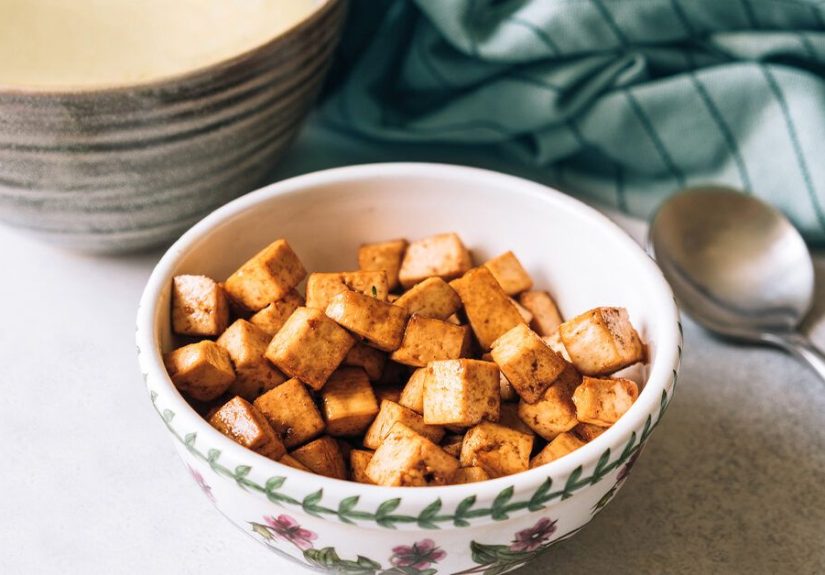
Soft does not have to mean skimpy. Foods like Greek yogurt, cottage cheese, eggs, tender fish, ground turkey, tofu, beans mashed until smooth, avocado, oatmeal cooked with milk, nut butters stirred into cereal, smoothies, and creamy soups can provide plenty of protein, calories, and important nutrients.
5. It can ease the transition after surgery or illness
A mechanical soft diet is often a practical middle step between liquids or pureed foods and a regular diet. It helps people get back to normal eating gradually instead of jumping from applesauce to beef jerky like a culinary dare.
The Cons of a Mechanical Soft Diet
1. It can get boring fast
Texture variety is part of what makes food enjoyable. If every meal is soft, beige, and scoopable, appetite can take a hit. Even people who medically need this diet can get tired of it quickly, especially if meals are repetitive or poorly seasoned.
2. It may reduce fiber and food variety
Many crunchy raw vegetables, seedy fruits, nuts, popcorn, coarse breads, and tough whole grains are often limited. That can reduce fiber intake and make constipation more likely unless the diet is balanced carefully with soft fruits, cooked vegetables, oats, beans that are mashed or blended, and adequate fluids when allowed.
3. It can be nutritionally weak if planned poorly
A plate of mashed potatoes and pudding is certainly soft. It is not necessarily a complete nutrition strategy. If a person relies mostly on refined carbs and low-protein comfort foods, they can fall short on protein, calories, vitamins, and minerals.
4. It does not treat the underlying problem
This is important. A mechanical soft diet may make eating easier, but it does not cure dysphagia, fix dental issues, resolve neurologic disease, or heal every throat or esophageal condition. It is a management tool, not magic.
5. It can feel socially awkward
Restaurant menus are not exactly written for people who need fork-mashable meals. Social meals can become stressful when everyone else is eating burgers, chips, and crusty pizza while you are negotiating with a side of mac and cheese.
Foods That Usually Work Well
Exact recommendations vary by person, but these foods often fit a mechanical soft diet:
- Proteins: scrambled eggs, soft omelets, tuna salad, chicken salad, tender flaky fish, ground meat with sauce, meatloaf, tofu, cottage cheese, yogurt, soft beans mashed as needed
- Grains and starches: oatmeal, cream of wheat, soft pancakes, soft pasta, rice when tolerated, mashed potatoes, sweet potatoes, soft cooked cereals
- Vegetables: well-cooked carrots, squash, green beans, peas, spinach, pureed vegetable soups, mashed vegetables
- Fruits: bananas, applesauce, canned peaches or pears, ripe melon, avocado, soft berries without bothersome seeds if tolerated
- Dairy and alternatives: pudding, yogurt, kefir, cheese sauce, milk, fortified plant milks
- Extras for moisture: gravy, broth, yogurt, sauce, butter, olive oil, cream sauces, salsa if tolerated and not irritating
Foods That Often Cause Problems
- Tough meats, jerky, bacon, dry chicken breast
- Crusty bread, hard rolls, toast, bagels
- Crackers, chips, popcorn, nuts, seeds
- Raw crunchy vegetables like carrots or celery
- Dry rice or crumbly foods that scatter in the mouth
- Sticky foods such as thick peanut butter eaten by itself
- Stringy or fibrous foods that are hard to break down
- Foods with mixed textures if they are difficult to control, such as chunky soups or cereal floating in milk
The biggest troublemakers tend to be foods that are dry, tough, crunchy, crumbly, sticky, or hard to chew into a smooth bite.
How to Make a Mechanical Soft Diet Healthier
Prioritize protein
Include a soft protein source at every meal. Eggs, Greek yogurt, cottage cheese, tofu, soft fish, ground meats, beans, lentils, and smoothies with protein-rich ingredients can help maintain strength and support healing.
Add moisture on purpose
Gravy, broth, milk, yogurt, sauce, olive oil, or melted cheese can turn a dry meal into a much more manageable one. Moisture is not a luxury here. It is strategy.
Keep calories up when needed
If weight loss is a concern, enrich foods with milk powder, nut butters mixed into oatmeal or smoothies, avocado, olive oil, butter, cheese, or protein supplements recommended by a clinician.
Choose soft fiber sources
Try oatmeal, cooked vegetables, mashed beans, applesauce, soft canned fruit, ripe bananas, or blended soups. This helps keep digestion moving without forcing crunchy roughage into the conversation.
Work with the right professionals
If swallowing is the issue, a speech-language pathologist may recommend the safest texture. A registered dietitian can help make sure the diet still meets protein, calorie, vitamin, and hydration needs.
Sample One-Day Mechanical Soft Menu
Breakfast
Oatmeal cooked in milk with mashed banana and peanut butter stirred in, plus scrambled eggs and a cup of yogurt.
Lunch
Tuna salad or soft chicken salad, mashed sweet potatoes, well-cooked green beans, and canned peaches.
Snack
Smoothie with Greek yogurt, milk, berries, and avocado.
Dinner
Flaky baked fish with lemon butter sauce, soft rice or mashed potatoes, cooked carrots, and pudding or applesauce for dessert.
Evening Snack
Cottage cheese with soft fruit or a warm cream soup with extra protein stirred in.
How Long Should Someone Stay on It?
That depends on the reason for using it. Some people need a mechanical soft diet for only a few days after dental work or surgery. Others may need it for weeks, months, or longer if chewing or swallowing problems are chronic. The plan should be reassessed over time. If someone can safely progress to more regular textures, great. If not, the diet may need fine-tuning so it stays safe and nutritionally solid.
Real-World Experiences: What People Often Notice on a Mechanical Soft Diet
Many people do not realize how emotional eating can be until food texture suddenly changes. One common experience is relief at first. After mouth surgery, radiation treatment, dental extractions, or a painful swallowing episode, soft foods can feel like a rescue plan. Instead of dreading meals, people often find that yogurt, oatmeal, eggs, soup, mashed potatoes, and tender fish let them eat without bracing for pain. The first victory is usually simple: “I could finish a meal without it hurting so much.” That may sound small, but when someone has been struggling, it feels huge.
Another common experience is surprise at how tiring regular eating had become before the diet change. People with swallowing problems or dental pain often adapt slowly and do not always notice how much effort chewing has been taking. Once foods become softer and moister, they may realize they are eating more, taking less time, and feeling less wiped out afterward. Meals stop feeling like a workout for the jaw.
Then comes the second phase: boredom. This is where the romance ends and reality walks in wearing beige slippers. Many people report that by day four or five, they are deeply unimpressed by another bowl of mashed something. The problem is not always hunger. It is monotony. Soft food can become repetitive fast, especially if the person is relying on the easiest options instead of mixing in different flavors, protein choices, sauces, and temperature contrasts.
People also often learn that moisture matters more than they expected. Dry chicken, dry bread, dry rice, and crumbly snack foods are frequent troublemakers. A little sauce, gravy, broth, melted butter, or yogurt can turn a difficult meal into one that goes down much more comfortably. That practical lesson tends to stick. Patients often say they start looking at food less as “healthy” or “unhealthy” and more as “Can I safely chew and swallow this without regretting my life choices?”
Social situations can be tricky too. Ordering at restaurants, eating at family gatherings, or attending work events sometimes becomes awkward. People may feel self-conscious asking for extra sauce, softer substitutions, or smaller pieces. Some skip meals out because they do not want the attention. Others become accidental menu detectives, immediately scanning for mac and cheese, fish, meatloaf, soup, mashed vegetables, or anything that looks fork-friendly.
The most successful long-term experiences usually happen when the person gets support. A speech-language pathologist can clarify safe texture levels. A dietitian can make the diet more complete and less repetitive. Family members can help by preparing normal-looking meals that happen to be soft rather than serving the sad parade of pudding cups and instant potatoes on repeat.
In the end, many people describe a mechanical soft diet as inconvenient but helpful. It may not be exciting, and nobody is writing poetry about pureed squash, but when it reduces pain, supports healing, and makes eating possible again, it does exactly what it is supposed to do.
Final Thoughts
A mechanical soft diet is best viewed as a tool. For people with chewing or swallowing problems, it can reduce pain, lower effort, improve safety, and support nutrition during recovery or chronic illness. Its biggest strengths are comfort and practicality. Its biggest weaknesses are boredom, limited texture, and the risk of poor nutrition if the plan is too narrow.
The smartest version of this diet is individualized. One person may do well with chopped chicken and soft cooked vegetables. Another may need foods closer to pureed consistency. The best plan depends on why the diet is needed, how long it will last, and whether chewing difficulty, swallowing safety, appetite, and nutritional needs are all being addressed together.
If a mechanical soft diet helps someone eat more safely and comfortably, that is a win. If it becomes the nutritional equivalent of surviving on mashed potatoes and crossed fingers, it is time for a better plan.