Table of Contents >> Show >> Hide
- What Is Moringa Oil?
- Main Moringa Oil Benefits for Skin
- Moringa Oil Uses for Hair and Scalp
- Other Everyday Moringa Oil Uses
- What the Evidence Actually Says
- How to Use Moringa Oil the Smart Way
- How to Choose a Good Moringa Oil
- Side Effects, Risks, and Who Should Be Careful
- Moringa Oil vs. Other Popular Beauty Oils
- The Bottom Line on Moringa Oil Benefits
- Everyday Experiences With Moringa Oil: What Real Use Often Feels Like
Note: This article is for educational purposes and is based on current health and cosmetic research. It is not medical advice, and moringa oil is not a cure-all in a fancy bottle.
If you spend enough time wandering through skin care aisles or scrolling beauty forums, moringa oil starts to sound like the overachiever of the plant-oil world. It moisturizes. It softens. It smooths. It shines. It cooks. It shows up in face oils, shampoos, beard products, body serums, and massage blends like it owns the place. Honestly, moringa oil has the résumé of a person who somehow speaks four languages and still answers emails on time.
But what exactly is moringa oil, and does it actually deserve all that attention? The short answer is yes, with an important asterisk. Moringa oil has real strengths, especially for skin care and hair care, but some of the biggest claims around it still outrun the evidence. In other words, it is useful, not magical. That is a much better deal anyway because useful products tend to survive reality.
In this guide, we will break down what moringa oil is, what it does well, where the hype gets a little dramatic, and how to use it in a smart, skin-friendly way. We will also cover practical experiences and everyday examples so this does not read like a chemistry lecture wearing a silk robe.
What Is Moringa Oil?
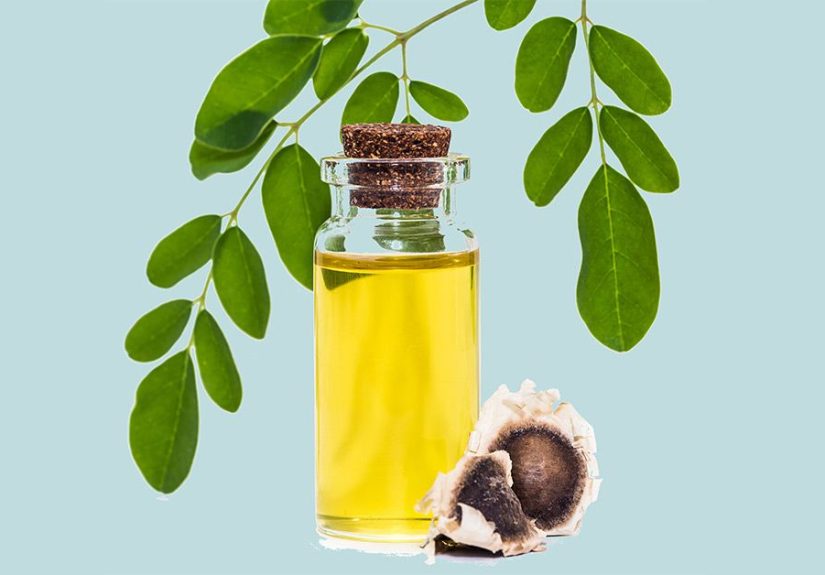
Moringa oil is typically pressed from the seeds of Moringa oleifera, a tree sometimes called the drumstick tree, horseradish tree, or ben oil tree. The oil is usually pale yellow, lightweight to medium in texture, and mildly nutty in scent and taste when sold as food-grade oil. In beauty products, it is valued for its smooth slip, conditioning feel, and compatibility with dry or mature-looking skin.
One reason moringa oil gets so much love is its fatty acid profile. It is especially rich in oleic acid, a monounsaturated fatty acid that also helps explain why the oil feels nourishing and silky rather than waxy or brittle. That high-oleic makeup also contributes to the oil’s stability, which is one reason formulators like to use it in cosmetic blends and why some people compare it to other premium beauty oils.
Another important detail: moringa oil is usually a pressed seed oil, not a true essential oil. That matters because essential oils are highly concentrated aromatic extracts, while moringa oil is generally used more like a carrier oil or treatment oil. So if a label uses the phrase “moringa essential oil,” give it a second look and check the ingredient list carefully.
Main Moringa Oil Benefits for Skin
1. It works well as a moisturizer and skin softener
This is moringa oil’s clearest and most practical benefit. Oils help reduce moisture loss by forming a light barrier on the surface of the skin. That can make skin feel softer, more flexible, and less rough, especially when the oil is applied after cleansing or showering while the skin is still slightly damp.
If your skin feels tight after washing, looks flaky around the nose or cheeks, or turns into sandpaper every winter, moringa oil can be a helpful finishing step. It is especially useful on dry patches, elbows, knees, cuticles, and hands. Think of it as the friend who quietly brings a blanket without making a speech about it.
2. It adds comfort to dry, dull, or mature-looking skin
Moringa oil often appears in products marketed for dullness, rough texture, or mature skin. That makes sense. When skin is dry, it tends to look less smooth and less luminous. By improving softness and reducing that papery, dehydrated feel, moringa oil can help skin look healthier and more comfortable.
That does not mean it erases wrinkles, reverses sun damage, or replaces sunscreen. It simply means well-moisturized skin often looks better than stressed, thirsty skin. Sometimes glow is less about miracle ingredients and more about finally giving your skin a drink.
3. It may support a gentle cleansing routine
Because moringa oil has a smooth texture and decent spreadability, it can be used in cleansing oils and balm-style routines. Oils can help loosen sunscreen, makeup, and excess sebum before a gentle water-based cleanser. For people who hate that squeaky, stripped feeling after washing, moringa oil can make cleansing feel far more civilized.
That said, if you are acne-prone, you do not need to pour half a cup on your face and hope for spiritual healing. Use a small amount, remove it thoroughly, and pay attention to how your skin responds.
4. It has promising antioxidant and anti-inflammatory potential
Research on moringa and moringa seed oil points to antioxidant compounds and anti-inflammatory activity. This is one reason the ingredient keeps showing up in discussions about skin barrier support, environmental stress, and “healthy aging” routines. However, this is where nuance matters. Promising laboratory results do not automatically equal a dramatic real-world effect in every serum or oil blend.
So yes, moringa oil is interesting from a research perspective. No, that does not mean one drop turns your bathroom into a dermatology lab. Use it as a supportive skin care ingredient, not a superhero cape.
5. It may be helpful in simple body care routines
Moringa oil can be a smart addition to body care, especially for arms, legs, feet, hands, and post-shower moisturizing. Some people like to mix a few drops into an unscented body cream for extra slip. Others use it as a massage oil or apply it over a fragrance-free lotion to lock in moisture.
If you dislike heavy occlusives but still want something richer than a standard lotion, moringa oil can sit in that nice middle zone. It feels elegant without always feeling greasy, which is basically the skin care equivalent of comfortable shoes that still look expensive.
Moringa Oil Uses for Hair and Scalp
1. It can help dry hair feel smoother
Moringa oil is commonly used on dry ends, damaged-looking hair, or hair that frizzes the second humidity enters the chat. A few drops rubbed between your palms and smoothed over the mid-lengths and ends can help hair look shinier and less brittle.
This works particularly well for curly, coily, textured, color-treated, or heat-styled hair that needs softness and reduced roughness. It is not a substitute for trimming split ends, but it can make hair more manageable while you are pretending not to notice that overdue appointment.
2. It can be used as a pre-shampoo treatment
Some people use moringa oil before washing their hair. This approach can help soften strands before shampooing and reduce that dry, stripped feeling after cleansing. You apply a light layer to the lengths of the hair, leave it on for a while, and then shampoo as usual.
This is especially nice if your hair tends to feel crunchy after clarifying shampoos or if your ends always seem one bad wash away from filing a formal complaint.
3. It may help the scalp feel less dry
A dry scalp and a dry hair shaft are not always the same problem, but moringa oil may help with comfort when dryness is part of the issue. A small amount massaged into the scalp can reduce that tight, flaky feeling for some people. Still, if you have persistent itching, heavy flakes, redness, or scalp irritation, that may point to dandruff, seborrheic dermatitis, psoriasis, or another condition that needs more than oil.
Also important: there is not strong evidence that moringa oil regrows hair or reverses hair loss. It can improve feel, shine, and softness. That is plenty respectable. It does not need to pretend to be a magic wand for your hairline.
Other Everyday Moringa Oil Uses
Cuticles and nails
Dry cuticles tend to crack, snag, and make your hands look more stressed than your group project. Moringa oil can soften cuticles and improve the appearance of dry nails when used regularly in tiny amounts.
Lips
A dab of moringa oil can work as a quick conditioning layer for dry lips, though many people still prefer a balm for longer-lasting protection. Oil feels elegant; balm usually sticks around longer. Your lips are allowed to have preferences.
Beard care
Because it is lightweight and smoothing, moringa oil can work well in beard oils. It helps condition both facial hair and the skin underneath, which can reduce that rough, scratchy feeling that makes close conversation feel like a public hazard.
Massage blends
Moringa oil’s spreadability makes it useful in massage oils, especially when blended with other neutral oils. It offers glide without feeling too thin, and its relatively stable nature can make it a practical base for fragrance-free body oils.
Food-grade cooking oil
When sold as food-grade oil, moringa oil can also be used in the kitchen. Its fatty acid profile and stability make it an interesting option for dressings, drizzling, and some cooking applications. But this is crucial: not all moringa oil is edible. If the bottle is meant for cosmetic use, keep it in the bathroom, not the frying pan.
What the Evidence Actually Says
This is the part where we let science keep the microphone.
The best-supported case for moringa oil is as a cosmetic and conditioning ingredient. It behaves like a quality plant oil: it moisturizes, softens, improves slip, and may support skin comfort when used appropriately. Research also suggests moringa seed oil contains bioactive compounds worth studying for antioxidant, anti-inflammatory, and possibly antimicrobial effects.
But many broad health claims remain preliminary. A lot of the exciting findings come from cell studies, animal studies, or research on other parts of the moringa plant such as leaves or extracts rather than the plain oil itself. That means you should be careful about headlines that jump from “interesting early research” to “this oil cures everything except bad Wi-Fi.”
So the sensible takeaway is this: moringa oil is a strong beauty and personal care ingredient with some scientifically interesting qualities, but it is not a replacement for proven medical treatment.
How to Use Moringa Oil the Smart Way
For the face
Use 1 to 3 drops after a moisturizer, or mix 1 drop into a bland cream if your skin needs extra comfort. Start small. More oil does not automatically mean better skin. Sometimes it just means your pillowcase gets a deluxe treatment instead.
For the body
Apply after showering to slightly damp skin. Focus on dry zones like shins, elbows, knees, feet, and hands.
For hair
Smooth a few drops over damp or dry ends, or use a modest amount as a pre-shampoo treatment. Fine hair usually needs less. Thick, curly, or coarse hair usually tolerates more.
For scalp care
Massage a small amount into dry areas only if your scalp tolerates oils well. Shampoo thoroughly afterward if buildup becomes an issue.
For nails and cuticles
Massage in a drop before bed. Tiny amounts are enough. Your cuticles are not marinating a roast.
How to Choose a Good Moringa Oil
- Look for Moringa oleifera seed oil on the label.
- Choose cold-pressed if you want a minimally processed option.
- Pick fragrance-free if you have sensitive skin.
- Prefer dark or amber packaging when possible.
- Check whether it is labeled cosmetic grade or food grade.
- Avoid buying based on dramatic miracle claims alone.
A good label is usually boring in the best possible way. The more the marketing sounds like it was written during a full moon, the more closely you should inspect the ingredient list.
Side Effects, Risks, and Who Should Be Careful
Moringa oil is generally well tolerated as a topical ingredient, but “natural” does not mean “impossible to irritate your skin with.” Plant oils can still trigger sensitivity, breakouts, or allergic contact dermatitis in some people.
Do a patch test before using it widely, especially if you have reactive skin, eczema, or a history of product allergies. Apply a small amount to a discreet area for several days and watch for redness, itching, swelling, or bumps.
If you are acne-prone, do not assume any facial oil is automatically your soulmate. Some people enjoy moringa oil in small amounts; others may prefer lighter textures or non-oil moisturizers. Your skin gets a vote.
If you are pregnant, trying to conceive, breastfeeding, or taking medications, speak with a clinician before using moringa supplements or ingesting moringa products regularly. Topical use is different from oral use, and moringa leaf powders, capsules, extracts, and seed oil are not interchangeable. Cosmetic-grade moringa oil should never be swallowed.
Moringa Oil vs. Other Popular Beauty Oils
Compared with very heavy oils, moringa oil often feels smoother and more elegant on the skin. Compared with very light oils, it usually feels a bit richer and more cushioning. That makes it appealing for people who want nourishment without feeling like they fell face-first into a salad dressing.
It is often best for dry, normal, or mature-looking skin, dry hair, and simple body care routines. People with very oily or congestion-prone skin may still like it, but they usually do best by using less, using it less often, or keeping it off the areas that clog easily.
The Bottom Line on Moringa Oil Benefits
Moringa oil earns its popularity honestly. It is versatile, stable, rich in oleic acid, and genuinely useful for softening skin, supporting moisture, smoothing dry hair, and upgrading a basic personal care routine. It has promising research behind it, but its most dependable benefits are practical rather than miraculous.
If you want a hardworking oil for skin, hair, nails, and occasional culinary use, moringa oil is worth considering. Just keep your expectations realistic, your patch testing responsible, and your hype detector switched on. That way, moringa oil can be what it does best: a smart, reliable multitasker instead of a tiny bottle with an identity crisis.
Everyday Experiences With Moringa Oil: What Real Use Often Feels Like
The examples below are practical, experience-style scenarios based on common use patterns, not clinical proof or guaranteed results.
A very common first experience with moringa oil happens in winter. Someone with dry cheeks, rough hands, or flaky legs tries it after a shower because their usual lotion is no longer winning the fight. The first thing they usually notice is not some dramatic “before and after” transformation. It is comfort. The skin feels less tight. Dry areas look calmer. Makeup may sit a little better on the face the next morning because the skin is not as parched. That alone can make a big difference in how polished and healthy the skin looks day to day.
Another frequent experience shows up in hair care. A person with dry ends, heat styling damage, or curly hair uses a few drops of moringa oil on damp hair. The result is often softer texture, better shine, and less of that puffed-up frizz that appears the moment humidity enters the room. Usually the best reviews come from people who use a small amount. Too much can make hair look heavy or limp, especially if the hair is fine. So the “wow” moment is often less about quantity and more about restraint.
For people who like simple routines, moringa oil can feel refreshingly low-maintenance. Instead of juggling a serum, an overnight mask, a cuticle treatment, and a hair gloss, they keep one bottle on the bathroom shelf and use it in a few targeted ways. One drop on the cuticles. Two drops on dry facial areas. A little on the ends of the hair. That kind of simplicity is part of the appeal. It is not only about benefits; it is also about convenience.
There are also experiences that teach people what not to do. Some try moringa oil on acne-prone skin and discover that applying a thick layer every night is too much for them. Others use it on the scalp without washing well enough afterward and end up with buildup. These are not signs that moringa oil is “bad.” They are reminders that even good ingredients need the right amount, the right frequency, and the right skin or hair type.
Sensitive-skin users often describe the patch-test phase as boring but necessary. That is actually a good thing. If a product does nothing dramatic during a patch test, that is often a green flag. Calm skin is underrated. The goal is not fireworks. The goal is to avoid waking up looking like your moisturizer betrayed you.
Then there is the food-grade experience. People who try culinary moringa oil often notice its mild, nutty character and its versatility in simple dishes. It tends to work best when used thoughtfully, such as in dressings, drizzles, or light cooking, rather than as an excuse to pour luxury oil onto everything in the refrigerator. As always, the key is using a bottle that is clearly labeled for food use.
Overall, the most realistic experience with moringa oil is not instant transformation. It is steady usefulness. Better softness. Better manageability. Better comfort. Better flexibility in a routine. And sometimes that is exactly what makes a product worth buying again.