Table of Contents >> Show >> Hide
- What Was Recalled in the Neutrogena Recall 2025?
- Why Were the Wipes Recalled?
- What Does an FDA Class II Recall Actually Mean?
- Who Is Most at Risk?
- How to Check Whether Your Product Is Affected
- What Should You Do If You Have the Recalled Wipes?
- Why This Recall Got So Much Attention
- What This Says About Beauty Product Safety
- Should You Stop Buying Neutrogena Altogether?
- The Consumer Experience: What This Recall Feels Like in Real Life
- Final Takeaway
If the phrase “Neutrogena recall 2025” made you side-eye your bathroom shelf like it personally betrayed you, take a breath. The 2025 recall was real, but it was not a full-blown skincare apocalypse. It involved a specific lot of Neutrogena Makeup Remover Ultra-Soft Cleansing Towelettes, not every cleanser, wipe, serum, sunscreen, or tube wearing the Neutrogena logo.
That distinction matters. In the world of recalls, details are everything: the exact product name, lot code, where it was distributed, what contamination was found, and what kind of health risk experts believe it poses. When shoppers hear “recall,” it is easy to imagine every product in the brand’s lineup doing a dramatic synchronized exit from store shelves. In reality, this recall was narrower, more specific, and more manageable than the headline may suggest.
Still, it is worth paying attention to. The affected Neutrogena wipes were linked to possible contamination with Pluralibacter gergoviae, a bacterium known for causing headaches in the cosmetics industry because it can resist common preservatives. For most healthy people, the risk appears low. For people who are immunocompromised or dealing with open skin issues, the concern is more serious. That means this recall deserves something between panic and indifference. Call it informed vigilance. Very glamorous. Very practical.
What Was Recalled in the Neutrogena Recall 2025?
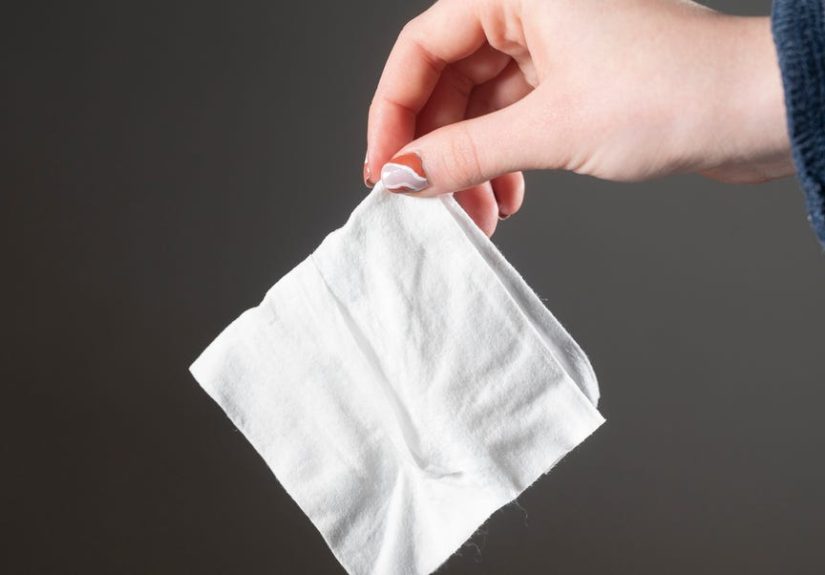
The core of the Neutrogena recall 2025 was one affected lot of Neutrogena Makeup Remover Ultra-Soft Cleansing Towelettes. Reports tied the recall to lot number 1835U6325A, and the affected distribution was limited to Texas, South Carolina, Georgia, and Florida. The recall covered 1,312 cases, which is enough to get attention, but not enough to turn this into a brand-wide collapse.
That point is important because recall headlines often travel faster than nuance. One article says “Neutrogena recall,” another says “FDA Class II,” and suddenly somebody on social media is declaring war on all makeup wipes, all cleansers, and possibly all bathrooms. The actual situation was much more specific: one lot, one product type, one contamination issue, and a limited distribution footprint.
Kenvue, the company behind Neutrogena, said the affected lot may have been impacted by manufacturing procedural deficiencies. In plain English, the issue appears tied to production quality control rather than some sweeping hidden defect across the brand’s full portfolio. The company also said that no other Neutrogena products and no other lots of the same towelettes were included.
Why Were the Wipes Recalled?
The recall happened because the affected wipes tested positive for Pluralibacter gergoviae. If that name sounds like a password your Wi-Fi router rejected, you are not alone. But in microbiology and cosmetics manufacturing, this bacterium is a known troublemaker.
What makes it notable is not just that it exists, but that it can be stubborn in preserved personal care products. Some strains have shown resistance to preservatives commonly used to keep water-based cosmetics and skincare products safe and stable. Since makeup remover wipes are moist by design, they do not exactly live in a dry, bacteria-unfriendly desert. They are convenient, yes. They are travel-friendly, yes. They are also the kind of product category that must be manufactured carefully to avoid contamination issues.
For healthy users, exposure does not automatically equal illness. That is one reason the recall was not treated like an extreme public emergency. But the bacterium has been associated with infections, especially in people with weakened immune systems. That is why the recall still matters. You do not want a contaminated face wipe anywhere near irritated skin, compromised skin barriers, or the eye area. Your mascara may be dramatic, but your cleansing routine should not be.
What Does an FDA Class II Recall Actually Mean?
One reason the Neutrogena wipes recall confused some shoppers is that “Class II” sounds like either a school schedule or a mildly disappointing airline seat. In FDA language, it has a very specific meaning.
A Class II recall generally means using or being exposed to the product may cause temporary or medically reversible health consequences, while the probability of serious harm is considered remote. That is a meaningful warning, but it is not the same as the highest-risk recall category.
So what should consumers hear in that language? Basically this: take it seriously, but do not lose your mind. A Class II recall is not background noise, yet it is also not proof that every person who touched the product is doomed. It is the FDA’s way of saying there is a legitimate issue, consumers should pay attention, and the product should not be treated as business as usual.
In practical terms, if you have the exact recalled lot, stop using it. Do not keep using it because “it seems fine.” Do not gift it to your cousin. Do not toss it in your gym bag and pretend future-you will solve it. Check the package, confirm the lot number, and remove it from your routine.
Who Is Most at Risk?
The health risk from recalled Neutrogena wipes appears to be highest for people who are immunocompromised, have open wounds, are recovering from illness or surgery, or have certain chronic health conditions. People with a weakened skin barrier, very irritated skin, or active inflammation may also want to be extra cautious.
For a healthy adult with intact skin who used the wipes once or twice and had no reaction, the risk seems low. Experts quoted in recall coverage largely described the bacterium as a greater concern for vulnerable groups than for the average user. That does not mean “ignore it.” It means the likely severity depends on the person, the condition of their skin, and whether they experienced symptoms.
If you used the recalled wipes and noticed eye irritation, unusual redness, swelling, worsening rash, drainage, pain, or any signs that feel more like infection than simple sensitivity, it is smart to contact a healthcare professional. The same goes if you are immunocompromised and used the product near your face or eyes. When your body is already doing enough, there is no need to add “mystery face wipe drama” to the list.
How to Check Whether Your Product Is Affected
This is the least glamorous but most useful part of the whole conversation: read the packaging. The recalled product was identified by lot code 1835U6325A. If you have Neutrogena makeup remover wipes at home, check the back of the pouch and look for the lot information. That tiny printed code suddenly becomes the main character.
Use this checklist:
- Product name matches Neutrogena Makeup Remover Ultra-Soft Cleansing Towelettes
- Package format matches the recalled version
- Lot number is 1835U6325A
- You bought it in or it may have come from Texas, South Carolina, Georgia, or Florida
If your product does not match that lot, it is not part of this recall based on current reporting. If it does match, stop using it. That is the cleanest next step.
What Should You Do If You Have the Recalled Wipes?
Start with the obvious: stop using them. Then follow the recall logic the FDA recommends for consumer products: verify the product details, do not continue use, and either dispose of the product properly or follow company instructions if returns or refunds are available.
Even though the recall coverage noted that Kenvue did not initially publish an extensive public how-to guide for consumers in the way some brands do, the standard common-sense approach is still straightforward:
- Do not use the recalled wipes again
- Keep the package long enough to document the lot number
- Check the brand’s customer care information for updated guidance
- Dispose of the product safely if instructed, or return it if a refund option is offered
- Monitor for irritation or unusual symptoms if you already used the wipes
You may also want to wipe down the area where the package was stored, especially if it leaked or was open. That is not because your vanity has become a biohazard movie set. It is simply part of being tidy and cautious when a contaminated product may have been in use.
Why This Recall Got So Much Attention
Part of the reason this story traveled so quickly is that Neutrogena is a major skincare brand. When a niche brand has a recall, the story may stay in recall databases and industry coverage. When a household name has a recall, it ricochets across beauty sites, health outlets, TV news, group chats, and somebody’s aunt’s Facebook page within the hour.
There was also some confusion because consumers remembered earlier Neutrogena recall headlines, especially the 2021 aerosol sunscreen recall involving benzene concerns. That older event was real, but it was separate. The 2025 recall centered on makeup remover wipes and bacterial contamination, not sunscreen aerosol contamination. Different product, different year, different issue.
Another reason people got mixed up is that FDA news in 2025 also included benzoyl peroxide acne product recalls involving certain brands and elevated benzene findings. Those headlines were not the same thing as the Neutrogena wipes recall. In other words, 2025 had enough product safety news to make even careful shoppers feel like they needed a color-coded spreadsheet and a strong cup of coffee.
What This Says About Beauty Product Safety
The big takeaway is not that makeup wipes are secretly villains. It is that quality control matters enormously in water-based personal care products. Consumers tend to think about skincare in terms of ingredients like hyaluronic acid, retinol, ceramides, fragrance, and whether a product pills under sunscreen. Manufacturers also have to think about contamination control, preservation systems, production hygiene, packaging integrity, and distribution quality.
That behind-the-scenes work is usually invisible when everything goes right. Recalls remind us it exists for a reason. When a company finds a possible contamination issue and pulls a product lot, that is not good news, but it is also part of how the safety system is supposed to work. Detection, classification, communication, and removal are all better than pretending nothing happened.
For shoppers, the lesson is simple: keep an eye on lot numbers, save packaging when trying a new product, and pay attention to recall notices from trusted outlets. Not because you need to become a full-time detective, but because being informed is cheaper than replacing your whole skincare routine in one panicked drugstore run.
Should You Stop Buying Neutrogena Altogether?
For most consumers, the answer is probably no. A targeted recall is not automatically evidence that every product from a brand is unsafe. In this case, public reporting emphasized that the recall involved one lot and one product type. That is very different from evidence of a brand-wide safety failure.
Neutrogena remains a major player in the U.S. skincare market, and the brand continues to position itself around dermatologist-aligned, science-backed skincare. That does not put it above criticism when a recall happens, but it does mean consumers should evaluate the issue proportionally. It is reasonable to be cautious. It is also reasonable to avoid turning one recalled lot into a sweeping conclusion about every bottle and jar the brand makes.
If you are personally uncomfortable using wipes right now, that is fair. You can switch to micellar water, cleansing balms, or fragrance-free reusable cloths. But that is a personal comfort decision, not proof that all Neutrogena products belong in skincare jail.
The Consumer Experience: What This Recall Feels Like in Real Life
Recalls are often reported in clinical language, but the actual consumer experience is much more human. It usually starts with a headline that appears while someone is eating lunch, scrolling before bed, or standing in line at a pharmacy. Then comes the immediate mental inventory: Wait, do I use that? Do I have that exact one? Is it in the bathroom cabinet or in my travel bag? Did I buy a multipack? Did my sister borrow one? A recall can turn a completely ordinary product into a mini investigation in under sixty seconds.
For regular users of makeup remover wipes, the reaction is often a strange blend of annoyance and uncertainty. These products are popular because they are easy. They live in gym bags, carry-ons, guest bathrooms, dorm rooms, and bedside drawers. When one gets recalled, people are not just worried about safety. They are also irritated that something so routine has suddenly become one more task to manage. Nobody adds “zoom in on microscopic lot code” to a dream evening routine.
There is also the emotional side of it. Some people feel silly for worrying because the recall is not the highest-risk category. Others feel angry because they trusted the brand and do not want to think about contamination at all. Parents may wonder whether a teen used the wipes after sports practice. Travelers may realize the recalled pack is sitting inside a suitcase pocket from a trip months ago. People with sensitive skin or compromised immunity may feel especially uneasy because what looks like a minor product issue on paper can feel more personal when your health background makes caution necessary.
Another common experience is confusion. Consumers do not track recall classifications for fun. They remember fragments: Neutrogena, FDA, contamination, maybe sunscreen, maybe wipes, maybe benzene, maybe bacteria. That jumble is normal. One useful thing about writing clearly on this topic is helping readers sort out what happened from what they vaguely remember happened. In this case, the real message is reassuringly specific: one recalled lot of makeup remover wipes, not an entire brand collapse.
Then comes the practical reset. People replace the wipes, switch to micellar water, or temporarily go back to the old-school method of cleanser plus washcloth. Some decide they are done with disposable wipes for a while. Others keep using the same product line after confirming their package is not part of the recall. That is how most recall experiences end: not with chaos, but with a small shift in habits, a better awareness of lot numbers, and a renewed appreciation for boring, dependable products that never become news.
In that sense, the Neutrogena recall 2025 is not just a product story. It is a consumer trust story. It is about how people react when everyday care products stop being invisible and start demanding attention. It is about the tension between convenience and caution. And it is a reminder that even the most ordinary self-care routine can become surprisingly memorable the moment the FDA gets involved.
Final Takeaway
If you remember only one thing from this article, let it be this: the Neutrogena recall 2025 was a specific, limited recall tied to one lot of makeup remover wipes, not a sweeping recall of every Neutrogena product. The issue involved possible contamination with Pluralibacter gergoviae, a bacterium that is more concerning for vulnerable users than for the average healthy consumer.
That means the right response is not panic. It is precision. Check the lot number. Stop using the recalled product if you have it. Stay alert for symptoms if you already used it and have health concerns. And remember that the most helpful skincare habit of all may not be exfoliating, double cleansing, or slugging. Sometimes it is simply reading the label all the way to the tiny code on the back.