Table of Contents >> Show >> Hide
- Jump to
- Why Pulled Pork Enchiladas Work So Well
- Ingredients
- Step-by-Step: How to Make Pulled Pork Enchiladas
- Enchilada Sauce Options
- Tortilla Tips (No Cracking, No Sogginess)
- Easy Variations
- Make-Ahead, Freezing, and Storage
- What to Serve With Pulled Pork Enchiladas
- FAQs
- Conclusion
- Kitchen Experiences: What It’s Like Making These at Home
You know that moment when you open the fridge and find leftover pulled pork staring back at you like, “So… we doing sandwiches again?” Absolutely not. Today, that pork is getting a glow-up: rolled into tortillas, hugged by enchilada sauce, buried under melty cheese, and baked until bubbly.
This pulled pork enchiladas recipe is designed for real life: it’s forgiving, weeknight-friendly, and tastes like you planned dinner on purpose. You’ll get pro-level tips to avoid soggy tortillas, prevent cracking, and build big, balanced flavorwhether your pork is smoky, spicy, or lightly sweet.
Why Pulled Pork Enchiladas Work So Well
Enchiladas are basically the comfy sweatshirt of dinnerwarm, cozy, and always a good idea. Pulled pork is an especially perfect filling because it’s already tender and flavorful. When you bake it in sauce, the pork soaks up even more chile-and-tomato goodness without drying out.
The trick is balance: pulled pork can be rich (sometimes smoky, sometimes sweet), and enchilada sauce adds acidity and spice. Add cheese for melt and salt, plus something brightlime, cilantro, pickled onionsand suddenly you’re eating a layered, restaurant-style dish you “just happened” to make on a Tuesday.
Ingredients
Serves: 4–6 (about 10–12 enchiladas) | Time: ~45 minutes (faster if sauce is ready)
For the enchiladas
- Pulled pork: 3 to 4 cups shredded (leftover works great)
- Enchilada sauce: 2 1/2 to 3 cups (red, green, or a mix)
- Tortillas: 10–12 corn tortillas (or flour tortillas if you prefer a softer bite)
- Cheese: 2 to 3 cups shredded (Monterey Jack, cheddar, pepper jack, or a blend)
- Onion: 1/2 cup finely diced (white or red)
- Garlic: 1–2 cloves, minced (optional but encouraged)
- Green chiles: 1 small can, drained (optional)
- Beans: 1 cup black beans or pinto beans (optional, for extra body)
- Corn: 1 cup (optional, sweet balance + texture)
- Lime: 1 (zest + juice, optional but highly recommended)
- Cilantro: 1/3 cup chopped (optional)
- Oil: 1–2 tablespoons (for softening tortillas)
- Salt + pepper
Optional toppings (highly encouraged)
- Sour cream or crema
- Sliced jalapeños
- Pickled red onions
- Avocado or guacamole
- Shredded lettuce (yes, it’s allowed)
- Queso fresco
Equipment
- 9×13-inch baking dish (or similar)
- Skillet (for warming tortillas)
- Mixing bowl
Step-by-Step: How to Make Pulled Pork Enchiladas
1) Preheat and prep
Preheat your oven to 375°F. Lightly grease a 9×13-inch baking dish. Spread 1/2 cup enchilada sauce across the bottom of the dish. This keeps the first layer from turning into “crispy tortilla wallpaper.”
2) Season the pulled pork filling (the flavor upgrade)
In a bowl, combine:
- 3–4 cups pulled pork
- 1/2 cup shredded cheese
- 1/2 cup diced onion
- Minced garlic (if using)
- Green chiles, beans, and/or corn (if using)
- Zest of 1 lime + 1–2 tablespoons lime juice (optional but great)
- 1/4 cup chopped cilantro (optional)
If your pulled pork is very dry, stir in 2–4 tablespoons of enchilada sauce to moisten it. If it’s heavily sauced (BBQ-style), consider adding a squeeze of lime and a pinch of cumin to steer it back toward Tex-Mex. We’re aiming for “savory and bold,” not “dessert with cheese.”
3) Soften the tortillas (the anti-crack insurance policy)
Corn tortillas are classic, but they can crack if they’re cold or dry. Your goal is pliable tortillas that roll without splitting. Choose one method:
- Quick-skillet method (best texture): Warm a thin layer of oil in a skillet over medium heat. Fry each tortilla for 5–10 seconds per sidenot crispy, just softened. Stack and cover with a towel to keep warm.
- Microwave steam method (fastest): Wrap tortillas in a damp paper towel and microwave in short bursts until warm and bendable.
- Sauce-dip method (extra flavorful): Warm the enchilada sauce, then dip each tortilla briefly to coat before filling. (This works best when tortillas are already warm.)
4) Fill, roll, and arrange
Work with one tortilla at a time (keep the rest covered so they stay flexible). Add about 2–3 tablespoons filling down the center, roll snugly, and place seam-side down in the sauced baking dish.
Repeat until the dish is full. Enchiladas should fit snuglylike sardines, but significantly more delicious.
5) Sauce and cheese (the moment of truth)
Pour 1 1/2 to 2 cups enchilada sauce over the rolled enchiladas. You want them generously coated, but not swimming. Sprinkle 1 1/2 to 2 1/2 cups cheese on top.
6) Bake until bubbly
Bake for 20–25 minutes, until the sauce is bubbling and the cheese is melted. If you want more browning, broil for 1–3 minutes at the endwatch closely so it doesn’t go from “golden” to “campfire.”
7) Rest and serve
Let the pan rest 5–10 minutes before serving. This helps everything set so you’re serving enchiladas, not “enchilada soup with tortilla logs.”
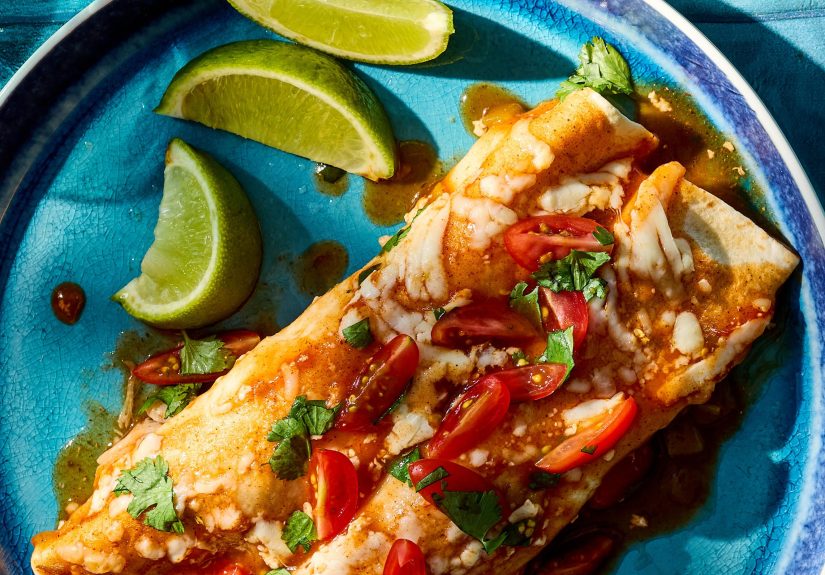
Top with crema, cilantro, avocado, pickled onions, and a squeeze of lime. Then accept compliments graciously.
Enchilada Sauce Options
Sauce is the personality of your enchiladas. Your pulled pork can handle bold flavors, so don’t be shy. Here are three easy directions:
Option A: Classic red enchilada sauce (quick version)
If you’re using a store-bought red sauce, warm it and taste it first. Many jarred sauces benefit from a quick glow-up: whisk in a little cumin, garlic powder, a pinch of oregano, and a splash of broth to loosen it. If it tastes flat, add a squeeze of lime.
Option B: Homemade red chile sauce (bigger payoff)
For deeper flavor, use a red sauce made from dried chiles (like guajillo and ancho), toasted and blended, then simmered. It’s richer, less “tomato-y,” and gives your enchiladas that restaurant depth.
Option C: Green sauce (salsa verde) for brightness
Salsa verde + pulled pork is a winning combo, especially if your pork is smoky. Green sauce brings tang and freshness. If you love creamy enchiladas, stir a little sour cream into green sauce (off heat) for a smoother finish.
Tortilla Tips (No Cracking, No Sogginess)
Enchiladas have two main enemies: cracking and sogginess. The good news is both are fixable.
How to stop tortillas from cracking
- Warm them. Cold tortillas break. Warm tortillas bend.
- Use brief oil contact. A quick dip or flash-fry makes corn tortillas pliable and less prone to tearing.
- Work quickly and keep them covered. Tortillas cool fastkeep a towel over the stack.
How to avoid soggy enchiladas
- Don’t drown the pan. Sauce should coat, not flood.
- Don’t overstuff. Too much filling forces tortillas open and lets sauce seep in.
- Moisture control matters. If your pork is wet, drain it slightly or balance with beans/cheese.
- Consider baking uncovered at the end. Finishing uncovered helps evaporate excess moisture and improves texture.
Corn vs. flour tortillas: which is better?
Corn tortillas bring classic flavor and hold up well when properly warmed. Flour tortillas are softer and easier to roll, but can go gummy if overly sauced. If you’re new to enchiladas and want the easiest roll, flour is forgiving. If you want classic enchilada flavor, go cornjust don’t skip the warming step.
Easy Variations
1) BBQ pulled pork enchiladas (sweet + smoky)
If your pulled pork is BBQ-style, choose a red sauce with a little heat (chipotle is great) and add pickled onions or jalapeños for contrast. Keep toppings bright: lime, cilantro, and maybe a drizzle of crema.
2) Creamy pulled pork enchiladas
Stir a little sour cream into your sauce (off heat) for a creamy finish. This works especially well with green sauce. Add roasted poblanos for a mild, smoky note.
3) Stacked enchilada casserole (for the tortilla rebels)
Tortillas cracking anyway? Layer them like lasagna: sauce, tortillas, pork, cheese, repeat. Bake until bubbly. Same flavor, less rolling, fewer emotions.
4) Extra-veggie version
Sauté bell pepper and zucchini, or fold in spinach. Pulled pork plays nicely with veggies, and it stretches the filling.
5) Heat level control
Mild: use a mild sauce + Monterey Jack. Medium: add diced green chiles + pepper jack. Spicy: chipotle in adobo, hot sauce, or a hotter chile-forward sauce.
Make-Ahead, Freezing, and Storage
Make-ahead (best texture)
For the best tortillas, prep components ahead: mix the filling, shred cheese, and make sauce. Assemble and bake closer to dinner. If you must assemble early, keep sauce and tortillas from sitting together too long (that’s where sogginess loves to move in).
Refrigerating leftovers
Store leftovers in an airtight container for 3–4 days. Reheat covered in the oven at 350°F until hot, or microwave in short bursts. Add fresh toppings after reheating.
Freezing enchiladas
Enchiladas freeze well. For best results, freeze before baking:
- Assemble in a freezer-safe dish.
- Wrap tightly (plastic wrap + foil) to prevent freezer burn.
- Freeze up to 2–3 months for best quality.
Thaw overnight in the fridge, then bake at 375°F until hot and bubbly. If baking from cold (not frozen solid), add extra time and keep covered initially so the center heats through before the top overbrowns.
Food safety note: Reheat casseroles/leftovers until they reach 165°F internally.
What to Serve With Pulled Pork Enchiladas
These enchiladas are rich and saucy, so sides that add crunch, freshness, or brightness are perfect.
- Cilantro-lime rice or Mexican-style rice
- Black beans with a squeeze of lime
- Simple slaw (cabbage + lime + salt + a little mayo or oil)
- Elote-style corn or a corn salad
- Chips + salsa (because happiness)
- Green salad with a tangy vinaigrette
FAQs
Can I use flour tortillas?
Yes. Flour tortillas roll easily and stay soft. Just avoid excessive sauce (they can turn gummy). Warm them briefly before rolling.
My enchiladas came out drywhat happened?
Usually it’s not enough sauce or uncovered tortillas on top. Make sure the tortillas are coated, and consider covering with foil for the first part of baking, then uncovering near the end to finish.
My enchiladas are soggyhow do I fix it next time?
Use less sauce in the bottom of the pan, briefly soften tortillas in oil, and don’t assemble too far in advance. Also make sure the filling isn’t overly wet.
What cheese is best?
Monterey Jack melts beautifully. Cheddar adds sharpness. Pepper jack adds heat. A blend is usually the easiest win. Finish with queso fresco for salty pop.
How do I make them gluten-free?
Use corn tortillas and confirm your enchilada sauce is gluten-free (some thickened sauces contain flour).
Conclusion
A great pulled pork enchiladas recipe is all about smart shortcuts and one big rule: treat tortillas with respect. Warm them, keep sauce balanced, and let the oven do the cozy, bubbly finishing work. Whether you go classic red, bright green, or creamy and rich, pulled pork enchiladas are the ultimate “leftovers that don’t taste like leftovers.”
Make a pan for dinner, stash a portion for future you, and enjoy the rare joy of a meal that’s both comforting and exciting. (Also: if anyone asks, yes, it took you all day. Let them believe in your mystery.)
Kitchen Experiences: What It’s Like Making These at Home
Home cooks tend to fall into two camps when making enchiladas: the “I measure precisely” crew and the “I eyeball everything” crew. Pulled pork enchiladas are friendly to both. The filling is already cooked, the sauce can be homemade or store-bought, and the whole dish is surprisingly adaptableso it feels less like baking science and more like building something delicious out of whatever your kitchen is willing to offer that day.
The first “aha” moment most people have is realizing that tortillas are not just wrappersthey’re structural engineering. If you’ve ever tried rolling a cold corn tortilla and watched it split like a tiny edible earthquake, you already know this. Once you warm tortillas properly (or give them that quick kiss of oil), the whole process becomes calmer. Rolling feels easy. The enchiladas sit neatly in the dish. You start to trust yourself. Suddenly you’re making enchiladas on a weeknight like you’re on a cooking show, minus the dramatic music and the timer shouting at you.
Another common experience: pulled pork flavor varies wildly depending on how it was originally made. Some leftover pulled pork is smoky and peppery; some is sweet; some is lightly seasoned and begging for a makeover. The easiest way to steer the dish is with acidity and chile. A squeeze of lime in the filling can wake up pork that tastes a little flat. A slightly spicier sauce can balance pork that’s sweet. And toppings do a lot of heavy liftingpickled onions, cilantro, and crema can turn “pretty good” into “why is everyone suddenly silent at the table?”
Texture is usually where people fine-tune their approach over time. Some cooks love enchiladas that are fully sauced and soft, almost casserole-like. Others want those edges a bit crisp and the top browned. Both are valid. If you like a saucier, softer pan, coat generously and cover while baking. If you like crisp edges, use enough sauce to flavor everything but finish uncovered and broil briefly. After you make them once, you’ll know exactly where you land on the “soft and saucy vs. crisp and toasty” spectrum.
The most relatable at-home moment might be the assembly line reality: you start with beautiful intentions, then halfway through you’re holding a tortilla in one hand, trying not to drip sauce on the counter, while someone asks where the scissors are. This is normal. The best way to make it feel less chaotic is to set up your station: warm tortillas on the left, filling in the middle, baking dish on the right. Work fast, keep tortillas covered, and accept that the first one is your “practice enchilada.” (It still tastes great. The universe just demands a warm-up rep.)
Finally, there’s the “leftover magic” experience: pulled pork enchiladas often taste even better the next day. The flavors settle, the sauce and filling get acquainted, and reheating with fresh toppings makes it feel brand-new. Many cooks end up doubling the recipe on purposenot because they’re ambitious, but because future dinner is a beautiful thing. If you’ve never opened the fridge and felt genuinely excited about leftovers, this dish is your chance.