Table of Contents >> Show >> Hide
- The Sleepover That Started With Team Spirit
- Why This Story Hit Such A Nerve
- Pizza, Snacks, And The Reality Of Youth Team Gatherings
- The Bigger Issue: Communication Before The Sleepover
- When “Healthy Eating” Turns Into Food Policing
- Was The Host Mom Wrong?
- What This Says About Modern Parenting Pressure
- Smart Sleepover Food Ideas For Sports Teams
- How Parents Can Disagree Without Starting A Snack War
- Experiences Related To This Topic: What Parents Often Learn The Hard Way
- Conclusion
Note: This article is written for web publication in standard American English and is based on a real viral parenting discussion, along with widely accepted guidance on youth sports, food allergies, hosting etiquette, and safe group-event planning.
There are few parenting situations more deceptively dangerous than hosting a house full of hungry teenage athletes. You can plan the decorations, clean the bathroom twice, buy extra paper plates, and make sure nobody uses the good couch as a trampoline. But the real battlefield? Dinner.
That is exactly where one mom found herself after hosting her daughter’s softball team for a sleepover. The plan sounded simple enough: welcome the girls, feed them pizza, set out snacks, keep everyone safe, and let the team enjoy a fun night together. In most households, that would be considered a generous act of community parenting. In this case, however, another parent reportedly called her out for serving “junk” food.
The story quickly became a conversation starter because it touches a nerve familiar to many modern parents: Where is the line between reasonable expectations and unrealistic control? Should a host parent provide a perfectly balanced menu for a casual sleepover? Should parents communicate food restrictions ahead of time? And is pizza still allowed to exist at a kids’ party, or has it officially been canceled by the Committee of Overthinking?
Let’s unpack the situation with a clear head, a little humor, and a lot more nuance than a group chat usually allows.
The Sleepover That Started With Team Spirit
According to the viral discussion, the mother was hosting her daughter’s softball team for a sleepover. The girls were around middle-school age, and the team had a tradition of parents taking turns hosting group gatherings. These events were not formal school banquets or nutrition seminars. They were sleepovers: the sacred teenage ecosystem of pajamas, laughter, movies, inside jokes, and snacks that somehow vanish within seven minutes.
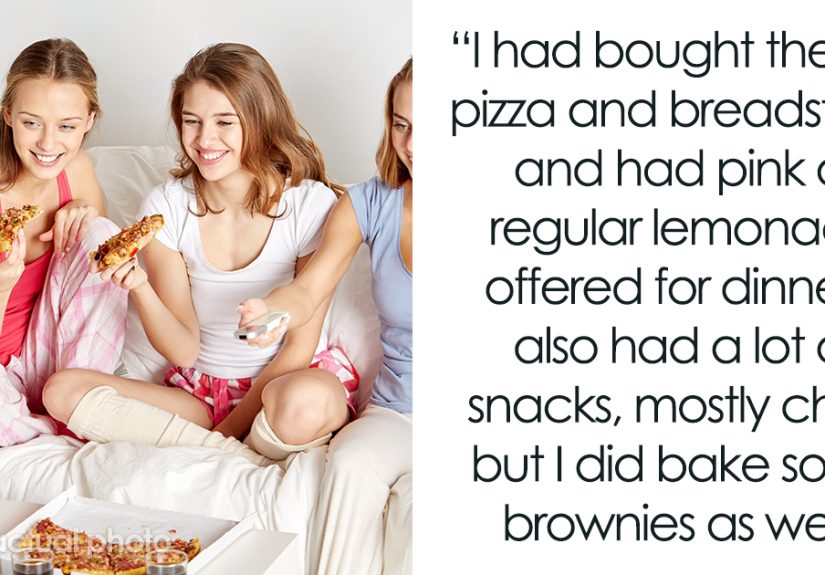
The host mom reportedly served pizza, breadsticks, lemonade, chips, brownies, donuts, and other classic sleepover treats. To many readers, this menu sounded completely normal. In fact, it sounded almost nostalgic. Pizza at a sleepover is not exactly a shocking plot twist. It is practically part of the furniture.
But after the event, the mother received criticism from another parent who felt the food was unhealthy. The complaint escalated beyond a simple difference of opinion, with the host being accused of poor parenting. That public callout changed the tone from “let’s talk about snacks” to “please step away from the group chat before someone starts typing in all caps.”
Why This Story Hit Such A Nerve
The reason this story spread is not just because of pizza. It spread because it reflects a bigger issue in parenting culture: the pressure to do everything perfectly, even when volunteering time, money, and emotional energy for other people’s children.
Hosting 15 young athletes is not a small favor. It means buying enough food, preparing sleeping space, supervising late-night activity, managing allergies or medical needs if disclosed, and accepting that your home may look like a snack tornado passed through by morning. The parent who opens their home is already doing something generous.
That does not mean every food choice is automatically perfect. Parents can absolutely have concerns about nutrition, allergies, religious food restrictions, medical diets, or family rules. Those concerns matter. But timing, tone, and communication matter too. Calling someone out publicly after the fact is very different from politely sharing a concern beforehand.
Pizza, Snacks, And The Reality Of Youth Team Gatherings
In the real world, pizza is one of the most common foods served at youth sports events, birthday parties, school celebrations, and sleepovers because it is affordable, easy to order in bulk, and widely liked. Is pizza the nutritional equivalent of steamed broccoli and grilled salmon? No. But it is also not a moral failure on a cardboard circle.
For a one-night event, many parents view pizza and snacks as reasonable. Kids who generally eat balanced meals are unlikely to be harmed by a casual evening of party food. In fact, food can serve a social purpose at team gatherings. Sharing pizza after practice or during a sleepover can help players bond, relax, and feel included.
That said, hosts should still think practically. A good sleepover menu can include fun food while also offering a few balanced options. For example, pizza can be served alongside fruit, bottled water, veggie trays, yogurt, granola bars, or sandwiches. This does not mean the host must create a hotel breakfast buffet. It simply gives kids options, especially those who may not want only sweets or salty snacks.
The Bigger Issue: Communication Before The Sleepover
The strongest lesson from this story is not “pizza good” or “pizza bad.” The real lesson is that parents need to communicate expectations before group events.
If a child has a food allergy, diabetes, celiac disease, religious dietary needs, sensory food issues, or a family rule about certain foods, that information should be shared with the host in advance. Not in a dramatic way. Not with a 14-page nutrition manifesto. Just a simple message like: “Thanks so much for hosting. My daughter is allergic to peanuts, and she usually drinks water instead of soda. I can send snacks if that helps.”
That kind of message gives the host useful information and shows respect for the effort involved. It also avoids the awkward situation where a parent complains afterward about expectations the host never knew existed.
What A Host Parent Should Ask
Before a team sleepover, a host parent can send one short message to the parent group: “We’re excited to host! I’m planning pizza, snacks, and breakfast. Please let me know today if your child has allergies, dietary restrictions, medications, or anything I should know for safety.”
This is not about becoming a professional event planner. It is about covering the basics. Allergies and medical needs are safety issues, not preferences. Once those are clear, the host can make reasonable choices and ask parents to send special items if needed.
What Guest Parents Should Do
Parents sending a child to someone else’s home should not assume the host knows their standards. If a family limits sugar, avoids certain ingredients, or follows a strict meal plan, the polite solution is to communicate early and offer to help.
A good message might be: “My daughter is trying to avoid dairy before games because it upsets her stomach, so I’ll send a small cooler with food for her. Thank you again for hosting.” That approach is clear, kind, and practical. It does not shame anyone else for serving normal party food.
When “Healthy Eating” Turns Into Food Policing
Healthy eating is important, especially for young athletes. Softball players need energy, hydration, protein, carbohydrates, and recovery foods. No serious coach would argue that a steady diet of brownies and lemonade is the secret to athletic greatness. But there is a difference between encouraging healthy habits and turning every social event into a nutrition courtroom.
Food policing can make kids feel anxious, embarrassed, or judged. Teen girls, in particular, already receive a lot of messages about bodies, food, appearance, and self-control. Adults should be careful not to turn a team sleepover into a lesson that enjoying pizza makes someone “bad” or “undisciplined.”
A healthier message is balance. Athletes can enjoy fun foods sometimes and still take training seriously. They can eat pizza at a sleepover and drink water at practice. They can have a brownie and still care about performance. The goal is not perfection. The goal is a sustainable relationship with food, sports, and social life.
Was The Host Mom Wrong?
Based on the details that circulated, many readers sided with the host mom. She provided food at her own expense, hosted a large group, and did not appear to ignore any known allergy or medical restriction. If there were no established team rules about sleepover meals, it seems unfair to attack her after the fact.
Could she have offered more balanced options? Sure. Most hosts could add fruit, water, or simple breakfast items without much trouble. But that is a suggestion, not a character indictment. Serving pizza at a sleepover does not make someone a lousy mother. It makes someone a person who understands the ancient law of teenagers: where there is pizza, there is temporary peace.
The criticism would have been more reasonable if it had been private, specific, and solution-focused. For example: “Thanks for hosting. Next time, could we agree on a few healthier options too? I’m happy to contribute.” That message invites cooperation. Calling someone out in a group chat creates defensiveness and drama.
What This Says About Modern Parenting Pressure
Modern parents are often expected to be nutritionists, chauffeurs, tutors, therapists, safety officers, social coordinators, and emotional support humans with unlimited snack budgets. The standards can become impossible. If you serve pizza, someone says it is unhealthy. If you serve quinoa bowls, someone says the kids will not eat. If you serve nothing, congratulations, now you are the villain of the season.
This impossible standard is why many parents eventually stop volunteering. They decide it is easier not to host, not to organize, and not to step forward. That is a loss for kids, because youth teams thrive when families build community. Sleepovers, team dinners, carpools, and casual gatherings help kids feel connected beyond the field.
Instead of punishing the parents who help, communities should create simple expectations. A team could agree that hosts will ask about allergies, provide water, offer one or two basic balanced options, and allow parents to send special foods if needed. That is realistic. Expecting every host to satisfy every family’s private nutrition philosophy without advance notice is not.
Smart Sleepover Food Ideas For Sports Teams
A team sleepover menu does not have to be fancy. The best approach is to combine crowd-pleasers with easy options that cover different needs. Pizza can still be the main event, but it can be supported by simple add-ons.
Easy Dinner Options
Pizza, pasta trays, turkey sandwiches, chicken wraps, tacos, baked potatoes, and build-your-own bowls can all work for a team group. The key is simplicity. A host should not have to cook like a restaurant, but offering a few choices can help kids with preferences or stomach sensitivity.
Better Snack Balance
Snacks can include popcorn, pretzels, fruit, cheese sticks, crackers, yogurt cups, trail mix without allergens if safe, and granola bars. Sweet treats are fine too. Brownies, cookies, and donuts do not need to be banished. They just do not have to be the only available food.
Hydration Matters
For young athletes, water should always be available. Lemonade or soda can be part of a party, but water is the easiest win. Put a cooler of water bottles out and the problem practically solves itself.
How Parents Can Disagree Without Starting A Snack War
Disagreements between parents are unavoidable. The real test is how adults handle them. A good rule: private first, respectful always, solution attached.
If a parent is upset about food served at an event, they can say, “I appreciate you hosting. I realized we should probably talk as a team about food expectations for future sleepovers. Would you be open to that?” This approach protects relationships and keeps the focus on future planning.
What does not help is name-calling, public shaming, or implying that a parent who served common party food is irresponsible. That kind of reaction teaches kids the wrong lesson. Teams are supposed to build cooperation, not create parent drama with snacks as evidence.
Experiences Related To This Topic: What Parents Often Learn The Hard Way
Many parents who have hosted youth team events will recognize this situation immediately. The first lesson is that kids eat in unpredictable ways. You can buy five pizzas and watch them disappear before the second movie starts. You can prepare a beautiful fruit tray and discover that one strawberry survived because it was hiding under a napkin. Or, in a shocking twist, the kids may ignore the cupcakes and attack the cucumber slices like tiny nutrition influencers. There is no perfect formula.
One common experience is underestimating how much food a team can consume after practice or a game. Young athletes may arrive tired, excited, and hungry. A host who buys what seems like “plenty” may realize that “plenty” was actually “a light appetizer for 15 softball players.” This is why experienced team parents often buy extra and choose foods that are easy to store or send home.
Another experience is learning that parents have very different definitions of acceptable food. For one family, pizza is a normal Friday dinner. For another, it is a rare treat. For another, it may not work because of dairy, gluten, or religious restrictions. These differences are not automatically wrong. The challenge is that people sometimes treat their household standard as if it should be obvious to everyone else.
Parents also learn that group chats can turn small issues into big ones. A concern that might sound reasonable in a private message can feel harsh when posted publicly. Tone is hard to read, and once other parents start reacting, the original issue can spiral. Suddenly the topic is not pizza anymore. It is respect, judgment, effort, and who forgot to use the reply button wisely.
Hosting also teaches a practical lesson about boundaries. A host can be considerate without becoming responsible for every preference. It is fair to ask about allergies and safety needs. It is fair to provide reasonable options. It is also fair to say, “This is what I’m serving, and you’re welcome to send something different for your child.” That is not rude. It is how group events stay manageable.
For coaches and team organizers, stories like this are a reminder to set expectations early. A short team policy can prevent drama: parents disclose allergies before events, hosts provide water, families may send special food, and concerns should be handled respectfully. Those four rules would solve a surprising amount of parent-group chaos.
Kids, meanwhile, are often less bothered than adults think. Many teenagers just want to hang out, laugh, eat something tasty, and feel like part of the team. They are not usually evaluating whether the snack table meets adult wellness branding standards. They are building memories. Years later, they may not remember the exact menu, but they will remember that someone cared enough to host.
The most meaningful experience connected to this topic is the realization that community requires grace. The mom who hosts deserves appreciation. The parent with concerns deserves a respectful way to share them. The kids deserve safety, inclusion, and the occasional slice of pizza without adults turning it into a congressional hearing.
In the end, the best team cultures are not built by perfect parents. They are built by parents who communicate, forgive small mistakes, and remember that the children are watching how adults treat each other. A softball sleepover should strengthen team bonds, not become a cautionary tale about carbohydrates.
Conclusion
The viral story of a lady feeding her daughter’s softball team pizza and snacks at a sleepover, only to be called out by another parent, is about much more than food. It is about expectations, communication, gratitude, and the intense pressure parents face when they volunteer their homes and time.
Serving pizza at a sleepover is not outrageous. It is ordinary. Still, group events work best when hosts ask about allergies and parents communicate dietary needs in advance. The fairest solution is not public criticism after the fact, but clear expectations before the event.
Parents do not need to agree on every snack to act with kindness. A little planning, a little flexibility, and a lot less group-chat judgment can turn a potential conflict into a better experience for everyone. And yes, sometimes the answer really can be as simple as: order the pizza, put out some fruit, offer water, and let the kids enjoy being kids.