Table of Contents >> Show >> Hide
- Who Is Tamar Mogendorff?
- What Makes Tamar Mogendorff Creatures So Distinctive?
- The Best-Known Tamar Mogendorff Creature Motifs
- From Nursery Décor to Collectible Soft Sculpture
- Materials, Texture, and the Beauty of Imperfection
- Collaborations and the Expansion of Tamar’s World
- How to Style Tamar Mogendorff Creatures at Home
- Why Collectors and Design Lovers Appreciate Her Work
- Buying, Caring For, and Understanding Handmade Pieces
- Experiences With Tamar Mogendorff Creatures
- Conclusion
Editorial note: This original article is written for web publication and is based on publicly available information about Tamar Mogendorff’s work, studio practice, textile creatures, home objects, collaborations, and creative workshops. No source links are inserted into the article body.
Some artists make objects. Tamar Mogendorff makes tiny worlds with ears, beaks, whiskers, antlers, shells, wings, and just enough mystery to make you wonder whether the creature on the shelf waited until you left the room before blinking. Her handmade textile creatures sit somewhere between soft sculpture, nursery décor, folk art, collectible design, and the kind of fairy-tale evidence one might discover in an attic trunk wrapped in old linen.
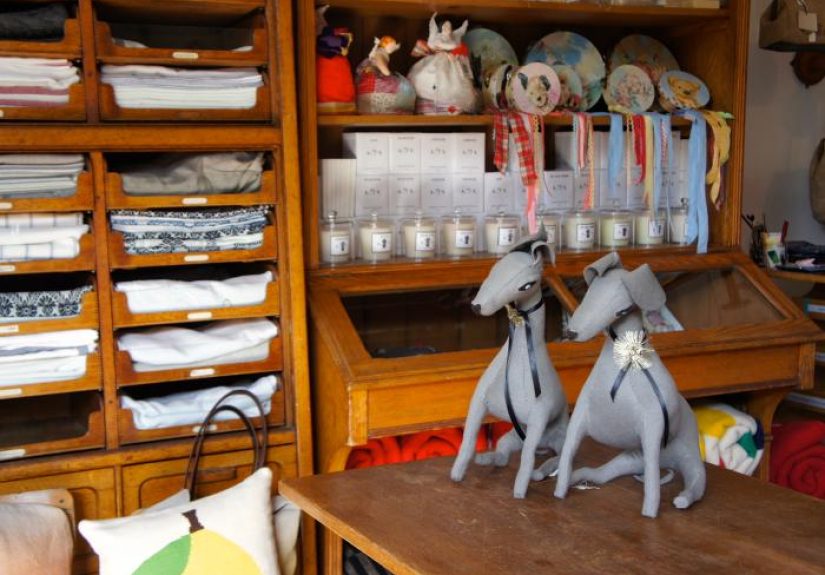
Known for her one-of-a-kind soft objects, Tamar Mogendorff is a Brooklyn-based artist and designer whose stitched creations reinterpret the natural world with texture, humor, and a deeply personal sense of wonder. Her creatures are not mass-produced plush toys trying to look perfect under fluorescent retail lighting. They are freehand, tactile, expressive, and charmingly irregular. In other words, they have personalities. Some look shy. Some look regal. Some look as if they know where the missing socks went.
The phrase “Tamar Mogendorff creatures” often refers to her imaginative textile animals and natural forms: birds, swans, deer, narwhals, mushrooms, octopuses, polar bears, unicorns, sea creatures, birdhouses, and other soft sculptural curiosities. But the real magic is not simply what she makes. It is how she makes it feel alive.
Who Is Tamar Mogendorff?
Tamar Mogendorff is an artist and designer living and working in Brooklyn, New York. Her creative practice has long centered on original soft objects, including one-of-a-kind textile sculptures, decorative pieces, home goods, ceramics, porcelain objects, pillows, rugs, and sculptural curiosities. Her work has also crossed into collaborations with well-known design and lifestyle brands, giving her creatures a larger audience while preserving the handmade spirit that makes them special.
Her background is often described through movement: from Israel to New York, from hobby to artistic career, from stuffed forms to sculptural interiors. That path matters because her work feels less like a fixed product line and more like an evolving ecosystem. The animals, birds, shells, flowers, mushrooms, and textile objects seem to grow out of an instinctive process rather than a rigid design formula.
In interviews and profiles, Mogendorff has been described as an artist whose work connects with both children and adults. That is a key part of her appeal. A child might see a swan, a bunny, or a whale and instantly understand the invitation to imagine. An adult might see antique fabric, hand stitching, sculptural proportion, nostalgic color, and the quiet rebellion of imperfection. Same creature, two audiences, one very busy little bird.
What Makes Tamar Mogendorff Creatures So Distinctive?
The easiest way to describe Tamar Mogendorff’s creatures is “whimsical,” but that word alone is too light. Her work is whimsical, yes, but also sculptural, moody, tactile, and surprisingly sophisticated. These are creatures with storybook charm and art-object confidence. They are soft, but not silly. Sweet, but not sugary. Decorative, but not bland.
They Are Handmade, Not Factory-Perfect
One of the most important qualities of Mogendorff’s creatures is their handmade irregularity. Visible seams, gentle asymmetry, hand-shaped forms, and expressive proportions are not flaws. They are the signature. A bird does not need to look like it escaped a 3D printer. A mushroom can squint. A narwhal can appear ancient and wise. A unicorn can look dreamy without looking like it just wandered out of a plastic birthday-party aisle.
That freehand quality gives each piece an emotional charge. When a creature looks slightly uneven or idiosyncratic, it becomes more human, not less polished. It feels touched, considered, and quietly alive.
They Use Textiles With Memory
Mogendorff’s work is closely associated with fabric that has character: linen, vintage textiles, antique embroidery, tweed, hand-dyed materials, and other tactile surfaces. These materials do not behave like anonymous cloth. They carry visual history. A faded floral print may become the belly of a bird. A textured linen may turn into a seal, a shell, or a soft animal face. A bit of old embroidery may become the detail that makes a creature look as if it has been waiting patiently for a century.
This use of meaningful fabric is one reason her creatures appeal to design lovers. They are not just cute; they are layered. The material is part of the storytelling.
They Reinterpret Nature Instead of Copying It
Tamar Mogendorff creatures are inspired by nature, but they do not try to become scientific replicas. They are interpretations. A swan may be elegant but slightly strange. A seahorse may feel like a tiny ocean myth. A deer may appear gentle and ceremonial. A birdcage may become both object and stage, as if some invisible song just left the room.
That distinction matters. Her animals do not say, “Here is exactly what a bird looks like.” They say, “Here is what a bird might look like in a dream stitched from old fabric, good thread, and a little mischief.”
The Best-Known Tamar Mogendorff Creature Motifs
Over time, certain motifs have become especially associated with Mogendorff’s world. They vary by collection, retailer, and availability, since many pieces are one-of-a-kind or made in small batches. Still, several recurring forms help define the visual language of her work.
Birds, Swans, and Birdcages
Birds are among the most recognizable forms in the Tamar Mogendorff universe. They suit her materials beautifully: wings made from patterned fabric, stitched bodies with plump volume, little faces that can look curious, sleepy, proud, or mildly offended. Swans add a more graceful note, often feeling sculptural enough for a mantel, nursery shelf, or design-focused living room.
Birdcages and birdhouses also appear in discussions of her work, and they show how she expands beyond the creature itself into habitats and symbols. A birdhouse is not just a house for a bird; in Mogendorff’s hands, it becomes a soft architectural character.
Sea Creatures and Mythic Animals
Octopuses, seahorses, narwhals, whales, and shells fit naturally into Mogendorff’s tactile world. Soft sculpture is especially powerful when it translates fluid, underwater shapes into fabric. A sea creature can become dreamy, strange, and decorative all at once. It has movement even while still.
The narwhal and unicorn side of her work leans into myth, but not in a glitter-explosion way. These creatures feel more antique fairytale than cartoon fantasy. They belong in the same universe as moonlit nurseries, old storybooks, handmade quilts, and shelves that contain exactly one mysterious brass key.
Forest Animals, Mushrooms, and Gentle Oddities
Deer, bunnies, lambs, mushrooms, and other woodland-inspired forms show another side of Mogendorff’s creatures: quiet, rustic, and poetic. Mushrooms are especially charming because they allow her to play with personality in a small form. A mushroom with a face can be funny, eerie, or adorable depending on its eyes, shape, fabric, and posture. It is proof that even fungus can have charisma if styled correctly.
From Nursery Décor to Collectible Soft Sculpture
At first glance, many Tamar Mogendorff creatures seem perfect for children’s rooms. They are soft, imaginative, and full of gentle storybook energy. But calling them only nursery décor would be too narrow. Her work has consistently attracted adults, collectors, interior stylists, and design lovers who appreciate handmade objects with emotional depth.
That crossover appeal is one of the reasons her creatures have appeared in curated design spaces, boutique settings, product selections, and collaborations. A Tamar Mogendorff bird can live in a child’s room, but it can also sit comfortably in an artful apartment next to ceramics, linen curtains, vintage furniture, and a stack of books nobody has finished but everyone respects.
Her creatures also fit the growing interest in slow design and handmade home décor. In a world overflowing with identical objects, a handmade textile sculpture offers the opposite experience: a piece with uniqueness, visible craft, and emotional warmth.
Materials, Texture, and the Beauty of Imperfection
One of the strongest themes in Mogendorff’s work is the beauty of imperfection. The pieces often celebrate raw edges, hand stitching, uneven forms, and fabric combinations that feel discovered rather than engineered. This creates a wabi-sabi-like sensibility: beauty found in irregularity, age, touch, and impermanence.
That does not mean the work is careless. In fact, the opposite is true. To make something look naturally charming rather than messy requires strong artistic control. The scale has to be right. The stuffing has to support the gesture. The eyes must land in exactly the strange little spot that gives the creature a soul. Too neat, and it loses magic. Too chaotic, and it becomes a laundry accident. Mogendorff’s best pieces live in that delicate middle ground.
Collaborations and the Expansion of Tamar’s World
While Tamar Mogendorff is best known for soft textile creatures, her creative world has expanded far beyond animals. Her official body of work includes home goods, ceramics, porcelain objects, rugs, blankets, shell pillows, flower pillows, and other decorative explorations. This expansion makes sense because the logic of her creatures is also the logic of interiors: texture, story, color, material, mood, and touch.
Collaborations with design and retail brands have helped bring her aesthetic into broader home settings. Pieces associated with Anthropologie, for example, show how her stitched language can translate into playful yet elevated products such as a camel-shaped rocker or decorative tree topper. These collaborations maintain the recognizable Mogendorff mood: handmade charm, creaturely personality, and a soft sculptural interpretation of nature.
Her work connected to Arita and ceramic exploration shows another important development. Even when she moves from fabric to porcelain or clay, the interest in organic shapes, crafted surfaces, and intimate objects remains. The creature world becomes a wider design language.
How to Style Tamar Mogendorff Creatures at Home
Because Tamar Mogendorff creatures are expressive, they work best when styled with a little breathing room. They do not need to shout. A single soft bird on a shelf can do more than a crowded army of decorative objects. Think of each piece as a small character in the room’s story.
In a Nursery or Child’s Room
Place a bird, deer, bunny, or sea creature near books, natural wood, linen bedding, or soft wall colors. The goal is not to make the room look like a toy store. The goal is to create a gentle, imaginative corner that feels personal. A hanging mobile, birdhouse, or soft sculpture can add movement and narrative without overwhelming the space.
In a Living Room
Use a creature as an art object. A swan on a mantel, a shell pillow on a chair, or a mushroom on a bookshelf can soften a serious interior. If your living room contains too many straight lines, a handmade textile creature is the visual equivalent of someone opening a window and saying, “Let’s be less formal, shall we?”
In a Creative Studio
Tamar Mogendorff creatures are wonderful in studios because they remind makers that imagination can be practical. Place one near fabric samples, sketchbooks, ceramics, or craft tools. It becomes a mascot for creative mess, which is the best kind of mess because it can be called “process.”
Why Collectors and Design Lovers Appreciate Her Work
Collectors are drawn to Tamar Mogendorff creatures because they combine several desirable qualities: handmade construction, limited availability, recognizable style, emotional warmth, and artistic individuality. They are collectible without feeling cold. They are decorative without feeling generic. They are playful without being disposable.
Design lovers also appreciate how the pieces bridge categories. They are not simply stuffed animals. They are not conventional sculpture. They are not standard pillows, mobiles, or toys. They sit in the deliciously awkward middle, where some of the best design lives. That ambiguity gives them staying power.
In SEO terms, related phrases such as “handmade textile creatures,” “soft sculpture animals,” “whimsical nursery décor,” “one-of-a-kind fabric art,” and “Tamar Mogendorff soft sculptures” all point toward the same core appeal: these objects make rooms feel more imaginative, personal, and alive.
Buying, Caring For, and Understanding Handmade Pieces
Because many Tamar Mogendorff pieces are handmade, limited, or one-of-a-kind, availability can change. Buyers should treat each piece as an artful object rather than a replaceable commodity. Handmade textiles may have variations in shape, stitching, color, and finish. That is part of the value, not a defect.
Care should generally be gentle. Soft sculpture and decorative textiles are best kept away from rough handling, heavy moisture, direct harsh sunlight, and enthusiastic pets who believe every object is secretly a chew audition. Spot cleaning, careful dusting, and thoughtful display help preserve the character of the piece.
For families, it is also smart to distinguish between decorative soft sculpture and everyday play toys. Some pieces may look cuddly, but their real role is closer to artful décor. In other words, love them deeply, but maybe do not send the narwhal into a juice-box combat zone.
Experiences With Tamar Mogendorff Creatures
The first experience many people have with Tamar Mogendorff creatures is visual: they stop scrolling, pause in a shop, or lean closer to a photo because the object does not behave like ordinary décor. It has a face, but not a cartoon face. It has softness, but not a generic plush softness. It has handmade detail, but it does not beg for technical applause. Instead, it quietly asks, “Do you remember when objects felt magical?”
One of the most enjoyable ways to experience these creatures is in a room that already has natural materials. Place a fabric bird near a linen curtain, a wooden shelf, or a ceramic vase, and the creature suddenly feels as if it has chosen its habitat. A swan beside a stack of art books becomes elegant and slightly theatrical. A mushroom on a child’s bookshelf becomes a tiny guardian of bedtime stories. A shell pillow on a chair can make the whole corner feel more relaxed, as if the room has taken off its shoes.
Another experience is the slow discovery of detail. At first, you notice the creature’s shape. Then the fabric. Then the stitching. Then the expression. Then some tiny decisionan embroidered eye, a patterned wing, a surprising colorthat makes the object feel personal. This is very different from buying décor that reveals everything in three seconds. Tamar Mogendorff creatures reward attention. They are small, but they have layers.
They also change the emotional temperature of a room. A minimal interior can sometimes feel polished but distant. Add one handmade textile creature, and the space becomes more approachable. It tells guests that the person who lives there has a sense of humor, a fondness for craft, and possibly a suspiciously strong attachment to birds. That is not a bad reputation to have.
For children, the experience is more immediate. A child does not need a lecture on textile art to understand a Mogendorff creature. They see a rabbit, deer, whale, or bird and begin building a story. Adults often analyze the material, provenance, and design language. Children simply invite the creature into a world. That dual response is one of the strongest signs of successful whimsical design: it can be appreciated intellectually and loved instinctively.
Creative people may find the creatures especially inspiring because they make handwork feel open-ended. They suggest that fabric scraps, old textiles, and imperfect shapes can become something expressive. The lesson is not to copy the work, but to notice the philosophy behind it: trust texture, allow irregularity, and give objects room to have character.
Living with a Tamar Mogendorff creature is less like owning a decoration and more like hosting a quiet little guest. It does not demand attention every day, but when you notice it, the room feels warmer. It reminds you that design can be tender, funny, strange, and beautifully unnecessary. And sometimes, unnecessary things are exactly what make a home feel alive.
Conclusion
Tamar Mogendorff creatures are more than charming handmade animals. They are soft sculptures with atmosphere, memory, and personality. Through linen, vintage textiles, hand stitching, organic forms, and a fearless affection for imperfection, Mogendorff creates objects that feel both nostalgic and fresh. Her creatures belong to nurseries, studios, shelves, mantels, and imaginative interiors, but they also belong to a larger conversation about slow design, craft, and the emotional power of handmade things.
In a design world often obsessed with flawless surfaces and repeatable trends, Tamar Mogendorff’s work offers a softer, stranger, more human alternative. Her creatures remind us that a room does not need another perfect object. Sometimes it needs a stitched swan, a thoughtful mushroom, a poetic birdhouse, or a narwhal that appears to know ancient secrets and is politely keeping them to itself.