Table of Contents >> Show >> Hide
- The Big Comeback: Warm Natural Wood Kitchens
- Why Wood Cabinets Are Back in Style
- The New Wood Kitchen Is Not the Old Wood Kitchen
- How to Use This Kitchen Design Trend Without Overdoing It
- Best Colors to Pair With Natural Wood Cabinets
- Countertops and Backsplashes That Work With Wood Kitchens
- Hardware Choices That Make Wood Cabinets Look Current
- Is This Trend Good for Resale?
- Common Mistakes to Avoid
- of Real-Life Experience: Living With the Warm Wood Kitchen Trend
- Conclusion: Wood Kitchens Are Back, But Better
- SEO Tags
After years of bright white cabinets, icy gray backsplashes, and kitchens so minimal they looked like they were waiting for a museum label, one familiar design favorite is confidently walking back into the room: warm natural wood. And no, this is not the orange-toned, glossy cabinet situation many people remember from old suburban kitchens. The new wood kitchen is softer, richer, cleaner, and far more sophisticated.
The Big Comeback: Warm Natural Wood Kitchens
The kitchen design trend making a major comeback is natural wood cabinetry and warm wood finishes. Homeowners are moving away from cold, all-white kitchens and returning to materials that feel grounded, comfortable, and full of character. White oak, walnut, maple, ash, and medium-toned woods are showing up in cabinets, islands, open shelving, trim, range hoods, and even ceilings.
This revival makes sense. The kitchen has become more than a place to chop onions while pretending not to cry. It is the family command center, homework station, coffee bar, dinner-party stage, snack headquarters, and emotional support room of the home. A space that works that hard needs warmth. Natural wood brings exactly that.
The modern wood kitchen is not about going rustic unless you want it to be. It can look sleek, Scandinavian, transitional, farmhouse-inspired, midcentury, organic modern, or quietly luxurious. The secret is restraint: clean lines, thoughtful stains, balanced textures, and smart pairings with stone, tile, metal, and soft neutral paint colors.
Why Wood Cabinets Are Back in Style
For a long time, white kitchens dominated design magazines, Pinterest boards, renovation shows, and real estate listings. They were bright, safe, and easy to sell. But after years of white cabinets, white counters, white walls, and white backsplashes, many kitchens started to feel a little too perfect. Beautiful? Yes. Personal? Not always.
Natural wood solves that problem by adding visual warmth without making the room feel chaotic. Wood grain introduces movement, texture, and depth. Even a simple flat-panel cabinet can feel interesting when the grain is visible. In a kitchen full of hard surfaces, wood softens the mood and makes the room feel more livable.
It Feels Timeless Instead of Trendy
The best part about natural wood cabinetry is that it has history. Wood kitchens have existed for generations, which means the look does not depend on a single microtrend. What has changed is the execution. Today’s wood kitchens avoid heavy, glossy finishes and oversized decorative details. Instead, they favor natural stains, matte finishes, slab fronts, Shaker doors, slim rails, and thoughtful craftsmanship.
It Works With Almost Every Design Style
Warm wood cabinets are surprisingly flexible. Pair white oak with creamy walls and marble-look quartz for an airy modern kitchen. Use walnut with soapstone counters and brass hardware for a dramatic, elegant space. Mix maple cabinets with handmade tile for a casual, family-friendly room. The design language changes, but the wood keeps the kitchen feeling warm and grounded.
It Adds Character Without Clutter
Not everyone wants open shelves full of vintage bowls, cookbooks, and artfully placed lemons. Wood adds personality without requiring more stuff. The grain itself becomes decoration. That is good news for anyone who loves a beautiful kitchen but does not want to dust twelve tiny ceramic chickens every weekend.
The New Wood Kitchen Is Not the Old Wood Kitchen
When some people hear “wood cabinets,” they immediately picture heavy cherry cabinets, dark granite, beige tile, and a kitchen island roughly the size of a small continent. That is not the comeback we are talking about. The 2026 version of this kitchen design trend is lighter, more edited, and more intentional.
White oak is especially popular because it has a calm grain pattern and a natural tone that works with many palettes. Walnut is gaining attention for homeowners who want something richer and moodier. Maple and ash offer lighter options that still feel organic. Instead of shiny orange finishes, designers are using muted stains, natural oils, matte sealers, and soft brown tones.
Flat-Panel Cabinets Make Wood Look Modern
One reason natural wood is making a comeback is the rise of flat-panel cabinetry. Smooth cabinet fronts allow the grain to become the star. This creates a clean, modern look without feeling sterile. In small kitchens, flat-panel wood cabinets can make the room feel streamlined while still adding warmth.
Shaker Cabinets Still Work Beautifully
Shaker cabinets are not disappearing. They are simply getting more refined. Slimmer frames, softer finishes, and natural wood tones make Shaker doors feel fresh again. For homeowners who want a kitchen that balances classic and current, natural wood Shaker cabinetry is a reliable choice.
Mixed Materials Keep the Look Fresh
The most successful wood kitchens rarely use one material everywhere. They layer wood with stone countertops, handmade tile, aged brass, brushed nickel, plaster walls, or painted cabinetry. This mix prevents the room from feeling like a cabin unless a cabin is exactly what you are going for.
How to Use This Kitchen Design Trend Without Overdoing It
If you are not ready to commit to a full kitchen of wood cabinets, you have options. The beauty of this comeback trend is that it scales well. You can go big with floor-to-ceiling cabinetry or start small with a single wood island.
Try a Wood Kitchen Island
A natural wood island is one of the easiest ways to bring warmth into a kitchen. It works especially well when the perimeter cabinets are painted white, cream, green, blue, or taupe. The island becomes the focal point while the rest of the kitchen stays light and balanced.
Add Wood Open Shelving
Open shelving is still useful when done in moderation. A few thick wood shelves can break up a wall of tile and give you a place to display everyday dishes, glassware, or a small collection of cookbooks. The key phrase here is “everyday dishes,” not “objects you bought only because a shelf looked lonely.”
Use Wood on the Range Hood
A wood range hood can soften a kitchen full of stone, tile, and stainless steel. It creates a furniture-like focal point and adds architectural interest. This approach works particularly well in transitional and organic modern kitchens.
Choose Wood Lower Cabinets
Another smart approach is to use wood on lower cabinets and a lighter paint color on upper cabinets. This grounds the room visually while keeping the upper half open and bright. It is also a practical choice for smaller kitchens that need warmth without feeling heavy.
Best Colors to Pair With Natural Wood Cabinets
Color can make or break a wood kitchen. The goal is to complement the wood tone rather than fight with it. Warm whites, soft creams, mushroom, taupe, sage green, dusty blue, charcoal, and clay-inspired colors all work beautifully with natural wood.
Warm White and Cream
Warm white walls or counters keep the kitchen bright without creating a harsh contrast. This is ideal for white oak, maple, and ash cabinets. Creamy tones also make the space feel softer and more welcoming than stark white.
Sage Green
Sage green is a natural partner for wood because both colors feel connected to the outdoors. Use it on walls, tile, painted cabinets, or pantry doors. The result is calm, fresh, and timeless.
Soft Black or Charcoal
For a more dramatic kitchen, pair wood cabinets with charcoal tile, black stone, or dark hardware. The contrast makes the wood grain stand out. This combination works especially well with walnut and medium-toned oak.
Terracotta and Clay
Earthy reds, clay tones, and terracotta accents are becoming more popular in interiors. These colors pair beautifully with natural wood when used carefully. Think handmade tile, a runner, pottery, or small decorative accents rather than painting the entire kitchen tomato soup red.
Countertops and Backsplashes That Work With Wood Kitchens
The countertop and backsplash choices determine whether a wood kitchen feels fresh or dated. The safest approach is to balance the organic quality of wood with surfaces that feel clean, durable, and refined.
Quartz and Quartzite
Quartz remains popular because it is durable, low-maintenance, and available in many designs. Natural quartzite is also loved for its stone movement and upscale look. Both materials can work beautifully with wood cabinets, especially when the veining includes warm beige, taupe, soft gray, or brown undertones.
Marble-Look Surfaces
Marble-look counters add elegance to wood cabinetry. The contrast between organic grain and smooth stone creates a balanced kitchen that feels polished but not stiff.
Handmade Tile
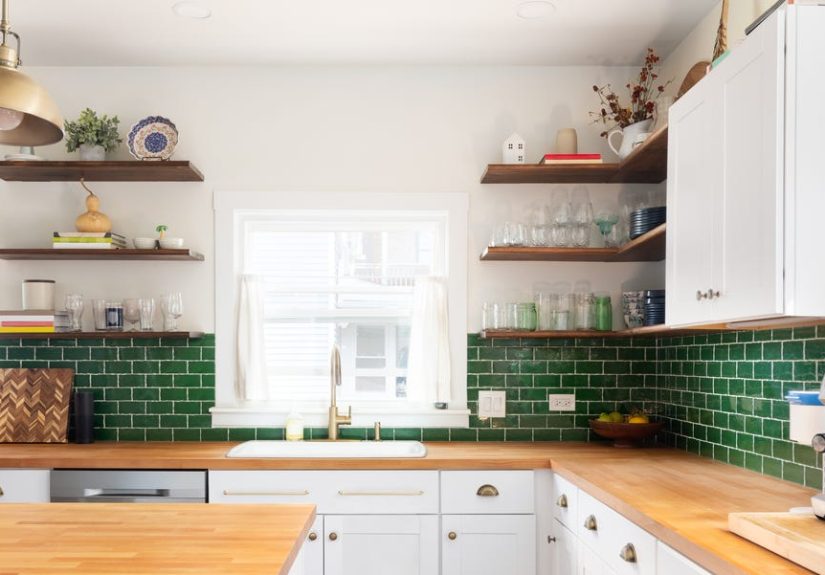
Zellige-style tile, ceramic subway tile, square tile, and textured tile all pair well with wood. Slight variation in the tile surface makes the room feel handmade and personal. This is a great choice if you want the kitchen to feel warm and collected.
Slab Backsplashes
A slab backsplash can make a wood kitchen look sleek and expensive. Extending the countertop material up the wall creates a clean backdrop that lets the cabinetry shine. It also means fewer grout lines, which is a small domestic miracle worth celebrating.
Hardware Choices That Make Wood Cabinets Look Current
Hardware is the jewelry of the kitchen, and like jewelry, it can either elevate the outfit or make everyone wonder what happened. With natural wood cabinets, the best hardware choices usually feel simple and substantial.
Aged Brass
Aged brass adds warmth and pairs especially well with walnut, white oak, and medium brown cabinets. Choose unlacquered or satin finishes for a softer, less flashy look.
Brushed Nickel
Brushed nickel is practical, classic, and easy to live with. It is a smart choice if you want a slightly cooler contrast against warm wood tones.
Matte Black
Matte black hardware creates definition and works well in modern kitchens. Use it with restraint so the space does not become too graphic.
Integrated Pulls
For a minimalist kitchen, integrated pulls or edge pulls keep the focus on the wood grain. This approach is especially effective with flat-panel cabinets.
Is This Trend Good for Resale?
Natural wood kitchens can be excellent for resale when designed thoughtfully. The look feels current, but it also has long-term appeal because wood is a classic material. Buyers often respond well to kitchens that feel warm, clean, and durable.
The key is avoiding extreme finishes. Very dark stains, glossy orange tones, or overly rustic distressing may limit the kitchen’s appeal. Mid-tone wood, light oak, and neutral pairings are generally easier for future buyers to imagine living with.
Storage still matters, of course. A beautiful wood kitchen with poor layout will not magically become functional because the cabinets have nice grain. Prioritize deep drawers, pantry storage, pull-out organizers, appliance garages, and practical lighting. The comeback is about warmth, but the kitchen still has to know where the spatula lives.
Common Mistakes to Avoid
Using Too Many Wood Tones
Mixing woods can look beautiful, but too many tones can make the room feel accidental. If you want to combine woods, choose tones that share a similar undertone or repeat one wood finish in multiple places.
Ignoring Undertones
Some woods lean yellow, some lean red, and some lean gray or brown. Your counters, floors, and wall colors should work with those undertones. Bring samples home and view them in natural and artificial light before making final decisions.
Choosing the Wrong Finish
High-gloss wood can quickly look dated. Matte, satin, and natural finishes usually feel more current. They also let the texture of the wood appear softer and more authentic.
Forgetting Lighting
Wood absorbs more light than white cabinetry, so lighting matters. Use layered lighting: recessed lights, pendants, under-cabinet lighting, and possibly sconces. A warm wood kitchen should feel cozy, not cave-like.
of Real-Life Experience: Living With the Warm Wood Kitchen Trend
The biggest lesson from real kitchens is that natural wood changes the way a room feels before it changes the way it looks. A white kitchen can feel crisp and clean, but a wood kitchen often feels calmer the moment you walk in. It has a way of making morning coffee feel less like a survival tactic and more like a small ritual. That matters because the kitchen is one of the few rooms people use every single day, whether they are cooking a full dinner or standing in front of the fridge hoping inspiration appears between the mustard and the leftovers.
In everyday life, wood cabinets are surprisingly forgiving. A tiny fingerprint on a white cabinet can look like breaking news. On natural wood, small marks are less noticeable because the grain provides movement. That does not mean wood is maintenance-free, but it often feels more relaxed. Families with kids, pets, and busy schedules tend to appreciate finishes that do not panic at the first sign of real life.
Another experience homeowners often notice is how well wood works with seasonal decor. In spring, it looks fresh with flowers, pale ceramics, and linen towels. In summer, it pairs with fruit bowls, woven shades, and open windows. In fall, it becomes cozy with copper, stoneware, and warm lighting. In winter, it handles greenery, candles, and holiday baking chaos with style. A natural wood kitchen does not need a complete personality transplant every season; it simply adapts.
Wood also encourages better layering. Once you have wood cabinets, you may find yourself choosing fewer but better accents: a stone bowl, a handmade tile backsplash, a vintage runner, or simple brass knobs. The room starts to feel collected rather than decorated in one weekend. That is the quiet power of this comeback trend. It gives the kitchen a foundation that can grow with you.
There are practical lessons, too. Samples are non-negotiable. A wood stain that looks soft and neutral online may turn yellow under your kitchen lights. A walnut sample may look rich in the showroom but too dark in a small room. Always test wood next to your flooring, counters, backsplash, and paint. The goal is harmony, not a cabinet color that starts an argument with the floor.
Finally, the best wood kitchens leave room for imperfection. They are not sterile showpieces. They are places where bread gets toasted, sauce splatters, people gather, and someone always opens the snack drawer five minutes before dinner. Natural wood supports that kind of life beautifully. It feels polished enough for guests and comfortable enough for Tuesday night. That balance is exactly why this kitchen design trend is making a major comeback.
Conclusion: Wood Kitchens Are Back, But Better
The return of natural wood kitchens is not just nostalgia wearing a new outfit. It is a response to years of cool, minimal interiors and a growing desire for homes that feel warm, personal, and durable. Wood cabinets bring texture, character, and timeless appeal without sacrificing modern style.
Whether you choose a full wall of white oak cabinets, a walnut island, maple open shelving, or a wood range hood, this kitchen design trend can make your space feel more grounded and inviting. The trick is to keep the design balanced with clean lines, thoughtful colors, quality lighting, and materials that complement the grain.
The all-white kitchen had a good run. It was bright, photogenic, and dependable. But the warm wood kitchen has something homeowners are craving now: soul. And in a room where people gather, cook, laugh, spill things, and occasionally debate the correct way to load a dishwasher, soul is not just a bonus. It is the whole point.