Table of Contents >> Show >> Hide
- What Is Vitamin B9?
- Folate vs. Folic Acid: What Is the Difference?
- Top Benefits of Vitamin B9 (Folate)
- How Much Folate Do You Need?
- Best Food Sources of Folate
- Simple Folate-Rich Meal Ideas
- Signs You May Not Be Getting Enough Folate
- Who May Need Extra Attention to Folate?
- Can You Get Too Much Folate?
- Practical Tips for Getting More Folate
- Real-Life Experiences With Folate-Rich Eating
- Conclusion: Why Folate Deserves a Regular Spot on Your Plate
Vitamin B9, better known as folate, is one of those nutrients that does a lot of important work without demanding applause. It does not arrive with the glamour of vitamin C, the sunshine reputation of vitamin D, or the gym-bro swagger of protein. Still, folate quietly helps your body build DNA, form healthy red blood cells, support cell growth, and protect early fetal development. In other words, it is not a “nice-to-have” vitamin. It is more like the behind-the-scenes project manager keeping the whole biological office from catching fire.
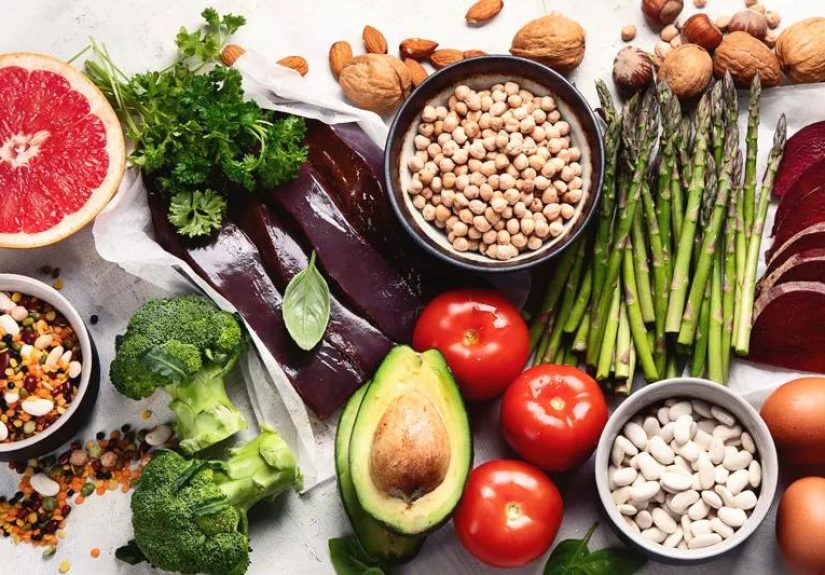
Folate is the natural form of vitamin B9 found in foods such as leafy greens, beans, asparagus, citrus fruits, and avocados. Folic acid is the synthetic form used in supplements and fortified foods like enriched bread, pasta, rice, cereal, and corn masa flour. Both forms help support health, but they are not exactly identical in how the body absorbs and uses them. That small detail matters, especially for pregnancy, deficiency prevention, and smart supplement choices.
This guide breaks down the main benefits of vitamin B9, the best folate-rich foods, how much you need, signs of low folate, and practical ways to add more to your diet without turning every meal into a spinach endurance test.
What Is Vitamin B9?
Vitamin B9 is a water-soluble B vitamin, meaning your body does not store it in large amounts. Because of that, you need a steady supply from food, fortified products, or supplements. Folate plays a central role in making DNA and RNA, the genetic material your cells use to grow and divide. It is also needed for producing healthy red blood cells, which carry oxygen throughout the body.
The word “folate” comes from the Latin word for leaf, which makes sense because dark green leafy vegetables are some of the best natural sources. Spinach, mustard greens, romaine lettuce, and Brussels sprouts all bring folate to the table. Thankfully, folate is not limited to salad. Lentils, black-eyed peas, kidney beans, oranges, peanuts, beef liver, asparagus, fortified cereals, and enriched grains also count.
Folate vs. Folic Acid: What Is the Difference?
People often use “folate” and “folic acid” as if they are the same thing, but there is a useful distinction. Folate is the natural form of vitamin B9 in whole foods. Folic acid is the manufactured form added to fortified foods and most supplements.
Folate in Foods
Natural folate appears in vegetables, fruits, legumes, nuts, eggs, seafood, and some meats. It is part of the food’s larger nutrition package, often coming with fiber, potassium, magnesium, antioxidants, and other B vitamins. A bowl of lentil soup, for example, does not just deliver folate. It also brings protein and fiber, which is why your digestive system may send a polite thank-you note later.
Folic Acid in Supplements and Fortified Foods
Folic acid is commonly used in multivitamins, prenatal vitamins, fortified breakfast cereals, enriched breads, pasta, rice, flour, and corn masa flour. In the United States, folic acid fortification has been an important public health strategy to help reduce the risk of neural tube defects, which affect the developing brain and spine during early pregnancy.
Top Benefits of Vitamin B9 (Folate)
1. Supports Healthy Cell Growth
Folate is essential for cell division and growth. This is especially important during periods when the body is making new cells quickly, such as pregnancy, infancy, adolescence, and tissue repair. Your skin, hair, blood, and digestive tract all rely on steady cell turnover. Folate helps make that process smoother, like a tiny construction supervisor wearing a hard hat made of kale.
2. Helps Make DNA and Genetic Material
One of folate’s biggest jobs is helping your body produce DNA and RNA. Every time a cell divides, it needs accurate genetic instructions. Low folate can interfere with this process, which is why deficiency may lead to problems in tissues that renew quickly, including blood cells and the lining of the mouth and digestive tract.
3. Promotes Healthy Red Blood Cell Formation
Folate helps the body produce normal red blood cells. When folate intake is too low, red blood cells may become unusually large and poorly developed, a condition known as megaloblastic anemia. Symptoms can include fatigue, weakness, shortness of breath, pale skin, and feeling like your energy battery is permanently stuck at 12%.
4. Supports Pregnancy and Fetal Development
Folate is especially famous for its role in pregnancy. Adequate folic acid before conception and during early pregnancy helps reduce the risk of neural tube defects. The neural tube forms very early, often before someone knows they are pregnant, which is why health authorities recommend that people who could become pregnant get enough folic acid daily.
During pregnancy, folate needs increase because the body is supporting rapid fetal growth, placenta development, and expanded blood volume. Prenatal vitamins usually contain folic acid or another form of vitamin B9 to help meet these needs. Anyone who is pregnant, planning pregnancy, or has had a previous pregnancy affected by a neural tube defect should speak with a healthcare provider about the right amount.
5. May Support Heart and Blood Vessel Health
Folate helps break down homocysteine, an amino acid in the blood. High homocysteine levels have been associated with cardiovascular risk, although taking folic acid supplements does not automatically guarantee heart disease prevention. The smartest approach is to focus on an overall heart-friendly diet: beans, leafy greens, citrus fruits, whole grains, nuts, and other minimally processed foods. Folate helps, but it is not a magic shield. Your arteries still prefer walks, sleep, and fewer “emergency” fries.
6. Supports Brain and Nervous System Function
Vitamin B9 works alongside other B vitamins, including B12 and B6, in processes that affect the nervous system. Low folate status may contribute to fatigue, mood changes, difficulty concentrating, and neurological symptoms in some cases. However, brain health is complex. Folate is one important nutrient, not a one-pill personality upgrade.
7. Helps Prevent Folate Deficiency
Because folate is water-soluble and not stored in large reserves, a diet consistently low in folate-rich foods can eventually lead to deficiency. People at higher risk may include those with poor dietary intake, alcohol use disorder, certain digestive conditions, some medication interactions, pregnancy, and increased nutritional needs. Recognizing low folate early can help prevent more serious complications.
How Much Folate Do You Need?
Recommended folate intake is usually measured in micrograms of dietary folate equivalents, or mcg DFE. This measurement accounts for the fact that folic acid from supplements and fortified foods is often absorbed more efficiently than folate naturally found in foods.
Most adults need about 400 mcg DFE per day. Pregnant people generally need about 600 mcg DFE per day, while breastfeeding people typically need about 500 mcg DFE per day. People who could become pregnant are commonly advised to get 400 mcg of folic acid daily because neural tube development happens very early in pregnancy.
More is not always better. High intake of folic acid from supplements or fortified foods can be a concern, particularly because excessive folic acid may complicate the detection of vitamin B12 deficiency in some situations. Before taking high-dose folic acid, especially above standard daily amounts, it is best to talk with a qualified healthcare professional.
Best Food Sources of Folate
The best way to get folate is to build meals around a variety of plant-forward foods. Fortunately, folate-rich foods are easy to mix into breakfast, lunch, dinner, and snacks.
Leafy Green Vegetables
Spinach, romaine lettuce, mustard greens, turnip greens, and collard greens are classic folate sources. Add spinach to omelets, blend greens into smoothies, toss romaine into tacos, or stir chopped greens into soups. If your salad looks like it could photosynthesize, you are probably on the right track.
Beans, Peas, and Lentils
Legumes are folate all-stars. Lentils, black-eyed peas, kidney beans, chickpeas, and pinto beans provide folate along with fiber and plant protein. A simple lentil stew, bean chili, hummus plate, or chickpea salad can make your meal more filling and more nutrient-dense.
Asparagus and Brussels Sprouts
Asparagus and Brussels sprouts are excellent vegetable sources of folate. Roast them with olive oil, garlic, lemon, and black pepper. This transforms them from “mandatory vegetable side dish” into something people may actually fight over at dinner.
Citrus Fruits and Juices
Oranges and orange juice provide folate, vitamin C, and refreshing flavor. Whole fruit is usually the better everyday choice because it contains fiber, but a small glass of fortified or 100% orange juice can fit into a balanced diet.
Avocados
Avocados contain folate, healthy fats, potassium, and fiber. Add slices to toast, salads, grain bowls, tacos, or sandwiches. Yes, avocado toast jokes are old. No, that does not make avocado any less nutritious.
Nuts and Seeds
Peanuts and sunflower seeds can contribute folate, along with healthy fats and minerals. Sprinkle seeds on oatmeal or yogurt, or use peanut butter in smoothies and whole-grain toast.
Beef Liver and Eggs
Beef liver is very high in folate, though it is not everyone’s favorite food emotionally, spiritually, or socially. Eggs also provide smaller amounts of folate and are easier to include in everyday meals. Pregnant people should ask a healthcare provider about liver intake because liver is also very high in vitamin A.
Fortified Grains and Cereals
Folic acid is added to many enriched grain products in the United States, including certain breads, flour, pasta, rice, breakfast cereals, and corn masa flour. Fortified foods can be especially helpful for people who may not consistently eat enough natural folate sources.
Simple Folate-Rich Meal Ideas
Breakfast Ideas
Try fortified whole-grain cereal with berries and milk, scrambled eggs with spinach, avocado toast on enriched bread, or oatmeal topped with peanuts and orange slices. These meals are quick, realistic, and do not require a personal chef named Sebastian.
Lunch Ideas
Build a folate-friendly lunch with lentil soup, a spinach salad with chickpeas, a burrito bowl with black beans and avocado, or a turkey sandwich on enriched bread with romaine and mustard greens. Add citrus fruit on the side for a bright finish.
Dinner Ideas
For dinner, try whole-grain pasta with broccoli and white beans, tacos made with fortified corn tortillas and black-eyed peas, roasted salmon with asparagus, or a vegetable curry with chickpeas and spinach. These meals prove that “healthy” does not have to mean “chewing sadness quietly.”
Signs You May Not Be Getting Enough Folate
Folate deficiency can develop when intake is low, needs are increased, absorption is poor, or certain medications interfere with folate metabolism. Possible signs include fatigue, weakness, pale skin, irritability, shortness of breath, mouth sores, tongue soreness, and changes in hair, skin, or nails. In more serious cases, deficiency can contribute to anemia.
Because symptoms of folate deficiency can overlap with vitamin B12 deficiency, iron deficiency, thyroid issues, sleep problems, and other health conditions, it is important not to self-diagnose based only on fatigue. If tiredness is persistent, dramatic, or paired with neurological symptoms such as numbness, tingling, balance problems, or memory changes, medical evaluation is the sensible move.
Who May Need Extra Attention to Folate?
Some groups may need to pay closer attention to vitamin B9 intake. This includes people who are pregnant or planning pregnancy, people with limited diets, individuals with alcohol use disorder, people with certain gastrointestinal conditions that reduce nutrient absorption, and those taking medications that affect folate levels. Older adults should also be mindful of vitamin B12 status, because folate and B12 work closely together in red blood cell and nervous system health.
Supplement needs vary. A standard multivitamin or prenatal vitamin may be appropriate for some people, while others may need personalized guidance. The goal is not to collect supplements like trading cards. The goal is to meet your needs safely and consistently.
Can You Get Too Much Folate?
It is difficult to get too much natural folate from food. Eating spinach, beans, asparagus, and oranges is generally not the problem. The bigger concern is high intake of folic acid from supplements and heavily fortified foods. Excessive supplemental folic acid may create issues for some people, especially if it masks signs of vitamin B12 deficiency or is used without medical guidance.
For most healthy adults, a balanced diet plus a standard multivitamin, if needed, is unlikely to cause trouble. High-dose folic acid should be used only when recommended by a healthcare professional, such as in specific pregnancy-risk situations or diagnosed deficiency.
Practical Tips for Getting More Folate
Add One Green Food Daily
Instead of overhauling your entire diet overnight, add one green food each day. Spinach in eggs, romaine in a sandwich, broccoli at dinner, or Brussels sprouts on a sheet pan all count. Tiny habits are less dramatic than big resolutions, but they tend to survive longer.
Use Beans as a Meal Shortcut
Keep canned beans, lentils, or chickpeas in your pantry. Rinse them, toss them into salads, soups, rice bowls, tacos, or pasta. They are affordable, shelf-stable, and full of folate. Basically, beans are the reliable friend who always shows up with fiber.
Choose Fortified Foods Wisely
Fortified cereals and enriched grains can help fill gaps, especially for people with higher folate needs. Look for options that also provide fiber and are not loaded with added sugar. A cereal that tastes like dessert confetti may be fun, but it should not be your entire nutrition strategy.
Do Not Overcook Everything
Folate can be sensitive to heat and water. Steaming, sautéing, roasting, or microwaving vegetables lightly can help preserve nutrients better than boiling them into a gray-green apology. Cook vegetables until tender, not until they need a support group.
Real-Life Experiences With Folate-Rich Eating
One of the easiest ways to understand folate is to stop thinking about it as a supplement-bottle word and start seeing it on your plate. Many people first hear about folate during pregnancy planning, but the daily experience of getting enough vitamin B9 is much more ordinary: a bowl of lentil soup on a cold night, spinach folded into scrambled eggs, black beans in a burrito bowl, or an orange tossed into a work bag before a busy morning.
For someone trying to eat healthier without becoming a full-time nutrition mathematician, folate-rich foods are surprisingly practical. Take lunch, for example. A spinach salad can sound boring if it is just leaves and regret. But add chickpeas, avocado, cherry tomatoes, pumpkin seeds, grilled chicken or tofu, and a lemony dressing, and suddenly it becomes a meal with texture, color, protein, fiber, and folate. The trick is not to “eat folate.” The trick is to build meals you actually want to repeat.
Families can also use folate-rich ingredients in familiar dishes. Lentils can disappear beautifully into pasta sauce, chili, soups, and taco filling. Finely chopped spinach can slide into meatballs, omelets, lasagna, casseroles, and smoothies. Black beans can bulk up quesadillas, rice bowls, and breakfast burritos. This matters because the healthiest food in the world does very little if everyone at the table treats it like a punishment.
People who are planning pregnancy often describe folic acid as one of the first “grown-up” nutrition steps they take seriously. That makes sense. The recommendation to get enough folic acid before and during early pregnancy exists because the earliest weeks are so important for fetal neural tube development. But even then, food still matters. A prenatal vitamin can help cover key needs, while folate-rich meals provide additional nutrients such as iron, vitamin C, potassium, magnesium, and fiber.
Busy professionals may find that breakfast is the easiest place to improve vitamin B9 intake. Fortified cereal with milk and fruit, eggs with greens, peanut butter toast on enriched bread, or a smoothie with spinach and orange can all work. The goal is not culinary perfection. The goal is creating a reliable rhythm. Nutrition is less like a fireworks show and more like brushing your teeth: small, consistent actions quietly do the job.
There is also a budget-friendly side to folate. Beans, peas, lentils, frozen spinach, fortified rice, enriched pasta, oranges, and peanuts are often affordable compared with trendier health foods. You do not need rare imported powders, a luxury blender, or a refrigerator that looks like a wellness influencer lives inside it. A pot of beans and greens can be humble, inexpensive, and deeply nourishing.
The biggest lesson from real-life folate habits is flexibility. Some days you may get folate from a beautiful asparagus dinner. Other days it may come from fortified cereal eaten while answering emails. Both can count. Healthier eating becomes easier when it is not treated as an exam you pass or fail, but as a collection of choices that keep moving in the right direction.
Conclusion: Why Folate Deserves a Regular Spot on Your Plate
Vitamin B9 may not be flashy, but it is essential. Folate supports DNA production, cell growth, red blood cell formation, pregnancy health, and overall wellness. It is especially important for people who are pregnant or may become pregnant, but everyone needs a steady supply.
The best approach is simple: eat more folate-rich foods such as leafy greens, beans, lentils, asparagus, Brussels sprouts, oranges, peanuts, avocado, eggs, and fortified grains. Supplements can be useful, especially during pregnancy or when recommended by a healthcare provider, but they should complementnot replacea balanced diet.
Think of folate as a quiet daily investment. It will not make your breakfast trend on social media, but it helps your body handle some of its most important work. And honestly, any nutrient that supports DNA while also showing up in guacamole deserves respect.