Table of Contents >> Show >> Hide
- Oats are usually fine for people with thyroid problems
- Why oats got a bad reputation in thyroid conversations
- What oats can actually do for your body
- The part that really matters: thyroid medication timing
- When oats may be a problem
- Do oats help with Hashimoto’s?
- What about iodine, goitrogens, and all the other buzzwords?
- Best ways to eat oats if you have thyroid problems
- How to know whether oats fit your routine
- Conclusion
- Real-life experiences people often have with oats and thyroid issues
- SEO Tags
If you have thyroid problems, chances are someone has already tried to scare you away from half your breakfast options. Suddenly, your spoon is hovering over a bowl of oatmeal like it’s a risky life choice. But here’s the good news: in most cases, oats are absolutely still on the menu.
That includes many people with hypothyroidism, Hashimoto’s thyroiditis, a history of thyroid surgery, or other thyroid-related concerns. Oats are not a forbidden food. They are not the breakfast villain in a tiny beige sweater. In fact, plain oats can be a smart, filling, nutrient-rich choice. The real issue is usually not the oats themselves. It is the timing, the toppings, the medication routine, and whether you also have a condition like celiac disease.
So let’s clear the fog, calm the breakfast panic, and talk about what oats can actually do for you, what they cannot do, and how to eat them without accidentally messing with your thyroid medication.
Oats are usually fine for people with thyroid problems
The main truth is refreshingly boring: oats do not damage your thyroid. They do not “shut down” thyroid function. They do not need to be banned just because you have hypothyroidism or Hashimoto’s. For most people, oats are simply a whole grain food that can fit into a balanced thyroid-friendly eating pattern.
That matters because thyroid conditions often come with a parade of frustrating symptoms like fatigue, constipation, cholesterol changes, appetite swings, and a general feeling that your body has decided to stop returning your calls. Oats can be helpful here because they are filling, easy to prepare, and rich in soluble fiber. That fiber, especially beta-glucan, is one reason oats are often linked to heart health and steadier digestion.
And since some people with hypothyroidism also deal with elevated cholesterol, oatmeal can be one of those rare foods that feels comfortingly ordinary while still doing something useful in the background.
Why oats got a bad reputation in thyroid conversations
Oats often get swept into broad internet warnings about “foods to avoid with thyroid disease.” That usually happens for three reasons.
1. People confuse food issues with medication issues
If you take levothyroxine or another thyroid hormone replacement, the biggest concern is not that oats are toxic. It is that food, coffee, and certain supplements can interfere with medication absorption when taken too close together. Oats are high in fiber, and very high-fiber diets can sometimes affect how well thyroid hormone medication is absorbed.
So if someone eats oatmeal five minutes after taking levothyroxine and then wonders why their routine feels off, the problem may be the timing, not the oats. Your medication wants a quiet, empty-stomach moment. Your breakfast wants attention. These two things should not be introduced too quickly.
2. Some people also have celiac disease or gluten sensitivity
Oats are naturally gluten-free, but they are often processed in facilities that also handle wheat, barley, or rye. That means cross-contact can happen. For people who have celiac disease, this is a serious issue. And that matters in thyroid care because autoimmune thyroid disease, especially Hashimoto’s, can overlap with celiac disease more often than many people realize.
If you have thyroid problems and also suspect celiac disease, the smarter move is not to fear oats forever. It is to choose certified gluten-free oats and discuss symptoms or testing with your clinician before making sweeping diet changes.
3. Packaged oatmeal can be more dessert than breakfast
Not all oat products deserve the same halo. Plain rolled oats or steel-cut oats are one thing. Instant maple-brown-sugar-confetti-crumble oatmeal is another. Some flavored packets pile on added sugar and don’t offer much protein, which can leave you full for about seven and a half minutes before hunger barges back in.
That is not a thyroid problem. That is just breakfast wearing a candy costume.
What oats can actually do for your body
Oats are not medicine, and they are not a cure for thyroid disease. But they can support overall health in ways that matter when you are managing a thyroid condition.
They can help with constipation
Constipation is common in hypothyroidism, and oats can help because they add fiber to your routine. If your digestive system has been moving like it is stuck in a traffic jam, a bowl of oatmeal may be a friendlier option than a low-fiber breakfast pastry and a prayer.
They may support heart health
Oats contain beta-glucan, a soluble fiber associated with better cholesterol levels. Since untreated or undertreated hypothyroidism can raise LDL cholesterol in some people, a breakfast built around oats may fit nicely into an overall heart-supportive eating pattern.
They can keep you fuller longer
When oats are paired with protein and healthy fat, they can be surprisingly satisfying. That matters when thyroid symptoms leave you tired, snacky, or tempted by random kitchen decisions at 10:17 a.m.
They are easy to customize
Plain oats are a blank canvas. You can build them into a more balanced meal with berries, chia seeds, walnuts, pumpkin seeds, Greek yogurt, cottage cheese on the side, or nut butter. In other words, oatmeal does not have to taste like punishment.
The part that really matters: thyroid medication timing
If you take levothyroxine, this section is the big one. The usual recommendation is to take it on an empty stomach with water and wait about 30 to 60 minutes before eating breakfast. Some people take it at bedtime instead, but consistency matters most, and that routine should be discussed with your clinician.
Here is the practical takeaway: do not use your oatmeal as the landing pad for your thyroid pill. Take your medication first. Wait the recommended time. Then enjoy breakfast.
Also keep in mind that calcium and iron supplements are especially known for interfering with absorption and are usually spaced several hours away from thyroid medication. If your oatmeal routine includes a separate iron supplement, calcium tablet, or multivitamin, that is worth paying attention to. A big change in fiber intake can matter, too. If you go from eating almost no fiber to eating a giant oat-based breakfast every day, your clinician may want to monitor whether your medication dose still fits.
That does not mean you need to fear fiber. It means your thyroid medication enjoys consistency almost as much as your favorite coffee mug does.
When oats may be a problem
There are a few situations where oats deserve a closer look.
You have celiac disease
In that case, choose certified gluten-free oats, and make sure your clinician or dietitian is on board. Many people with celiac disease can tolerate pure, uncontaminated oats, but regular oats may be cross-contaminated with gluten-containing grains.
You feel worse after eating oats
If oats leave you bloated, crampy, or uncomfortable, it may be the fiber load, a portion issue, an add-in like sweetener or dairy, or another digestive issue entirely. Not every unpleasant breakfast reaction is proof that your thyroid hates oatmeal.
You are relying on oats as a thyroid “fix”
Oats are healthy. They are not magic. They will not replace medication, correct severe iodine issues, or reverse autoimmune thyroid disease. If social media promised otherwise, social media owes you an apology and probably a refund.
You are eating heavily processed oat products
Oat bars, oat muffins, oat cookies, and sugary instant packets may still contain oats, but that does not automatically make them ideal everyday thyroid-supportive choices. Read labels, especially if you are also watching added sugar or gluten exposure.
Do oats help with Hashimoto’s?
They can be part of a helpful eating pattern, but they do not directly treat Hashimoto’s. If you have Hashimoto’s thyroiditis, the key pillars are usually proper diagnosis, medication when needed, routine lab follow-up, and a balanced diet you can actually live with.
Some people with Hashimoto’s decide to go gluten-free. That may be medically necessary if they also have celiac disease. But for everyone else, gluten-free is not automatically required, and oats do not need to be eliminated by default. This is where a lot of thyroid advice goes off the rails. A food is labeled “inflammatory,” people panic, and suddenly breakfast becomes a trust exercise.
For many people with Hashimoto’s, plain oats work just fine. The best proof is not internet drama. It is whether your symptoms, labs, digestion, and medication routine stay stable over time.
What about iodine, goitrogens, and all the other buzzwords?
Let’s untangle the nutrition jargon. Your thyroid needs iodine to make thyroid hormones, but more iodine is not always better, especially if you already have a thyroid disorder. Oats are not a major iodine food, and that is not a bad thing. You do not need to load your oatmeal with seaweed powder and call it wellness.
As for “goitrogens,” oats are not usually the main foods people worry about in that conversation. The much bigger priorities tend to be getting the right medical treatment, being careful with high-iodine supplements, and not taking levothyroxine too close to foods, coffee, or supplements that may affect absorption.
Translation: your morning oats are usually not the drama. Your supplement cabinet may be.
Best ways to eat oats if you have thyroid problems
If you want oatmeal to work for you, build it like a real meal instead of a sad beige bowl.
Option 1: Balanced hot oatmeal
Cook rolled or steel-cut oats and top with blueberries, chia seeds, cinnamon, and a spoonful of almond or peanut butter. Add a hard-boiled egg or Greek yogurt on the side if you want more protein.
Option 2: Savory oats
Yes, savory oats are a thing, and no, the breakfast police will not arrest you. Try plain oats with sautéed spinach, mushrooms, a soft-boiled egg, and a sprinkle of black pepper. This works especially well if you are tired of sweet breakfasts.
Option 3: Overnight oats with a plan
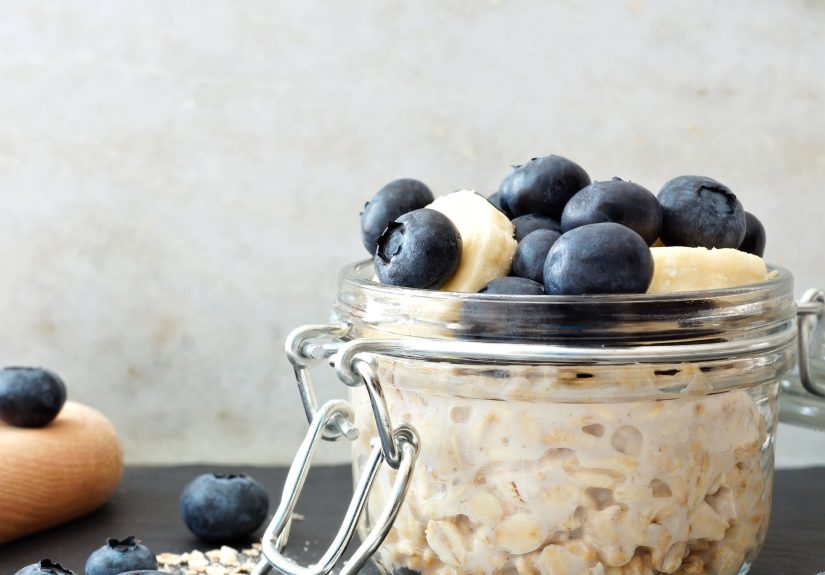
Overnight oats can be convenient, but they are best eaten after your medication waiting window, not as a grab-and-swallow meal two minutes after your pill. Add berries, pumpkin seeds, and unsweetened yogurt for a more balanced setup.
Option 4: Certified gluten-free oats
If you have celiac disease, gluten sensitivity concerns, or a clinician has flagged possible gluten issues, buy certified gluten-free oats instead of assuming every bag is safe.
How to know whether oats fit your routine
A simple question works well here: Do I feel good eating them, and does my treatment stay consistent?
Oats are probably a good fit if:
- you tolerate them well,
- you separate them from thyroid medication appropriately,
- your lab values stay stable,
- and they help you build a breakfast that keeps you full and energized.
They may need adjusting if:
- you have unexplained digestive symptoms,
- you suspect celiac disease,
- you dramatically increased your fiber intake,
- or your thyroid medication routine is inconsistent and your labs are bouncing around like a caffeinated squirrel.
Conclusion
Yes, you can still eat oats if you have thyroid problems. For most people, oats are not dangerous, forbidden, or secretly sabotaging thyroid health. They are a whole grain with useful fiber, good staying power, and plenty of room for healthy upgrades.
The smarter conversation is not “Are oats bad for thyroid disease?” It is “Am I eating oats in a way that works with my medication, symptoms, and overall health?” That means taking thyroid medicine correctly, giving it time before breakfast, watching for gluten cross-contact if celiac disease is in the picture, and choosing oat meals that are less sugar bomb and more balanced breakfast.
In other words, your oatmeal is probably innocent. It just needs better scheduling.
Real-life experiences people often have with oats and thyroid issues
One of the most common experiences people report is that oatmeal feels much easier to manage once they stop treating it like the problem and start treating timing like the priority. Someone takes levothyroxine, waits the full 30 to 60 minutes, then eats a normal bowl of oats with fruit and nuts, and suddenly breakfast is no longer a source of confusion. Nothing magical happened. They just stopped making their medication compete with their meal.
Another common experience shows up in people with hypothyroidism who have been struggling with constipation and low energy. They switch from a low-fiber breakfast, like toast or pastries, to plain oats topped with berries and seeds. Within a couple of weeks, digestion feels more predictable, fullness lasts longer, and the morning crash is a little less dramatic. That does not mean oats “treated” the thyroid problem. It means a more balanced breakfast helped them feel more human, which is still a pretty solid win before 9 a.m.
Some people have the opposite experience at first. They jump into giant bowls of oats, extra bran, flax, chia, and every health-food add-in they can find, and their stomach responds with the emotional range of a thunderstorm. In these cases, the lesson is usually portion and pacing. A sudden leap into very high fiber can feel rough. Starting smaller and increasing gradually often works better.
People with Hashimoto’s sometimes worry that oats are “inflammatory” because they have read scary lists online. Then they try plain certified gluten-free oats, keep the meal simple, and realize they feel completely fine. That kind of experience matters because it reminds people that internet food fear is often much louder than real life.
There is also the celiac overlap story. Some people with thyroid disease feel awful after oats and assume oats are the culprit, but later discover the problem was gluten cross-contact from regular oats, not oats themselves. Once they switch to certified gluten-free oats, the reaction improves. That is a helpful reminder that details matter. “Gluten-free in theory” and “gluten-free in the actual bag you bought” are not always the same thing.
Then there are the people who simply need convenience. Oatmeal becomes their reliable breakfast because it is cheap, easy, and flexible. On busy mornings, that consistency can be more helpful than chasing a perfect thyroid diet that collapses by Wednesday. A doable breakfast you can repeat is often better than a complicated wellness fantasy involving twelve powders and emotional damage.
In the end, real-world experience tends to point in the same direction as the evidence: oats can work very well for many people with thyroid problems, as long as the medication routine is handled properly and any gluten-related concerns are taken seriously.