Table of Contents >> Show >> Hide
- First, Ask the Important Question: Does This Cat Even Need a Bath?
- What You Need Before Bath Time
- How to Bathe an Angry Cat With Minimal Damage: 12 Steps
- Step 1: Pick the least terrible moment
- Step 2: Set up everything before the cat enters the bathroom
- Step 3: Brush the coat and trim nails if your cat will allow it
- Step 4: Make the bathing area feel steady, not slippery
- Step 5: Use lukewarm water, not hot and not chilly
- Step 6: Introduce the cat slowly instead of dropping them in
- Step 7: Keep handling calm, secure, and minimal
- Step 8: Wet the body from the shoulders down and skip the face
- Step 9: Shampoo only what needs shampooing
- Step 10: Rinse thoroughly, because leftover shampoo is a terrible souvenir
- Step 11: Towel dry immediately and move to a warm recovery zone
- Step 12: Reward the survivor, then decide whether you should ever do this again
- Common Mistakes That Turn a Bad Cat Bath Into a Legendary Bad Cat Bath
- When to Skip the DIY Bath and Call a Vet or Groomer
- What Real Bath-Time Experience Usually Teaches People
- Final Thoughts
- SEO Tags
Bathing an angry cat is one of those life events that sounds simple until you are standing in a bathroom holding shampoo, a towel, and what appears to be a furry lightning bolt with opinions. Cats are not being “dramatic” when they hate bath time. Most are built for self-grooming, not spa appointments, and many react to water, handling, and unfamiliar smells like you have personally offended their ancestors.
The good news is that you can bathe a grumpy cat with less chaos, fewer scratches, and a better chance of keeping your dignity intact. The secret is not brute force. It is preparation, speed, calm handling, and knowing when to stop before the whole thing turns into a wet crime scene. This guide walks you through exactly how to bathe an angry cat with minimal damage in 12 practical steps, plus the real-world lessons people learn the hard way after the first soggy showdown.
First, Ask the Important Question: Does This Cat Even Need a Bath?
Before you start filling a sink, pause. Most healthy cats do a perfectly respectable job of keeping themselves clean. A full bath usually makes sense only when your cat has rolled in something sticky, greasy, or unsafe to lick, has a flea problem or skin issue requiring medicated shampoo, needs help because of age, obesity, arthritis, or illness, or has a coat disaster that brushing alone cannot fix. Hairless cats are a separate category and often need regular skin care.
If your cat is injured, panting, extremely fearful, in obvious pain, or already launching a tactical assault from across the room, home bathing may not be the right move. In that case, a veterinarian or professional groomer is the smarter plan. “Minimal damage” should apply to the cat too, not just your forearms.
What You Need Before Bath Time
- Cat-specific shampoo
- Two or three dry towels
- A non-slip mat or folded towel for the sink or tub floor
- A cup or small pitcher for rinsing
- A brush or comb
- Treats your cat actually likes
- Long sleeves and closed-toe shoes
- An extra set of calm human hands, if available
Notice what is not on this list: human shampoo, dog shampoo, essential oils, random DIY soap experiments, and a high-pressure spray nozzle aimed like a firefighting hose. Those are excellent ways to make a bad situation worse.
How to Bathe an Angry Cat With Minimal Damage: 12 Steps
Step 1: Pick the least terrible moment
Do not attempt this when your cat has full zoomies, when the dog is barking, or when your home sounds like a kitchen renovation. Aim for a quiet time when your cat is sleepy, fed, and less likely to feel like staging a rebellion. If your cat has a pattern, use it. Post-dinner loaf mode is better than midnight goblin mode.
Step 2: Set up everything before the cat enters the bathroom
Once the cat is in position, you should not be wandering off to find a towel, open shampoo, or answer a text. Lay out your supplies first. Put the towels within reach. Open the shampoo. Fill the cup. Close the bathroom door. The smoother your setup, the shorter the bath, and short is beautiful when dealing with an angry cat.
Step 3: Brush the coat and trim nails if your cat will allow it
Brushing first removes loose fur, small tangles, and random debris that do not need to go down your drain. It also gives you a chance to inspect the coat for mats, irritated skin, fleas, or sore areas. If your cat tolerates nail trims, clip the tips before bath time. This is not about winning. It is about reducing the odds that your skin becomes a scratch pad.
Step 4: Make the bathing area feel steady, not slippery
A slick sink or tub floor makes many cats panic instantly. Add a non-slip mat or folded towel under their paws so they feel secure. Use a sink, laundry tub, or small tub if possible. Smaller spaces are usually less overwhelming and easier to control than a giant bathtub that feels like a porcelain canyon of betrayal.
Step 5: Use lukewarm water, not hot and not chilly
Fill the bathing area with a small amount of lukewarm water or prepare lukewarm water for pouring. Cats are sensitive to temperature extremes, and cold water makes the experience more miserable while hot water can irritate the skin. Think comfortably warm, not “tea kettle” and not “mountain stream.”
Step 6: Introduce the cat slowly instead of dropping them in
If your cat is already water-skeptical, do not make the first sensation a full-body dunk. Let them step onto the mat. Speak softly. Offer a treat. Wet the paws or lower body gradually with your hand or a small cup. Many angry cats are really frightened cats, and fear tends to escalate fast when they feel trapped. Slow starts matter.
Step 7: Keep handling calm, secure, and minimal
Support the cat firmly without wrestling. Many cats do better when their back is toward you rather than facing you like a tiny insulted gladiator. If needed, use a towel wrap to help control legs without over-restraining. Avoid yelling, punishment, or rough scruffing. That does not build cooperation; it builds a stronger case for future revenge.
Step 8: Wet the body from the shoulders down and skip the face
Use your cup or your hand to wet the coat gently, starting at the shoulders and working backward. Avoid spraying water into the face, ears, eyes, and nose. The face can usually be cleaned later with a damp cloth if necessary. Your mission is to clean the cat, not turn the cat into a submarine.
Step 9: Shampoo only what needs shampooing
Apply a small amount of cat shampoo and work it through the coat quickly. Focus on dirty areas first, especially the rear end, belly, paws, or greasy spots. If the cat has thick fur, a diluted shampoo can spread more easily and rinse faster. If you are using a medicated shampoo, follow your veterinarian’s instructions exactly, including contact time. This is not a freestyle chemistry project.
Step 10: Rinse thoroughly, because leftover shampoo is a terrible souvenir
Residue can irritate the skin and make the coat feel grimy. Rinse patiently until the fur no longer feels slick. This part takes longer than most people expect, and rushing it is a common mistake. Use more lukewarm water and keep the process steady. Angry cats rarely become calmer when they are both wet and still soapy.
Step 11: Towel dry immediately and move to a warm recovery zone
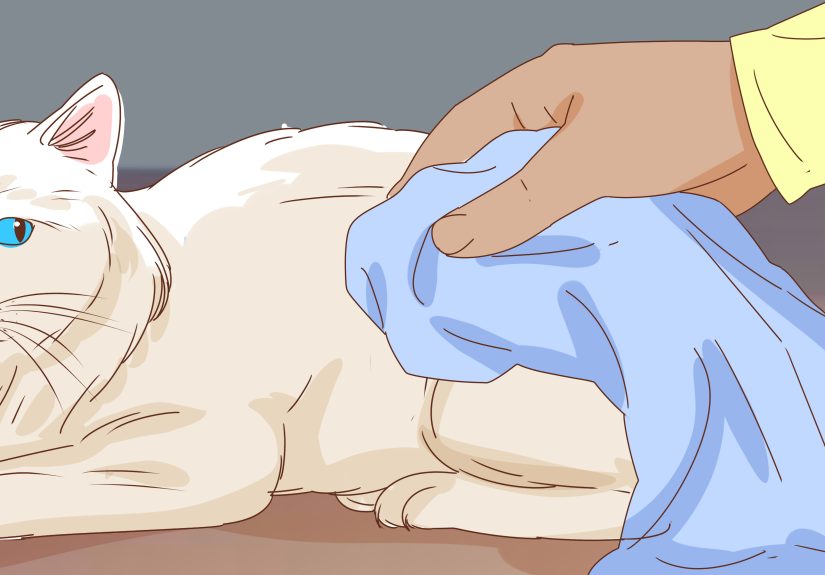
Wrap your cat in a dry towel as soon as rinsing is done. Blot rather than rub hard, especially if the skin is irritated. Swap in a second towel if the first one becomes soaked. Keep your cat in a warm, draft-free room until fully dry. Some cats tolerate a low, quiet dryer from a distance, but many do not. Unless your cat is unusually chill, towels are the wiser choice.
Step 12: Reward the survivor, then decide whether you should ever do this again
Offer treats, quiet praise, and space. Let your cat regroup. Then evaluate honestly. Was the bath stressful but manageable, or did it turn into a full tactical incident? If your cat was highly aggressive, panicked, or impossible to handle safely, future baths should probably involve your veterinarian, a professional groomer, or a behavior-focused plan that starts long before the next water event.
If you got scratched or bitten, wash the area right away with soap and water. A puncture wound from a cat is not something to shrug off with heroic nonsense. Monitor it closely and seek medical advice if the skin was broken, the wound worsens, or you have any concern about infection or rabies status.
Common Mistakes That Turn a Bad Cat Bath Into a Legendary Bad Cat Bath
The first mistake is bathing too often. Cats are not dogs, and routine bathing can dry the skin and strip natural oils. The second is using the wrong product. Human shampoo, dog shampoo, strong scents, or essential-oil-heavy products can irritate or harm cats. The third is moving too fast. If you go from “cat on couch” to “fully lathered in sink” in 11 seconds, your cat may decide that trust was a scam.
Another classic error is using too much force. The more cornered a cat feels, the more likely they are to scratch, bite, twist, or panic. Minimal restraint, steady support, and quick execution work better than a wrestling match. Finally, many people keep going long after the cat has clearly told them this plan has failed. If your cat is escalating, stop. A partial clean today is better than a full trauma memory that ruins every future attempt.
When to Skip the DIY Bath and Call a Vet or Groomer
Some cats are simply not home-bath candidates, and that is not a moral failing on anybody’s part. Call for help if your cat is elderly and fragile, obese and difficult to support, arthritic, sick, heavily matted, recovering from surgery, or aggressive enough that you feel unsafe. Also call if the bath is needed because your cat got into a toxic substance, flea medication meant for dogs, motor oil, paint, or anything else unsafe to lick. In those cases, speed and professional guidance matter more than your desire to prove that you can handle it alone.
What Real Bath-Time Experience Usually Teaches People
In real homes, cat baths almost never look like the cheerful pet commercials. They look like improvisation, negotiation, and the sudden realization that a 10-pound cat can produce the emotional force of a weather system. People usually learn three big lessons after doing this once.
The first lesson is that preparation matters more than courage. People who go in “just winging it” often end up soaked, scratched, and shampoo-less halfway through. The owners who fare better are the ones who prepped towels, filled the water first, brushed the cat, and closed the door before the operation began. Bathing an angry cat is not won by bravery. It is won by logistics.
The second lesson is that what looks like anger is often fear, confusion, or sensory overload. A cat that suddenly hisses when water touches the back legs is not necessarily being mean. The cat may be overwhelmed by temperature, smell, slippery footing, restraint, or the loss of control. When people slow down, use a non-slip surface, keep one hand supportive, and work in a calmer rhythm, many cats stop escalating. Not every cat becomes happy, but a lot of cats become less convinced they are in mortal danger.
The third lesson is that “good enough” is often the correct goal. If your cat has poop stuck to the rear fur, you may not need a full-body bath worthy of a luxury grooming salon. A targeted rear-end cleanup may solve the actual problem with half the stress. The same goes for muddy paws, greasy patches, or one suspiciously crunchy area on the flank. Owners often discover that a strategic partial bath, a damp cloth, pet wipes, or a vet-approved waterless product can spare everyone a lot of drama.
There are also different bath experiences depending on the cat. The senior cat with arthritis may resist because standing is uncomfortable, not because the cat hates you personally. The long-haired cat with mats may tolerate the water but panic at tangles being pulled. The cat with a skin condition may need repeated medicated baths, which makes positive reinforcement and a predictable routine even more important. Then there is the young healthy cat who only needs one emergency bath because he somehow rolled in something sticky and then tried to lick it off like a tiny chaos engineer.
People who handle these situations best usually stop trying to “win” the bath. Instead, they think in smaller goals: keep the cat steady, clean the problem area, rinse well, dry fast, reward immediately, and end on the earliest safe success. That mindset changes everything. Bath time becomes less of a showdown and more of a practical care task. Still annoying, yes. Still damp, absolutely. But no longer a gladiator event in a porcelain arena.
Final Thoughts
If you need to bathe an angry cat, your best tools are planning, patience, and low-stress handling. Most cats do not need regular baths, but when one is necessary, a calm setup, lukewarm water, cat-safe shampoo, quick rinsing, and plenty of rewards can make the process safer for both of you. And if your cat makes it abundantly clear that home bath time is a terrible idea, believe the cat. Sometimes the smartest move is to hand the job to a professional and keep your relationship, skin, and bathroom curtain intact.