Table of Contents >> Show >> Hide
- 1. Your Retina Is Basically a Visible Extension of the Brain
- 2. Your Pupils Reveal What Your Nervous System Is Up To
- 3. The Blood Vessels in Your Eyes Can Reflect the State of Blood Vessels Elsewhere
- 4. Yellowing in the Whites of the Eyes Can Signal Trouble With Bilirubin
- 5. Pale Inner Eyelids Can Hint at Anemia
- 6. Bulging or Irritated Eyes Can Be Linked to Autoimmune Thyroid Disease
- 7. Diabetes Can Damage the Eye Long Before Vision Feels “Off”
- 8. Dry Eyes Can Reflect More Than Screen Time
- 9. Eye Color Is a Genetics Story, Not a Simple Brown-Versus-Blue Trick
- 10. Light Entering Your Eyes Helps Set Your Sleep-Wake Cycle
- What These Clues Really Mean
- Experiences That Show How Eyes Can Tell the Story First
- Conclusion
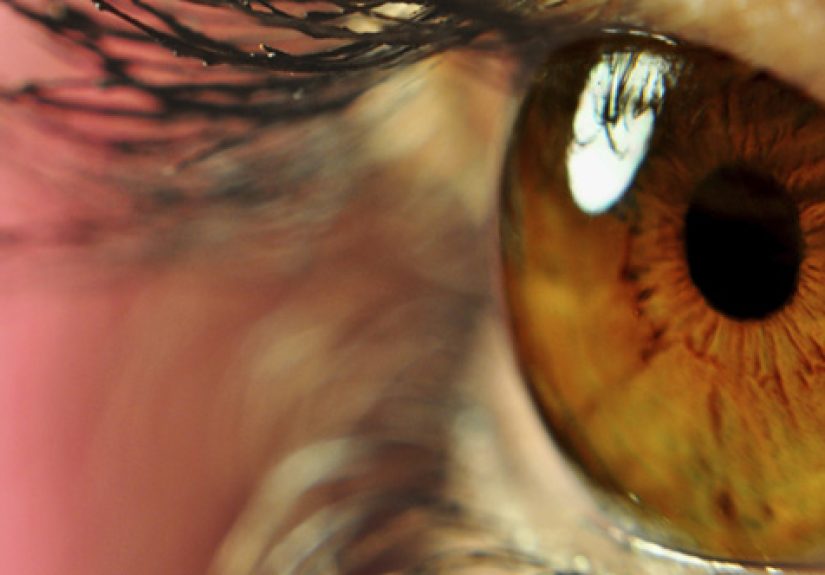
Your eyes do much more than help you find your phone, judge whether that avocado is ripe, or read the tiny print you definitely pretended to understand. They are also one of the most revealing parts of the human body. Doctors can learn a surprising amount from them because the eyes are packed with nerves, blood vessels, pigment cells, immune activity, and light-sensitive tissue that connect directly to the rest of your biology.
In other words, your eyes are not just cameras. They are messengers. They can reflect what your nervous system is doing, how your blood vessels are holding up, whether your hormones are shifting, and even whether your metabolism is under stress. That is part of the reason routine eye exams matter so much. Sometimes the eye is the first place where a bigger health story starts waving its arms and yelling, “Hey, maybe look over here.”
Below are 10 curious facts that show how the eyes can reveal deep truths about our biology, plus real-life style experiences that make these facts easier to recognize in the wild.
1. Your Retina Is Basically a Visible Extension of the Brain
One of the wildest facts in eye biology is that the retina is not just another body tissue. It is neural tissue, meaning it is part of the central nervous system. During development, the retina forms as an outgrowth of the brain. That makes the back of the eye one of the few places where doctors can look directly at nervous tissue without surgery.
This matters because the retina is packed with neurons that capture light, process visual information, and send signals through the optic nerve to the brain. It is a literal piece of your nervous system doing high-speed data processing all day long. That is why researchers often describe the eye as a “window to the brain.” When retinal tissue changes, it can sometimes reflect changes in the nervous system more broadly.
So yes, your eyes are stunning. But they are also brain-adjacent overachievers.
2. Your Pupils Reveal What Your Nervous System Is Up To
Pupils look simple. They get bigger in dim light and smaller in bright light. Very basic. Very tidy. But biologically, pupil size is controlled by the autonomic nervous system, the same system involved in heart rate, stress responses, and a long list of “your body is handling this behind the scenes” functions.
That means your pupils can change not only because of lighting, but also because of emotional arousal, mental effort, medication effects, and neurological changes. When people are startled, stressed, highly focused, or working hard on a cognitive task, their pupils often dilate. That is one reason pupillometry has become useful in research on attention, effort, and nervous system function.
In everyday life, this means your pupils may quietly react before your words catch up. Your face says, “I’m fine.” Your pupils say, “Absolutely not.” Biology can be rude like that.
3. The Blood Vessels in Your Eyes Can Reflect the State of Blood Vessels Elsewhere
The retina contains tiny blood vessels that can be examined directly during a dilated eye exam. That is incredibly useful because vascular changes in the eye may mirror what is happening in blood vessels throughout the body. Eye doctors may spot signs linked to high blood pressure, diabetes, vascular damage, or cholesterol-related problems by looking at the retina.
When blood pressure stays high over time, it can damage delicate retinal vessels. When diabetes is poorly controlled, it can injure those vessels even more dramatically. In some cases, changes seen in the eye become a clue that the cardiovascular system is under strain elsewhere too. That is why the eye is often described as the only place where clinicians can directly view living blood vessels without making an incision.
It is a little unsettling, but also impressive: your eyeballs may be quietly keeping the receipts for your circulation.
4. Yellowing in the Whites of the Eyes Can Signal Trouble With Bilirubin
The “white” of the eye is called the sclera, and when it turns yellow, that can be an important clue. This yellowing, often called scleral icterus, can happen when bilirubin builds up in the body. Bilirubin is a yellow pigment created when old red blood cells are broken down. Normally, the liver helps process and remove it.
If bilirubin levels rise, the skin and the whites of the eyes may take on a yellow tint. That can happen with jaundice and may point to liver problems, bile duct obstruction, certain blood disorders, or other medical issues. The eyes often make this change noticeable early because the contrast is so visible there.
In short, the sclera is not just hanging around for aesthetic balance. It can become an early visual alarm when pigment chemistry in the body shifts.
5. Pale Inner Eyelids Can Hint at Anemia
Doctors sometimes check the inside of the lower eyelid because it can offer a clue about blood health. When the inner surface looks unusually pale, clinicians may think about pallor, including conjunctival pallor, which can be associated with anemia.
Anemia happens when the body does not have enough healthy red blood cells or hemoglobin to carry oxygen effectively. People with anemia may also feel tired, weak, short of breath, dizzy, or generally drained in that “why does climbing stairs feel like a betrayal” kind of way.
Of course, pale eyelids alone do not diagnose anemia. Lighting, skin tone, and individual variation all matter. But this is a great example of how eye-related observations can point toward deeper biology. The eye does not replace a blood test, but it can raise the first eyebrow.
6. Bulging or Irritated Eyes Can Be Linked to Autoimmune Thyroid Disease
When the eyes appear to bulge, feel gritty, look unusually red, or seem more exposed than usual, doctors may think about thyroid eye disease, which is often associated with Graves’ disease. Graves’ disease is an autoimmune condition in which the immune system stimulates the thyroid gland abnormally. In some people, the same immune activity affects tissues around the eyes.
This can lead to swelling, eyelid retraction, irritation, light sensitivity, double vision, or a more prominent eye appearance. The biology behind it is fascinating and frustrating at the same time: immune misfiring in one system can create visible changes in another. The eyes end up becoming one of the most noticeable outward signs of an internal autoimmune disorder.
That is a powerful reminder that eye appearance is not always cosmetic. Sometimes it is immunology showing up uninvited.
7. Diabetes Can Damage the Eye Long Before Vision Feels “Off”
Diabetic retinopathy is one of the clearest examples of how the eyes reflect metabolism. High blood glucose can damage the tiny blood vessels in the retina, causing leakage, swelling, bleeding, or abnormal new vessel growth. The tricky part is that early diabetic retinopathy may not cause obvious symptoms at first.
That is why comprehensive dilated eye exams are so important for people with diabetes. A person can feel fine, see fairly well, and still have retinal changes underway. The eyes, in that sense, can reveal metabolic stress before daily vision makes a dramatic complaint.
There is something deeply biological about that. The retina is incredibly energy-hungry, richly vascularized, and sensitive to long-term sugar imbalance. It does not simply register light. It also registers how well the body is managing fuel.
8. Dry Eyes Can Reflect More Than Screen Time
Yes, staring at screens for hours can worsen dry eye symptoms. But dry eye is not always just a modern-life inconvenience caused by laptops, air conditioning, and forgetting to blink like a normal mammal. It can also reflect changes in tear production, inflammation, hormones, medications, and autoimmune disease.
Dry eye may be linked with menopause-related hormonal shifts, certain medications such as antihistamines or antidepressants, and autoimmune conditions such as Sjögren’s syndrome. In Sjögren’s, moisture-producing glands are targeted, often leading to dry eyes and dry mouth. That means the surface of the eye can act like a reporter for immune and hormonal balance.
So when someone says, “My eyes feel dry all the time,” the biology behind that symptom can be much more interesting than it sounds. Annoying? Definitely. Trivial? Not always.
9. Eye Color Is a Genetics Story, Not a Simple Brown-Versus-Blue Trick
Many people grow up hearing that eye color is controlled by one simple dominant-versus-recessive gene pattern. That version is neat, memorable, and incomplete. In reality, eye color is a complex trait influenced by multiple genes involved in the production, transport, and storage of melanin in the iris.
Brown eyes typically contain more melanin in the front layers of the iris, while blue eyes contain much less. But the underlying genetics involve more than one switch being flipped on or off. Genes such as OCA2 and regions near HERC2 play especially important roles, and many additional variants contribute to the wide range of shades and patterns people have.
This is why families can sometimes produce eye-color combinations that seem to defy schoolbook genetics. The iris is not breaking the rules. The rules were just more complicated than the classroom version.
10. Light Entering Your Eyes Helps Set Your Sleep-Wake Cycle
Your eyes do not just help you see the world. They also help your body tell time. Specialized retinal cells called intrinsically photosensitive retinal ganglion cells respond to light and help regulate non-image-forming functions such as pupil responses and circadian rhythms.
That means light entering the eye influences the body’s internal clock, helping regulate sleep and wake cycles and affecting broader biological functions tied to mood, digestion, and metabolism. This is one reason morning light exposure can be so helpful for sleep timing, and why poorly timed light at night can throw that system off.
So the eye is not merely a viewer. It is also a biological timekeeper. Your retina is out there helping run the schedule, whether you thank it or not.
What These Clues Really Mean
None of this means you should stare into the mirror, diagnose yourself, and declare that your pupils looked “a little philosophical” this morning. But it does mean the eyes are biologically rich and medically informative. They combine nerve tissue, vascular tissue, pigment biology, immune signaling, tear chemistry, and light detection in one visible place.
That is why regular eye exams can do more than protect vision. They may help catch silent disease, reveal systemic changes, and provide a fuller picture of health. The most useful lesson here is not fear. It is respect. Your eyes are not passive windows. They are active participants in the story of your biology.
Experiences That Show How Eyes Can Tell the Story First
Many people first realize the eyes reveal more than vision during ordinary moments. Someone goes in for a routine exam because their glasses feel slightly off, then learns the eye doctor sees blood vessel changes that suggest blood pressure has been running high. That person may have had no pain, no dramatic warning sign, and no obvious clue at home. The eyes were simply the first place the body’s vascular stress became visible.
Another common experience involves diabetes. A person may say their sight seems mostly fine, maybe just a little blurry now and then, especially when blood sugar fluctuates. During a dilated exam, early retinal changes show up before daily life has fully noticed them. That can be a shock, but it is also a gift. Catching diabetic eye disease early gives people a much better chance to protect their vision and improve overall health management before more serious damage develops.
Dry eye offers a different kind of experience. At first it often sounds small: burning, scratchiness, watery eyes, sensitivity to light, trouble wearing contacts, or that tired feeling after reading for too long. Many people assume it is just too much screen time, dry weather, or bad luck. Sometimes that is true. But for others, dry eye becomes the clue that leads to a bigger conversation about medications, hormonal shifts, autoimmune disease, or changes happening during midlife. The symptom feels local, but the biology may be systemic.
Then there are the moments that change how people see appearance itself. Someone may notice that a friend’s eyes seem more prominent than before, or that old photos show a clear difference in the eyelids and eye position. What looked at first like fatigue or stress turns out to be thyroid eye disease. In cases like that, the eyes are not just reflecting mood or age. They are reflecting immune-driven inflammation around the orbit.
Even eye color becomes meaningful in personal experience. Parents often watch a baby’s eye color shift during the first months of life and treat it like a fun mystery. Later, in school, people may discover that the old “one gene decides everything” explanation never really matched what they saw in real families. The eyes become an early lesson that human genetics loves complexity and laughs at oversimplified charts.
And then there is the experience almost everyone has had without naming it: after a sleepless night, a long day indoors, or too much bright light at the wrong time, the eyes feel off and the whole body follows. That is circadian biology in action. The eyes are not only sensing the environment; they are helping the body adjust to it. When we pay attention to that connection, eye health starts to look less like a narrow specialty and more like a guided tour of being human.
Conclusion
The eyes reveal far more than whether you need stronger reading glasses or should stop pretending restaurant menus are printed in a reasonable font. They can reflect the health of your brain tissue, blood vessels, metabolism, immune system, hormone balance, genetics, and body clock. That is what makes eye biology so fascinating. The same organ that lets you admire a sunset can also quietly report on circulation, inflammation, and sleep timing.
If there is one takeaway worth keeping, it is this: eye changes are not always “just an eye thing.” Sometimes they are a clue to something broader, and sometimes that clue appears before other symptoms become obvious. Respect your annual eye exam. It is one of the few health checkups where a doctor can literally look inside your body and gather useful information in real time. Your eyes are not gossiping exactly, but they are definitely not keeping all your secrets.