Table of Contents >> Show >> Hide
- The Proposal Plan: Scenic Views, Big Feelings… and Zero Snacks
- Why Hunger Turns People Into Emotionally Unreliable Narrators
- Why Proposals Are Extra Vulnerable to “Small” Problems
- So… Who “Ruined” the Proposal?
- The Snack-Proof Proposal Playbook
- If You’re the Hungry One: How to Handle Big Moments Without Melting Down
- If You’re the Proposer: The Most Romantic Thing Might Be a Cheeseburger
- The Big Takeaway: Love Isn’t a MomentIt’s the Care Around the Moment
- Bonus: 500 More Words of “Fries First” Real-Life Experience (Because This Happens Everywhere)
Romance is fragile. Not in a “true love can’t survive” waymore in a “true love can be temporarily held hostage by an empty stomach” way.
Because sometimes the biggest threat to a dreamy engagement moment isn’t a thunderstorm, a lost ring box, or the waiter loudly asking, “IS THIS FOR A PROPOSAL?” across the dining room. Sometimes it’s something far more powerful: hanger (that delightful combo of hungry + angry), arriving with the subtlety of a marching band.
That’s the energy behind the viral-style headline: “Needed fries more than a fiancé.” It’s funny, surebut it’s also a surprisingly useful relationship lesson wrapped in a grease-stained napkin. Let’s unpack what happened, why hunger flips the emotional switch, and how to plan an engagement (or any big relationship moment) without letting “no snacks” become the villain of your love story.
The Proposal Plan: Scenic Views, Big Feelings… and Zero Snacks
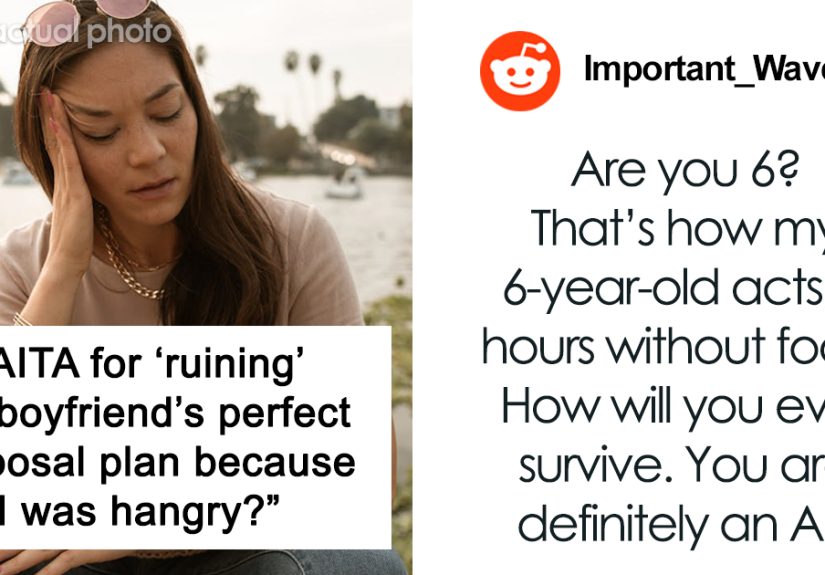
Here’s the situation as it’s been shared and reshared online: a boyfriend plans a romantic proposal moment during an outdoor walkbasically the “cinematic montage” version of getting engaged. The timing is tight (“we have to go right now or we’ll miss the moment”), the location is beautiful, and the intention is sweet.
There’s just one issue: it’s dinner time, and his girlfriend is starving.
She doesn’t want to push forward without food. He gets quiet. They leave. They get burgers instead. Later, he reveals he was going to propose… and he’s upset because she “ruined the moment.” Meanwhile, she’s thinking: You planned a full-on hike during dinner hours and brought no snacks. Do you even know me?
Friends split into two camps:
- Team Romance: “Why couldn’t you just go along with it for a little bit?”
- Team Fries: “If he wanted the perfect moment, he should’ve packed a granola bar like an adult.”
And the internet does what it always does: turns a couple’s awkward Tuesday into a cultural debate about empathy, expectations, and whether “hangry” should be recognized as a legally protected emotional state.
Why Hunger Turns People Into Emotionally Unreliable Narrators
Before we judge anyone (or crown fries as the true soulmate), it helps to understand what hunger does to the human brain and mood. “Hangry” isn’t just a memeit’s a real, studied phenomenon tied to biology and context.
1) Your brain runs on fueland it gets dramatic when the tank is empty
When you haven’t eaten for a while, your blood glucose (blood sugar) can drop. Glucose is a major energy source for your body, including your brain. If your brain is under-fueled, emotional regulation can get harder, and little things can start to feel like personal attacks.
Medical sources describe irritability as a possible symptom when blood sugar gets too low. That doesn’t mean every annoyed person needs medical attentionbut it does mean hunger can legitimately mess with mood and focus.
2) Hunger can kick off a stress-hormone chain reaction
When your body senses you’re running low on fuel, it may release hormones associated with stress and “fight-or-flight.” That can translate into feeling edgy, impatient, or more reactive than usualespecially if you’re also tired, overheated, or stuck in a “we have to go right now” situation.
3) “Hangry” is not only about biologyit’s also about interpretation
Here’s the twist: research suggests hunger alone isn’t always enough to create anger. Context matters. If you’re hungry and something frustrating happenslike being rushed, missing dinner, or feeling unheardyour brain can slap a label on that uncomfortable internal state and file it under “ANGER,” “IRRITATION,” or “WHY ARE YOU LIKE THIS?”
In other words, hunger supplies the raw emotional ingredients, and the situation decides the recipe. Put hunger in a negative context, and it’s much more likely to bake into “hangry.”
4) Studies back the everyday reality: hunger links to anger and irritability
Real-world research tracking people day-to-day has found that higher self-reported hunger is associated with higher anger and irritability (and lower pleasant feelings). That aligns with what most of us already know from personal experience: you can be a good person and still become a cartoon villain if you skip lunch.
Why Proposals Are Extra Vulnerable to “Small” Problems
A proposal is a big emotional moment. Even when both partners expect marriage eventually, the moment is still loaded: surprise, anticipation, nerves, symbolism, photos, family opinions, and the pressure to make it “perfect.”
That pressure creates a weird setup where tiny practical issues can become enormous:
- Hunger becomes “you don’t care about me.”
- A delayed reservation becomes “nothing ever works out.”
- A missed sunset becomes “I ruined everything.”
Planning resources for proposals often emphasize being prepared, thinking through logistics, and staying flexible. Translation: you can have a plan, but you can’t treat your partner like a prop in your plan. Also, you should probably know when they last ate.
The “perfect moment” myth
The romantic fantasy says: one perfect scene, one perfect line, one perfect photo, one perfect kneel, one perfect yes. Real life says: someone’s phone battery is at 6%, there’s a mosquito the size of a helicopter, and your partner is thinking about fries with the intensity of a poet.
Planning advice tends to land on the same core idea: tailor the proposal to your partner, prepare what you want to say, and be ready to pivot if the moment isn’t right. That pivot skill matters more than the location.
So… Who “Ruined” the Proposal?
Let’s be honest: the word “ruined” is doing way too much here. Nobody set out to sabotage anything. This isn’t a villain story. It’s a classic case of competing needs colliding at the worst possible time:
- He needed: the plan to go smoothly, because he’d built up the courage and the timing mattered.
- She needed: food, because her body was basically filing a missing-person report for dinner.
Where it went off the rails wasn’t the hunger itselfit was the disconnect:
- He prioritized the “moment” over her basic comfort.
- She experienced being rushed and unheard while already hungry.
- Both probably felt disappointedjust for different reasons.
And here’s the key relationship insight: big gestures don’t cancel out small care. You can plan a gorgeous proposal and still forget the part where your partner is a living human who requires calories to remain pleasant.
The Snack-Proof Proposal Playbook
If you’re planning a proposal (or honestly, any high-stakes relationship conversation), consider this your practical checklistbecause love is sweet, but logistics are the foundation.
Step 1: Cover the basics (yes, like a road trip)
- Food: Eat first or bring snacks. Not “maybe later” snacksreal snacks.
- Water: Dehydration can also make people cranky.
- Bathroom: If you’re hiking, don’t pretend this isn’t relevant.
- Comfort: Shoes, weather, timing, and pace should match your partner, not your Pinterest board.
Step 2: Build flexibility into the plan
Planning advice from wedding and engagement experts often highlights flexibility for a reason. If your partner is stressed, hungry, or clearly not enjoying the setup, you don’t “push through.” You pivot. You can propose an hour later. You can propose tomorrow. You can propose at home with takeout and still have an amazing story.
Step 3: Make the moment about the relationship, not the production
A memorable proposal usually has one ingredient that beats all the others: personalization. It’s not about fancyit’s about you two. Private jokes. Shared memories. The “oh wow, you get me” feeling.
Step 4: If you want the surprise, don’t weaponize it
Surprise is supposed to be delightful, not controlling. If your partner says, “I need to eat,” that’s not “ruining your surprise.” That’s them communicating a need. The goal is a happy engagementnot winning an award for sticking to a schedule.
If You’re the Hungry One: How to Handle Big Moments Without Melting Down
Let’s say you’re in her shoes. You feel yourself getting irritable. Your patience is shrinking. Your internal monologue sounds like a reality TV narrator. Here’s a smoother way to handle it:
- Name it: “I’m hungry and getting cranky. I don’t want to snap at you.”
- Offer a quick fix: “Can we grab something fast or snack for five minutes?”
- Assume good intent (until proven otherwise): Even if your partner is being weird, they might be nervous or hiding something.
Also: if you have symptoms that feel intense (shakiness, sweating, dizziness, confusion, or severe irritability), take it seriouslyespecially if you haven’t eaten. That’s not about “being dramatic.” That’s your body asking for help.
If You’re the Proposer: The Most Romantic Thing Might Be a Cheeseburger
This is where we lovingly roast the boyfriendnot because he’s evil, but because he committed the oldest planning mistake on earth: he forgot the human factor.
If you’re proposing, here are your “don’t learn the hard way” rules:
Rule #1: Never schedule romance on an empty stomach
Proposals are emotional events. People cry. People shake. People forget their own names. Add hunger and you’ve basically created a live-action stress test. Feed your partner. Feed yourself.
Rule #2: Don’t interpret needs as rejection
When someone says, “I need food,” they are not saying, “I don’t love you.” They’re saying, “My body is doing body things.” Treating that as sabotage is how small problems become big fights.
Rule #3: Practice what you want to saybut keep it human
Yes, a proposal speech can be prepared. But the best lines aren’t perfectthey’re honest. Think about what you love, why you’re choosing this person, and what kind of life you want together. If you include a private joke and your partner laughs through happy tears, congratulations: you just won romance.
Rule #4: Your plan should include a “Plan B”
Weather changes. Reservations get weird. Your partner gets hangry. Your secret photographer gets stuck in traffic. Build a backup that still feels special, even if it’s just, “We’ll do it at home after dinner.”
The Big Takeaway: Love Isn’t a MomentIt’s the Care Around the Moment
The funniest part of the “needed fries more than a fiancé” story is that it’s relatable. And the best part is that it’s fixable. If your relationship can’t survive a snack-related misfire, the proposal isn’t the problem. But if you can laugh, apologize, learn, and try again? That’s actually a great sign.
Because the goal isn’t a flawless engagement story. The goal is a partnership where both people feel seenwhether they’re making a life commitment or just trying to make it to dinner without turning into a goblin.
Plan the romance. Pack the snacks. And remember: sometimes the most loving sentence you can say is “I brought fries.”
Bonus: 500 More Words of “Fries First” Real-Life Experience (Because This Happens Everywhere)
Even if you’ve never had a proposal go sideways, you’ve probably had a big moment get derailed by a small physical need. Hunger is the classic culprit, but it’s really part of a bigger category: basic needs turning into emotional smoke signals. And once you start noticing it, you see it everywhere.
The “We’re Late, So We’re Rude” Trap
Picture a couple rushing to meet friends. One person skipped lunch. The other person is stressed about being late. They’re not actually mad at each otherthey’re mad at the universe, the traffic, and the fact that their stomach is chewing on itself. But because humans love a storyline, the brain turns it into: “Why are you doing this to me?” That’s how a normal day becomes a dramatic episode with no commercial breaks.
The fix is rarely complicated. It’s usually: stop, breathe, eat something, and restart the conversation with your brain back online. It’s not glamorous, but neither is arguing in the car over who “always” makes you late while your blood sugar is somewhere near basement level.
The “Big Surprise, Big Nerves” Combo
Surprises make people act strange. A proposer might be unusually quiet because they’re terrified. A partner might feel anxious because something seems “off.” Now add hunger. Suddenly that silence doesn’t feel like nervesit feels like annoyance. The anxious brain fills in the gap: “Are they mad at me?” Meanwhile the proposer is thinking: “I’m about to ask the biggest question of my life and my voice has left the chat.” Two people, two stress spirals, one missing snack.
The Vacation Version: “Why Are We Fighting in Paradise?”
Nothing reveals the power of basic needs like travel. You’re in a beautiful place. You’re supposed to be happy. Yet you’re snapping at each other in a museum gift shop because you walked six miles, it’s 3 p.m., and you’re running on iced coffee and optimism. If you’ve ever wondered how couples fight on vacation, it’s often not because they’re incompatible. It’s because they’re hungry, tired, overstimulated, and pretending those things don’t count.
That’s why the “fries before fiancé” lesson is actually kind of wise: take care of the body and the emotions become easier to handle. It doesn’t solve every relationship issuebut it prevents the unnecessary ones.
The “Repair Attempt” That Saves the Night
Here’s the best-case scenario for our proposal couple: they both cool down, they both admit their part, and they turn it into a shared joke. He learns that timing a proposal during dinner hours without snacks is like planning a beach day without sunscreen. She learns that when someone is rushing for “a moment,” it might be because they’re nervous and trying to get it right. They agree on a do-overwith a snack plan this time. That’s not a failure. That’s relationship skill-building with a side of fries.
So if you’re planning a proposal, a tough conversation, a big surprise, or even just a “let’s have a serious talk” evening: eat first. It’s not unromantic. It’s strategic affection. And honestly, nothing says “I want a future with you” like caring whether your partner is physically okay in the present.