Table of Contents >> Show >> Hide
- Why Approaching Someone at Work Requires Extra Respect
- 11 Simple Ways to Approach a Girl Working at a Store
- 1. Make Sure the Timing Is Appropriate
- 2. Start With a Normal Store-Related Question
- 3. Be Friendly Without Overdoing It
- 4. Respect That Customer-Service Friendliness Is Not Flirting
- 5. Keep the Conversation Short
- 6. Give a Genuine, Non-Creepy Compliment
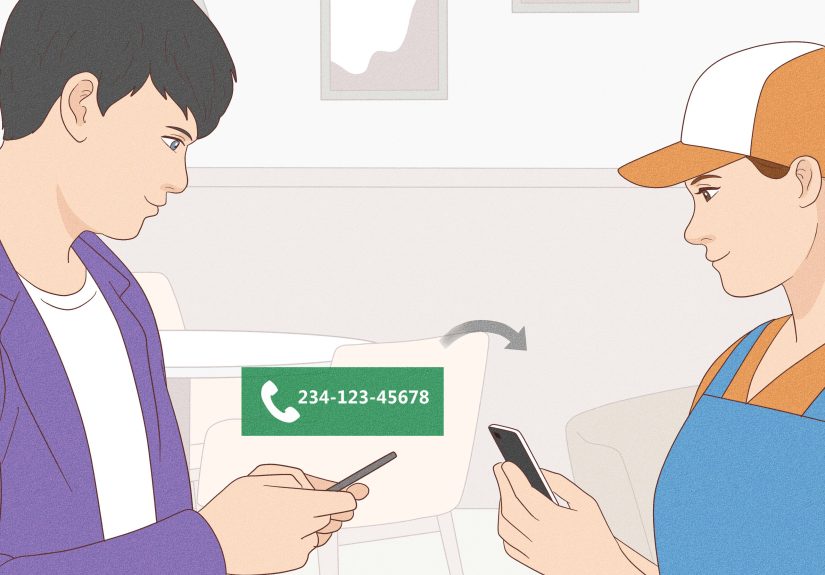
- 7. Offer Your Number Instead of Asking for Hers
- 8. Do Not Corner, Follow, or Wait Around
- 9. Pay Attention to Body Language and Verbal Cues
- 10. Accept Rejection Like a Grown-Up
- 11. Know When Not to Approach at All
- What to Say: Simple Scripts That Feel Natural
- What Not to Say When Approaching a Girl at Work
- How to Tell If She Might Be Interested
- How to Make the Interaction Comfortable for Her
- Why Confidence Is Not the Same as Pressure
- Experience-Based Advice: What This Situation Feels Like in Real Life
- Conclusion
Approaching someone you find attractive can already feel like trying to solve a Rubik’s Cube while your palms are doing their own weather system. Approaching a girl working at a store adds another layer: she is not just “standing there looking cute.” She is doing her job, helping customers, watching the clock, following store policies, and possibly wondering whether she remembered to restock aisle five.
That does not mean you can never say hello. It means the golden rule is simple: be polite, brief, respectful, and ready to walk away gracefully. The best way to approach a girl working at a store is not with a dramatic pickup line, a long speech, or a romantic monologue worthy of a movie trailer. It is with basic manners, emotional intelligence, and a clear understanding that her comfort matters more than your curiosity.
This guide covers 11 simple, respectful ways to start a conversation with a woman working in a store, how to read the situation, what to say, what not to say, and how to leave without turning a five-second interaction into a cautionary tale. For clarity, this article is about approaching an adult woman, not a minor. If there is any doubt about her age, do not pursue anything romantic.
Why Approaching Someone at Work Requires Extra Respect
Before we get into the 11 tips, let’s talk about the setting. A store employee is in a customer-service role. Her job may require her to smile, answer questions, and be friendly. That friendliness is not automatically flirtation. It may simply be professionalism with a name tag.
This matters because there is a power imbalance in the moment. You can leave whenever you want. She may not be able to. She may feel pressure to remain polite even if she is uncomfortable. That is why your approach should be low-pressure, short, and easy for her to decline.
Healthy communication depends on boundaries, clear signals, and respect. In this context, “respect” means you do not block her path, interrupt her work, demand her time, ask personal questions too quickly, or return repeatedly after she has shown disinterest. The smoothest approach is the one that gives her full freedom to say yes, no, or nothing at all.
11 Simple Ways to Approach a Girl Working at a Store
1. Make Sure the Timing Is Appropriate
Timing is everything. If she is ringing up a long line of customers, carrying boxes, helping a manager, handling a complaint, or speed-walking like the store is on fire, that is not the moment. A rushed employee is not thinking, “Ah yes, romance has arrived between barcodes.” She is probably thinking, “Please let this shift end peacefully.”
Look for a calm moment. Maybe the store is quiet, she is restocking slowly, or she has just finished helping you. Even then, keep it brief. A simple “Thanks for your help” or “Hope your shift is going well” can be enough to test the conversational waters.
If she responds warmly and continues the conversation, you may have room to say one more thing. If she gives a short answer, looks away, returns to work, or seems distracted, take the hint and let her be.
2. Start With a Normal Store-Related Question
A natural opening is better than a forced one. Since you are in a store, start with something related to the store. Ask where an item is, whether a product is in stock, or if she recommends one option over another.
For example, you might say:
“Hi, do you know where I can find the phone chargers?”
Or:
“I’m choosing between these two candles. Is one less likely to make my apartment smell like a cupcake exploded?”
A light, harmless question can create a small moment of connection without making the interaction awkward. The key is to be genuine. Do not pretend to need help for 25 minutes just to keep her talking. That is not charming; that is turning shopping into a hostage situation.
3. Be Friendly Without Overdoing It
A smile, relaxed tone, and polite greeting go a long way. You do not need to perform like a contestant on a dating show. In fact, trying too hard often makes the interaction feel less natural.
Use simple language. Say hello. Make eye contact briefly, but do not stare. Keep your body language open and casual. Give her personal space. If you are standing too close, step back. Nobody wants to be flirted with from inside their oxygen bubble.
A good approach might sound like:
“Hey, thanks for helping me. You’ve been really kind.”
That is enough. A sincere compliment about her helpfulness, style, or energy can be fine, but avoid comments about her body. “You have a great smile” is already more personal, so use caution. “Your body is amazing” is not a compliment in this context; it is a fast pass to the security camera highlight reel.
4. Respect That Customer-Service Friendliness Is Not Flirting
This is one of the most important rules. Store workers are often trained to be warm, upbeat, and helpful. They may laugh at your joke because they are friendly, not because they want your number. They may ask how your day is because customer service requires it, not because destiny has entered aisle seven.
Look for more than basic politeness. Is she asking you questions that are not required for the sale? Does she seem relaxed? Does she continue the conversation after the store-related topic is over? Does she smile naturally rather than professionally? Even then, do not assume too much.
The safest mindset is: “She is being nice. I will be nice back. If I sense real mutual interest, I can offer my number once and leave the choice to her.”
5. Keep the Conversation Short
When someone is working, less is more. A brief conversation shows confidence and respect. A long conversation may make her feel trapped, especially if she has tasks to finish or a manager nearby.
A good interaction might last 30 seconds to two minutes. That is enough time to ask a question, share a quick joke, thank her, and maybe make a respectful closing move if the vibe feels right.
For example:
“Thanks for helping me find this. I don’t want to keep you from work, but I enjoyed talking with you.”
This line does two useful things. It acknowledges her time, and it gives her space. If she seems interested, she may continue. If not, you have already created a graceful exit.
6. Give a Genuine, Non-Creepy Compliment
Compliments can work when they are specific, respectful, and not overly intimate. The best compliments in this situation focus on something she chose or did, not her body.
Good examples include:
“You have a really positive energy.”
“You explained that really clearly. Thank you.”
“Your style is cool. That jacket is great.”
Risky or inappropriate examples include:
“You’re too pretty to work here.”
“I’ve been watching you since I came in.”
“You look like my future wife.”
The first group feels human. The second group feels like she may need to hide in the break room. A compliment should make her feel appreciated, not inspected.
7. Offer Your Number Instead of Asking for Hers
If the conversation has gone well and she seems genuinely engaged, the most respectful move is to offer your number instead of asking for hers. This matters because asking for her phone number puts her on the spot while she is at work. She may feel awkward saying no.
Offering your number gives her control. She can text later if she wants to. If she does not, no pressure.
You might say:
“I know you’re working, so no pressure at all. I enjoyed talking with you. If you’d ever like to grab coffee, I can leave you my number.”
Then pause. If she says yes, write it down or hand her a simple note. If she hesitates, says she has a boyfriend, says store policy does not allow it, or gives any kind of no, smile and say:
“No worries at all. Have a good day.”
That response is attractive because it shows maturity. Also, it prevents the awkward sequel nobody asked for.
8. Do Not Corner, Follow, or Wait Around
This should be obvious, but it needs to be said. Never block her path, follow her around the store, wait outside after her shift, or hang around the register hoping for another chance. Those behaviors can feel intimidating, even if you think your intentions are harmless.
Physical space matters. Stand where she can easily move away. Keep your hands to yourself. Do not touch her arm, shoulder, back, or hand. In a workplace setting, even small physical contact can feel invasive.
If she walks away to help another customer or continue her work, let the interaction end. Do not chase the conversation. A respectful exit is better than a forced continuation.
9. Pay Attention to Body Language and Verbal Cues
Communication is not just words. Facial expression, tone, posture, and movement all matter. If she looks uncomfortable, gives short answers, avoids eye contact, turns her body away, keeps working without engaging, or says she is busy, that is your cue to stop.
Positive signs may include relaxed eye contact, smiling that seems natural, asking follow-up questions, laughing comfortably, or continuing the conversation when she does not have to. But even positive body language is not permission to push. It is only a possible sign that a brief, respectful interaction is welcome.
Think of signals like traffic lights. Green means proceed carefully. Yellow means slow down. Red means stop. There is no secret fourth light called “try harder.”
10. Accept Rejection Like a Grown-Up
Rejection is not an emergency. It is part of life. If she says she is not interested, mentions a partner, avoids the topic, or simply does not contact you after you leave your number, accept it. Do not ask why. Do not argue. Do not try to convince her. Do not return to the store repeatedly to “check.”
The best response is simple:
“No problem. Thanks anyway. Have a good one.”
That is it. No sarcasm. No wounded pride. No “your loss.” Being respectful when you do not get what you want is one of the clearest signs of character. It also keeps the store from becoming emotionally haunted every time you need toothpaste.
11. Know When Not to Approach at All
Sometimes the best move is no move. Do not approach her romantically if she looks stressed, very young, upset, overwhelmed, or clearly uninterested. Do not approach if you are angry, drunk, overly persistent, or trying to prove something to your friends. Do not approach if you cannot handle a polite no.
Also avoid approaching if you are a regular customer and she has never shown any personal interest. Repeated attempts can make her workplace uncomfortable. If you visit the store often, be extra careful. She should not have to dread your arrival because you turned every checkout into episode 14 of “Will He Ask Again?”
Respect includes knowing when silence is the kindest option. Sometimes you can simply appreciate someone’s beauty, kindness, or style and continue with your day. Not every spark needs a speech.
What to Say: Simple Scripts That Feel Natural
If you are nervous, a short script can help. The goal is not to sound rehearsed. The goal is to avoid panic-speaking something like, “You work here often?”
If You Only Want to Start Light Conversation
“Hi, quick question. Do you know where I can find the notebooks?”
“Thanks for helping me. This store is bigger than my life plans.”
“You’ve been really helpful. I appreciate it.”
If the Conversation Feels Warm
“I don’t want to keep you from work, but you seem really easy to talk to.”
“I enjoyed chatting with you. Thanks for being so kind.”
“You have a great vibe. I hope your shift goes smoothly.”
If You Want to Offer Your Number
“No pressure at all, and I know you’re working, but I enjoyed talking with you. If you’d like to get coffee sometime, I can leave you my number.”
“I’ll get out of your way, but I’d be happy to give you my number if you’d ever like to talk outside work.”
“Totally fine if not, but I thought you seemed cool. Would it be okay if I left my number?”
What Not to Say When Approaching a Girl at Work
Some lines should be retired immediately and placed in a museum labeled “Please Don’t.” Avoid anything that comments on her body, pressures her, questions her relationship status aggressively, or makes her feel watched.
Do not say:
“When do you get off?”
“I know you’re working, but give me your number.”
“Why won’t you talk to me?”
“Your boyfriend doesn’t have to know.”
“I come here just to see you.”
Even if you mean something innocently, consider how it may sound to someone who cannot easily leave the situation. A good rule: if the line would sound creepy when read out loud in a courtroom transcript, do not say it.
How to Tell If She Might Be Interested
There is no perfect formula, but there are signs that may suggest interest. She may ask your name, remember details from a previous brief conversation, laugh naturally, ask non-work-related questions, or seem genuinely happy to talk when the store is not busy.
Still, interest should never be assumed. A friendly employee may simply be excellent at her job. That is why offering your number once is better than trying to decode every smile like it is a secret government file.
If she contacts you later, great. If she does not, accept the answer. Silence is also information.
How to Make the Interaction Comfortable for Her
The best approach is one that gives her choices. Keep your tone calm. Stand at a respectful distance. Avoid blocking exits or aisles. Do not involve her coworkers. Do not embarrass her in front of customers. Do not make a grand gesture.
Also, be mindful of store policies. Some employees may not be allowed to accept personal notes, give out personal information, or chat with customers for long. If she says, “I can’t,” believe her. Do not ask if she can break the rule “just this once.” That turns a simple interaction into workplace stress.
Why Confidence Is Not the Same as Pressure
Many people confuse confidence with boldness. Real confidence is not pushing harder. Real confidence is being comfortable with any outcome. It sounds like, “I would enjoy talking to you, but I respect your choice.” Pressure sounds like, “Come on, just give me a chance.”
Confidence makes people feel safe. Pressure makes people look for the nearest manager. If you can approach with kindness and leave with dignity, you are already ahead of most people who think flirting means refusing to read the room.
Experience-Based Advice: What This Situation Feels Like in Real Life
In real life, approaching a girl working at a store usually goes best when you treat the moment as a small human interaction first, not a romantic mission. The most successful experiences often begin with ordinary kindness. A customer asks a simple question, listens to the answer, thanks the employee, and notices whether the conversation naturally continues. There is no pressure, no awkward staring, and no attempt to create a “movie moment” between the cereal display and the clearance rack.
One common experience is that a brief, respectful compliment can make someone’s day, even if it does not lead anywhere. For example, saying, “You were really helpful, thank you,” can feel refreshing to a store worker who has spent hours dealing with impatient customers. It shows appreciation without forcing anything personal. If she smiles and continues chatting, you may gently continue. If she simply says, “You’re welcome,” and turns back to work, that is the natural end. Smooth exits are underrated. They are the social equivalent of parallel parking perfectly on the first try.
Another real-world lesson is that nervousness is normal, but overcompensating can make things weird. Some people get nervous and start talking too much. They explain their whole day, their shopping list, their dog’s personality, and their unresolved feelings about high school. A better approach is to slow down. Say less. Smile. Ask one question. Let the other person have room to respond. Conversation is not a solo performance; it is a tennis match. If you serve 47 balls at once, nobody has fun.
People who have worked retail often say the most uncomfortable interactions happen when customers do not recognize that the employee is stuck in a role. A worker may not want to be rude, especially when managers, cameras, or customers are nearby. That is why offering your number is usually more considerate than asking for hers. It gives her privacy and time. She can decide later, outside the pressure of the checkout counter. If she never texts, that is a complete answer. Do not visit again just to ask whether she lost the note. She did not lose it. The universe has spoken softly.
Another useful experience-based tip is to keep repeat visits normal. If you go back to the store, act like a regular respectful customer, not a detective returning to the scene. Say hello if appropriate, shop normally, and do not bring up the number unless she does. If she is interested, she will find a way to show it. If she is not, your maturity will keep the environment comfortable for both of you.
The best experiences come from remembering that attraction is not a permission slip. You can admire someone and still prioritize their comfort. You can be interested and still be patient. You can take a chance and still accept a no. That balance is what makes an approach feel respectful rather than intrusive.
Conclusion
Approaching a girl working at a store is not about having the perfect line. It is about having the right attitude. Be polite, choose the right time, keep the conversation short, respect her workplace, offer your number instead of demanding hers, and accept any response with grace.
The most attractive thing you can bring into the interaction is not a clever joke or a flawless outfit. It is respect. When you show that you care about her comfort as much as your own interest, you create the only kind of approach worth making: one where both people feel free, safe, and human.