Table of Contents >> Show >> Hide
- First, Is Baking Soda Good for Pimples?
- 5 Ways to Get Rid of Pimples with Baking SodaThe Safer Version
- 1. Use Baking Soda as a One-Time Patch Test, Not a Daily Face Mask
- 2. Use Baking Soda to Clean Makeup Brushes and Beauty Tools
- 3. Use Baking Soda in Laundry for Pillowcases, Towels, and Hats
- 4. Use Baking Soda to Remove Product Buildup from Non-Skin Items
- 5. Use Baking Soda as a Reminder to Choose Gentler Acne Treatments
- What to Avoid When Using Baking Soda for Acne
- Better Alternatives to Baking Soda for Pimples
- When to See a Dermatologist
- Experience Notes: What People Often Learn After Trying Baking Soda for Pimples
- Conclusion
- SEO Tags
Baking soda has been the star of many home-remedy legends. It cleans sinks, rescues cookies, deodorizes sneakers, and somehow got invited to the acne conversation wearing a tiny lab coat. But before you turn your face into a science-fair volcano, let’s be honest: baking soda is not a dermatologist’s first-choice acne treatment. It is alkaline, while healthy skin is naturally slightly acidic. That mismatch can leave the skin barrier cranky, dry, tight, red, or more breakout-prone.
So, can baking soda help pimples? Sometimes, indirectly. The safest approach is not to treat baking soda like a miracle spot treatment. Instead, use it carefully, sparingly, and mostly around your acne routine rather than as the main event. Pimples form when pores become clogged with oil, dead skin cells, and bacteria, often with inflammation joining the party like an uninvited guest. Proven over-the-counter acne ingredients such as benzoyl peroxide, salicylic acid, sulfur, and adapalene are better supported than baking soda for actually treating breakouts.
This guide explains five practical, cautious ways people may use baking soda in a pimple-fighting planwithout pretending your pantry is a dermatology clinic. If your acne is painful, cystic, spreading, leaving scars, or not improving after several weeks of gentle care, it is time to ask a dermatologist for help.
First, Is Baking Soda Good for Pimples?
Baking soda, also known as sodium bicarbonate, is alkaline and mildly abrasive. Those two traits are why it can make a sink shine and also why your face may file a formal complaint. Acne-prone skin usually does better with consistency, gentle cleansing, non-comedogenic moisturizer, sunscreen, and acne ingredients that have been studied for pore-clogging and inflammation.
The biggest problem with using baking soda for pimples is pH. Skin has a protective acid mantle that helps maintain moisture and defend against irritation. Baking soda can raise the skin’s pH temporarily, and when the barrier is disrupted, pimples may look angrier instead of calmer. Think of your skin barrier as a bouncer at a club. Baking soda can distract the bouncer, and suddenly dryness, stinging, and irritation are dancing on the table.
That does not mean baking soda has zero place in your acne strategy. It means it should be handled like a strong seasoning: a tiny pinch, not the whole box.
5 Ways to Get Rid of Pimples with Baking SodaThe Safer Version
1. Use Baking Soda as a One-Time Patch Test, Not a Daily Face Mask
The internet loves a dramatic baking soda face mask. Your skin, however, may not be clapping. If you are determined to test baking soda on a pimple, the safest version is a tiny patch test on a small areanot a full-face mask and definitely not a daily ritual.
Mix a very small amount of baking soda with water until it becomes a thin, watery paste. Apply it to a small spot near the jawline or behind the ear first, not directly across your whole face. Leave it on briefly, rinse well, and wait 24 hours. If you notice burning, itching, redness, peeling, tightness, or more bumps, do not use it again. Your skin has spoken, and it did not whisper.
If your patch test is calm, you still should avoid using baking soda on open pimples, picked spots, raw skin, sunburned areas, or sensitive zones around the eyes and lips. It is also a poor match for people using retinoids, benzoyl peroxide, exfoliating acids, or prescription acne medication because the combination can increase irritation.
For most people, a proven spot treatment is a smarter choice. Benzoyl peroxide can help with inflamed pimples, while salicylic acid can help unclog pores. Baking soda may feel like a quick fix, but acne usually prefers boring consistency over dramatic pantry experiments.
2. Use Baking Soda to Clean Makeup Brushes and Beauty Tools
One of the best acne-related uses for baking soda is not on your face at all. Use it to help clean items that touch your face, such as makeup brushes, reusable puffs, tweezers, facial tool handles, and cosmetic cases. These items can collect oil, old makeup, dead skin, and bacteria. When they are pressed onto acne-prone skin, they can contribute to clogged pores and irritation.
To clean brushes, rinse the bristles with lukewarm water, add a gentle cleanser, and use a tiny pinch of baking soda only if there is stubborn buildup. Massage lightly, rinse thoroughly, reshape the brush, and let it air-dry flat on a clean towel. Do not soak the handle or metal ferrule, because water can loosen glue and turn your favorite brush into a shedding little broom.
This method helps support clearer skin indirectly. You are not “curing” pimples with baking soda; you are reducing the grime that may be making your acne routine work harder than necessary. It is like cleaning your phone screen before taking a selfie: not glamorous, but surprisingly useful.
For best results, wash makeup brushes at least once a week if you use them often. Sponges should be cleaned more frequently and replaced when they look stained, torn, or suspiciously ancient. If a sponge has been in your drawer long enough to have a personality, let it retire.
3. Use Baking Soda in Laundry for Pillowcases, Towels, and Hats
Pimples do not only happen because of what you put directly on your face. They can also be influenced by what touches your skin every day: pillowcases, towels, hoodie collars, sports helmets, headbands, hats, and workout clothes. These fabrics can trap sweat, oil, hair products, and residue. Baking soda can help deodorize laundry and reduce stubborn smells, making it useful for the acne-adjacent world of clean fabric.
Add a small amount of baking soda to the wash when laundering pillowcases, towels, gym clothes, or hats, following your washing machine’s instructions. Use fragrance-free detergent if your skin is sensitive. Avoid heavy fabric softeners on items that touch your face because they may leave residues that can bother acne-prone skin.
Change pillowcases two or three times per week if you are breaking out around the cheeks, temples, or jawline. Use a clean towel to pat your face drydo not scrub as if you are sanding a deck. Friction can worsen redness and inflammation, especially when pimples are already irritated.
This is one of the most practical ways to use baking soda for pimples because it avoids the main risk: direct skin-barrier disruption. You still get a helpful cleaning boost, but your face does not have to become the test subject.
4. Use Baking Soda to Remove Product Buildup from Non-Skin Items
Hair products are sneaky acne suspects. Pomades, oils, leave-in conditioners, gels, sprays, and heavy styling creams can migrate from hair to forehead, temples, neck, and back. This is sometimes called pomade acne, and it often shows up as small bumps near the hairline. Baking soda can help clean residue from combs, hairbrushes, shower caps, and washable headbands.
To clean combs and plastic hair tools, remove hair first, then soak them in warm water with a gentle cleanser and a small sprinkle of baking soda. Scrub lightly with an old toothbrush, rinse completely, and dry before using them again. For fabric headbands or hair wraps, wash them regularly and avoid letting oily styling products build up.
This method matters because acne prevention is not only about the face wash sitting politely on your bathroom shelf. It is also about reducing repeated exposure to pore-clogging residue. If your forehead keeps breaking out and your hair products are glossy enough to signal passing aircraft, your routine may need a little investigation.
Look for hair and skin products labeled non-comedogenic, oil-free, or won’t clog pores. These labels are not magic spells, but they are useful clues. Keep heavy hair products away from the hairline, wash after sweating, and cleanse gently at night if sunscreen, makeup, or styling products touched your skin during the day.
5. Use Baking Soda as a Reminder to Choose Gentler Acne Treatments
This may sound funny, but one of the best “ways” baking soda can help pimples is by teaching you what not to overdo. Acne-prone skin often gets worse when people attack it with harsh scrubs, high-pH cleansers, alcohol-heavy toners, toothpaste, lemon juice, and aggressive DIY masks. Baking soda belongs in the “be careful” category. If it makes your skin feel squeaky clean, that is not always a victory. Sometimes squeaky means stripped.
A better acne routine is usually simple. Start with a gentle, non-comedogenic cleanser. Add one proven acne treatment, such as benzoyl peroxide for red inflamed bumps or salicylic acid for clogged pores and blackheads. Use a lightweight, non-comedogenic moisturizer, even if your skin is oily. Finish your morning routine with sunscreen, because inflammation and sun exposure can make post-acne marks look darker or last longer.
Do not add five active ingredients at once. Your skin is not a smoothie. If you start benzoyl peroxide, salicylic acid, retinoid, clay mask, vitamin C, and baking soda in the same week, you will not know what helped and what caused irritation. Add one product at a time and give it several weeks, unless irritation appears.
Baking soda can be the little box in your cabinet reminding you that not every “natural” solution is automatically gentle. Poison ivy is natural too, and nobody is inviting it to brunch.
What to Avoid When Using Baking Soda for Acne
Never mix baking soda with lemon juice, vinegar, hydrogen peroxide, toothpaste, or rubbing alcohol for acne. These combinations are popular online because they sound powerful, but powerful is not the same as skin-safe. They can sting, dry out the skin, trigger redness, and make the barrier weaker. A damaged barrier can make breakouts harder to manage.
Avoid baking soda if you have eczema, rosacea, very dry skin, sensitive skin, active peeling, open wounds, or acne medication that already dries your face. Also avoid it before big events. Testing a harsh DIY treatment the night before picture day is how people end up learning about concealer under pressure.
Do not scrub pimples with baking soda granules. Scrubbing may make a bump look flatter for a moment by removing surface flakes, but it can inflame the area and increase the chance of lingering marks. Treat pimples like annoying neighbors: calmly, consistently, and without unnecessary friction.
Better Alternatives to Baking Soda for Pimples
Benzoyl Peroxide for Red, Inflamed Pimples
Benzoyl peroxide is a common over-the-counter acne ingredient that helps reduce acne-causing bacteria and inflammation. It can be used as a wash, gel, cream, or spot treatment. Start with a low strength if your skin is sensitive, and remember that it can bleach towels, pillowcases, and clothing. Your pimple may improve; your navy pillowcase may not.
Salicylic Acid for Clogged Pores
Salicylic acid is often used for blackheads, whiteheads, and clogged pores because it can help loosen dead skin cells inside pores. It may cause dryness if overused, so begin slowly. A cleanser or leave-on product can be helpful, but using multiple salicylic acid products at the same time may be too much.
Adapalene for Preventing New Breakouts
Adapalene is an over-the-counter topical retinoid in the United States. It helps prevent clogged pores and is often useful for ongoing acne, not just one surprise pimple. It can cause dryness during the adjustment period, so moisturizer and sunscreen matter. Retinoids are more of a long game than a quick zit-zapper.
Hydrocolloid Patches for Hands-Off Healing
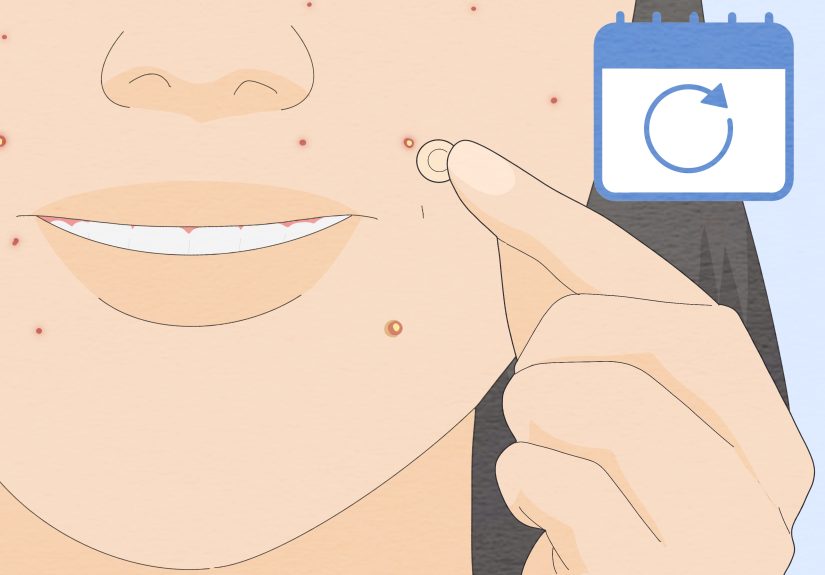
Hydrocolloid pimple patches do not treat every type of acne, but they can protect a whitehead from picking and absorb fluid from the surface. Their biggest benefit may be behavioral: they keep your fingers away. Since picking can worsen inflammation and marks, a tiny sticker can be a surprisingly heroic little shield.
When to See a Dermatologist
Home care is fine for occasional mild pimples, but some acne needs professional help. See a dermatologist if your breakouts are painful, deep, cystic, widespread, leaving scars, causing dark marks, or affecting your confidence. You should also get help if over-the-counter treatments have not improved your acne after consistent use.
A dermatologist can identify the type of acne you have and create a plan that may include prescription topical treatments, oral medication, hormonal options, or procedures. That is much more precise than guessing in the bathroom mirror while holding a box of baking soda like a tiny white flag.
Experience Notes: What People Often Learn After Trying Baking Soda for Pimples
Many people who try baking soda for pimples do it for the same reason: they want something cheap, fast, and already in the kitchen. That is completely understandable. Acne can feel urgent, especially when one pimple appears in the exact center of your face like it has booked a stage performance. The temptation is to dry it out immediately. Baking soda seems like it should work because it feels cleansing and matte, and it can make oily skin feel less greasy for a short time.
The first common experience is temporary smoothness followed by dryness. Right after rinsing, the skin may feel cleaner or tighter. Some people mistake that tight feeling for progress. Later, the same area may become flaky, shiny, red, or more sensitive. Makeup may cling to dry patches, moisturizer may sting, and the pimple may still be there, now surrounded by irritated skin. In other words, the original problem invited backup dancers.
The second experience is overuse. A person tries baking soda once, sees a little drying effect, and decides more must be better. Soon it becomes a nightly paste, then a scrub, then a mask. That is where many acne routines go sideways. Acne-prone skin usually improves with steady, measured treatment, not repeated punishment. When the skin barrier becomes irritated, even good acne products can suddenly feel too strong.
The third experience is realizing that surrounding habits matter. People often see better results when they stop focusing only on the pimple and start cleaning the things that touch their face. Fresh pillowcases, clean towels, washed makeup brushes, non-comedogenic sunscreen, and hair products kept away from the hairline can all support clearer skin. Baking soda may be more useful in this cleaning role than as a direct face treatment.
The fourth experience is learning patience. A pimple that formed under the skin did not appear in five minutes, even if it seemed to jump-scare you overnight. Most acne treatments need time. Benzoyl peroxide, salicylic acid, and adapalene are not instant Photoshop filters. They work best when used consistently and gently. People who switch remedies every two days often end up irritated and confused, with no idea which product helped or hurt.
The fifth experience is emotional. Acne can be frustrating, embarrassing, and unfair. It may show up before school, dates, photos, interviews, holidays, or any event where your skin apparently checks your calendar first. A gentle routine will not erase that frustration overnight, but it can reduce the cycle of panic treatments. The best acne plan is one your skin can tolerate, your budget can handle, and your future self will not regret.
So, if baking soda is already in your home, use it wisely: clean brushes, freshen laundry, remove buildup from tools, and think twice before applying it to your face. If you do test it on skin, patch test first and keep expectations realistic. Clearer skin is usually built from boring habits, not dramatic kitchen chemistry. Boring, in skincare, is often beautiful.
Conclusion
Baking soda may have a place in an acne-support routine, but mostly as a cleaning helper rather than a pimple cure. Its alkaline nature can irritate the skin barrier, especially when used as a scrub, mask, or frequent spot treatment. The safest strategy is to be cautious: patch test, avoid broken or sensitive skin, and use baking soda more for cleaning makeup tools, pillowcases, hats, and hair accessories than for direct facial treatment.
For actual acne treatment, proven ingredients such as benzoyl peroxide, salicylic acid, adapalene, and sulfur are more reliable options. Pair them with gentle cleansing, moisturizer, sunscreen, clean fabrics, and patience. Your skin does not need a battle plan involving every product in the bathroom. It needs consistency, kindness, and maybe fewer mystery experiments from the pantry.
Note: This article is for general educational purposes only and is not medical advice. If acne is severe, painful, persistent, or causing scars or dark marks, consult a dermatologist.