Table of Contents >> Show >> Hide
- What Is the Cerbera Odollam Tree?
- Why Cerbera Odollam Is Poisonous
- How to Identify Cerbera Odollam
- Symptoms of Cerbera Odollam Tree Poisoning
- What to Do Immediately After Possible Exposure
- How Doctors Treat Cerbera Odollam Poisoning
- Who Is Most at Risk?
- How to Prevent Cerbera Odollam Poisoning
- Cerbera Odollam vs. Similar Toxic Plants
- Common Myths About Cerbera Odollam Poisoning
- Real-World Experience: What Cerbera Odollam Poisoning Teaches Us
- Conclusion
Cerbera odollam, often called the pong-pong tree, sea mango, orrather dramaticallythe “suicide tree,” is one of those plants that looks like it belongs on a tropical postcard and behaves like it belongs in a toxicology textbook. It has glossy leaves, fragrant white flowers, and round fruits that can look harmless to curious children, travelers, pets, and even adults who simply do not know what they are looking at.
The danger is not the tree’s attitude. It has none. The danger is inside the fruit, especially the seed kernel, which contains powerful cardiac glycosides such as cerberin. These compounds can interfere with the heart’s electrical system and may cause life-threatening rhythm problems. In plain English: this is not a plant to taste, test, brew, crush, chew, snack on, or “just try a little.” Nature may be beautiful, but it occasionally writes warning labels in invisible ink.
This guide explains how to identify the Cerbera odollam tree, what poisoning may look like, what to do in an emergency, and how to prevent exposure. It is written for readers who want practical, accurate informationnot botanical panic, not internet folklore, and definitely not a DIY poison experiment.
What Is the Cerbera Odollam Tree?
Cerbera odollam is a tropical evergreen tree in the Apocynaceae family, the same plant family that includes oleander. That family connection matters because several Apocynaceae plants contain heart-active toxins. Cerbera odollam is native to parts of South Asia, Southeast Asia, Madagascar, and Pacific island regions, and it commonly grows in coastal habitats, wetlands, mangrove edges, and sandy or brackish environments.
The tree may also be planted as an ornamental in warm tropical and subtropical areas because, frankly, it is attractive. It can reach the size of a small to medium tree, often around 30 feet or more under favorable conditions. It has smooth, shiny green leaves, showy flowers, and rounded fruits that may float in water, allowing them to spread along coastal areas.
Common names include:
- Pong-pong tree
- Sea mango
- Othalanga
- Suicide tree
- Cerbera
The nickname “suicide tree” comes from the plant’s history in fatal poisonings, especially in regions where it grows naturally. However, using that nickname casually can make the plant sound like a horror-movie prop. A better everyday approach is to call it Cerbera odollam or pong-pong tree and focus on the real safety issue: the seed kernel can be deadly.
Why Cerbera Odollam Is Poisonous
The most dangerous part of Cerbera odollam is the seed kernel inside the fruit. The kernel contains cardiac glycosides, including cerberin, which can disrupt the sodium-potassium pump in heart cells. That pump helps regulate electrical activity and muscle contraction. When it is disturbed, the heart may slow down, beat irregularly, or develop dangerous conduction blocks.
Cerbera odollam poisoning can resemble poisoning from digoxin or other cardiac glycoside-containing plants. Possible effects include nausea, vomiting, dizziness, low heart rate, abnormal electrocardiogram findings, high potassium levels, heart block, collapse, and cardiac arrest. The scary part is that symptoms may not always appear immediately. Someone may look “mostly fine” early on and then worsen later, which is why medical evaluation is urgent even when symptoms seem mild.
There is no safe home dose. There is no safe taste test. There is no reliable way for a non-expert to judge toxicity by the size, ripeness, or appearance of the seed. The correct safety rule is simple: do not ingest any part of the fruit or seed, and keep children and pets away from fallen fruits.
How to Identify Cerbera Odollam
Plant identification should be done carefully because Cerbera odollam can resemble other tropical ornamental trees, including some that are also toxic. If you suspect a tree may be Cerbera odollam, do not handle seeds with bare hands and do not cut or crush the fruit for curiosity. Use visual clues and consult a local extension office, botanist, poison center, or horticultural expert when needed.
Leaves
The leaves are usually glossy, leathery, and rich green. They tend to be elongated, oval to lance-shaped, and may cluster toward the ends of branches. The shine can make the tree look well-polished, as though it has a personal stylist. Unfortunately, good leaf gloss does not equal good snack potential.
Flowers
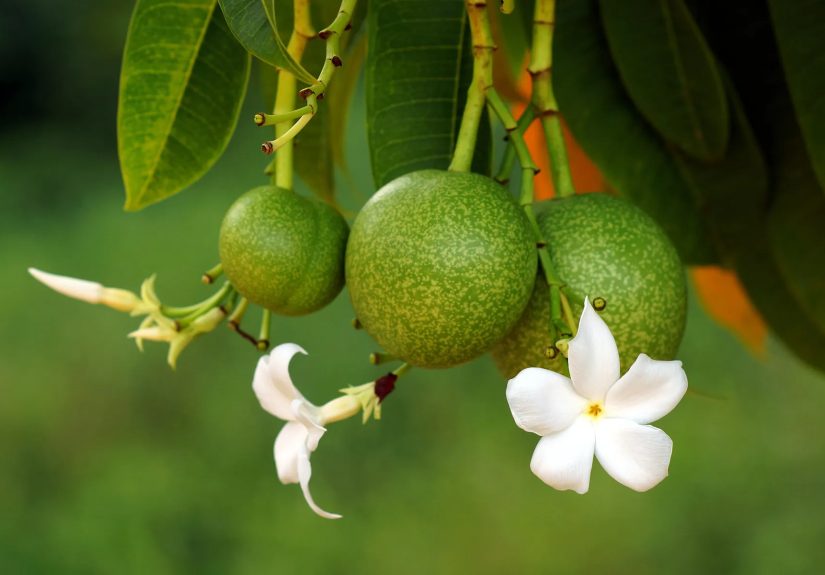
Cerbera odollam produces fragrant, white, five-petaled flowers. The center of the flower often has a yellow throat or “eye.” These flowers are one reason the tree is sometimes planted ornamentally. They are beautiful, but beauty is not a safety rating.
Fruit
The fruit is one of the key identification features. It is typically round to oval, smooth, and green when young. As it matures, it may turn reddish or purplish depending on conditions and variety. The fruit can look somewhat mango-like or apple-like from a distance, which is part of the danger. Inside is a fibrous husk surrounding a hard seed or kernel.
Sap
Like many members of the oleander family, Cerbera odollam may produce a milky latex sap when injured. Avoid touching sap, and wash skin thoroughly if contact occurs. Sap exposure is not the same as swallowing the seed, but skin and eye contact can still be irritating and should be handled cautiously.
Habitat
Look for the tree in coastal tropical zones, wet lowland areas, mangrove margins, sandy shores, roadsides, gardens, and landscaped resorts. Travelers in Southeast Asia, South Asia, and tropical island destinations may encounter it near beaches or hotel grounds. That means the “mystery fruit under the pretty tree” should stay exactly where it is: under the pretty tree.
Symptoms of Cerbera Odollam Tree Poisoning
Symptoms can vary based on the amount ingested, the person’s age and health, the part of the plant consumed, and how quickly medical care begins. Because Cerbera odollam affects the heart, poisoning should always be treated as a medical emergency.
Early Symptoms
- Nausea
- Vomiting
- Abdominal pain
- Diarrhea
- Burning sensation in the mouth or throat
- Dizziness or weakness
- Sweating
- Headache
Serious Symptoms
- Slow heart rate
- Irregular heartbeat
- Low blood pressure
- Fainting or collapse
- Confusion
- Shortness of breath
- Seizures in severe cases
- Cardiac arrest
One tricky feature of cardiac glycoside poisoning is that gastrointestinal symptoms may appear first, while the heart effects may become obvious later. Do not wait for a dramatic collapse before seeking help. If ingestion is suspected, the emergency has already started.
What to Do Immediately After Possible Exposure
If someone may have eaten Cerbera odollam fruit, seed, kernel, or plant material, act quickly and calmly. Panic is not useful, although it is admittedly very enthusiastic. Clear action is better.
1. Call Emergency Services or Poison Control
In the United States, call Poison Control at 1-800-222-1222 for immediate expert guidance. If the person has symptoms such as fainting, chest discomfort, breathing problems, confusion, severe vomiting, or an irregular heartbeat, call 911 right away.
If you are outside the United States, contact your local emergency number or poison information center. Tell them the plant name, the amount suspected, the time of exposure, and the person’s age, weight, symptoms, and medical conditions.
2. Do Not Induce Vomiting
Do not try to make the person vomit unless a medical professional specifically tells you to do so. Forced vomiting can cause choking, aspiration, or additional injury. The body may vomit on its own, but home “detox” tactics are not treatment.
3. Do Not Give Home Remedies
Do not give alcohol, herbal teas, oils, salt water, charcoal from a grill, milk, or internet-famous miracle cures. Activated charcoal used in hospitals is a specific medical product given under appropriate guidance. Barbecue charcoal is not the same thing. Your grill is not an emergency department wearing a smoky apron.
4. Save a Sample Safely
If it can be done without risk, place a fruit, leaf, or photo of the tree in a sealed bag or container for identification. Do not handle crushed seed material with bare hands. A clear photo of the tree, leaves, flowers, fruit, and surrounding area can help medical or botanical experts identify the plant.
5. Go to the Emergency Department
Because Cerbera odollam can cause delayed heart rhythm problems, medical observation is often necessary. The person may need an electrocardiogram, blood tests, electrolyte monitoring, heart rhythm monitoring, medication, or advanced cardiac support.
How Doctors Treat Cerbera Odollam Poisoning
Treatment depends on symptoms, timing, test results, and the severity of cardiac effects. There is no casual home treatment for this poisoning. Care should happen in a medical facility where heart rhythm and blood chemistry can be monitored.
Emergency Evaluation
Doctors may check vital signs, perform an electrocardiogram, monitor heart rhythm, and order blood tests to evaluate potassium levels, kidney function, and other markers. A slow heart rate, heart block, or abnormal rhythm may require urgent intervention.
Activated Charcoal
If the patient arrives soon after ingestion and can safely swallow or has a protected airway, clinicians may consider activated charcoal to reduce absorption. This decision depends on timing and risk of aspiration.
Supportive Cardiac Care
Patients may need intravenous fluids, medications for slow heart rate, correction of electrolyte abnormalities, temporary pacing, or advanced life support. Because cardiac glycosides can produce dangerous arrhythmias, continuous monitoring is important.
Digoxin Immune Fab
In severe cardiac glycoside poisoning, doctors may consider digoxin immune Fab, an antibody treatment used for serious digoxin toxicity and sometimes used in plant-derived cardiac glycoside poisoning. Its usefulness may vary depending on the toxin and clinical situation, but it can be considered when life-threatening instability is present.
The key message is not which medication to request. The key message is to get expert emergency care quickly. Poison centers and toxicologists can help guide treatment decisions.
Who Is Most at Risk?
Anyone can be harmed by Cerbera odollam ingestion, but certain groups face higher risk.
- Children: They may pick up fallen fruit because it looks interesting or edible.
- Travelers: Visitors may not recognize tropical poisonous plants near beaches, resorts, or gardens.
- Pets: Dogs may chew fallen fruit or seeds while exploring.
- Gardeners and landscapers: Workers may encounter sap, fruit, or seeds during pruning and cleanup.
- People in crisis: Because this plant has been associated with intentional self-harm, mental health support is essential when exposure may be deliberate.
If you believe someone ingested Cerbera odollam intentionally, stay with them, call emergency services, and seek mental health crisis support. In the United States, call or text 988 for the Suicide & Crisis Lifeline. In immediate danger, call 911.
How to Prevent Cerbera Odollam Poisoning
Prevention is less dramatic than emergency medicine, but it is much more pleasant. If Cerbera odollam grows near your home, school, hotel, park, or workplace, take practical steps to reduce risk.
Keep Fallen Fruit Away From Children and Pets
Regularly remove fallen fruit while wearing gloves. Place it in sealed trash according to local waste guidelines. Do not compost the seeds where animals or children may access them.
Use Clear Plant Labels
If the tree is part of a botanical garden, resort landscape, or educational planting, label it clearly as toxic. A small sign can prevent a large emergency.
Teach “Look, Don’t Taste” Rules
Children should learn that wild or landscape fruits are not food unless a trusted adult confirms they are safe. This rule also applies to adults who suddenly become adventurous on vacation. Tropical confidence is not a substitute for plant knowledge.
Wear Gloves During Cleanup
Gardeners should wear gloves, avoid touching their face, and wash hands after handling leaves, fruit, branches, or sap. Eye protection is wise when pruning plants that produce milky latex.
Consider Removal in High-Risk Areas
In places where children, pets, or the public frequently gather, property managers may consider replacing Cerbera odollam with a safer ornamental tree. A landscape can be beautiful without auditioning for a poison-control case study.
Cerbera Odollam vs. Similar Toxic Plants
Cerbera odollam is not the only attractive plant with serious toxicity. Oleander, yellow oleander, foxglove, lily of the valley, and several other plants contain cardiac glycosides or related toxins. The main difference is that Cerbera odollam is strongly associated with tropical coastal regions and has a distinctive fruit containing a dangerous kernel.
If you cannot identify a plant with confidence, do not rely on guesswork. Many toxic plants look ordinary. Some look edible. A few look like they came with a vacation package. Identification apps can help, but they are not perfect. When health is at stake, confirm with an expert.
Common Myths About Cerbera Odollam Poisoning
Myth 1: “Only a large amount is dangerous.”
False. The seed kernel is highly toxic, and even limited exposure can be medically serious. Never assume a small amount is safe.
Myth 2: “If someone vomits, the poison is gone.”
False. Vomiting may remove some stomach contents, but it does not guarantee safety. Heart effects may still develop later.
Myth 3: “Natural plants are safer than chemicals.”
False with a capital “please do not.” Many natural compounds are powerful toxins. Cerberin is natural, and it is dangerous.
Myth 4: “A plant identification app is enough.”
Not always. Apps can misidentify plants, especially from poor photos. Use expert confirmation when a poisonous plant may be involved.
Real-World Experience: What Cerbera Odollam Poisoning Teaches Us
Experience with Cerbera odollam poisoning teaches one lesson again and again: the first mistake is usually underestimating the plant. People tend to judge risk by appearance. If a fruit is smooth, rounded, and sitting under a flowering tree near a beach, the brain may file it under “interesting tropical object” instead of “possible cardiac toxin.” That is understandable, but it is also dangerous. Some of the most hazardous plants do not look sinister. They do not glow. They do not hiss. They simply wait for someone to make a bad assumption.
In emergency medicine and poison-control settings, plant poisoning cases often begin with uncertainty. Someone ate “a seed,” “a fruit,” or “part of a plant,” but nobody knows exactly what it was. That uncertainty slows decision-making. This is why photos matter. A clear image of the tree, leaves, flowers, fruit, and seed can help experts narrow the identification quickly. Families, travelers, and hotel staff should remember that documenting the plant safely can be useful, but it should never delay calling for help.
Another practical experience is that early symptoms may be misleading. Nausea and vomiting can look like food poisoning, motion sickness, heat exhaustion, or a stomach bug. In a tropical travel setting, that confusion is even easier. Someone may blame lunch, humidity, or a questionable smoothie. But when a known toxic plant may be involved, stomach symptoms should not be brushed off. With Cerbera odollam, the heart is the main concern, and heart rhythm problems may not announce themselves politely at the beginning.
Caregivers also learn that prevention works best when it is boring and consistent. Removing fallen fruit, teaching children not to taste unknown plants, labeling toxic trees, and using gloves during cleanup are not glamorous tasks. They will not trend on social media. But they prevent emergencies. In schools, resorts, parks, and family gardens, the safest approach is to treat unidentified tropical fruit as off-limits until proven otherwise.
For pet owners, the experience is similar. Dogs explore the world with their noses and mouths, which is charming until the object is toxic. A dog chewing a fallen fruit near a coastal tree deserves attention, not a “dogs eat weird things” shrug. Veterinary poison guidance should be sought quickly after possible exposure.
Finally, Cerbera odollam teaches a broader safety lesson: plant knowledge is not just for botanists. It is practical life information. Knowing that a beautiful tree can carry a dangerous seed does not mean fearing nature. It means respecting it. The goal is not to walk through gardens like every leaf is plotting against you. The goal is to enjoy the outdoors with enough awareness to avoid preventable harm. Admire the flowers, photograph the fruit, appreciate the tropical sceneryand leave the seed alone.
Conclusion
Cerbera odollam tree poisoning is a serious medical emergency because the seed kernel contains cardiac glycosides that can disrupt heart rhythm and cause life-threatening complications. The tree can be identified by its glossy leaves, fragrant white flowers with yellow centers, coastal tropical habitat, milky sap, and rounded fruit containing a fibrous husk and toxic seed. If exposure or ingestion is suspected, call Poison Control or emergency services immediately, avoid home remedies, save a plant sample or photo safely, and seek medical evaluation.
The best protection is prevention: keep children and pets away from fallen fruit, label toxic trees, wear gloves when cleaning plant debris, and never eat unknown tropical seeds or fruits. Cerbera odollam may be beautiful, but it is not a snack, not a remedy, and not a plant to experiment with. When in doubt, look, photograph, ask an expertand keep your heart out of the drama.
Note: This article is for educational and informational purposes only. It does not replace professional medical advice, emergency care, toxicology consultation, or local poison-control guidance. If Cerbera odollam ingestion is suspected, call emergency services or Poison Control immediately.