Table of Contents >> Show >> Hide
- Understanding Cockatiel Injuries Before You Act
- Way 1: Stabilize Your Injured Cockatiel First
- Way 2: Control Minor Bleeding Safely
- Way 3: Support Recovery and Prevent Further Injury
- When an Injured Cockatiel Needs Emergency Veterinary Care
- What to Keep in a Cockatiel First-Aid Kit
- Common Mistakes to Avoid
- Practical Examples: What Should You Do?
- Extra Experience Section: Lessons From Cockatiel Care in Real Life
- Conclusion
Cockatiels are tiny feathered comedians with orange cheeks, dramatic crests, and a surprising talent for turning an ordinary living room into an obstacle course. One minute your bird is whistling like a confident little rock star; the next, you notice a drooping wing, a bleeding nail, or a suspiciously quiet fluff-ball sitting in the corner. When a cockatiel gets hurt, the first rule is simple: stay calm, act gently, and contact an avian veterinarian as soon as possible.
This guide explains three practical ways to treat injured cockatiels at home while you prepare for professional care: stabilize the bird, control minor bleeding, and create a safe recovery setup. Think of it as bird first aid, not bird surgery. Your job is not to become a tiny-feathered ER doctor overnight. Your job is to keep your cockatiel warm, quiet, safe, and alive until a qualified avian vet can examine the injury.
Important note: Cockatiels can hide pain and illness very well. A bird that “seems okay” may still need urgent care, especially after a fall, window collision, cat or dog attack, broken blood feather, beak injury, deep wound, or suspected fracture. When in doubt, call an avian veterinarian. Your bird cannot explain what hurts, though it may glare at you with the emotional force of a tiny disappointed librarian.
Understanding Cockatiel Injuries Before You Act
Before treating an injured cockatiel, look at the situation from a distance for a few seconds. Is your bird breathing normally? Is there active bleeding? Can it perch? Is one wing hanging lower than the other? Is it sitting on the cage floor, fluffed up, weak, or unusually quiet? These clues help you decide whether you are dealing with a minor injury or a true emergency.
Common cockatiel injuries include broken blood feathers, torn toenails, wing or leg injuries, beak trauma, bite wounds, bruising, and crash injuries from flying into mirrors, windows, doors, ceiling fans, or walls. Household accidents are more common than many owners expect. Cockatiels are graceful birds, but they are also curious, excitable, and occasionally convinced that transparent glass is just decorative air.
Watch for emergency warning signs such as heavy bleeding, labored breathing, open-mouth breathing, tail bobbing, inability to stand, seizures, swelling around the head or beak, a dangling wing, obvious pain, weakness, or blood coming from the mouth, nostrils, vent, or body. Any of these signs means your cockatiel needs immediate veterinary attention.
Way 1: Stabilize Your Injured Cockatiel First
Move Slowly and Reduce Stress
The first way to treat an injured cockatiel is to stabilize the bird. That means reducing stress, preventing further harm, and keeping the environment calm. Turn off loud music, keep pets and children away, dim bright lights, and speak softly. A panicked bird can flap, fall, reopen a wound, or worsen a possible fracture.
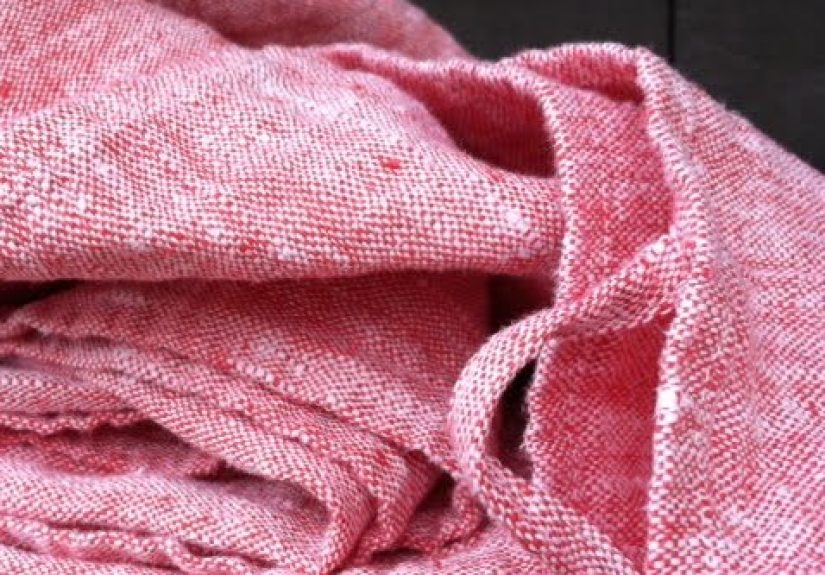
If your cockatiel is loose, do not chase it around the room like a cartoon villain with a towel. Instead, close doors and windows, turn off fans, and gently guide the bird into a smaller safe area. Use a soft towel or washcloth to restrain it only if necessary. For many cockatiels, a small towel works better than a large one because it gives you control without burying the bird in a fabric avalanche.
Use Gentle Towel Restraint
To hold an injured cockatiel, wrap the towel loosely around the body while keeping the head visible. Do not squeeze the chest. Birds need chest movement to breathe, so pressure around the body can be dangerous. Support the bird securely but gently, especially if there is a suspected wing or leg injury.
If your bird struggles violently, stop and place it in a small carrier or hospital cage. Stress can be more dangerous than the injury itself in some cases. A cockatiel that is already weak, bleeding, or breathing hard should be handled as little as possible.
Provide Warmth, Quiet, and Safe Transport
Injured cockatiels often benefit from a warm, quiet environment. Place the bird in a small carrier lined with a soft towel or paper towels. Remove perches if the bird is weak, dizzy, or unable to balance. A low, flat surface helps prevent falls. Keep the carrier warm but not hot. You can warm the room or place a covered warm water bottle near one side of the carrier, leaving enough space for the bird to move away if it feels too warm.
Avoid giving food, water, or medication by force unless an avian veterinarian specifically instructs you to do so. Never give human pain relievers to a cockatiel. Medications that are common in household cabinets can be dangerous or fatal for birds. The safest plan is simple: stabilize, keep warm, call the vet, and transport carefully.
Way 2: Control Minor Bleeding Safely
Find the Source of the Blood
The second way to treat an injured cockatiel is to control minor bleeding. First, determine whether the bleeding is active or whether you are only seeing dried blood on feathers, cage bars, or toys. Active bleeding needs immediate attention. Dried blood with no fresh bleeding still deserves monitoring and usually a call to your avian vet, but it may not require the same level of panic.
Common sources of bleeding in cockatiels include broken toenails, broken blood feathers, small skin wounds, and beak injuries. A bleeding beak or deep body wound should be treated as urgent because beaks contain sensitive tissue and blood vessels, and deeper wounds may hide more serious damage.
Apply Direct Pressure
For a small cut or bleeding nail, use clean gauze, a cotton pad, or a clean cloth to apply gentle direct pressure. Hold steady pressure for several minutes. Do not keep lifting the gauze every ten seconds to “check,” because that can disturb clotting. Yes, curiosity is natural. No, the blood clot does not appreciate being inspected like a science fair project.
For a bleeding toenail, a small amount of styptic powder, cornstarch, or flour may help clotting. Apply it only to the nail tip or minor external bleeding point, not deep wounds. Avoid getting powder into the eyes, nostrils, mouth, or large open wounds.
Know What to Do With a Broken Blood Feather
Blood feathers are new growing feathers that still have a blood supply in the shaft. If one breaks, it can bleed more than owners expect. A damaged blood feather may appear as blood coming directly from the feather shaft, often on the wing or tail. This can look alarming because, frankly, it is alarming.
For a broken blood feather, you may apply gentle pressure and a clotting aid such as cornstarch to the damaged end if you can do so safely. However, pulling a blood feather is not something inexperienced owners should casually attempt. Removing it incorrectly can cause pain, follicle damage, or more bleeding. If the bleeding does not stop quickly, or if you cannot clearly identify the source, contact an avian veterinarian or emergency clinic right away.
Avoid Ointments Unless Your Vet Approves
Do not smear petroleum jelly, heavy ointments, essential oils, or random “natural remedies” on your cockatiel’s wound. Birds have delicate feathers and skin, and oily products can interfere with feather condition. Some products are toxic if preened or inhaled. A clean wound, gentle pressure, and veterinary guidance are far safer than turning your bird into a tiny scented candle.
Way 3: Support Recovery and Prevent Further Injury
Create a Temporary Hospital Cage
The third way to treat an injured cockatiel is to create a recovery space. A hospital cage is a smaller, calmer setup that limits movement and makes monitoring easier. Use a travel carrier, small cage, or clean enclosure. Line the bottom with paper towels so you can easily see droppings, blood, or changes in appetite.
Keep perches low or remove them if your bird cannot balance. Place food and water within easy reach. If your cockatiel has a leg or wing injury, climbing around a tall cage can make the problem worse. Recovery is not the time for acrobatics, no matter how strongly your bird believes it is training for the Feather Olympics.
Monitor Eating, Droppings, and Behavior
During recovery, watch your cockatiel closely. Is it eating? Drinking? Passing normal droppings? Preening? Sleeping more than usual? Holding one foot up constantly? Favoring one wing? Sitting fluffed at the bottom of the cage? These details help your veterinarian understand what is happening.
Keep a short written log of symptoms, times, and changes. For example: “Bleeding stopped at 8:15 p.m. after pressure,” “ate millet at 9:00 p.m.,” or “left wing still drooping in the morning.” This kind of information is more useful than saying, “He seemed weird,” even though “weird” is often the first honest description of a sick bird.
Follow the Avian Vet’s Instructions
After your cockatiel sees the vet, follow the treatment plan exactly. This may include prescribed medication, wound cleaning, bandage care, limited activity, follow-up exams, or cage modifications. Do not stop medication early because your bird looks better. Cockatiels are talented actors. A bird may appear energetic while still healing underneath.
If medication is difficult to give, ask your vet to demonstrate. Many cockatiel owners struggle the first time they must medicate a bird. That does not make you a bad owner; it makes you a normal human trying to convince a suspicious feathered creature that the syringe is not a monster.
When an Injured Cockatiel Needs Emergency Veterinary Care
Some situations should not be managed at home beyond basic stabilization. Seek urgent avian veterinary care if your cockatiel has heavy or repeated bleeding, a suspected broken wing or leg, a cat or dog bite, a deep puncture wound, a beak injury, breathing difficulty, weakness, collapse, head trauma, burns, poisoning, or signs of shock.
Cat bites are especially serious because bacteria can enter the wound even if the injury looks small. Any predator attack should be treated as an emergency. Do not wait to see whether the bird “perks up.” Birds can decline quickly, and early treatment can make a major difference.
Also call a vet if your cockatiel stops eating, refuses water, sits fluffed and silent, or seems less responsive. A healthy cockatiel usually has opinions about everything, including your face, your snacks, your playlist, and the suspicious new paper towel roll. Sudden silence can be a red flag.
What to Keep in a Cockatiel First-Aid Kit
A good bird first-aid kit can save precious time. Keep the kit in an easy-to-find place and check it every few months. At minimum, include sterile gauze, cotton swabs, paper towels, a small towel or washcloth, cornstarch or styptic powder for minor nail bleeding, blunt-tipped scissors, tweezers, saline for rinsing debris, a small flashlight, disposable gloves, and your avian vet’s phone number.
Add the number and address of the nearest emergency clinic that treats birds. Not every animal hospital is comfortable treating avian emergencies, so verify this before disaster arrives wearing feathers. You do not want to be searching “bird emergency vet near me” while your cockatiel is bleeding and your heart is trying to escape through your hoodie.
Common Mistakes to Avoid
Waiting Too Long
The biggest mistake is waiting too long because the bird “looks fine.” Cockatiels often hide pain. If you saw a crash, bite, heavy bleeding, or sudden change in behavior, call a veterinarian even if the bird later acts normal.
Using Human Medicine
Never give aspirin, ibuprofen, acetaminophen, antibiotics, or leftover pet medication unless prescribed by an avian veterinarian. Birds are not tiny people in feather jackets. Their bodies process substances differently, and the wrong dose can be dangerous.
Overhandling the Bird
Repeatedly grabbing the bird to inspect the wound can increase stress and reopen bleeding. Handle only as much as necessary. Once the bird is stable, let it rest in a safe carrier or hospital cage while you arrange veterinary care.
Practical Examples: What Should You Do?
Example 1: A Bleeding Toenail
Your cockatiel catches a nail on a toy and leaves small blood spots on the perch. Gently towel the bird, apply pressure with gauze, and use a small amount of styptic powder or cornstarch on the nail tip. Once bleeding stops, place the bird in a quiet cage and monitor closely. Call your vet if bleeding returns, the toe swells, or the bird limps.
Example 2: A Window Collision
Your cockatiel flies into a window and drops to the floor. Even if there is no visible blood, this can be serious. Place the bird in a quiet, warm carrier with a towel on the bottom. Do not encourage flying or perching. Contact an avian vet immediately, especially if the bird is sleepy, unbalanced, breathing oddly, or holding a wing strangely.
Example 3: A Broken Blood Feather
You notice blood under the wing, and a growing feather appears damaged. Apply gentle pressure if possible and keep the bird calm. If bleeding does not stop quickly or you are unsure what you are seeing, go to an avian vet. Broken blood feathers can be manageable, but they are not a great place for guesswork.
Extra Experience Section: Lessons From Cockatiel Care in Real Life
One of the most useful lessons in caring for injured cockatiels is that preparation beats panic every time. Owners who already have a small first-aid kit, a travel carrier, and an avian vet’s number can respond faster and more calmly. The emergency may still be scary, but at least you are not digging through a junk drawer looking for gauze while your cockatiel watches you with one offended eye.
Another real-world lesson is that cockatiels often act tougher than they are. A bird may continue climbing, chirping, or nibbling millet even after a painful injury. This is part instinct and part cockatiel drama management. In the wild, showing weakness can attract predators. In the home, it mostly tricks owners into thinking everything is fine. That is why behavior changes, posture, breathing, droppings, and appetite matter so much.
Many experienced bird owners also learn to bird-proof rooms more seriously after the first accident. Cover mirrors and large windows during flight time. Turn off ceiling fans. Close toilet lids. Keep hot pans, candles, and open doors away from curious beaks. Remove loose strings, unsafe toys, sharp cage edges, and anything that could trap a toe. Cockatiels are brilliant at finding the one unsafe object in a room full of safe ones. It is practically a hobby.
Handling practice can also make emergencies easier. A cockatiel that is gently trained to step up, enter a carrier, and tolerate a towel for short periods is much easier to help when injured. Training should be positive, slow, and reward-based. The goal is not to force the bird into obedience; the goal is to make necessary care less frightening. A bird that trusts you is safer during emergencies.
Owners should also get comfortable observing normal habits before anything goes wrong. Learn what your cockatiel’s normal droppings look like, how much it eats, how it perches, when it naps, and what its usual voice sounds like. This everyday knowledge is surprisingly powerful. When something changes, you notice faster. Early detection often leads to better outcomes.
Finally, remember that treating an injured cockatiel is not about being perfect. It is about staying calm, doing the basics well, and getting professional help when needed. You may feel nervous. You may spill cornstarch. You may apologize to your bird twelve times while placing it in the carrier. That is okay. A careful, loving owner who acts quickly is already doing something very important.
Conclusion
Treating injured cockatiels comes down to three essential steps: stabilize the bird, control minor bleeding safely, and support recovery in a calm environment while getting veterinary guidance. Small injuries can become serious quickly in birds, so never ignore active bleeding, breathing trouble, weakness, predator bites, beak trauma, or suspected fractures.
Your cockatiel may be tiny, but its care deserves big attention. With a prepared first-aid kit, a safe hospital cage, and a trusted avian vet, you can respond with confidence instead of chaos. And yes, your bird may still judge you afterward. That is not a medical symptom. That is just cockatiel customer service.