Table of Contents >> Show >> Hide
- What Are Breaded Veal Cutlets?
- Ingredients for Classic Breaded Veal Cutlets
- How to Make Classic Breaded Veal Cutlets
- Best Tips for Crispy Breaded Veal Cutlets
- What to Serve With Breaded Veal Cutlets
- Recipe Variations
- How to Store and Reheat Veal Cutlets
- Common Mistakes to Avoid
- Classic Breaded Veal Cutlets Recipe Card
- Personal Kitchen Experiences With Classic Breaded Veal Cutlets
- Conclusion
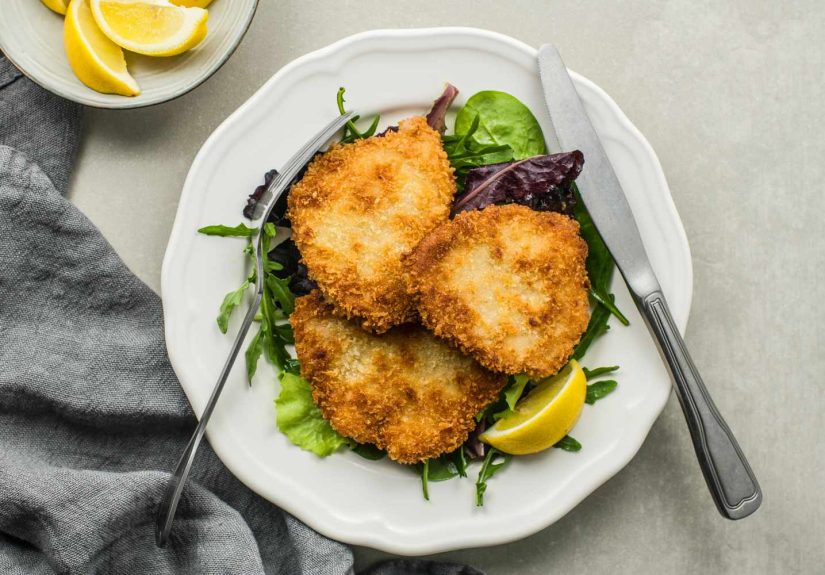
Crispy on the outside, tender in the center, and brightened with a squeeze of lemon, classic breaded veal cutlets are the kind of dinner that makes a regular weeknight feel like you accidentally booked a table at a charming old-school restaurant. The recipe is wonderfully simple: thin veal cutlets, a seasoned flour coating, beaten eggs, breadcrumbs, and a skillet with hot oil. That is it. No culinary acrobatics, no mysterious sauce that requires fourteen pans, and no chef hat unless you already own one and need an excuse to wear it.
This classic breaded veal cutlets recipe is inspired by beloved European and Italian-American cooking traditions, especially dishes like veal Milanese and Wiener schnitzel. The heart of the method is the same: pound the meat thin, bread it carefully, fry it quickly, and serve it while the crust is still crisp enough to make a tiny applause sound when your fork touches it.
Below, you will find a practical, home-cook-friendly guide with ingredients, step-by-step instructions, pro tips, serving ideas, storage advice, and a bonus experience section at the end for readers who want more real-life kitchen wisdom before heating the skillet.
What Are Breaded Veal Cutlets?
Breaded veal cutlets are thin slices of veal coated in flour, dipped in egg, covered with breadcrumbs, and pan-fried until golden brown. Veal has a mild, delicate flavor and tender texture, which makes it perfect for quick cooking. Because the cutlets are thin, they cook fast, usually in just a few minutes per side.
The breading does two important jobs. First, it creates that irresistible crispy shell. Second, it helps protect the lean meat from drying out. Think of it as a crunchy little winter coat, except much more delicious and less useful in a snowstorm.
Ingredients for Classic Breaded Veal Cutlets
This recipe serves four people. You can easily double it for a larger family dinner, though you may want to fry in batches so the cutlets do not crowd the pan.
Main Ingredients
- 4 veal cutlets, about 4 to 5 ounces each
- 1 cup all-purpose flour
- 2 large eggs
- 2 tablespoons milk or water
- 1 1/2 cups plain breadcrumbs or panko breadcrumbs
- 1/3 cup finely grated Parmesan cheese, optional but recommended
- 1 teaspoon kosher salt, plus more for finishing
- 1/2 teaspoon freshly ground black pepper
- 1/2 teaspoon garlic powder
- 1/2 teaspoon dried parsley or Italian seasoning
- Vegetable oil, canola oil, or light olive oil for frying
- 2 tablespoons unsalted butter, optional for flavor
- Lemon wedges for serving
- Fresh parsley for garnish
How to Make Classic Breaded Veal Cutlets
Step 1: Pound the Veal Evenly
Place each veal cutlet between two sheets of parchment paper or plastic wrap. Using a meat mallet, rolling pin, or the bottom of a sturdy skillet, gently pound the cutlets to about 1/4 inch thick. Do not attack the veal like it owes you money. Use firm but controlled taps. The goal is even thickness, not shredded meat confetti.
Even thickness is important because it helps the veal cook quickly and evenly. If one side is thick and the other is paper-thin, the thin side will overcook before the thick side is done.
Step 2: Set Up a Breading Station
Prepare three shallow bowls or plates. In the first bowl, add the flour and season it with a pinch of salt and pepper. In the second bowl, whisk together the eggs and milk. In the third bowl, combine breadcrumbs, Parmesan cheese, garlic powder, dried parsley, salt, and pepper.
Arrange the bowls in order: flour, egg, breadcrumbs. Put a clean plate or wire rack at the end for the breaded cutlets. This setup makes the process faster and keeps your counter from looking like a flour tornado passed through town.
Step 3: Bread the Cutlets
Pat the veal dry with paper towels. This small step makes a big difference because excess moisture can make the coating slide off. Dredge one cutlet in the seasoned flour and shake off the extra. Dip it into the egg mixture, letting the excess drip back into the bowl. Finally, press it into the breadcrumb mixture, coating both sides evenly.
Place the breaded cutlet on a wire rack or plate. Repeat with the remaining cutlets. For an even crispier crust, let the breaded veal rest for 10 minutes before frying. This helps the coating settle and cling to the meat.
Step 4: Heat the Oil
Add enough oil to a large skillet to create a shallow layer, about 1/4 inch deep. Heat over medium-high heat until the oil reaches about 350°F to 375°F. If you do not have a thermometer, drop a small breadcrumb into the oil. It should sizzle immediately and turn golden, not sink sadly like it has given up on life.
If using butter, add it once the oil is hot. The oil helps prevent the butter from burning too quickly, while the butter adds rich flavor.
Step 5: Fry Until Golden Brown
Carefully place one or two cutlets in the pan, depending on the size of your skillet. Do not overcrowd the pan. Crowding lowers the oil temperature, which can make the breading greasy instead of crisp.
Fry the veal for about 2 to 3 minutes per side, or until the coating is golden brown and the meat is cooked through. The USDA recommends cooking veal steaks, chops, and roasts to a minimum internal temperature of 145°F followed by a 3-minute rest, so use a food thermometer for best accuracy.
Step 6: Drain and Season
Transfer the cooked cutlets to a wire rack set over a baking sheet. A wire rack is better than a paper towel-lined plate because it allows air to circulate under the cutlets, keeping the bottom crisp. Sprinkle lightly with salt while the cutlets are still hot.
Step 7: Serve Immediately
Serve classic breaded veal cutlets with lemon wedges, chopped parsley, and your favorite side dishes. A squeeze of lemon cuts through the richness and makes the crispy coating taste even brighter.
Best Tips for Crispy Breaded Veal Cutlets
Use Thin Cutlets
Thin cutlets cook quickly, which keeps the veal tender. If your cutlets are thick, pound them gently before breading.
Season Every Layer
Season the flour, egg mixture, and breadcrumbs lightly. This creates balanced flavor from crust to center. Bland breading is a tragedy, and we are not inviting tragedy to dinner.
Press the Breadcrumbs Firmly
After dipping the cutlets in egg, press them firmly into the breadcrumbs. This helps the coating stick and creates a fuller crust.
Let the Breading Rest
A short rest before frying helps the coating adhere. Ten minutes is enough. You do not need to send the cutlets to a meditation retreat.
Keep the Oil Hot
Oil that is too cool makes greasy cutlets. Oil that is too hot burns the crumbs before the veal cooks through. Aim for steady sizzling and adjust the heat as needed.
What to Serve With Breaded Veal Cutlets
Classic breaded veal cutlets are versatile. They can be elegant with a simple salad or cozy with mashed potatoes. Here are a few excellent pairings:
- Lemon arugula salad: Peppery greens, lemon juice, olive oil, and shaved Parmesan are perfect with crispy veal.
- Garlic mashed potatoes: Creamy potatoes balance the crunch of the cutlets.
- Buttered noodles: A simple side that feels comforting and old-school.
- Roasted asparagus: Bright, fresh, and easy to prepare.
- Tomato salad: Juicy tomatoes add acidity and color.
- Marinara sauce: Serve on the side if you want veal Parmesan vibes without fully committing to the cheese blanket.
Recipe Variations
Veal Milanese Style
For a Milanese-style version, use fine breadcrumbs mixed with Parmesan and serve the cutlets with arugula, cherry tomatoes, lemon juice, and extra-virgin olive oil.
Wiener Schnitzel Style
For a schnitzel-inspired version, skip the Parmesan and use plain breadcrumbs. Serve with lemon wedges, parsley, potato salad, or cucumber salad.
Extra Crunchy Panko Cutlets
Use panko breadcrumbs for a lighter, crunchier crust. Panko gives the cutlets a more rugged texture and a dramatic golden finish.
Herb and Garlic Cutlets
Add chopped fresh parsley, oregano, lemon zest, and a small amount of garlic powder to the breadcrumb mixture for a brighter, more aromatic crust.
How to Store and Reheat Veal Cutlets
Store leftover breaded veal cutlets in an airtight container in the refrigerator for up to 3 days. To keep them crisp, reheat them in a 375°F oven or air fryer until hot and crunchy again. Avoid microwaving if possible. The microwave may be convenient, but it turns crisp breading into something that feels like a damp handshake.
If you want to freeze cooked cutlets, let them cool completely, wrap them individually, and freeze for up to 2 months. Reheat from frozen in the oven until warmed through and crisp.
Common Mistakes to Avoid
Skipping the Flour
Flour helps the egg stick to the veal. Without it, the breadcrumb coating may slide off during frying.
Overcrowding the Pan
Frying too many cutlets at once lowers the oil temperature and causes soggy breading. Cook in batches for the best texture.
Flipping Too Early
Let the first side become golden before flipping. If you move the cutlet too soon, the crust may tear.
Using Too Much Heat
Medium-high heat is usually best. Very high heat can burn the breadcrumbs before the veal is properly cooked.
Classic Breaded Veal Cutlets Recipe Card
Prep Time
20 minutes
Cook Time
10 minutes
Total Time
30 minutes
Servings
4 servings
Ingredients
- 4 veal cutlets, pounded to 1/4 inch thick
- 1 cup all-purpose flour
- 2 large eggs
- 2 tablespoons milk or water
- 1 1/2 cups breadcrumbs or panko
- 1/3 cup grated Parmesan cheese
- 1 teaspoon kosher salt
- 1/2 teaspoon black pepper
- 1/2 teaspoon garlic powder
- 1/2 teaspoon dried parsley or Italian seasoning
- Oil for shallow frying
- 2 tablespoons unsalted butter, optional
- Lemon wedges and parsley for serving
Instructions
- Pat the veal cutlets dry and pound them evenly to about 1/4 inch thick.
- Set up three shallow bowls: one with seasoned flour, one with eggs whisked with milk, and one with breadcrumbs, Parmesan, garlic powder, herbs, salt, and pepper.
- Dredge each cutlet in flour, dip in egg, then press into breadcrumbs until fully coated.
- Let the breaded cutlets rest for 10 minutes.
- Heat 1/4 inch of oil in a large skillet to about 350°F to 375°F.
- Fry cutlets in batches for 2 to 3 minutes per side, until golden brown and cooked through.
- Transfer to a wire rack, sprinkle with salt, and rest briefly.
- Serve hot with lemon wedges and fresh parsley.
Personal Kitchen Experiences With Classic Breaded Veal Cutlets
The first thing many home cooks learn about breaded veal cutlets is that the recipe looks almost too easy. Flour, egg, breadcrumbs, skillet. Done, right? Well, mostly. But the little details are what separate a crisp, restaurant-style cutlet from a sad, patchy one that leaves half its coating behind in the pan like evidence at a crime scene.
One of the most useful experiences is learning how the cutlet should feel before it ever touches the breadcrumbs. The veal should be dry, thin, and evenly pounded. If the surface is wet, the flour turns pasty. If the meat is uneven, one side cooks faster than the other. A good cutlet should look smooth and thin, almost like it is ready for a very fancy sandwich.
Another lesson comes from the breading station. It is tempting to rush, especially when dinner is running late and everyone is hovering near the kitchen asking deeply unhelpful questions like, “Is it ready yet?” But careful breading matters. Flour first, then egg, then breadcrumbs. Shake off the extra flour. Let extra egg drip away. Press the breadcrumbs gently but firmly. This creates a coating that actually stays attached during frying.
The oil temperature is another big moment. If the oil is not hot enough, the cutlet absorbs too much oil and turns heavy. If the oil is too hot, the crust browns too quickly while the meat needs more time. After making breaded cutlets a few times, you begin to recognize the right sound: a lively, steady sizzle. Not a violent roar. Not a sleepy bubble. A confident sizzle means you are on the right track.
A wire rack is also worth using. Many people place fried cutlets directly on paper towels, and that works in a pinch, but a rack keeps the bottom from steaming. Steam is the enemy of crunch. It sneaks in quietly and ruins your hard work. A rack lets air move around the cutlets so the crust stays crisp until serving.
Serving breaded veal cutlets is its own small joy. Lemon is almost mandatory because it wakes up the flavor. A simple salad with arugula, tomatoes, and Parmesan makes the plate feel fresh. Mashed potatoes make it comforting. Pasta with marinara turns it into a heartier Italian-American dinner. And if there are leftovers, a veal cutlet sandwich the next day is a very strong argument for making extra on purpose.
The best experience of all is discovering that classic breaded veal cutlets are not just a recipe; they are a technique. Once you understand the process, you can adapt it to chicken, pork, turkey, or eggplant. But veal has a special tenderness and mild flavor that makes this version feel timeless. It is simple, crisp, golden, and satisfyingthe kind of meal that reminds you good cooking does not always need to be complicated. Sometimes it just needs a hot skillet, a squeeze of lemon, and enough breadcrumbs to make the kitchen smell like dinner is going very, very well.
Conclusion
A classic breaded veal cutlets recipe proves that simple ingredients can create a truly memorable meal. With thin veal, seasoned breadcrumbs, hot oil, and a little patience, you get a crisp golden crust and tender center every time. Whether you serve it Milanese-style with arugula, schnitzel-style with lemon, or family-style with mashed potatoes, this dish brings comfort and elegance to the table without making you wrestle with complicated techniques.