Table of Contents >> Show >> Hide
- First: What “3 Hole Basin Filler” Means (In Normal American Terms)
- The Fairfield Personality: Arts-and-Crafts, But Make It Bathroom
- Low Spout, High Spout, Extended Spout: Choosing the Right Fairfield Set
- Finishes: The Fun Part (Also the Part That Can Haunt You)
- Performance: Flow, Feel, and Why This Isn’t Just “Another Faucet”
- Installation Reality Check: What to Measure Before You Fall in Love
- Buying Guide: Picking Your Fairfield Like a Person Who Enjoys Being Right
- Design Pairings That Make Fairfield Look Like It Was Always Meant to Be There
- Maintenance and Longevity: Keeping It Beautiful Without Making It Your New Hobby
- So… Is the Samuel Heath Fairfield 3 Hole Basin Filler Worth It?
- Real-World Experiences With the Fairfield 3 Hole Basin Filler (500+ Words)
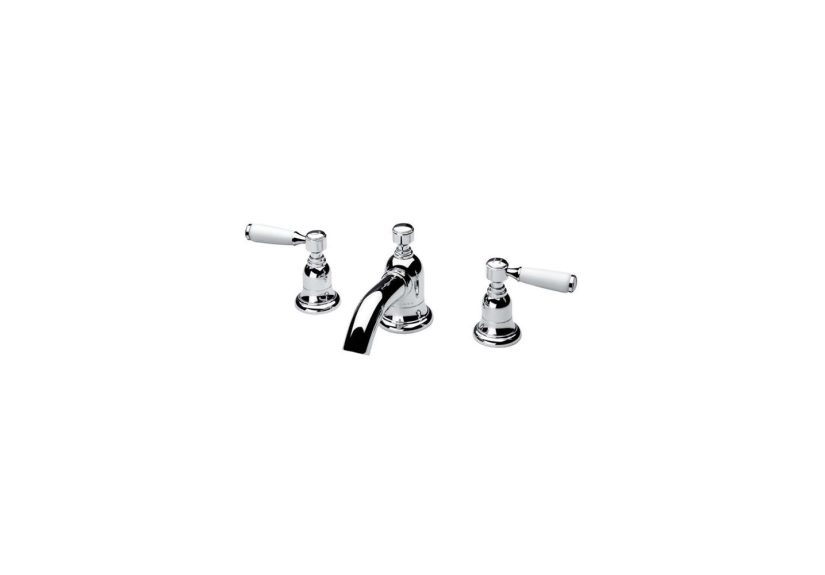
Some bathroom upgrades whisper. This one clears its throat, adjusts its cufflinks, and says, “Yes, I am the nice faucet.” The Samuel Heath Fairfield 3 Hole Basin Filler (also sold in the U.S. as a widespread lavatory filler) is the kind of fixture that makes a basic vanity look like it suddenly got a promotion.
If you’re researching it, you’re probably balancing three big questions: Is it actually worth the premium? Which version fits my sink and style? And will I regret choosing a “living” finish that changes over time? Let’s break it all downdesign, specs, finishes, installation realities, and what people tend to notice after the “ooh shiny” phase wears off.
First: What “3 Hole Basin Filler” Means (In Normal American Terms)
“Basin filler” is classic British vocabulary for what most U.S. shoppers call a bathroom sink faucet. “3 hole” means the faucet is built for a sink or countertop with three separate holes: one for the spout and one for each handle (hot and cold). In American listings, you’ll often see: 3-hole widespread lavatory faucet.
The Fairfield setup gives you that tailored, architectural look: the spout stands on its own, the handles sit apart, and the whole arrangement feels intentionallike it was designed, not “included in the box.”
The Fairfield Personality: Arts-and-Crafts, But Make It Bathroom
Fairfield isn’t trying to be ultra-minimal. It’s inspired by late-19th/early-20th century design influencesthink Arts & Crafts and the Aesthetic movementwhere proportions matter and details are meant to be noticed. The result is a faucet that looks traditional, but not fussy.
One of Fairfield’s best tricks is flexibility. You can lean classic with cross-top controls, or go a bit more tailored with levers. And those levers can show up in different personalitiesmetal, ceramic, wood, or crystalso the same faucet body can read “heritage” in one bathroom and “modern jewel-box powder room” in another.
Low Spout, High Spout, Extended Spout: Choosing the Right Fairfield Set
“Fairfield 3 hole basin filler” isn’t one single faucetit’s a family of configurations. The differences matter, especially in small bathrooms where a spout that’s too short can make hand-washing feel like a knuckle sport.
Low spout (classic, compact, and tailored)
Low-spout versions keep the silhouette crisp and traditional. They’re great for smaller basins, tighter backsplashes, and bathrooms where you want the faucet to feel “built-in” rather than towering. If your sink is shallow, a low spout can also reduce splashingbecause nobody enjoys a faucet that creates its own weather system.
High spout (more clearance, easier handwashing)
High-spout Fairfield versions add space between aerator and basin, which can feel more comfortable for daily use especially if you have a deeper sink, taller users, or you’re constantly rinsing out makeup brushes, razor cups, or the world’s tiniest hand soap dish.
Extended spout (when reach matters)
Extended spout versions are designed to push the water stream farther into the bowl. This is a big deal if your drain sits forward, your basin is wide, or your faucet holes are set back. “Looks fine” is not the same as “lands the water where the sink actually is.”
Practical tip: before buying, stand over your sink and imagine where your hands naturally land. If that spot is not under the faucet’s likely stream, you’ll feel it every single day. A gorgeous faucet that sprays the back wall is still a problemjust an expensive one.
Finishes: The Fun Part (Also the Part That Can Haunt You)
Fairfield finishes range from bright and polished to moody and aged. But the most important distinction isn’t color. It’s whether the finish is stable (stays looking about the same) or living (intentionally changes over time).
Chrome plate: bright, classic, and low-drama
Chrome is the “white T-shirt” of bathroom finishes: it works almost everywhere, plays nicely with most tile, and is easy to clean. It’s also a great choice if you want your faucet to stay looking like the day it was installed without a long-term relationship with patina.
Polished nickel: warmer, softer, and… it may mellow
Polished nickel has that warm glow that chrome can’t quite replicate. In many premium lines, polished nickel is treated as a “natural” finish that can develop character over time. If you love a slightly lived-in look, it’s a strong contender. If you want perfection forever, nickel may gently disagree with your life goals.
Unlacquered brass (and friends): the “living finish” club
Unlacquered brass is for people who want their bathroom to feel personal. It changes. It deepens. It can spot, darken, and shift based on humidity, water, cleaning habits, and even how aggressively your household dries hands (I’m not here to judgejust to observe).
If you want brass vibes but less unpredictability, look for lacquered brass variants or finishes with protective coatings. The tradeoff is simple: living finishes look soulful, while protected finishes look consistent. Neither is “better.” They just fit different personalities.
Performance: Flow, Feel, and Why This Isn’t Just “Another Faucet”
In the U.S. market, Fairfield widespread lavatory fillers are commonly spec’d around low-flow performance (often under about 1.4 GPM). That matters for water use, but it also affects the experience: the stream should still feel full and satisfying, not like the faucet is sighing into the basin.
The tactile experience is part of the brand’s appeal: handles that feel solid, movements that feel deliberate, and a spout that looks sculpted rather than stamped. This is the difference between “it turns on” and “it feels like it belongs in the room.”
Installation Reality Check: What to Measure Before You Fall in Love
Fairfield is a premium product, but it still has one unglamorous requirement: your sink and countertop need to match the drilling and thickness limits. Translation: measure first, buy second, celebrate third.
Deck thickness and hole sizes
Many North America Fairfield 3-hole lavatory filler kits specify a maximum deck thickness around 1 3/16 inches and specific ranges for hole diameters for the side valves and spout. If you’re installing on stone with a thicker build-up, or on a furniture-style console top, this is the place where “almost” can become “not happening.”
Pop-up waste (drain) setup
Some Fairfield kits include a pop-up waste assembly, and the linkage is the usual dance: pop-up rod, ball rod, strap, clip, adjustment. It’s not hard, but it rewards patienceespecially if the sink is tight under the basin or you’re working around a deep drawer.
Pro install tips that actually matter
- Flush supply lines before installation so debris doesn’t mess with internal components.
- Keep hot and cold pressure balanced for best mixing performance.
- Clean gentlysoft cloth, mild soapbecause harsh abrasives are the enemy of luxury finishes.
- Hard water? Consider a softener or filtration strategy to reduce mineral buildup and service needs.
If you’re hiring a plumber (recommended for most people), your job is still important: confirm hole spacing, confirm drain compatibility (overflow vs non-overflow), and confirm that the spout reach places water where you want it. The best installation is the one where nobody has to “make it work.”
Buying Guide: Picking Your Fairfield Like a Person Who Enjoys Being Right
Here’s the short checklist that prevents long-term annoyance:
1) Match the faucet to the basin shape
A petite, round basin usually looks best with a low spout. A wide rectangular basin often benefits from an extended spout. A deep or vessel-like basin tends to feel better with a higher spout for clearance. The goal is a stream that lands near the drain without splashing up the sides.
2) Choose your handle “voice”
Crystal levers feel like jewelry. Wood levers feel warm and unexpected. Ceramic levers feel classic. Metal levers feel crisp. Cross-top controls lean old-school in the best waylike a vintage watch that still keeps perfect time.
3) Decide if you want “patina” or “polished”
If you want a finish that stays consistent, go for something like chrome or a protected/lacquered finish. If you want the faucet to evolve (and you’re okay with that), living finishesespecially unlacquered brasscan look amazing over time.
4) Confirm what’s included
Some listings include a pop-up waste (drain assembly), others are “no waste.” That affects both your cost and your installation plan. If you already have a matching drain you love, “no waste” may be perfect. If you don’t, buying a kit can simplify the finish match.
Design Pairings That Make Fairfield Look Like It Was Always Meant to Be There
A transitional bath with calm tile and one statement detail
Fairfield works beautifully in transitional spaces because it adds character without shouting. Think soft white tile, warm neutrals, and one strong detail: walnut, aged brass, or a dramatic mirror frame. Fairfield reads “collected,” not “catalog.”
A jewel-box powder room (small room, big energy)
If you want your powder room to feel designed, Fairfield is a strong anchor. Pair crystal or polished finishes with bold wallpaper, deep paint, or vintage-inspired lighting. In a tiny space, the faucet becomes part of the decorlike a little piece of functional jewelry.
A classic look with a twist: wood levers + modern shapes
Some showrooms highlight the Fairfield faucet specifically because the wood lever option feels rare in bath fixtures. If you’re using a modern vanity shape but want warmth, wood details can bridge the gap in a way that feels intentional rather than “we mixed metals and hoped.”
Maintenance and Longevity: Keeping It Beautiful Without Making It Your New Hobby
Fairfield fixtures are built with serviceability in mind, and many versions use ceramic disc valves/cartridgesgreat for smooth operation and long-term reliability. Still, water quality is real life, and real life leaves mineral deposits.
The simplest long-term habits:
- Wipe water spots early (especially on living finishes).
- Avoid abrasive cleaners and scratchy pads.
- In hard-water areas, stay ahead of scale with gentle cleaning and smart water treatment.
And here’s the reassuring part: replacement cartridges and parts are available through specialty suppliers. That’s one of the underrated benefits of buying a premium linesupport doesn’t vanish the moment the trend cycle moves on.
So… Is the Samuel Heath Fairfield 3 Hole Basin Filler Worth It?
If your goal is simply “water comes out,” you don’t need Fairfield. But if you care about proportion, finish depth, and that subtle sense of permanencelike your bathroom wasn’t thrown together between lunch and a home improvement show binge then yes, this fixture can make sense.
You’re paying for the whole package: design heritage, material quality, hand-finished options, a broad finish palette, and a system that’s built to be installed once and enjoyed for years. In the right bathroom, Fairfield doesn’t just blend in. It elevates everything around it.
Real-World Experiences With the Fairfield 3 Hole Basin Filler (500+ Words)
People who choose the Fairfield 3 hole basin filler usually fall into one of two camps: the “I’ve been planning this bathroom for months” camp, and the “I didn’t plan anything, but I know quality when I see it” camp. What’s funny is that both groups tend to have the same first reaction once it’s installed: the room feels more finished. Not louder. Not trendier. Just… resolvedlike the bathroom finally stopped negotiating with itself.
One of the most commonly noticed differences is the handle feel. This is hard to appreciate online. In a showroom, people often do the same thing: they turn the handles back and forth like they’re cracking a safe. The movement feels deliberate, and the materials feel substantial. That sounds like a small detail until you realize it’s the only part you physically touch every day. A great faucet is a micro-luxury you actually use, not just admire.
Then there’s the finish decisionwhere many people learn a gentle lesson about personality. Chrome owners are usually thrilled because it’s predictable and cleans up easily. Polished nickel owners often enjoy the warmth, but some are surprised when it starts to look a little more “antique” over time in certain lighting. Unlacquered brass owners are the most emotionally invested (in a good way): they’ll tell you the patina is the point. They’ll also tell you, usually in the same breath, that they now have opinions about water spots. If you like the romance of change, unlacquered brass is incredibly rewarding. If you like the romance of “always looks perfect,” choose a protected finish and sleep better.
Installation day tends to be smooth when measurements were handled early. The most common “oops” moment isn’t that the faucet doesn’t fitit’s that the water stream doesn’t land where someone expected. This shows up especially with wide basins or sinks where the drain sits forward. That’s where an extended spout option can feel like a genius move. People who nail the reach usually say the faucet feels “effortless,” which is the highest compliment for something you use half-awake.
The pop-up drain linkage is another classic real-world moment. It’s not complicated, but it’s the kind of task that turns into interpretive dance when you’re working inside a tight vanity. Many installers will set it up quickly; DIYers often learn that a small adjustment can mean the difference between a satisfying “click” and a drain that behaves like it’s indecisive about its future. Once it’s dialed in, though, it’s just… done. No drama. Which is what we all want from a drain, honestly.
Over the long term, people who stay happiest are the ones who treat the faucet like a premium object: soft cloth, gentle cleaner, no harsh scrubbing. In hard-water areas, some homeowners add a water softener or filtration strategy and notice fewer deposits and fewer “why does it look dull today?” moments. The best stories are always the same: years later, the faucet still looks great, still feels solid, and still makes the vanity look intentional. That’s the Fairfield experience in a sentence: it doesn’t just workit stays worth looking at.