Table of Contents >> Show >> Hide
- Why Pipes Freeze in the First Place
- Key Signs Your Pipes Are Frozen
- How to Find the Frozen Section
- How to Safely Unfreeze Frozen Pipes
- What to Do If a Frozen Pipe Bursts
- How to Prevent Frozen Pipes Next Time
- Real-Life Experiences: Lessons from Frozen Pipes (Extra )
- Conclusion: Stay Ahead of Frozen Pipes
If you’ve ever turned on a faucet in the middle of a cold snap and gotten…nothing, you know that special kind of winter panic: “Are my pipes frozen?” The good news: catching the signs early and knowing how to safely unfreeze frozen pipes can save you thousands of dollars in water damage and a whole lot of stress.
This guide walks you through the classic signs of frozen pipes, step-by-step methods to thaw them safely, what to do if a pipe bursts, and smart ways to prevent the problem next time. We’ll also sprinkle in real-world experiences so you can learn from other people’s “I’ll never do that again” moments.
Why Pipes Freeze in the First Place
Water freezes at 32°F, but most plumbing experts warn that pipes are at high risk of freezing and bursting when outdoor temperatures drop to about 20°F (-6.6°C) or lower for several hours, especially in poorly insulated or unheated areas of the home.
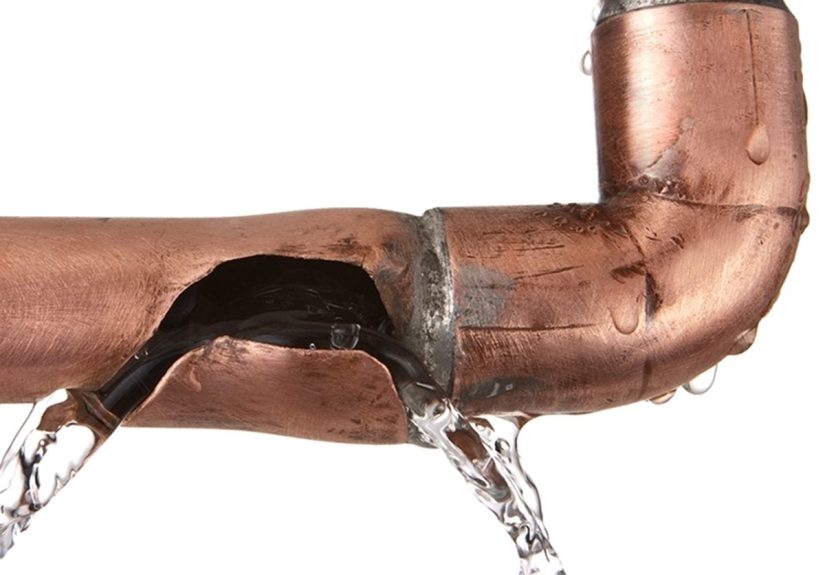
When water inside the pipe freezes, it expands. That expansion builds pressure between the ice blockage and the closed faucet. Eventually, something has to giveand unfortunately, that “something” is often your pipe wall or a weak joint.
Common high-risk spots include:
- Pipes that run along exterior walls
- Pipes in unheated basements, crawl spaces, attics, and garages
- Pipes near drafty windows, doors, or vents
- Outdoor hose bibs and irrigation lines
Key Signs Your Pipes Are Frozen
You don’t always see a big icicle sticking out of the wall (if only it were that obvious). Often, frozen pipes show up in sneakier, everyday ways.
1. Little or No Water Coming from the Faucet
The number one sign: you turn on a faucet and only get a trickleor nothing at all. This is especially suspicious if the problem affects only one fixture or one part of the house, often near an exterior wall or where the water line enters the home.
2. Frost or Condensation on Exposed Pipes
If you can see your pipes (like in a basement or under a sink) and notice frost, ice, or unusually heavy condensation, that’s a strong clue that the water inside is at or below freezing.
3. Strange Smells from Drains or Faucets
When a pipe leading to a drain is frozen, odors from inside the plumbing system may get pushed back toward your home instead of venting properly. A sudden foul or sewer-like smell coming from a sink or tub in cold weather can be another red flag.
4. Bulging, Discolored, or Noisy Pipes
You may notice:
- Bulging or misshapen pipe sections where pressure is building
- New discoloration or damp spots on walls or ceilings near plumbing runs
- Banging or clanking noises when you turn on the water, as trapped ice and air shift in the line
If you spot any of these plus reduced water flow, assume you’ve got at least one frozen section and move quickly before it turns into a burst pipe.
How to Find the Frozen Section
Before you can unfreeze frozen pipes, it helps to narrow down where the blockage is. Work systematically:
- Check which fixtures are affected. If only one bathroom sink is slow, the freeze is likely near that faucet. If multiple fixtures on the same floor have issues, the problem may be in a main branch line.
- Look in cold, exposed areas. Inspect pipes along exterior walls, in basements, crawl spaces, attics, and under sinksespecially those on outside walls.
- Feel for temperature changes. Carefully touch accessible pipes. A section that feels noticeably colder than the rest may be where the ice is forming.
If you can’t locate the frozen area or pipes are hidden behind walls, it’s wise to call a licensed plumber rather than start randomly tearing things apart.
How to Safely Unfreeze Frozen Pipes
Once you suspect a frozen pipe, time matters. But safety matters more. Many fire departments and emergency organizations warn against using open flames like blowtorches, propane heaters, or charcoal stoves on pipesthey can easily start a fire or overheat the pipe, causing it to burst.
Step 1: Open the Faucet
Start by opening the faucet connected to the frozen pipeboth hot and cold handles if it’s a mixer faucet. As the ice melts, running water helps flush the ice out and relieve pressure, which reduces the risk of a burst.
Step 2: Decide Whether to Shut Off the Main Water
If the pipe is already cracked, or you’re not sure, it’s safer to shut off the main water supply before thawing. Many utilities and plumbing experts recommend turning off the main valve because pipes can split while frozen, then leak once water starts flowing again.
Locate the main shutoff valve (often in a basement, garage, utility room, or near where the water line enters the home). Turn the valve clockwise to close it.
Step 3: Apply Gentle, Even Heat
Use one or more safe, slow methods to thaw the pipe:
- Electric hair dryer: One of the most common options. Start near the faucet end and move slowly toward the colder section. Keep the dryer moving to avoid overheating one spot.
- Electric heating pad or heat tape: Wrap around the frozen section and follow manufacturer instructions. These products are designed to provide controlled, consistent heat.
- Portable space heater: Place it in the room near the frozen pipe (not right up against it), keeping flammable materials away. Never leave it unattended.
- Warm towels: Soak towels in hot water, wring them out, and wrap them around the pipe, replacing them as they cool.
Always start near the faucet side and work toward the colder portion of the pipe. This gives melting water somewhere to go instead of building pressure behind the ice.
Step 4: Be Patient and Monitor for Leaks
Thawing frozen pipes can take 30 minutes or more, depending on how long they’ve been frozen and how cold it is. As the pipe warms up and water begins to flow, watch and listen for leaks around joints, walls, and ceilings.
If you see water spraying, dripping, or seeping from anywhere unexpected, shut off the main water if it isn’t already off and call a plumber.
When to Call a Professional Immediately
Don’t try to DIY if:
- You can’t access the frozen section because it’s behind walls or ceilings
- You notice bulging pipes, large cracks, or active leaks
- You’re uncomfortable using electrical devices around damp areas
- Multiple areas of the house appear to be frozen
In those cases, calling a licensed plumber is cheaper (and safer) than gambling on a major flood.
What to Do If a Frozen Pipe Bursts
Sometimes, even with your best efforts, the pipe doesn’t just freezeit breaks. A burst pipe can dump hundreds of gallons of water inside your home in a short time, so fast action matters.
- Shut off the main water supply immediately. Turn the main shutoff valve clockwise to stop water from flowing into the home.
- Turn off electricity in affected areas. If water is near outlets, electrical panels, or appliances, switch off power to that area from the breaker box to avoid shock or fire hazards.
- Open faucets to drain remaining water. This reduces pressure in the system and helps empty lines.
- Contain and remove standing water. Use towels, mops, wet/dry vacuums, or buckets to soak up water and protect flooring and belongings.
- Call a licensed plumber. A pro can repair or replace damaged pipes, evaluate the system, and help prevent future issues.
- Document the damage. Take photos and videos for insurance and contact your homeowners insurance company, especially if walls, floors, or ceilings were affected.
Depending on the extent of water damage, you may also need a professional restoration company to handle drying, mold prevention, and repairs.
How to Prevent Frozen Pipes Next Time
The best frozen pipe is the one that never freezes. A little prep before and during cold weather can drastically reduce your risk.
1. Insulate Vulnerable Pipes
Use foam pipe insulation sleeves or wrap exposed hot and cold pipes in unheated areas like garages, crawl spaces, attics, and basements. Insulating outdoor faucets and backflow devices also helps.
2. Disconnect Hoses and Winterize Outdoor Lines
Before freezing weather hits, disconnect garden hoses, drain them, and shut off and drain hose bibs if you have an interior shutoff valve. Winterize irrigation systems according to manufacturer or installer instructions.
3. Let Faucets Drip (When It’s Appropriate)
A slow, steady drip of water can help keep pipes from freezing by keeping water moving and relieving pressure. Focus on faucets along exterior walls or in unheated areas, and drip both hot and cold lines if possible.
Note: Some cities ask residents not to drip faucets during extreme cold if it might strain the municipal water system. Check local guidance if in doubt.
4. Keep Indoor Spaces Warm
Most experts recommend keeping the thermostat set no lower than the upper 40s to 50°F range (around 50–55°F) when it’s freezing outside, even if you’re away. Maintaining a consistent temperature helps protect pipes in walls and unheated zones.
Other simple tricks:
- Open kitchen and bathroom cabinet doors to let warm air circulate around pipes.
- Seal gaps around windows, doors, and sill plates to reduce cold drafts that hit pipes directly.
5. Use Smart Vacation Prep
If you’re leaving home during freezing weather, consider shutting off your main water valve and draining water from your lines to avoid leaks and burst pipes while you’re gone. Many home experts now recommend this, especially for longer trips.
Pair that with a smart thermostat or a trusted neighbor who can check in and you’re far less likely to come home to an indoor ice rink.
Real-Life Experiences: Lessons from Frozen Pipes (Extra )
Advice is helpful. Stories stick. Here are a few common real-world scenarios that show how frozen pipes play outand what people wish they had done differently.
The “It’s Just One Night” Story
Picture this: A homeowner in a colder climate decides to visit friends overnight. The temperature is supposed to dip into the single digits, but they figure, “It’s just one night. I’ll turn the heat down to save money.” They set the thermostat to 45°F, leave the kitchen cabinets closed, and forget that the sink sits on an exterior wall.
By morning, the line to that kitchen sink has frozen and burst. When they return, water has been spraying inside the wall for hours. The repair bill includes new cabinets, drywall, flooring, and mold remediationfar more than the few dollars of heat they thought they were saving.
Lesson: When temperatures approach or drop below 20°F, treat your plumbing like a VIP. Keep the house warm enough, especially near exterior walls, and open those cabinet doors to let warm air reach the pipes.
The Space Heater Mishap
In another case, a DIY-minded homeowner spots frost on a basement pipe and notices that an upstairs bathroom has almost no water pressure. They correctly guess the pipe is frozenbut then grab a propane torch and a high-powered space heater, cranking both full blast against the pipe in hopes of melting the ice faster.
The result: scorched insulation, blistered pipe, a hair-raising smoky smell, and a panicked call to the fire department. They got luckyno actual firebut the pipe still ended up needing replacement because the metal overheated.
Lesson: You can’t “speed-run” thawing frozen pipes. Gentle heat, patience, and safe tools are the only winning combo. Open flames and extreme high heat near walls or wood framing are an obvious fire riskone that plumbing and safety organizations warn strongly against.
The Hidden Freeze Behind the Wall
Sometimes everything looks fineuntil you hear dripping. In one older home, the homeowners thought they were safe because all visible pipes were wrapped in insulation. But an uninsulated section of pipe behind an upstairs bathroom wall froze during a cold snap.
The first clue wasn’t a frozen faucet. It was a faint water stain on the ceiling below and a soft “tick…tick…tick” of water dripping inside the wall cavity. By the time they investigated, the pipe had split and water had saturated the insulation and drywall.
Lesson: Insulating only the pipes you can see is like brushing only the front teeth you see in selfies. Better than nothingbut not the whole story. Whenever possible, insulate entire runs, especially those serving bathrooms or kitchens on exterior walls. Consider having a plumber or contractor walk the house and flag vulnerable areas before winter.
The “I Didn’t Know Where the Shutoff Was” Moment
One of the most stressful frozen pipe stories is also very common: a pipe bursts, water is pouring into the basement, and no one knows where the main water shutoff valve isor how to turn it.
The family frantically calls a plumber, then the city, then a neighbor. By the time someone finds the valve (hidden behind boxes in a cluttered utility room), the basement carpet is floating and cardboard storage boxes have turned to mush.
Lesson: Find your main shutoff valve long before you ever need it. Make sure everyone in the household who’s old enough knows where it is and how to turn it off. Some homeowners even label it with a bright tag or sticker so no one has to go on a scavenger hunt in an emergency.
The Renter’s Wake-Up Call
Renters aren’t off the hook either. In one apartment, the tenant assumed building management would handle everything. When a deep freeze hit, they went about life as usualno dripping faucets, no cabinet doors open, thermostat set low during the workday.
One evening, they turned on the shower and heard a strange hiss. A supply line inside the shared wall had frozen and failed, sending water down several floors. The tenant later learned that their lease included instructions for winter prep, but they’d never read that part.
Lesson: If you rent, ask your landlord or property manager how they want you to prepare for freezing weather. Clarify who is responsible for dripping faucets, thermostat settings, and reporting suspected frozen pipes. Knowing the plan ahead of time can protect your belongings and avoid awkward conversations after a flood.
Taken together, these experiences all point to the same themes: know the signs, act quickly but safely, and get ahead of the problem with insulation, dripping, heating, and shutoff awareness.
Conclusion: Stay Ahead of Frozen Pipes
Frozen pipes are one of those winter headaches that feel mysteriousuntil you understand the patterns. Pipes are most likely to freeze in cold, poorly insulated areas when temperatures drop to around 20°F or below, and the early warning signs are usually there: weak water flow, frost on exposed pipes, strange smells, or banging noises.
When you catch them early and use safe thawing methodsopen faucets, gentle electric heat, patienceyou can often restore flow without major damage. If a pipe does burst, knowing where your main shutoff is, cutting power to affected areas, and calling a pro quickly can dramatically reduce the destruction.
From insulating vulnerable lines and disconnecting hoses to dripping key faucets and preparing before vacations, the right habits can turn “frozen pipe disaster” into “just another cold day.” With a little planning and a calm, step-by-step approach, you’ll be far more likely to get through winter with your plumbing (and your sanity) intact.
sapo: Frozen pipes can go from minor annoyance to major water disaster in a hurry. Learn how to spot the first signs of frozen pipes, safely thaw them using proven, plumber-approved methods, and handle a burst pipe if the worst happens. You’ll also get practical prevention tips and real-life lessons so you can protect your home, your wallet, and your peace of mind all winter long.