Table of Contents >> Show >> Hide
- Your nose is a built-in climate control system
- 1) Why your nose runs when you cry
- 2) Why your nose runs when you eat
- 3) Why your nose runs when you’re cold (temperature, not illness)
- 4) Why your nose runs when you have a cold (the viral kind)
- How to tell which “runny nose” you have
- When a runny nose is a red flag
- Conclusion: your nose is annoying, but it’s usually being helpful
- Real-Life Experiences: The Many Moods of a Runny Nose (About )
You know the moment: you’re watching a sad movie and suddenly you’re not just cryingyou’re sniffling like a broken faucet. Or you bite into a spicy taco and your nose starts leaking like it’s trying to put out a small kitchen fire. Then winter hits, you step outside, and your nose turns into a tiny, unstoppable water slide.
The good news: most “mystery drip” situations are totally normal. Your nose isn’t being dramatic (okay, it’s being a little dramatic). It’s doing its jobfiltering, humidifying, and protecting your airways. Different triggers flip different biological switches, but the result often looks the same: rhinorrhea, aka a runny nose.
Let’s break down what’s happening when you cry, eat, get cold, or catch a coldplus how to tell what’s normal, what’s annoying-but-fine, and what deserves a call to a clinician.
Your nose is a built-in climate control system
Your nasal passages aren’t just empty tunnels. They’re lined with mucous membranes, tiny blood vessels, and glands that make mucus (yes, the same mucus you’re currently judging). Mucus is useful: it traps dust and germs, keeps tissues moist, and helps air reach your lungs in better condition than it arrived.
When something irritates or stimulates your nose, your body can respond by:
- Making more watery fluid (thin drip)
- Swelling nasal tissues (stuffy feeling)
- Changing mucus thickness (clear → thicker over time)
- Turning up nerve signals (sneezing, burning, or “why does air hurt?”)
Now let’s meet the four most common drip villainsplus one “plot twist” to keep in mind.
1) Why your nose runs when you cry
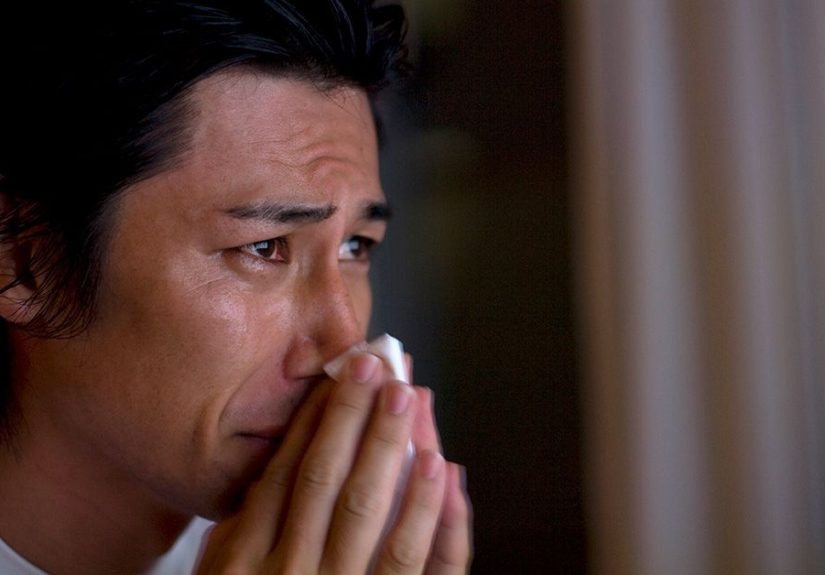
This one is delightfully mechanical. Tears don’t only fall down your cheeks like a movie montage. They also drain through a tear drainage pathway that connects your eyes to your nose.
The tear-to-nose shortcut (a.k.a. “the plumbing”)
Tears are made by glands near your eyes, then spread across the eye surface when you blink. Extra tears drain through tiny openings near the eyelids and travel through ducts that empty into your nasal cavity.
On a normal day, this happens quietly in the background. But when you cry hard, you make more tears than the system can handle. Some spill out of your eyes (hello, mascara raccoon), and some rush down into your nose. That extra fluid mixes with the mucus already in your nasal passages andboomrunny nose.
Clues it’s “crying drip,” not illness
- It starts during crying and improves soon after you calm down.
- The drainage is often clear and watery.
- You don’t have fever, body aches, or a sore throat.
Quick comfort: blowing gently (not like you’re launching a rocket), sipping water, and using a soft tissue can help. If your eyes constantly water on one side or you get frequent tear-duct infections, that’s a separate issue worth checking out.
2) Why your nose runs when you eat
If your nose turns on the moment food arrives, you may have gustatory rhinitisa type of nonallergic rhinitis triggered by eating.
Translation: your immune system isn’t “allergic” to the food. Instead, the nerves in your nose are reacting to the act of eatingespecially spicy, hot, or strongly flavored foods.
What’s happening biologically
Eating stimulates nerves in the mouth and upper airway. In some people, that sensory input kicks off a reflex that activates the “rest and digest” side of the nervous system (parasympathetic). That system can signal nasal glands to produce extra watery secretions. Result: drip city.
Common triggers
- Spicy foods (hot peppers, curry, salsa, chili oil)
- Hot temperature foods (steaming soup, hot coffee)
- Sour or pungent flavors (vinegar-heavy dishes, wasabi, horseradish)
- Alcohol (in some people)
How to tell it’s not a food allergy
Gustatory rhinitis is mainly about nasal dripping. A true food allergy tends to bring extra symptoms like hives, swelling, wheezing, vomiting, or feeling faint. If you ever have trouble breathing or swelling of lips/tongue/throat, treat that as urgent.
What helps (without making dinner boring)
- Identify the repeat offenders: If only certain foods do it, you’ve got a clear suspect list.
- Cool the heat: Try milder versions (less chili, more flavor from herbs).
- Talk to a clinician if it’s frequent: Some prescription nasal sprays can reduce watery rhinorrhea, especially if it’s predictable (like “every time I eat pho”).
Bottom line: a runny nose during meals is usually harmlessjust inconvenient. The tissues at the table are not a personal failing. They’re a lifestyle accessory.
3) Why your nose runs when you’re cold (temperature, not illness)
Cold-weather drip is common enough that many people think it’s “allergies to winter.” What’s usually going on is a form of nonallergic rhinitis triggered by cold air and rapid temperature changes.
Why cold air makes your nose leak
Your nose warms and humidifies the air you breathe. When you step into cold, dry air, your nasal tissues work overtime to add heat and moisture. That can lead to:
- More watery secretions to humidify incoming air
- Changes in blood flow in nasal vessels
- Nerve-triggered reflexes that create rhinorrhea and sometimes a burning sensation
It can happen in perfectly healthy people, and it can also be more noticeable if you already have allergic rhinitis or nonallergic rhinitis in general.
Practical ways to stop “winter drip”
- Warm the air before it hits your nose: A scarf or mask helps by trapping moisture and heat.
- Use saline: Saline sprays or rinses can soothe dryness and clear irritants.
- Humidify indoors: Dry air can keep your nose irritated long after you come inside.
- Protect the skin: If your nose gets raw, a thin layer of petroleum jelly around (not inside) the nostrils can reduce irritation.
If your cold-air symptoms are intense or constant, a clinician can help figure out whether you’re dealing with nonallergic rhinitis, mixed rhinitis (allergic + nonallergic), or something else.
4) Why your nose runs when you have a cold (the viral kind)
Now for the classic: the common cold. Viruses that infect the upper respiratory tract irritate and inflame the lining of your nose and sinuses. Your immune system responds, and your nasal tissues ramp up mucus and fluid production as part of the cleanup effort.
The “clear to cloudy” mucus evolution
Early in a cold, mucus is often clear and runny. Over a few days, it may become thicker and look white, yellow, or green. That color change can happen during a normal viral cold and doesn’t automatically mean you need antibiotics.
Why you can feel both runny and stuffed
Colds don’t just increase mucus. They also cause swelling inside the nose. Swelling narrows the passages (congestion), while extra fluid keeps dripping out the front or down the back of the throat (postnasal drip). Congratulations, you’re experiencing the full deluxe package.
What actually helps you feel better
- Fluids and rest: Not glamorous, but effective.
- Saline rinses/sprays: Helps loosen and clear secretions without drying you out.
- Steam or warm showers: Comforts irritated tissues (even if it doesn’t “cure” anything).
- Gentle nose blowing: One nostril at a time, no power tools required.
- Decongestant nasal sprays: Can work fast for congestionbut should only be used short-term to avoid rebound congestion.
If you have medical conditions (like high blood pressure), are pregnant, or are shopping for cold meds for a child, it’s smart to check labels carefully and ask a pharmacist or clinician what’s appropriate.
How to tell which “runny nose” you have
Runny nose from crying
- Starts with tears and stops when the crying stops
- Clear, watery drainage
- No fever or body aches
Runny nose from eating (gustatory rhinitis)
- Starts during or right after meals
- Often triggered by spicy/hot foods
- Usually watery, with minimal other symptoms
Runny nose from cold air
- Starts quickly after stepping into cold/dry air
- May come with nasal burning
- Improves once you warm up
Runny nose from a viral cold
- Often comes with sore throat, cough, fatigue, sneezing
- Mucus can thicken over days
- Symptoms typically peak early and improve over time
When a runny nose is a red flag
Most runny noses are harmless. But a few situations deserve medical attention sooner rather than later:
- Symptoms that don’t improve after about 10 days, or worsen after improving (especially with facial pain/pressure and fever).
- Significant shortness of breath or wheezing.
- Severe headache, neck stiffness, confusion, or high fever.
- Clear, watery drainage from only one nostril that’s unusual for youespecially after head trauma or with severe headache. In rare cases, this can be related to a cerebrospinal fluid (CSF) leak and needs prompt evaluation.
- Infants with trouble feeding or breathing due to congestion should be evaluated because tiny noses clog fast.
Conclusion: your nose is annoying, but it’s usually being helpful
A runny nose can be triggered by tears, tacos, temperature, or virusesfour very different causes with one shared theme: your nasal tissues responding to fluid, nerves, and inflammation.
If it’s predictable (crying, eating, cold air), it’s often a normal reflex or nonallergic rhinitis pattern. If it’s paired with classic cold symptoms, it’s usually viral and self-limited. And if it’s persistent, one-sided and watery, or comes with severe symptoms, it’s time to get checked out.
In the meantime, keep tissues nearby, blow gently, and remember: your nose is basically your body’s customer service departmentresponding to every complaint in real time, whether you asked it to or not.
Real-Life Experiences: The Many Moods of a Runny Nose (About )
Runny noses have a talent for showing up at the most inconvenient timeslike they’re auditioning for a role as your personal chaos coordinator.
The Crying Run: Picture the classic scene: you’re watching a movie you swore was “just an action film,” and suddenly a character makes a heartfelt speech about family. Your eyes water first, then your nose joins in like it didn’t want to feel left out. You grab a tissue, but now you need a second tissue for your nose, and a third one because you’ve somehow created a tiny paper confetti storm. The weird part is how fast it happens: one minute you’re fine, the next minute you’re sniffling and wondering if your body is trying to flood the living room. That tear-drainage plumbing is doing exactly what it was built to dojust with zero respect for your dignity.
The Spicy Food Betrayal: Then there’s the meal-time drip. You take one bite of spicy ramen or a salsa that says “medium” but clearly means “volcano.” Your mouth burns, your eyes water, and your nose starts running like it’s escaping the scene. You’re not sick. You’re not allergic. You’re just experiencing a nervous-system reflex that treats spice like a full-body event. It’s especially funny in restaurants because you’ll be sitting there, politely dabbing your nose, trying to look normal while your friend says, “Are you okay?” and you’re like, “Yes, I’m just… enthusiastic about tacos.”
The Winter Commute Drip: Cold-air runny nose is its own personality type. You step outside on a chilly morning and within minutes your nose is leaking. It feels unfair because you weren’t even emotional or eating anything suspicious. You were simply existing in January. The drip often disappears once you warm upuntil you step outside again, when it returns immediately, like your nose has a calendar reminder titled “Be Wet Now.” People who walk dogs in winter know this pain intimately: one hand on the leash, the other hand trying to manage tissues, all while your dog is thrilled and you’re negotiating with your nostrils.
The Cold Cold: And when you catch a viral cold, the runny nose becomes a marathon. The first days can feel like an endless supply of clear drainage, then the mucus thickens and you start playing the “Is this a cold or allergies?” guessing game. You realize how often you breathe through your nose only when it stops cooperating. You also discover the fine art of gentle nose-blowingbecause if you blow too hard, your ears complain, your head feels pressurized, and you regret everything. The upside is that most colds improve with time, and the nose eventually stands down.
Across all these situations, the experience is oddly consistent: the runny nose feels random and dramatic, but it’s usually a normal responsetears draining, nerves reacting, or tissues inflamed. Once you recognize the pattern, it becomes less scary and more like an annoying roommate: unpredictable, messy, but (most of the time) not dangerous.