Table of Contents >> Show >> Hide
- What Is Rooting Hormone, Exactly?
- When You Should Use Rooting Hormone
- When You Can Skip It
- Types of Rooting Hormone
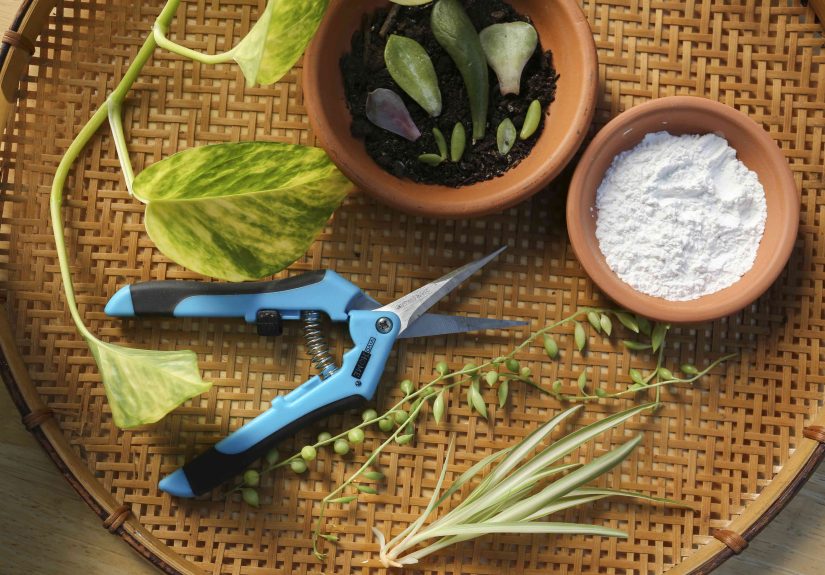
- What You Need Before You Start
- How to Use Rooting Hormone Step by Step
- 1. Choose the right cutting
- 2. Cut just below a node
- 3. Slightly wound woody cuttings if appropriate
- 4. Put a small amount of hormone in a separate container
- 5. Apply the rooting hormone
- 6. Make a planting hole first
- 7. Insert the cutting
- 8. Water and create humidity
- 9. Provide bright, indirect light and warmth
- 10. Be patient, then check for roots gently
- Powder vs. Gel vs. Liquid: Which One Is Best?
- Common Mistakes to Avoid
- Specific Examples of How to Use Rooting Hormone
- Aftercare: What Happens Once the Cutting Is Stuck?
- Troubleshooting Rooting Hormone Problems
- Experience Section: What Rooting Hormone Teaches You After a Few Rounds
- Final Thoughts
If you have ever snipped a healthy stem, tucked it into soil, and then waited for nature to do its thing, you already know plant propagation can feel a little like gardening and a little like gambling. Sometimes you get roots. Sometimes you get a limp stick with ambitions. That is where rooting hormone comes in.
Rooting hormone is not magic dust from a wizard’s greenhouse, but it can absolutely improve your odds. Used correctly, it can help certain cuttings root faster, root more evenly, and produce stronger new roots. Used incorrectly, it can also become one more reason your cutting throws in the towel. The good news is that learning how to use rooting hormone is simple once you understand the basics.
In this guide, you will learn what rooting hormone is, when you should use it, when you can skip it, how to apply powder, gel, or liquid formulas, and what to do after you stick the cutting into the propagation medium. We will also cover common mistakes, practical examples, and real-world lessons that make the difference between “Look, I made a new plant” and “Well, that stem had a nice personality.”
What Is Rooting Hormone, Exactly?
Rooting hormone is a product used to encourage root development on plant cuttings. Most commercial products contain plant growth regulators called auxins, commonly IBA (indole-3-butyric acid) or NAA (naphthaleneacetic acid). Plants naturally produce auxins on their own, especially in growing tips, but a little extra help can improve rooting in species that are slow, stubborn, or woody.
That last part matters. Rooting hormone is a booster, not a miracle worker. It cannot rescue unhealthy plant material, reverse rot, or turn every random twig into a thriving shrub. Think of it as a useful assistant. A good assistant, yes. A magician, no.
When You Should Use Rooting Hormone
Rooting hormone is most helpful when you are propagating plants that are considered moderately difficult or difficult to root. This often includes woody ornamentals, semi-hardwood cuttings, hardwood cuttings, and certain shrubs or vines. It can also be helpful when you want more uniform results, faster root initiation, or a denser root system.
Examples where rooting hormone is often worth using include:
- Hydrangea
- Rosemary
- Camellia
- Azalea
- Boxwood
- Rose
- Some evergreens and woody shrubs
For easy-going houseplants such as pothos, philodendron, wandering dude, or monstera, rooting hormone is often optional. These plants are the overachievers of the propagation world. They frequently root without any product at all. That said, hormone can still help speed things up or encourage fuller root development, especially if you are rooting in potting media rather than water.
When You Can Skip It
You do not always need rooting hormone. In fact, many gardeners overuse it because the tiny bottle makes them feel powerful. If a plant roots readily from cuttings and you already have the right conditions, hormone may not be necessary.
You can often skip rooting hormone when:
- The plant is known to root easily in water or moist medium
- You are propagating fresh, soft herbaceous cuttings
- You already have excellent humidity, warmth, and sanitation
- The cutting has obvious nodes and a strong natural rooting habit
Translation: if your pothos has rooted in a glass of water on your kitchen windowsill 37 times already, hormone is a nice extra, not a requirement.
Types of Rooting Hormone
Powder
Powder rooting hormone is the most common and beginner-friendly form. It is easy to store, easy to apply, and widely available. For home gardeners, it is often the simplest place to start.
Gel
Gel formulas cling well to the cutting and are convenient if you want a neat, even coating. Many gardeners like gels because they are less dusty and tend to stay where you put them.
Liquid
Liquid rooting hormone can be sold ready to use or as a concentrate that must be diluted. Some formulas are used as a quick dip, where the lower portion of the stem is submerged briefly, usually for just a few seconds. Liquid can be very effective, but it demands careful attention to label directions.
No matter which type you use, follow the label instructions. More is not better. Rooting hormone is one of those products where enthusiasm should not outrun accuracy.
What You Need Before You Start
- A healthy parent plant
- Sharp, clean pruners or scissors
- A clean container or tray with drainage
- A sterile, well-drained rooting medium
- Rooting hormone powder, gel, or liquid
- A pencil, chopstick, or dibber for making planting holes
- A clear plastic bag or humidity dome
A good rooting medium is usually low in fertility, holds moisture, and drains well. Common options include perlite, vermiculite, coarse sand, or mixes such as perlite and peat moss. Heavy garden soil is a poor choice. It compacts easily, stays too wet, and turns propagation into a tiny swamp documentary.
How to Use Rooting Hormone Step by Step
1. Choose the right cutting
Select a healthy, vigorous, pest-free stem. Avoid weak, diseased, flowering, or heavily stressed growth. A cutting should usually be about 3 to 6 inches long for many houseplants and soft-stemmed species, though woody shrubs may vary. Include at least one or two nodes, because roots often form from those points.
2. Cut just below a node
Using sanitized tools, make a clean cut just below a node. Remove the lower leaves so no foliage will sit below the surface of the rooting medium. If the cutting has flowers or buds, remove them too. Flowers may be beautiful, but in this moment they are just little energy thieves.
3. Slightly wound woody cuttings if appropriate
For some harder-to-root woody species, lightly wounding the lower stem can improve hormone contact and rooting response. This usually means gently scraping or shaving a narrow strip of bark from the lower inch of the stem. Do not go wild. You are encouraging roots, not carving a canoe.
4. Put a small amount of hormone in a separate container
This is one of the most important steps, and one of the most ignored. Never dip the cutting directly into the original jar or bottle. Pour or tap a small amount into a separate clean container first. Then throw away the leftover after use. Returning used product to the original container can spread moisture, disease, and contamination.
5. Apply the rooting hormone
For powder or gel, dip the lower end of the cutting into the product so the area where roots should form is lightly coated. Then tap or shake off excess. A thin layer is enough.
For liquid products, follow the label exactly. Some are used as a quick dip for only a few seconds, while others must be diluted before use. Do not improvise chemistry in the potting shed.
6. Make a planting hole first
Before inserting the cutting, use a pencil, chopstick, or dibber to make a hole in the moist rooting medium. This prevents the hormone from being rubbed off when you plant the cutting. It also reduces damage to the treated base.
7. Insert the cutting
Place the cutting into the hole with at least one node below the medium. Firm the medium gently around the stem so it stands upright and makes good contact. Do not bury leaves. Buried leaves usually become mushy, dramatic, and useless.
8. Water and create humidity
Moisten the medium so it is evenly damp but not waterlogged. Cover the container loosely with a clear plastic bag or dome to maintain humidity. Keep the plastic from touching the leaves if possible.
9. Provide bright, indirect light and warmth
Place the cutting in bright, indirect light, not harsh direct sun. Most cuttings root best in warm conditions. In general, aim for a comfortably warm environment rather than a chilly windowsill or a blazing hot patio. High humidity plus warmth is the sweet spot.
10. Be patient, then check for roots gently
Do not yank the cutting every two days like you are checking a lottery ticket. After a few weeks, give it a light tug. Resistance often means roots are forming. For many houseplants, rooting may happen within 3 to 6 weeks. Woody plants can take longer.
Powder vs. Gel vs. Liquid: Which One Is Best?
For most home gardeners, powder rooting hormone is the easiest choice. It is affordable, widely available, and simple to use. Gel is great if you want better coverage and less mess. Liquid is useful when label-specific quick-dip methods are recommended, especially for more advanced propagation work.
If you are just learning how to use rooting hormone, powder is probably your friend. It asks less of you and still gets the job done.
Common Mistakes to Avoid
Using too much
A heavy coating does not mean faster rooting. Too much product can actually slow things down or damage tender tissue. Light application is best.
Using dirty tools or containers
Propagation begins with sanitation. Dirty scissors, reused pots, and soggy old potting mix are invitations for disease.
Skipping the planting hole
If you shove the coated cutting straight into the medium, you may rub off most of the hormone before it can help.
Keeping the medium too wet
Cuttings need moisture, not a bog. Soggy conditions encourage rot and oxygen-starved stems.
Using direct hot sun
New cuttings lose water quickly. Strong sun can stress them before roots ever form.
Expecting rooting hormone to fix bad plant material
A weak, flowering, wilted, or diseased cutting is still a weak, flowering, wilted, or diseased cutting. Hormone is helpful, but it is not plant CPR.
Specific Examples of How to Use Rooting Hormone
Example 1: Rosemary
Take a 4-inch soft tip cutting from fresh growth. Strip the lower leaves, dip the base in rooting hormone powder, tap off excess, and insert into a perlite-based medium. Keep warm and humid in bright indirect light. Rosemary can be fussy, so hormone often earns its keep here.
Example 2: Hydrangea
Choose a non-flowering stem, cut below a node, remove lower leaves, and trim large upper leaves in half to reduce moisture loss. Apply hormone to the lower stem, insert into pre-made holes in moist medium, and keep covered. Hydrangeas often respond well to hormone, especially for more reliable rooting.
Example 3: Pothos
Cut below a node, remove the lower leaf if needed, and dip the node lightly in hormone before planting into moist medium. Will pothos root without it? Usually, yes. But hormone can still help if you want faster establishment in soil rather than water.
Aftercare: What Happens Once the Cutting Is Stuck?
Your job is not done once the cutting is planted. This is the stage where many gardeners become either overprotective or wildly neglectful. Try to be neither.
Check the medium regularly and keep it lightly moist. Vent the plastic occasionally so stagnant air does not encourage fungal issues. Once roots are about an inch long or the cutting has obviously anchored itself, move it into a quality potting mix and gradually reduce humidity.
Do not fertilize too early. A cutting without roots does not need a buffet. Let it form roots first, then transition it gently into active growth.
Troubleshooting Rooting Hormone Problems
The cutting rotted
The medium was likely too wet, the cutting may have been too soft, or sanitation may have slipped.
The cutting stayed alive but did not root
Possible causes include low warmth, weak light, old plant material, upside-down stem segments, or a species that needs a different season or cutting type.
The leaves wilted fast
Humidity was too low, the cutting was too large, or it was placed in direct sun. Trimming very large leaves can sometimes reduce moisture loss.
The hormone did not seem to help
That can happen. Some plants root fine without it, while others need a specific concentration, better timing, or a different propagation method altogether.
Experience Section: What Rooting Hormone Teaches You After a Few Rounds
The first time many gardeners use rooting hormone, they expect dramatic results. There is often a tiny bottle, a tiny cutting, and a very large amount of hope. Then the waiting begins. What experience teaches you is that rooting hormone matters, but the bigger lesson is how much the whole setup matters.
For example, a fresh cutting taken early in the day from a healthy stock plant will usually outperform a tired afternoon cutting that sat on a potting bench while you answered texts and forgot what you were doing. Rooting hormone cannot make up for poor timing or dehydrated plant tissue. Healthy material almost always wins.
Another lesson comes from humidity. A lot of beginners become obsessed with the hormone and forget the environment. Then they tuck a treated cutting into dry potting soil, place it beside a hot sunny window, and wonder why it collapses by day three. In real experience, success often comes from boring, unglamorous details: clean scissors, a light rooting medium, bright indirect light, and steady moisture.
You also learn quickly that more product is not better. It is tempting to coat the stem like you are breading chicken for the fryer. Do not do that. A light dusting or thin coating works better. When too much hormone clumps on the base, it can create a messy barrier instead of a helpful nudge. Rooting hormone should support the cutting, not smother it.
One of the most practical habits that comes with experience is using a separate dish for the hormone every single time. At first, that can feel fussy. Later, it feels wise. The moment you have one batch of cuttings fail from contamination or moisture getting into the container, you become a devoted member of the “pour out a little and discard the rest” club. Gardening has a way of turning caution into religion.
Experience also teaches plant-by-plant humility. Some cuttings root so easily that hormone feels almost unnecessary. Pothos, coleus, and many philodendrons tend to act like propagation is their favorite hobby. Others, especially woody shrubs, can test your patience and your confidence. You may do everything right and still wait longer than expected. That does not mean the method failed. It may simply mean the plant is playing the long game.
Then there is the emotional side of propagation, which nobody talks about enough. Using rooting hormone makes you feel proactive. You are no longer just snipping and hoping. You are preparing, treating, planting, and paying attention. That process teaches observation. You start noticing stem firmness, node spacing, leaf size, moisture levels, temperature swings, and tiny signs of new growth. In other words, rooting hormone can make you a better propagator not just because of the auxin, but because it encourages a more careful approach.
After enough attempts, the biggest takeaway is simple: rooting hormone helps, but technique wins. Good material, good timing, good sanitation, and good aftercare matter just as much, and often more. Once you understand that, the product becomes what it was always meant to be: not a miracle, not a gimmick, but a smart little tool in a very satisfying gardening process.
Final Thoughts
Learning how to use rooting hormone is one of those small gardening skills that pays off again and again. It helps you multiply favorite plants, save money, share cuttings, and gain confidence as a propagator. The formula itself is simple: choose healthy cuttings, apply the hormone lightly, avoid contamination, plant into a clean moist medium, and give the cutting warmth, humidity, and indirect light while it gets to work.
Will every cutting root? No. Plants, as always, enjoy reminding us that they have opinions. But when you use rooting hormone correctly and pair it with solid propagation habits, your odds improve in a very real way. And that means more roots, more plants, and fewer sad little stems auditioning for the compost pile.